The Children Left Behind by Education Inequality
By Yashmitha Sritheran
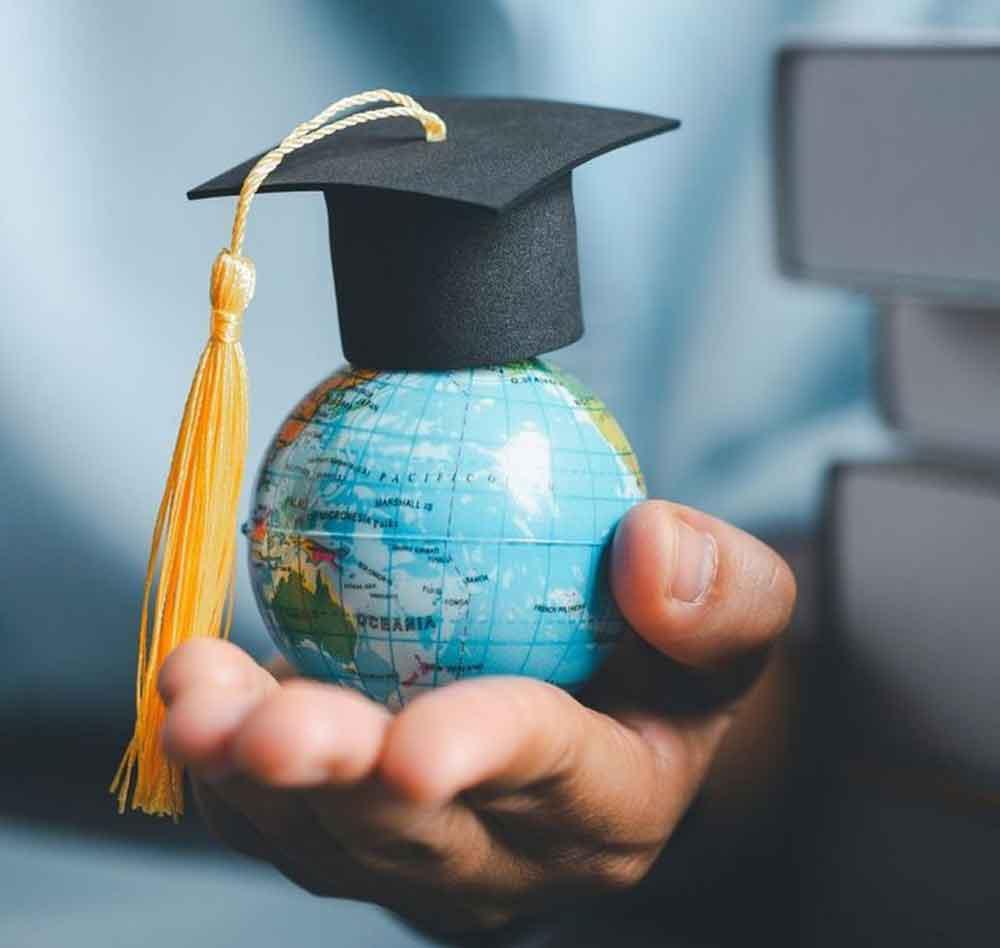
Education is often described as the key to unlocking a better future. It is a pathway that allows individuals to develop skills, pursue careers, and contribute to society. However, for millions of children around the world, access to quality education remains a challenge. While some students have access to modern classrooms, advanced technology, and countless learning opportunities, others struggle with limited resources, outdated facilities, and financial barriers. This difference is known as education inequality.
Education inequality does not simply mean that some schools are better than others. It reflects the unequal opportunities students receive based on factors such as their location, economic background, family circumstances, and access to resources. When children do not receive the same quality of education, their future opportunities can be greatly affected.
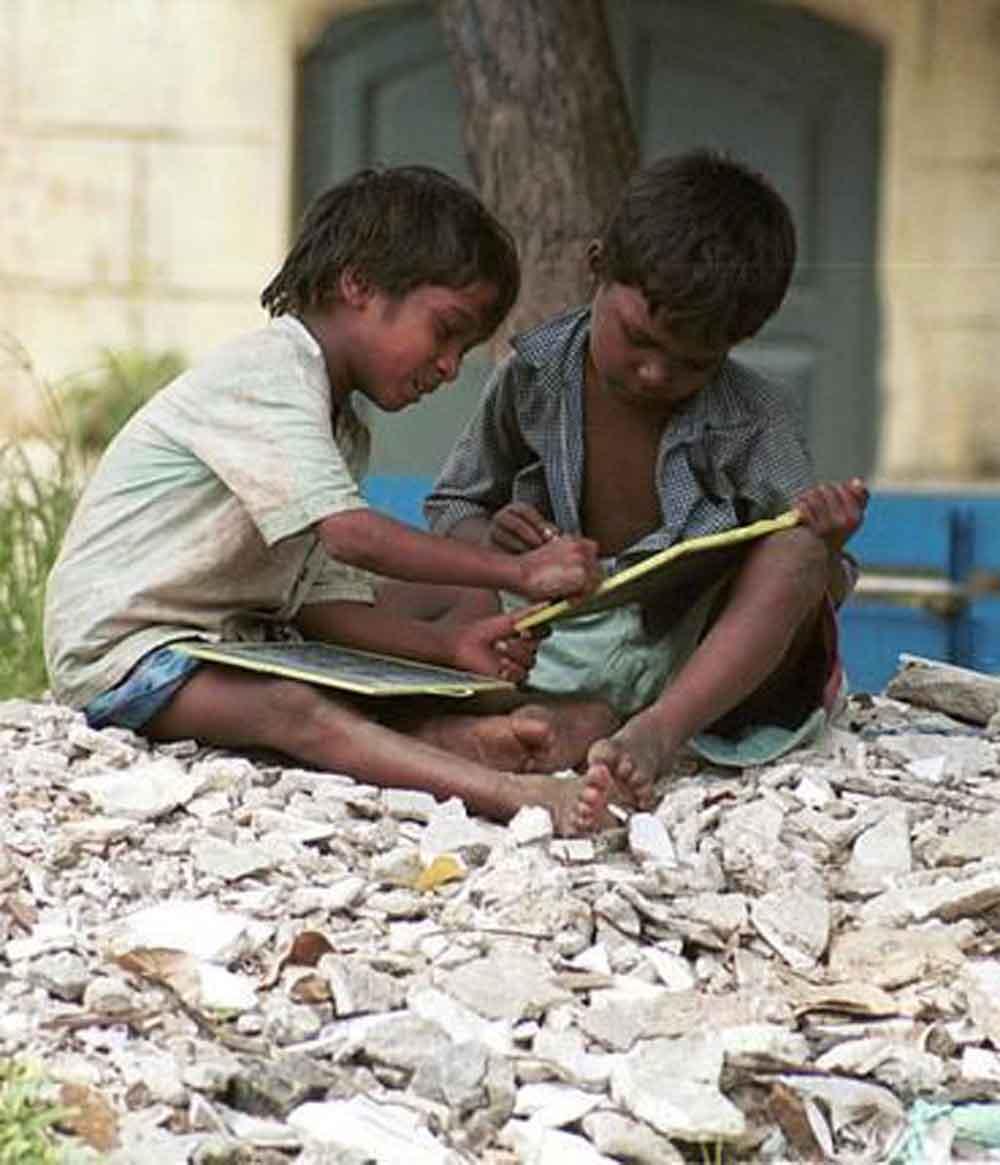
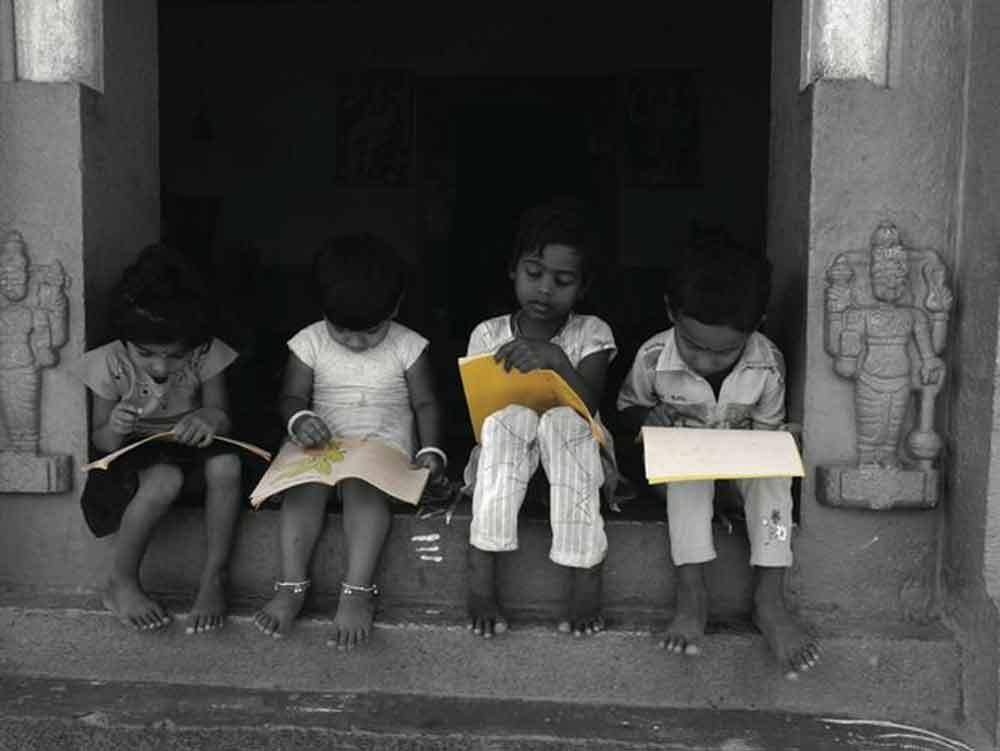
One of the biggest causes of education inequality is the difference between urban and rural areas. Schools in cities often have better infrastructure, more qualified teachers, access to technology, and a wider range of extracurricular activities. Meanwhile, many rural schools face challenges such as a shortage of teachers, limited learning materials, inadequate classrooms, and poor access to digital resources.
For students living in remote areas, simply reaching school can also be a challenge. Long distances, transportation issues, and difficult living conditions can prevent children from attending classes regularly. These barriers can lead to higher dropout rates and limit their chances of achieving their full potential.
Economic background also plays a major role in determining educational opportunities. Families with higher incomes can often afford private schools, tuition classes, learning devices, and additional educational support. On the other hand, children from low-income families may have to depend entirely on free education systems that may already be under pressure.
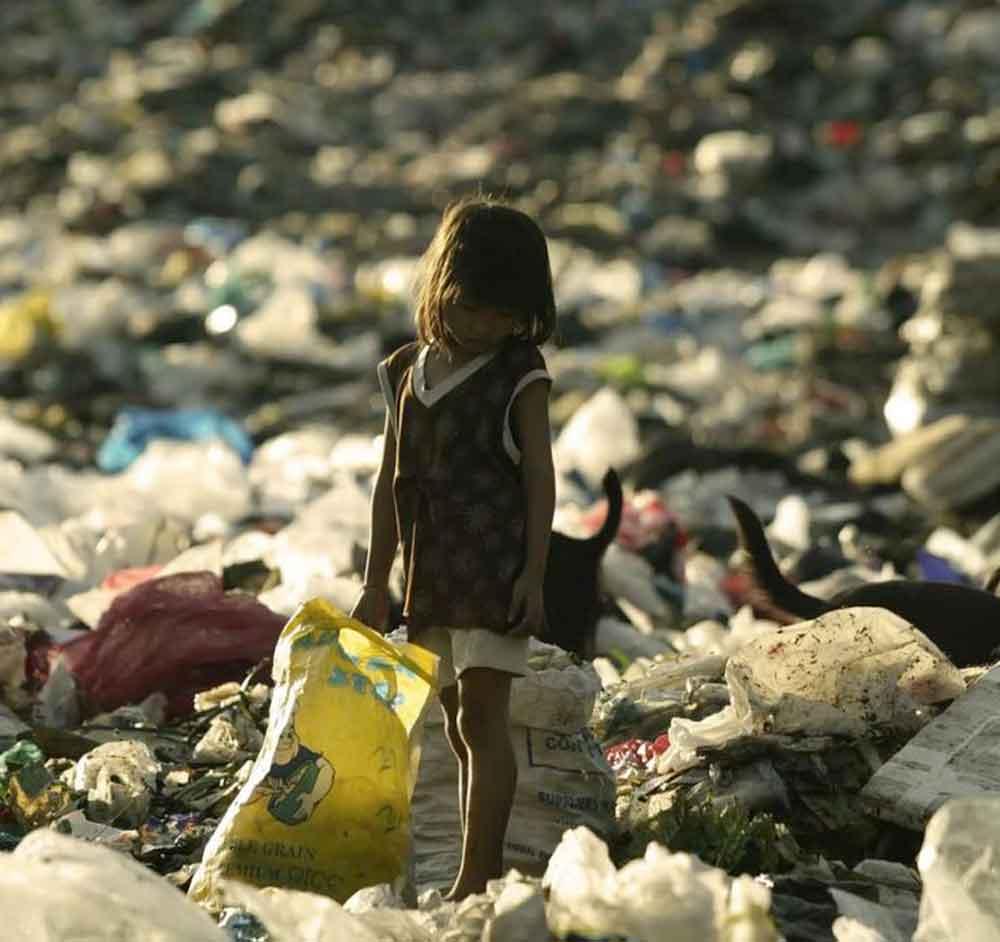
For some families, education is not the only priority. Children may be required to support their families through household responsibilities or employment, making it difficult for them to continue their studies. This creates a cycle where limited education opportunities can lead to fewer career options, continuing financial struggles from one generation to the next.
The digital age has created new opportunities for learning, but it has also exposed another gap. During periods when online learning became necessary, many students faced difficulties due to a lack of internet access, computers, or smartphones. While some students continued their education through digital platforms, others were left behind because they lacked the necessary tools.
This digital divide continues to affect students today. Technology can improve learning experiences through online resources, educational videos, and virtual classrooms, but only if students have equal access to it. Without proper digital inclusion, technology can unintentionally increase existing inequalities.
Teacher availability and quality are also important factors. A skilled and motivated teacher can transform a student’s learning experience. However, many schools, especially in underserved communities, struggle to attract and retain experienced educators. Teachers often work with limited resources and large numbers of students, making it difficult to provide individual attention.
Education inequality also affects students emotionally and socially. When children feel they do not have the same opportunities as their peers, it can impact their confidence and motivation. Every student deserves to feel valued and supported, regardless of their background.
Addressing education inequality requires collective action from governments, communities, schools, and individuals. Investment in school infrastructure, teacher training, digital accessibility, and student support programmes can help create a more balanced education system.
Providing equal education does not mean giving every student the exact same resources. Instead, it means ensuring that every child receives the support they need to succeed. Some students may require additional assistance due to financial difficulties, disabilities, or challenging circumstances. Recognising these differences is an important step toward creating fairness.
Communities also have an important role to play. Supporting local schools, encouraging children to stay in education, and creating awareness about the importance of learning can make a significant difference. Small efforts, when combined, can create lasting change.
Education is not just about passing exams or earning qualifications. It is about empowering individuals to think critically, make informed decisions, and build better futures. When children are denied quality education, society loses potential innovators, leaders, and contributors.
A child’s future should not be determined by where they are born or how much their family earns. Every child deserves the chance to learn, grow, and dream without limitations. Reducing education inequality is not only an investment in students but also an investment in the future of society.
The gap between those who have access to quality education and those who do not may seem challenging to overcome, but change begins with recognising the problem. By working together to create equal opportunities, we can ensure that education becomes a right enjoyed by all, rather than a privilege available to only a few.