Who Stole Women’s Pockets?
The surprising history of fashion's smallest detail—and what it reveals about power, independence and design.
Run your hand into the pocket of a well-tailored coat, and it feels almost insignificant; a simple opening in the fabric designed to hold a phone, wallet or keys. Yet this small feature has quietly shaped centuries of social history. Pockets are far more than practical additions to clothing. They reveal who was trusted with property, who was expected to move freely, and who was expected to remain dependent. Their story is not merely about fashion; it is about power.

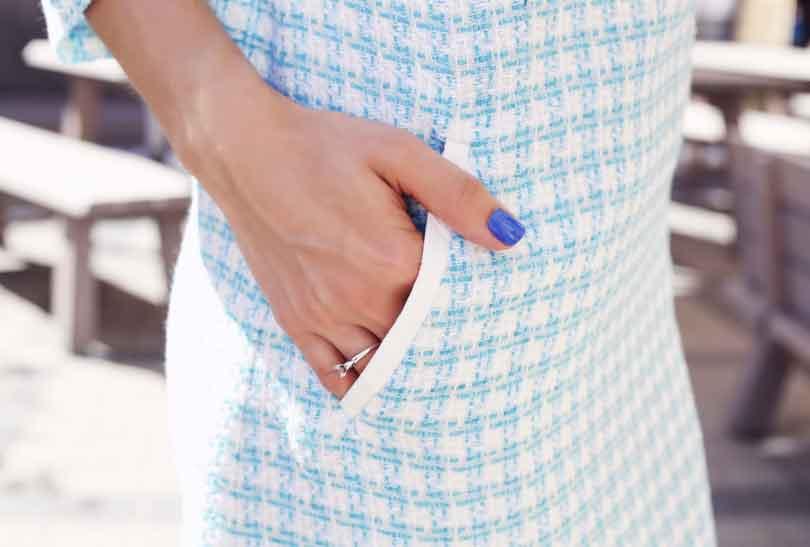
Today, one of the most common frustrations shared by women around the world is surprisingly universal. They buy a pair of trousers only to discover the pockets are decorative. A blazer comes with pocket flaps stitched shut. A dress has none at all. The result is predictable: another handbag is purchased, another accessory becomes essential, and another inconvenience is accepted as normal.
It feels like a modern annoyance, but the origins of this problem stretch back hundreds of years.
The earliest pockets were not sewn into garments. During the Middle Ages, both men and women carried their belongings in small fabric pouches tied around the waist beneath their clothing. Money, sewing tools, food, letters and personal belongings remained close to the body, hidden yet easily accessible through slits in outer garments. These concealed pockets were practical, secure and used by everyone regardless of gender.
The divergence began as clothing evolved.
By the seventeenth century, men's fashion increasingly incorporated stitched-in pockets directly into coats, waistcoats and breeches. As tailoring became more sophisticated, pockets became permanent architectural features of menswear. They reflected a growing expectation that men travelled, handled business, managed finances and occupied public spaces independently.
Women's clothing followed a different path. Rather than integrating pockets into garments, women continued wearing separate tie-on pockets hidden beneath wide skirts. These embroidered fabric pouches were surprisingly spacious, often carrying sewing kits, coins, spectacles, letters, handkerchiefs and even books. Ironically, many eighteenth-century women's pockets held more than the tiny pockets found in many modern garments.

Everything changed towards the end of the eighteenth century.
Fashion embraced slimmer, empire-line silhouettes inspired by classical Greece and Rome. Dresses skimmed the body instead of sitting over voluminous skirts, leaving no room to hide the large tie-on pockets women had relied upon for generations.
In their place came the reticule—a delicate handbag carried visibly rather than concealed beneath clothing.
Elegant though it was, it was astonishingly impractical. Most reticules held little more than a handkerchief, a coin purse and perhaps a small mirror. Practical storage had been replaced by an accessory designed primarily to complement an outfit rather than support daily life.
It is tempting to dismiss this as a simple shift in fashion, but clothing has always reflected society's expectations. As the nineteenth century progressed, men's clothing became increasingly functional while women's clothing became increasingly decorative. Men's garments gained larger pockets, stronger fabrics and practical tailoring suitable for work, travel and public life. Women's fashion prioritized beauty, elegance and silhouette.
This mirrored broader social realities.
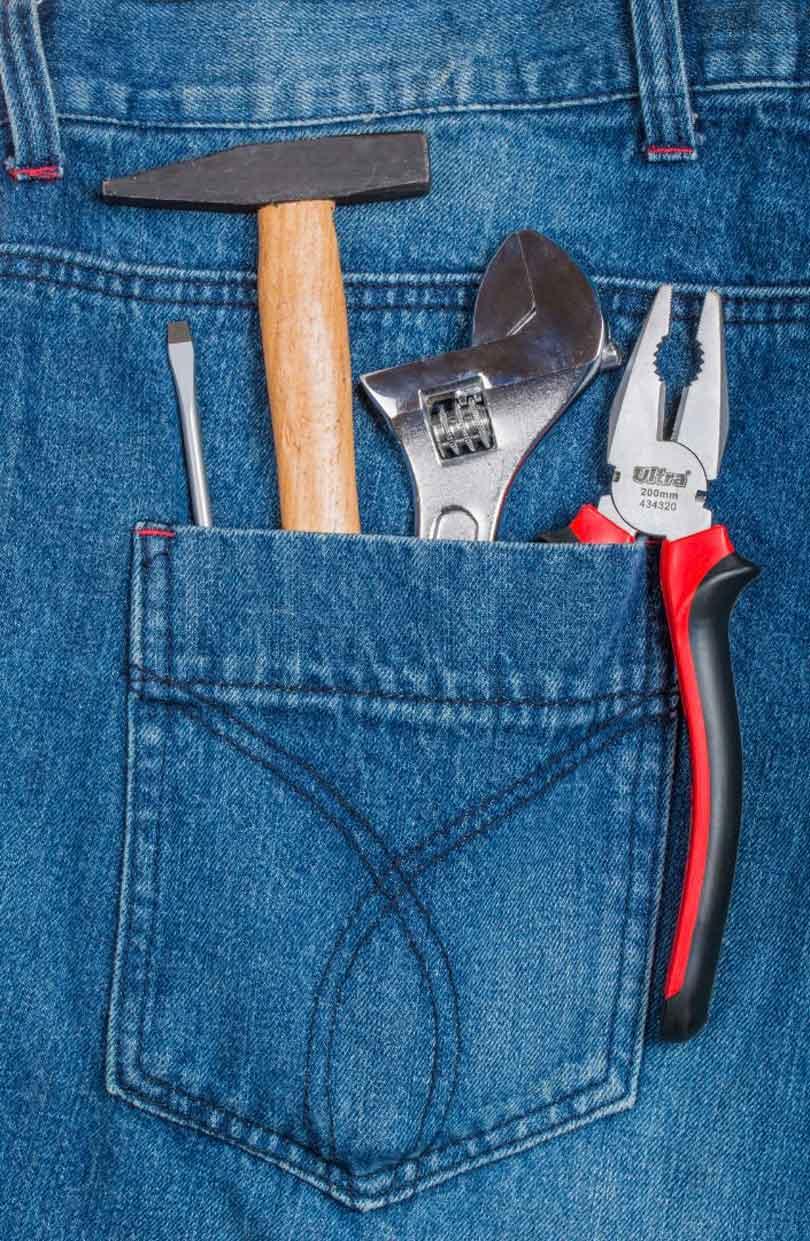
For centuries, women were expected to remain within domestic spaces while men-controlled commerce, politics and property. A functional pocket implied independence. It suggested the wearer might carry money, keys, legal documents or tools—objects associated with freedom and mobility.
Fashion rarely creates social values. More often, it quietly reinforces them.
Historians have often noted that pockets symbolized more than convenience. A woman with pockets was a woman capable of carrying her own possessions. The ability to keep money or personal belongings close at hand represented a subtle form of independence. Losing pockets meant relying more heavily on external accessories—and often, historically, on others.
By the Victorian era, women's clothing had become increasingly restrictive. Corsets shaped idealized figures while bustles, petticoats and elaborate skirts transformed movement into performance. Practicality rarely came first. Meanwhile, men's jackets accumulated interior pockets, breast pockets, watch pockets and ticket pockets, each serving a distinct purpose.
One wardrobe expanded possibility.
The other often limited it.
The twentieth century brought dramatic social change. Women entered factories during wartime, joined professional workplaces, drove cars, voted and gained increasing economic independence. Fashion responded. Tailored trousers, uniforms and workwear introduced larger, more practical pockets. For a brief period, functionality seemed poised to become the new standard.
Yet after both World Wars, fashion often returned to traditionally feminine silhouettes. Designers celebrated narrow waists and elegant dresses with clean lines. Functional pockets once again disappeared from many garments in favour of appearance.
Even today, that legacy remains.
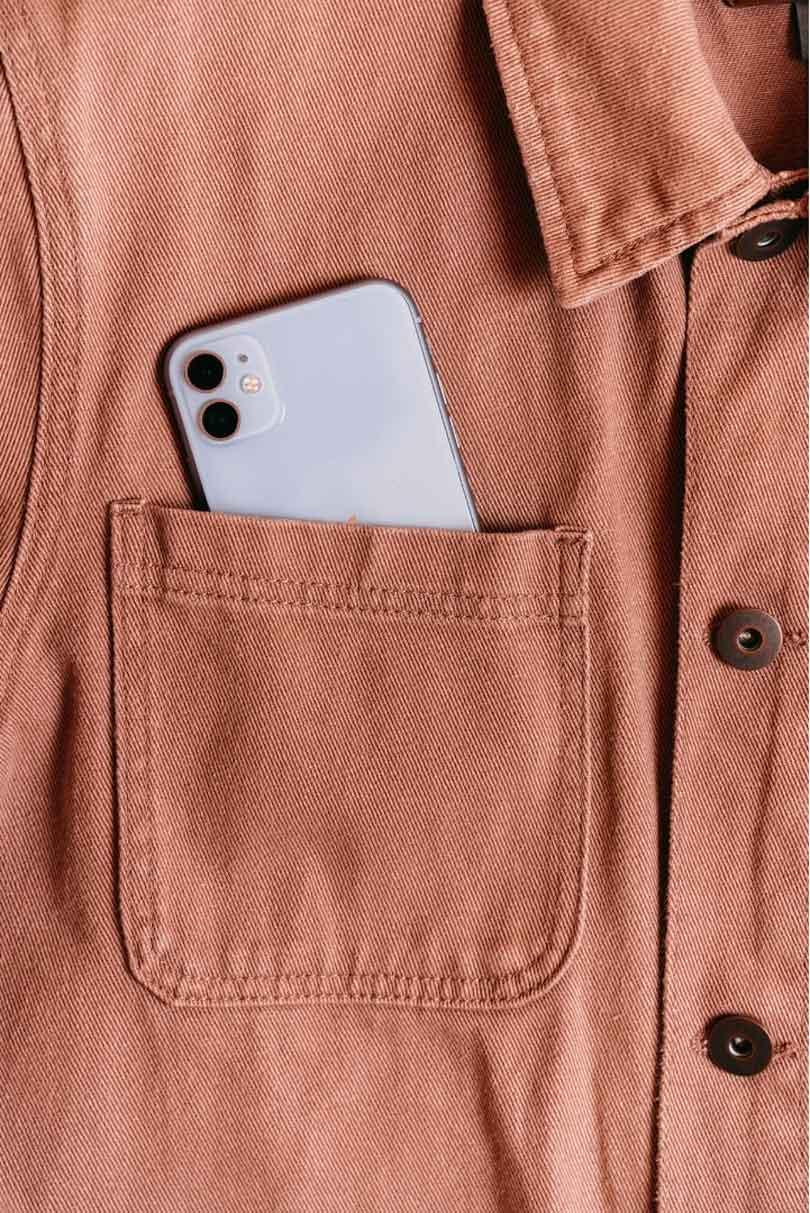
Researchers comparing men's and women's clothing have repeatedly found striking differences in pocket size and usability. Men's jeans generally accommodate phones, wallets and keys with ease. Women's jeans often struggle to fit even a smartphone. Many pockets are intentionally shallow or purely decorative, existing only to create the illusion of practicality.
This raises an interesting question. If clothing can easily accommodate functional pockets, why are they still so often omitted?
Part of the answer lies in design. Some designers argue that deep pockets create bulk or interrupt the clean silhouette of a garment. Fashion frequently prioritises visual balance over everyday practicality, particularly in clothing designed for women.
Another answer is commercial.
The global handbag industry is worth billions of dollars. When clothing lacks practical storage, consumers naturally rely on bags. Handbags have become symbols of craftsmanship, luxury and personal style, but they also fulfil a need that functional clothing could often provide.
Of course, handbags themselves are not the problem. Many are beautifully designed objects with rich cultural significance. The issue is choice. Carrying a bag should be an aesthetic preference rather than a practical necessity because clothing cannot perform one of its simplest functions.
Interestingly, whenever brands announce that a dress has deep pockets, customers respond with remarkable enthusiasm. Social media videos celebrating dresses with functional pockets regularly attract millions of views, while product reviews often mention pockets before colour, fabric or fit.
This excitement reveals something important. Consumers are not celebrating pockets because they are fashionable. They are celebrating them because they solve a problem that has existed for generations.
Fashion frequently speaks about empowerment, yet genuine empowerment sometimes lies in surprisingly ordinary details. A pocket allows someone to walk with both hands free. It provides convenience, security and confidence without demanding attention. Good design is not only beautiful; it respects the realities of everyday life.
Perhaps this explains why utility dressing has returned so strongly in recent years. Cargo trousers, oversized jackets and functional tailoring have become popular not simply because they look modern, but because they recognise that clothing should support the wearer rather than restrict them.
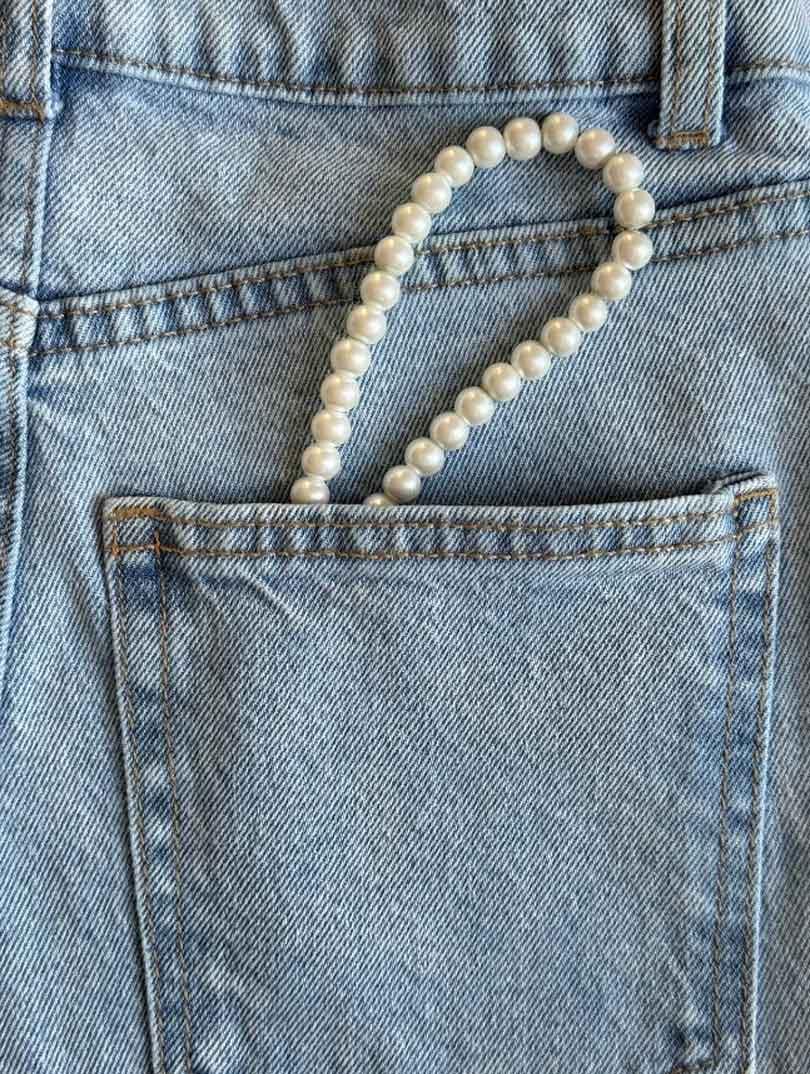
The story of pockets reminds us that fashion history is never superficial. Every seam, fastening and silhouette carries traces of culture, economics, politics and changing ideas about gender. Something as ordinary as a pocket can reveal remarkable truths about the society that created it.
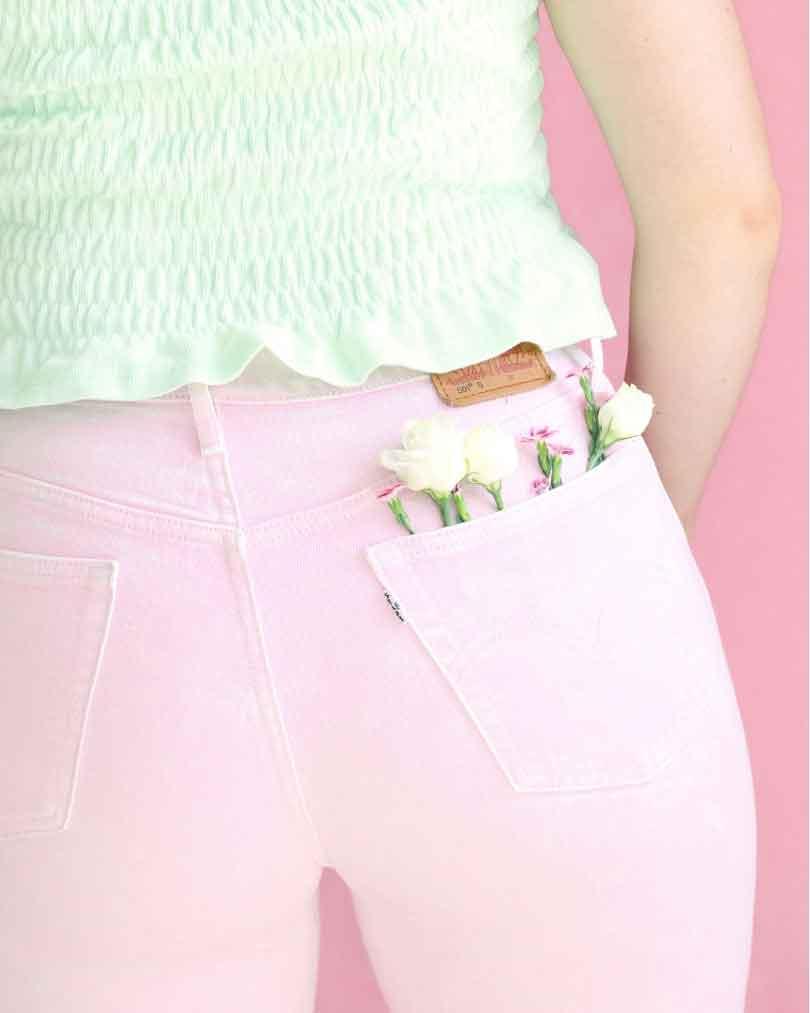
As fashion increasingly embraces inclusivity, sustainability and thoughtful design, perhaps we should ask different questions of the clothes we buy. Instead of asking only whether a garment looks beautiful, we might also ask whether it serves the person wearing it. Does it make daily life easier? Does it encourage confidence? Does it offer freedom rather than restriction?
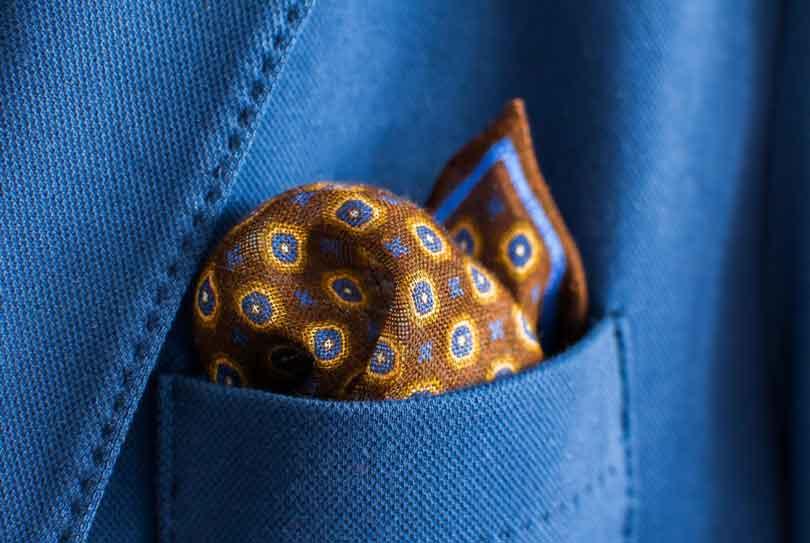
Sometimes progress is measured not through revolutionary inventions but through restoring what was quietly taken away. The next time you slip your hand into a generously sized pocket, remember that you are touching far more than a piece of fabric. You are touching centuries of changing social expectations, evolving ideas of independence and an overlooked chapter of fashion history. It is proof that even fashion's smallest details can tell its greatest stories.