Hajj: A Sacred Journey That Brings Muslims Together in Faith and Prayer
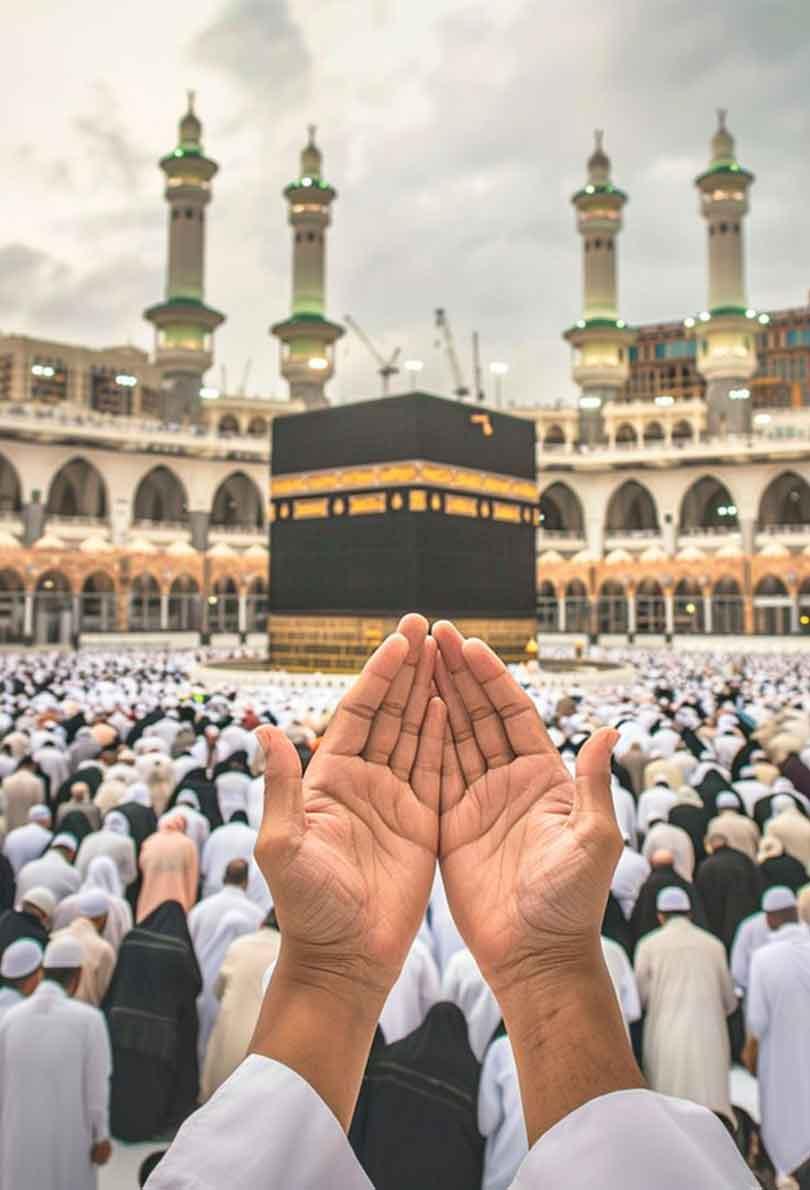
Every year, the Hajj season brings a deeply spiritual atmosphere to Muslim communities across Sri Lanka. From Colombo and Beruwala to Kattankudy, Puttalam, and Akkaraipattu, and in many other parts of the country, mosques become busier with worshippers, homes welcome visiting relatives and friends, and families prepare emotionally as loved ones leave for one of the most important journeys in Islam.
Hajj is one of the five pillars of Islam and is a religious duty that every Muslim who is physically and financially able must perform at least once in a lifetime. The pilgrimage takes place annually in the holy city of Mecca in Saudi Arabia during the Islamic month of Dhul Hijjah. Millions of Muslims from around the world gather there to perform sacred rituals that symbolize devotion, sacrifice, unity, and submission to God.
For Sri Lankan Muslims, Hajj is far more than an overseas religious journey. It is considered a major spiritual milestone that many people prepare for over several years. Some families save money for decades with the hope of sending parents or elderly family members for the pilgrimage. The opportunity to perform Hajj is often viewed as a blessing and the fulfillment of a lifelong dream.
Preparations for Hajj in Sri Lanka begin months before departure. Prospective pilgrims attend religious guidance programs organized by mosques, Islamic scholars, and Hajj travel groups. These sessions explain the rituals of Hajj, the religious responsibilities involved, and the importance of patience, discipline, and humility throughout the pilgrimage.
The Sri Lankan Department of Muslim Religious and Cultural Affairs also oversees matters related to Hajj arrangements, including pilgrim registrations and coordination with Saudi Arabian authorities. Each year, official announcements are issued regarding travel procedures and guidelines for Sri Lankan pilgrims.
One of the most emotional aspects of the Hajj season in Sri Lanka is the farewell gatherings held for departing pilgrims. Before beginning their journey, pilgrims visit family members, neighbors, and close friends to seek blessings and prayers. These gatherings are often simple yet meaningful, reflecting the close community ties found within Sri Lankan Muslim society.
Before leaving for Hajj, many pilgrims make it a point to seek forgiveness from relatives, friends, and neighbors for any misunderstandings or mistakes. This long standing practice reflects the spiritual importance of beginning the pilgrimage with a peaceful heart and harmonious relationships. It also highlights the Islamic values of compassion, forgiveness, and reconciliation.
During this season, mosques across the island conduct special sermons and religious programs focusing on the significance of Hajj and the lessons associated with it. Religious scholars often speak about the devotion and sacrifice of Prophet Ibrahim, whose story forms an important part of the pilgrimage’s spiritual meaning.
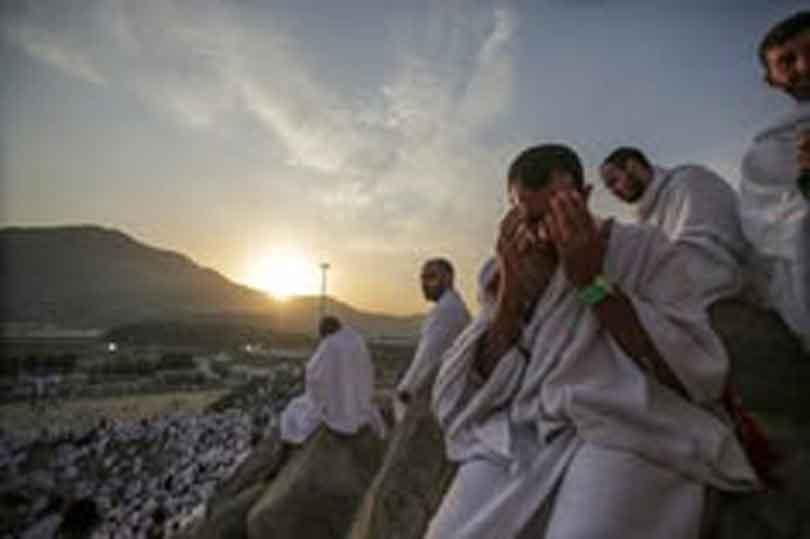
One of the strongest messages associated with Hajj is equality among people. Regardless of nationality, race, language, or social status, worshippers wear simple white garments known as Ihram and stand together in devotion. For many Sri Lankan Muslims, this becomes one of the most memorable aspects of the pilgrimage, as millions from different countries gather with a shared purpose of faith and worship.
The Hajj pilgrimage is also recognized as one of the largest annual religious gatherings in the world. Saudi Arabia’s Ministry of Hajj and Umrah manages the organization of the pilgrimage each year through extensive transportation, accommodation, medical, and safety arrangements for worshippers arriving from around the globe.
Sri Lanka annually coordinates with Saudi Arabian authorities regarding pilgrim quotas and travel arrangements. Registered travel operators assist worshippers with accommodation, transportation, and guidance throughout the pilgrimage period. Over the years, travel for Sri Lankan pilgrims has become more organized and accessible compared to earlier generations who faced long and difficult journeys.
While worshippers travel to Mecca, families and communities in Sri Lanka continue to observe the season through increased religious activities. Many spend additional time in worship and pray for the safety and acceptance of those performing Hajj. Mosques often hold collective prayers, especially during the key days of the pilgrimage.
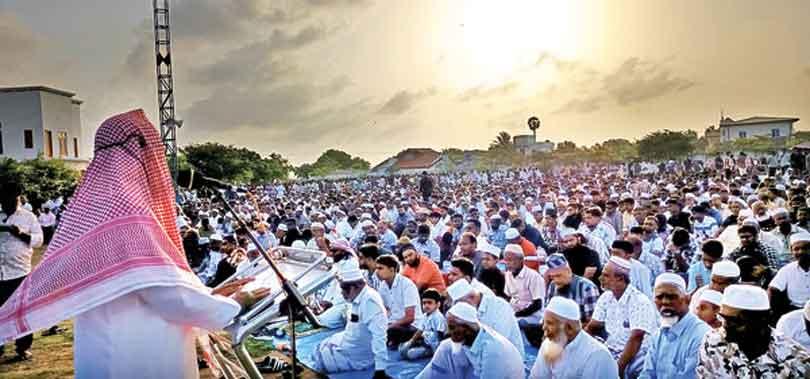
The Hajj season also coincides with Eid al Adha, one of the most significant festivals celebrated by Muslims worldwide. In Sri Lanka, Muslims gather for special Eid prayers at mosques and open grounds before spending time with family members and neighbors. The festival commemorates Prophet Ibrahim’s willingness to sacrifice his son in obedience to God’s command.
Acts of charity and sharing form an important part of Eid al Adha celebrations in Sri Lanka. Many families distribute food among relatives, neighbors, and those in need. Community organizations and mosques also organize welfare activities during this period, reinforcing the values of generosity and compassion encouraged in Islam.
The season further strengthens social bonds within Sri Lankan Muslim communities. Relatives visit one another, families gather for meals, and communities come together in reflection and worship. In many areas, neighbors assist the families of pilgrims until their return, reflecting the strong communal spirit that accompanies the Hajj season.
When pilgrims return to Sri Lanka after completing Hajj, they are warmly welcomed by relatives and community members. Homes of returning Hajis often receive visitors for several days, with people arriving to hear about their experiences in Mecca and Madinah. Pilgrims also share dates and Zamzam water brought from Saudi Arabia as gifts for family and friends.
Religious scholars frequently remind communities that the true value of Hajj lies not in social recognition, but in personal transformation. A person who completes Hajj is expected to return with stronger faith, improved character, and a greater sense of responsibility towards others. Qualities such as honesty, patience, humility, and kindness are considered among the lasting lessons of the pilgrimage.
For many Sri Lankan Muslims, the emotional impact of Hajj remains long after the journey ends. Worshippers often describe the experience of seeing the Kaaba for the first time, praying alongside millions of fellow Muslims, and visiting the holy cities of Mecca and Madinah as moments that deeply strengthen their faith.
Despite changing times and modern travel arrangements, the spiritual meaning of Hajj continues to remain unchanged. It is a journey centered on devotion, sacrifice, self reflection, and unity. In Sri Lanka, the season continues to bring communities together while highlighting the importance of faith, compassion, and social harmony.
More importantly, Hajj serves as a reminder of the shared humanity that connects Muslims across the world. Whether through prayers offered in mosques, support given to departing pilgrims, or gatherings held to welcome them home, the Hajj season continues to hold deep religious and cultural significance for Sri Lankan Muslims.
Ultimately, Hajj is not simply a physical journey to a holy place. For Muslims in Sri Lanka, it represents a spiritual experience that encourages peace, humility, forgiveness, and unity, values that remain central to both religious life and community relationships across the island.