Sri Lanka’s Ancient Sky Palace That Continues to Amaze the World
By Umasha Caldera
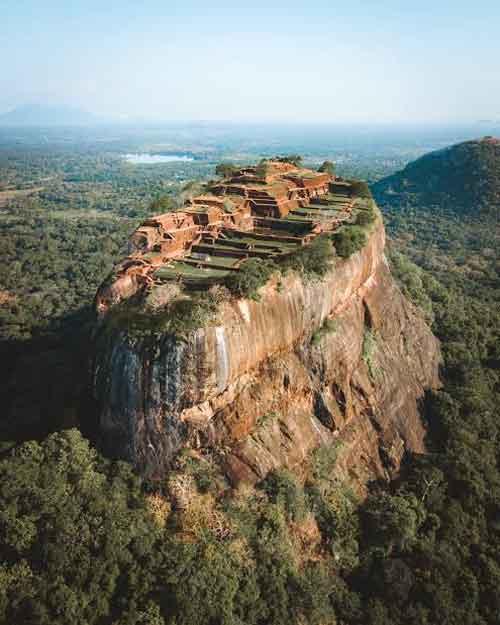
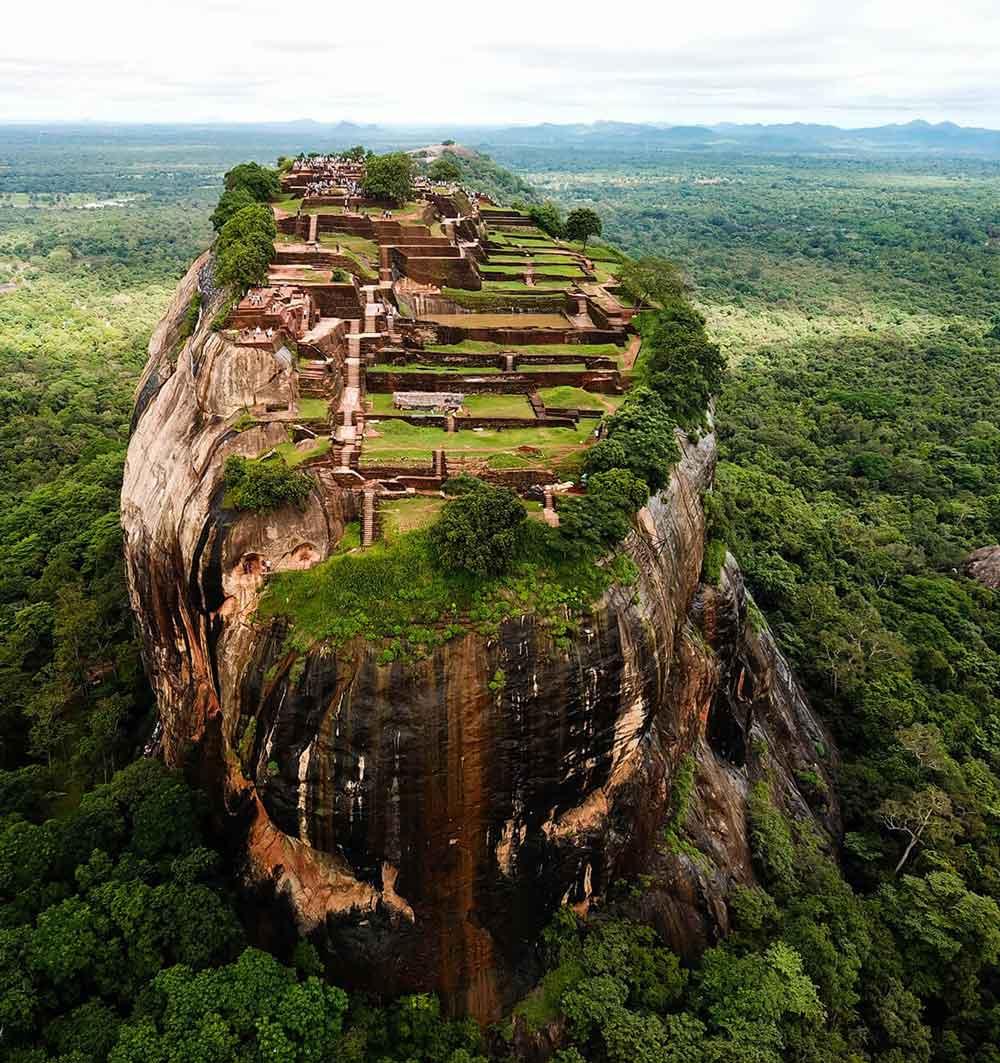
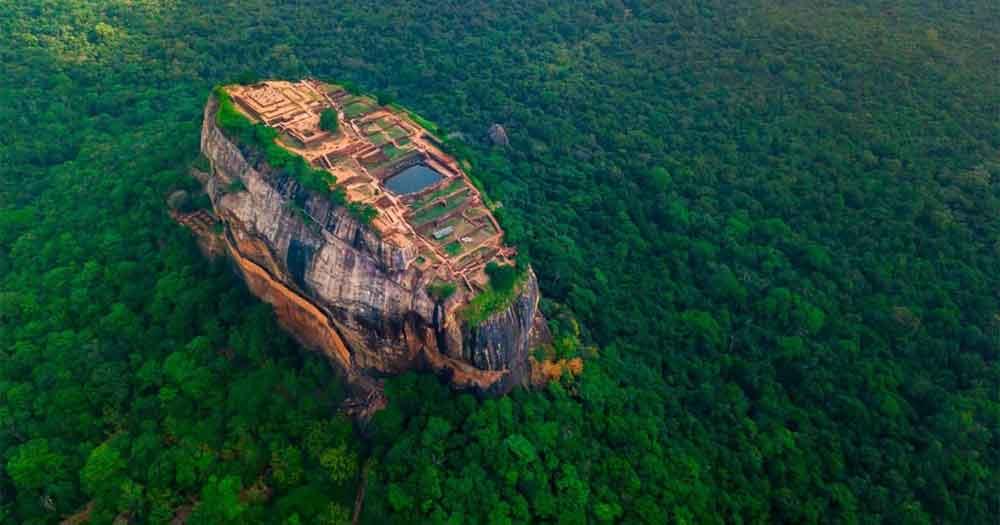
Hidden amidst the lush greenery of central Sri Lanka, a colossal rock rises dramatically above the surrounding plains, captivating everyone who lays eyes on it. This is Sigiriya, one of the country's most treasured landmarks and one of the most remarkable archaeological sites in the world. Standing nearly 200 meters above sea level, the massive rock fortress is visible from miles away, creating a breathtaking silhouette against the tropical sky. To many, Sigiriya is simply a tourist attraction, but those who visit soon discover that it is much more than that. It is a place where history, architecture, art, engineering, and nature come together to tell a story that has fascinated people for over 1,500 years.
Every year, thousands of travelers from across the globe make the journey to Sigiriya, eager to climb its famous staircases and uncover the mysteries hidden within its ancient walls. Some arrive because they have seen stunning photographs of the Lion Rock glowing under the morning sun, while others come to explore one of Sri Lanka's eight UNESCO World Heritage Sites. Yet almost everyone leaves with the same feeling: amazement. Few places in the world manage to combine breathtaking scenery with such an extraordinary historical legacy. Standing at the foot of the enormous rock, it is difficult not to wonder how an entire royal palace could have been built on its summit more than fifteen centuries ago.
The story of Sigiriya begins during the reign of King Kashyapa I, one of the most controversial rulers in Sri Lankan history. According to the ancient chronicle Mahavamsa, Kashyapa seized the throne after overthrowing his own father, King Dhatusena. Fearing revenge from his younger brother, the rightful heir Prince Moggallana, Kashyapa sought a place that could serve both as a magnificent palace and an almost impregnable fortress. His choice was extraordinary. Instead of building on flat land, he selected an enormous rock rising out of the surrounding forests and transformed it into one of the most ambitious construction projects of the ancient world.
Building a royal palace on top of such a massive rock was no small achievement. Thousands of craftsmen, engineers, architects, and labourers worked tirelessly to create a city unlike any other. They carved staircases directly into the rock, built elegant gardens at its base, constructed defensive walls, and designed sophisticated water systems that remain functional even today. At the summit stood the king's luxurious palace, complete with pools, audience halls, and living quarters that overlooked endless forests stretching to the horizon. The sheer scale of the project continues to astonish modern engineers, who often marvel at the ingenuity of those who achieved so much without the aid of modern machinery.
Before visitors even begin the climb, they are welcomed by one of Sigiriya's most impressive features: its magnificent gardens. Spread across the western side of the fortress, these gardens are considered among the oldest landscaped gardens in Asia and perhaps the finest examples of ancient urban planning in the region. Divided into water gardens, boulder gardens, and terraced gardens, they reveal a sophisticated understanding of design that was centuries ahead of its time. Symmetrical ponds reflect the sky like giant mirrors, while carefully planned pathways guide visitors through lush surroundings that still retain much of their original charm.
The water gardens are perhaps the most remarkable of all. Ancient engineers designed an intricate hydraulic system that channelled rainwater through underground pipes and stone conduits to feed pools, fountains, and streams throughout the complex. Remarkably, many of these fountains still operate during the rainy season, spraying graceful arcs of water exactly as they did more than 1,500 years ago. This extraordinary achievement demonstrates the advanced engineering knowledge possessed by ancient Sri Lankan civilizations. Long before modern plumbing existed, the builders of Sigiriya had mastered the science of water pressure and distribution with astonishing precision.
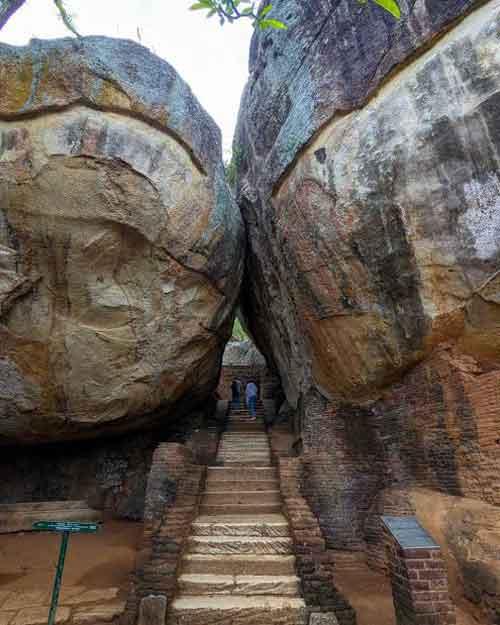
As visitors continue towards the rock, they enter the boulder gardens, where enormous natural rock formations have been cleverly incorporated into the landscape. Some of these giant boulders served as natural defensive barriers, while others were transformed into meditation shelters and meeting places. Archaeologists believe that Buddhist monks occupied parts of Sigiriya even before King Kashyapa built his palace, adding another fascinating layer to the site's long history. Walking among these ancient rocks, shaded by towering trees and accompanied by the sounds of birdsong, visitors gain a sense of the peaceful environment that existed here centuries ago.
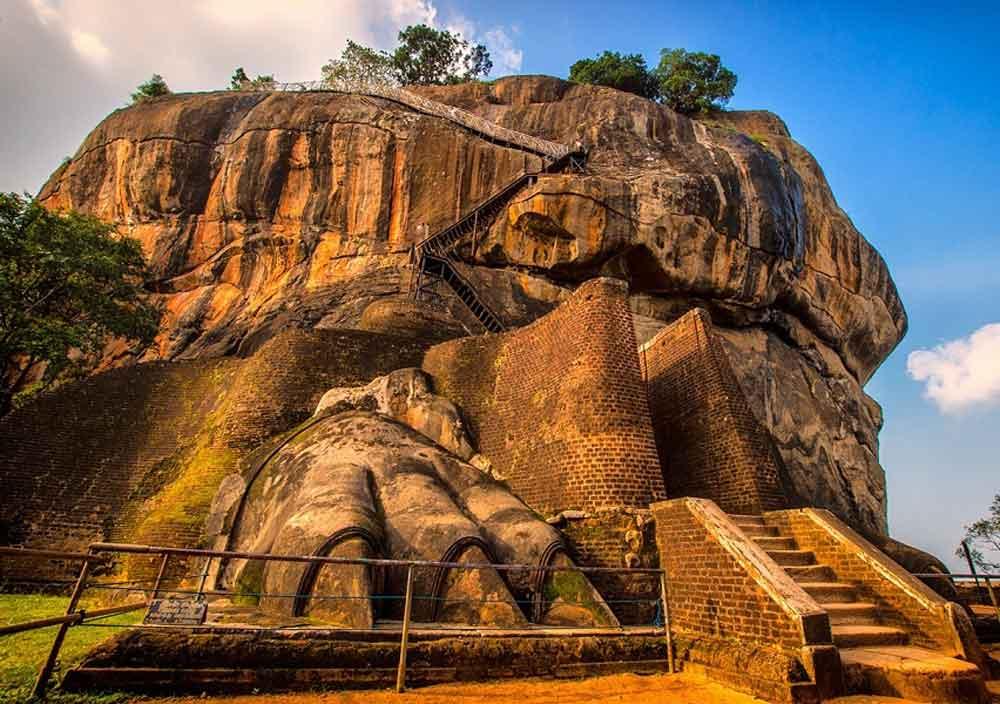
One of the most unforgettable moments of the climb arrives when visitors reach the famous Lion Gate. Today, only two gigantic stone paws remain, standing proudly on either side of the staircase leading upward. However, historians believe these paws once belonged to an enormous lion sculpture through whose open mouth visitors entered the royal palace. The lion symbolized strength, courage, and royal authority, making it the perfect guardian for the king's fortress. Even though the lion's body has long since disappeared, the massive paws continue to inspire awe. Standing beside them, it becomes easier to imagine the grandeur that once greeted visitors arriving at the palace.
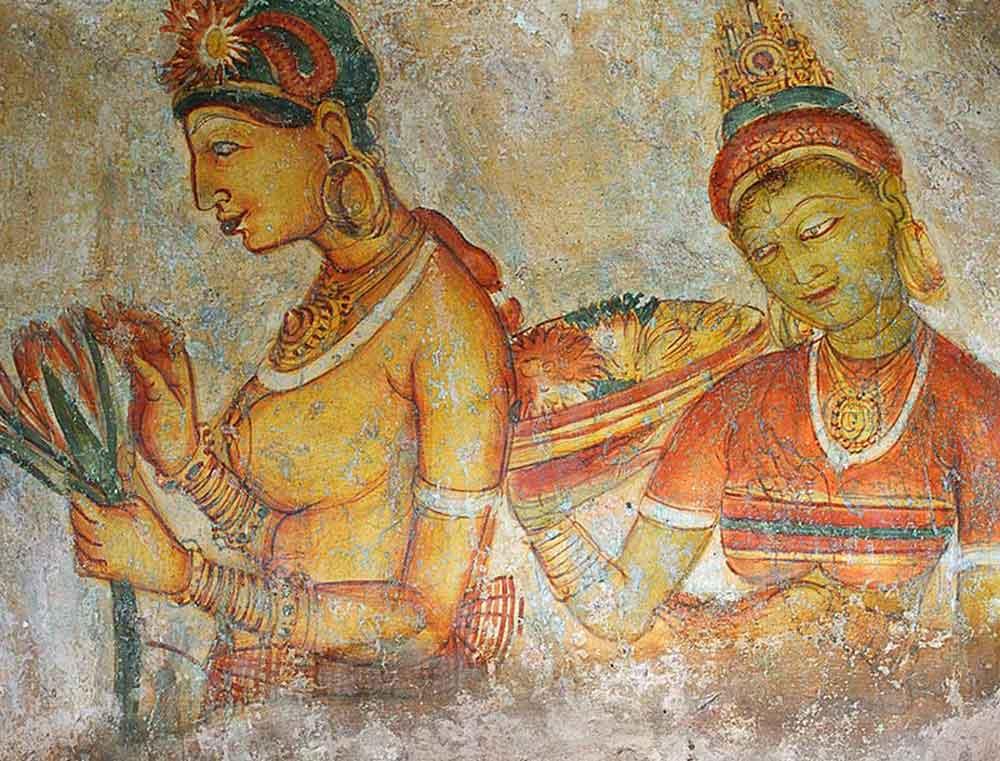
As the climb continues, visitors encounter one of Sigiriya's greatest artistic treasures the world-famous frescoes. Hidden within a sheltered section of the rock face, these colourful paintings have survived for over fifteen centuries despite exposure to changing weather conditions. The frescoes portray elegantly dressed women carrying flowers, their graceful expressions and intricate jewellery reflecting the remarkable artistic skills of ancient Sri Lankan painters. Historians continue to debate their identity. Some believe they represent celestial maidens descending from the heavens, while others suggest they were royal attendants or members of the king's court. Whatever their true identity, the paintings remain among the finest examples of ancient art found anywhere in South Asia.
Just below the frescoes lies another fascinating feature known as the Mirror Wall. Originally polished to such perfection that King Kashyapa could reportedly see his own reflection while walking beside it, the wall later became an unexpected treasure trove of history. Between the 8th and 13th centuries, visitors inscribed poems, thoughts, and personal reflections upon its surface after admiring the frescoes above. These writings, preserved for hundreds of years, provide historians with a unique glimpse into how people experienced Sigiriya long before the modern era. In many ways, the Mirror Wall became the world's earliest visitor's book, filled with messages expressing admiration, wonder, and appreciation for the beauty of the fortress.
By the time visitors reach this point in the journey, the surrounding landscape has already begun to unfold beneath them. The forests stretch endlessly towards the horizon, interrupted only by small lakes, distant villages, and occasional mountain ranges. The higher one climbs, the stronger the cool breeze becomes, carrying with it the scent of the surrounding wilderness. Every pause offers another breathtaking view, making the climb itself just as rewarding as reaching the summit. It is easy to understand why King Kashyapa believed this extraordinary rock could protect both his kingdom and his dreams.
What makes Sigiriya truly unforgettable is not simply its impressive architecture or dramatic history, but the emotions it evokes. It inspires curiosity about the past, admiration for ancient engineering, and appreciation for the natural beauty that surrounds it. Standing atop the Lion Rock, looking across endless forests while imagining the lives of kings, artists, monks, and ordinary people who once walked the same paths, creates a powerful connection between the present and the distant past. Few places in the world offer such a complete blend of culture, history, art, and nature in a single destination.
In a world filled with famous landmarks and modern attractions, Sigiriya continues to stand apart as a timeless masterpiece. It is a place where every stone tells a story, every staircase leads to another discovery, and every view reminds visitors of the incredible achievements of ancient civilizations. Whether you are a history enthusiast, a nature lover, a photographer, or simply someone searching for an unforgettable adventure, Sigiriya promises an experience unlike any other. Long after the journey ends, the image of the majestic Lion Rock rising above Sri Lanka's emerald forests remains vivid in the mind a lasting reminder that some of the world's greatest wonders are not only built by human hands but also shaped by imagination, determination, and the enduring beauty of nature.