STORYTELLING AT ITS FINEST PART II: WHEN STORIES LEARNED TO SING
BY SHALEEKA JAYALATH
Last week, we explored how humanity's earliest classrooms had no walls. Long before schools, children learnt through stories, songs and poetry. History was remembered not because it was memorised for an examination, but because it was woven into narratives that stirred the imagination. If storytelling formed humanity's first classroom, then perhaps its greatest modern expression is the musical.
Imagine trying to teach history, politics, literature, ethics, geography, music and philosophy in a single lesson. Most schools would struggle to timetable it. Yet the world's greatest musicals have been doing precisely that for generations.
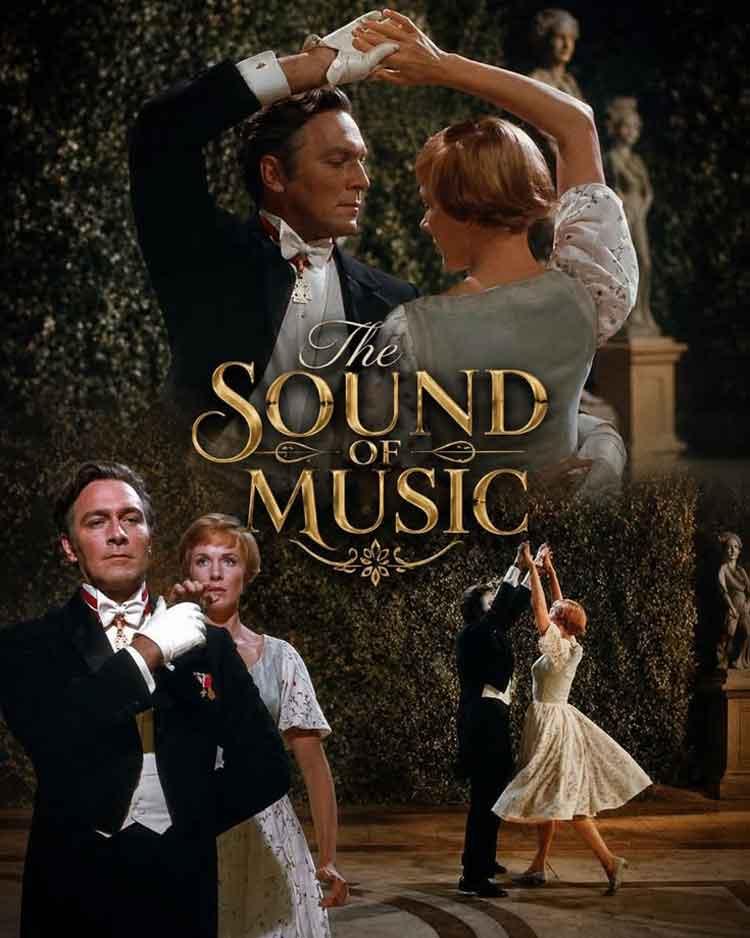
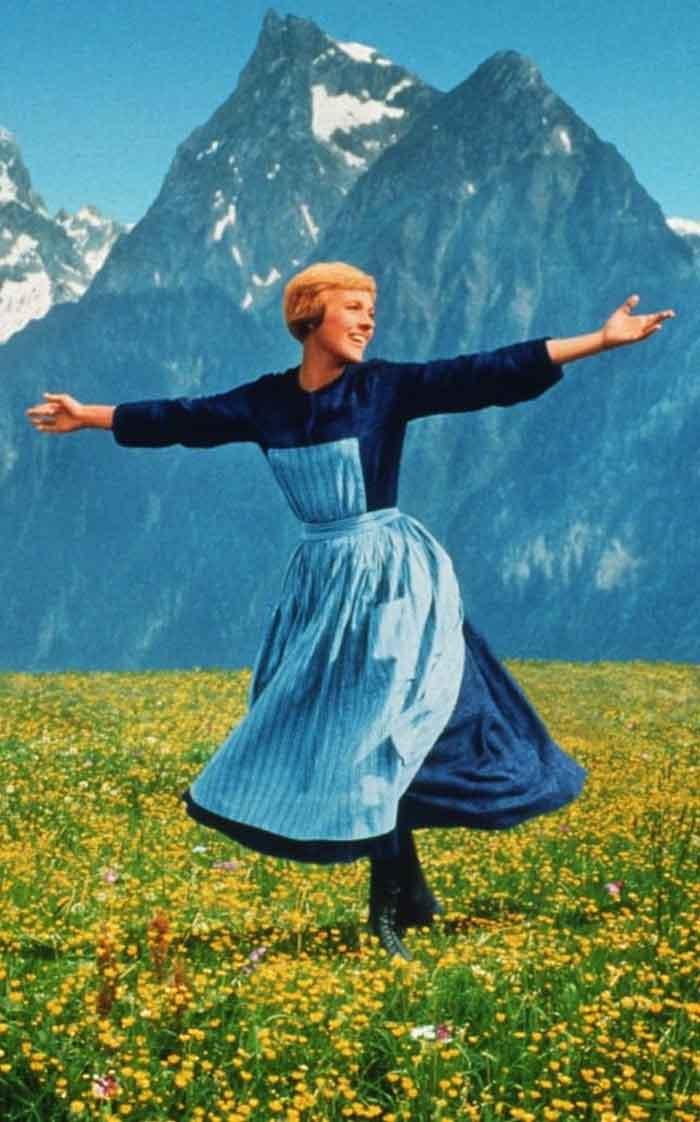
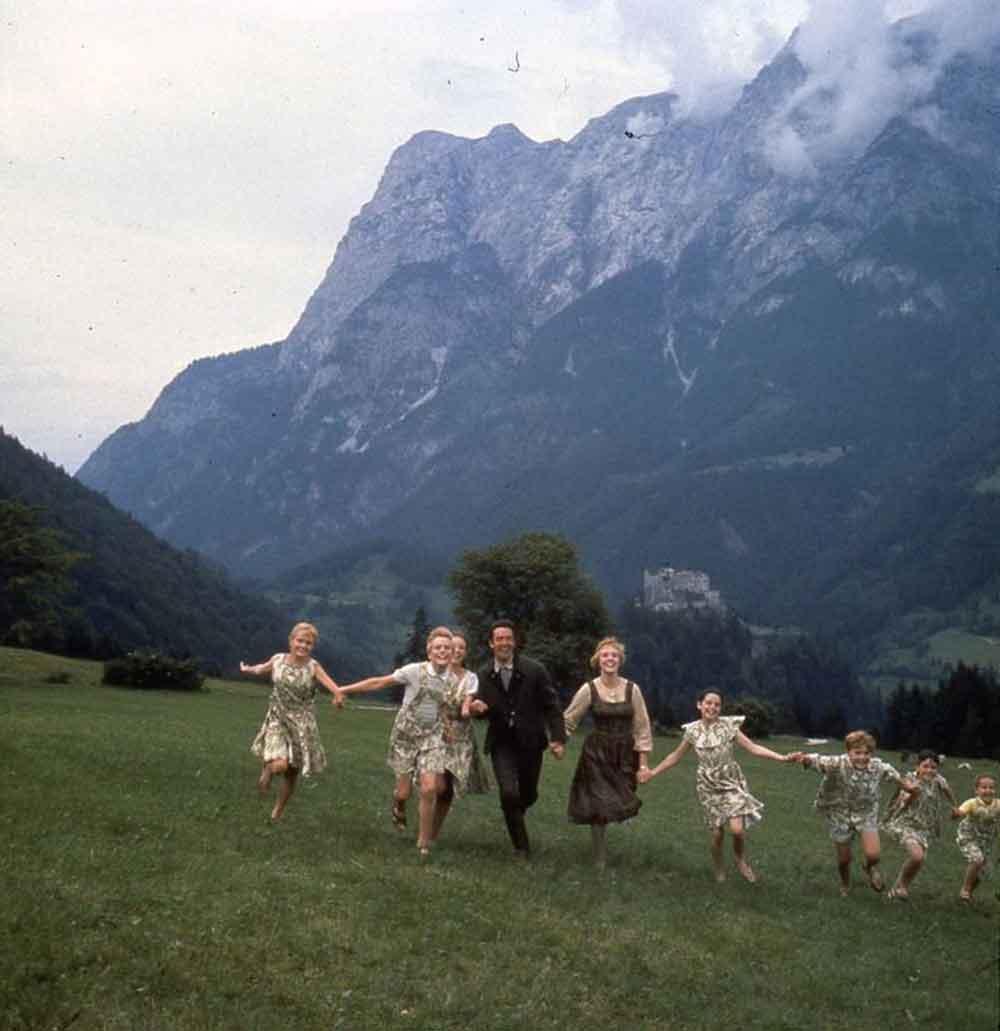
Few illustrate this better than The Sound of Music. To many, it is simply the story of a cheerful governess, seven mischievous children and a collection of unforgettable songs. Yet beneath the music lies an extraordinary true story of courage, exile and resilience. Maria von Trapp's memoir was born not from a desire for literary fame but from necessity. Having fled Austria following the Nazi annexation, the Von Trapp family rebuilt their lives in America through music. Financial hardship eventually led Maria to tell their story, a memoir that would inspire first a stage musical and then the 1965 film that almost never reached the screen.
At the time, 20th Century Fox was facing severe financial difficulties. The screenplay languished in development, critics initially dismissed the finished film as sentimental and oldfashioned, and few predicted its future. Yet audiences quietly disagreed. Families returned to cinemas again and again, introducing the film to subsequent generations until it became one of the most successful motion pictures ever made, revitalising the fortunes of the studio that produced it. The story behind The Sound of Music is, in many ways, as remarkable as the story it tells.
Its enduring appeal, however, lies in something deeper than nostalgia. Without ever opening a history textbook, millions of viewers learnt about the rise of Nazism, the annexation of Austria, the moral choices faced by ordinary families and the price of standing by one's convictions. Geography came alive in the Austrian Alps. Music became a vehicle for courage. Family became a lesson in leadership. History ceased to be a list of dates and became a story of human choices.
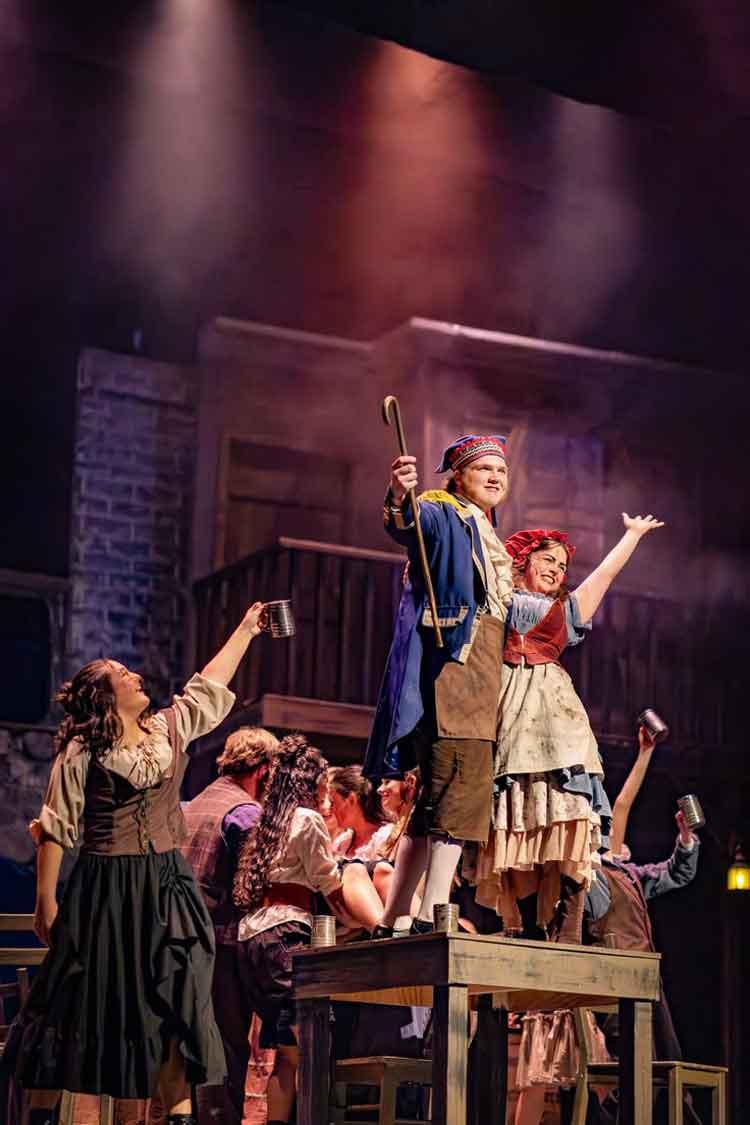
The same can be said of Les Misérables. Victor Hugo's masterpiece, transformed into one of the world's most celebrated musicals, has introduced generations to nineteenth-century France, political unrest, poverty, justice and redemption. Many who have never read Hugo's novel nevertheless understand Jean Valjean's struggle between law and morality. They have encountered the complexities of revolution, mercy and sacrifice not because they sat through a history lecture, but because they were moved by a story.
More recently, Hamilton achieved what many educators have long struggled to accomplish. It persuaded an entire generation to become curious about constitutional history, political philosophy and economics through music. Young people who might never have voluntarily opened a biography of Alexander Hamilton suddenly found themselves debating the founding of the United States, quoting eighteenth-century political arguments and exploring the lives of historical figures. History had once again found its way into popular culture, proving that education and entertainment need never be opposing forces.
Nor is this phenomenon confined to the West. Sri Lanka has long understood the educational power of musical storytelling. Professor Ediriweera Sarachchandra's Maname was never merely a stage production. Drawing upon Buddhist literature and traditional performance, it brought together music, dance, philosophy, language and cultural identity into a single artistic experience. Audiences were not simply entertained; they were invited to reflect upon duty, desire, morality and the human condition. Like the griots of West Africa and the storytellers of ancient civilisations, Maname demonstrated that the most enduring lessons rarely arrive as isolated facts. They arrive as stories.
Music has also shaped history while history was still unfolding. During South Africa's struggle against apartheid, songs became instruments of resistance, solidarity and hope. Miriam Makeba carried the voice of a nation into exile, using music to expose injustice before audiences across the world, while songs such as Shosholoza and Gimme Hope Jo'anna became symbols of resilience and unity. Long before social media campaigns and twenty-four-hour news channels, music was already educating the world about oppression and inspiring people to imagine something better.
Perhaps this is why great musicals continue to endure while so many textbooks quietly fade from memory. They recognise something that humanity's earliest storytellers understood instinctively. We learn best when ideas connect. History is inseparable from literature. Music enriches geography. Philosophy deepens politics. Ethics gives meaning to every subject we teach. Life has never arrived in neatly labelled compartments, and neither should education.
Modern educators often speak enthusiastically about thematic learning, interdisciplinary teaching and making cross-curricular connections. These are worthy aspirations. Yet as we saw last week, they are hardly new. Humanity's oldest teachers discovered long ago that knowledge is remembered not when it is divided, but when it is woven together. Every great musical reminds us of that truth.
Perhaps that is why, decades after leaving school, we may struggle to recall the details of a history lesson, yet instinctively remember Captain von Trapp refusing to bow to tyranny, Jean Valjean choosing mercy over revenge, or Prince Maname standing at the crossroads between desire and duty. The songs remain because the lessons remain.
In the end, the greatest stories have never merely entertained us. They have preserved our history, shaped our values and reminded us who we are. Long before thematic learning found its way into educational policy, storytellers had already discovered its greatest secret. The best lessons are not simply taught. They are remembered.