World Environment Day 2026: Can Sri Lanka Protect What Makes It Beautiful?

Every year on June 5, countries around the world mark World Environment Day, a global reminder of the importance of protecting the natural world. For Sri Lanka, this observance carries special significance. Known for its lush forests, scenic coastlines, diverse wildlife, and rich natural resources, the island’s environment plays a vital role in supporting livelihoods, food security, tourism, and overall well-being.
Sri Lanka’s natural beauty has long been one of its greatest assets. From the misty hills of the central highlands to the beaches that surround the island, nature is deeply connected to the country’s identity. It is reflected in the places people visit, the food they consume, the livelihoods they depend on, and the traditions they pass on from one generation to another. However, like many nations around the world, Sri Lanka faces environmental challenges that require attention and action.
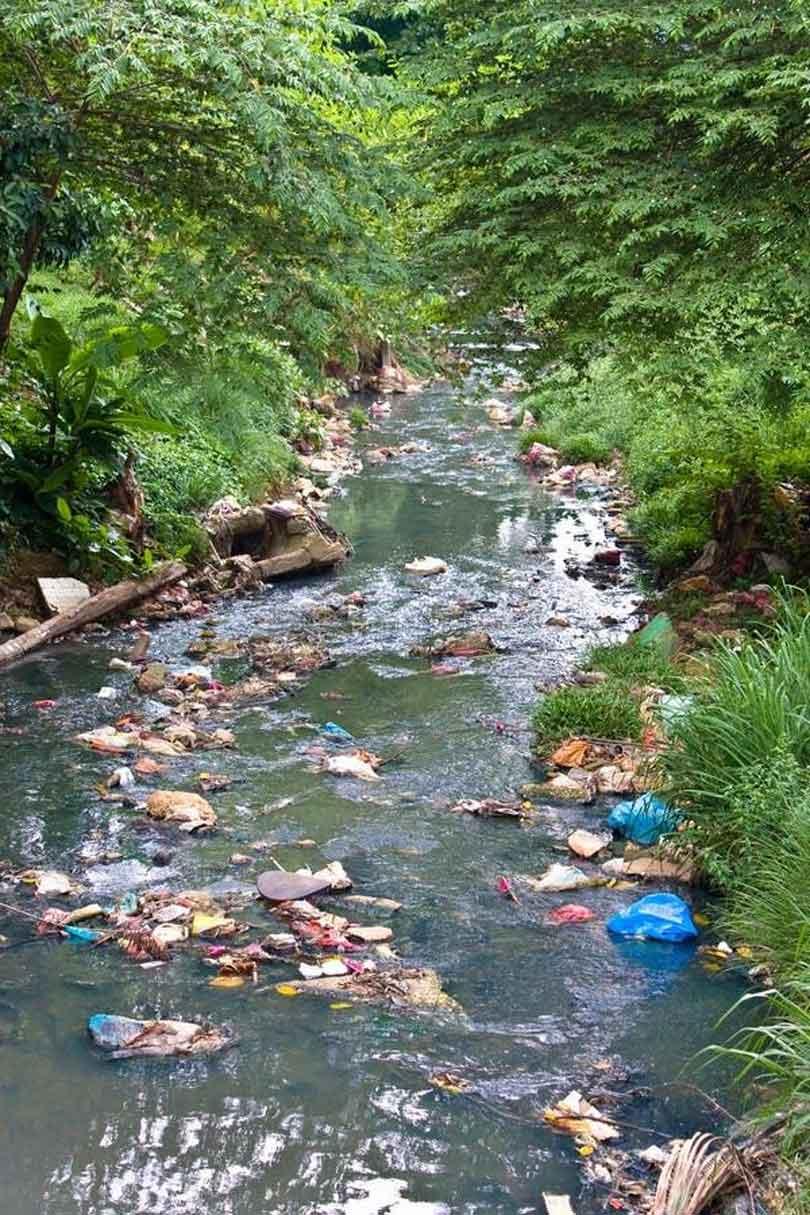
One of the most visible environmental concerns is waste management. Plastic waste can be seen in waterways, public spaces, and coastal areas. Improper disposal of waste not only affects the appearance of the environment but can also have negative effects on ecosystems. While awareness of the issue has grown over the years, managing waste remains a challenge in many parts of the country. Greater public participation, responsible consumption, and improved waste disposal practices can all contribute to creating cleaner communities.
Plastic pollution has become a growing concern globally, and Sri Lanka is no exception. Single-use plastics remain common in everyday life, contributing to environmental pollution when not disposed of responsibly. Whether it is a discarded shopping bag, food packaging, or plastic bottle, items that are used for only a few minutes can remain in the environment for much longer. Environmental campaigns and awareness programmes continue to encourage people to reduce plastic consumption and adopt more sustainable alternatives.
Climate change is another issue affecting Sri Lanka. As an island nation, the country is vulnerable to changing climate conditions. Communities across the island have experienced floods, droughts, and other weather-related challenges that can affect daily life and economic activities. These events serve as reminders that environmental issues are not distant concerns but realities that can impact homes, businesses, and livelihoods. Adapting to these changes while protecting natural resources will be an important task for future generations.
Agriculture, which supports many Sri Lankan families, is particularly sensitive to weather patterns. Farmers rely heavily on predictable rainfall and favourable conditions for cultivation. When weather patterns become less predictable, farming communities can face additional difficulties. Sustainable agricultural practices and careful management of natural resources can help strengthen resilience while ensuring that future generations continue to benefit from the land.
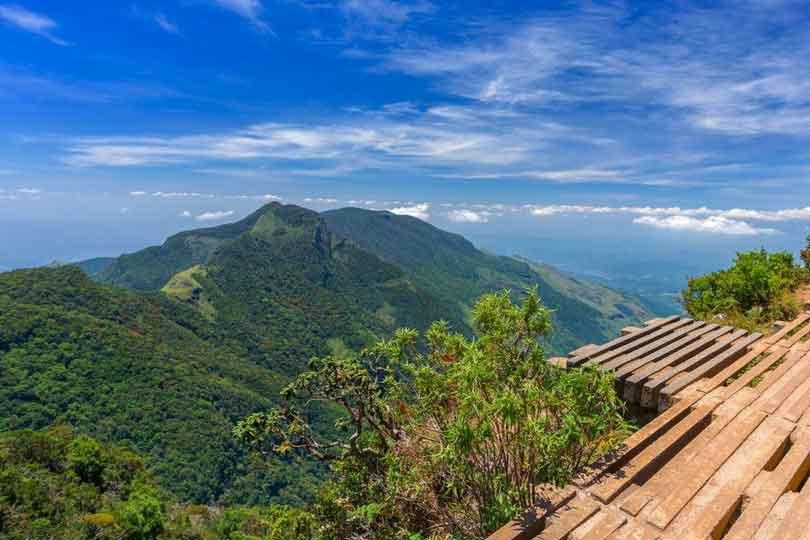
Biodiversity is another area that deserves attention. Sri Lanka is home to a remarkable variety of plant and animal species. Many of these species are unique to the island, making conservation efforts especially important. Forests, wetlands, rivers, and coastal ecosystems provide habitats for wildlife while also supporting human communities through water resources, tourism, and other environmental services.
Conservation is not only about protecting wildlife. Healthy ecosystems help regulate water supplies, improve air quality, and contribute to the overall health of communities. Forests, for example, play a vital role in maintaining ecological balance. They provide shelter for wildlife, support water catchment areas, and contribute to a healthier environment. Protecting natural habitats ensures that future generations can continue to benefit from the resources and services that nature provides.
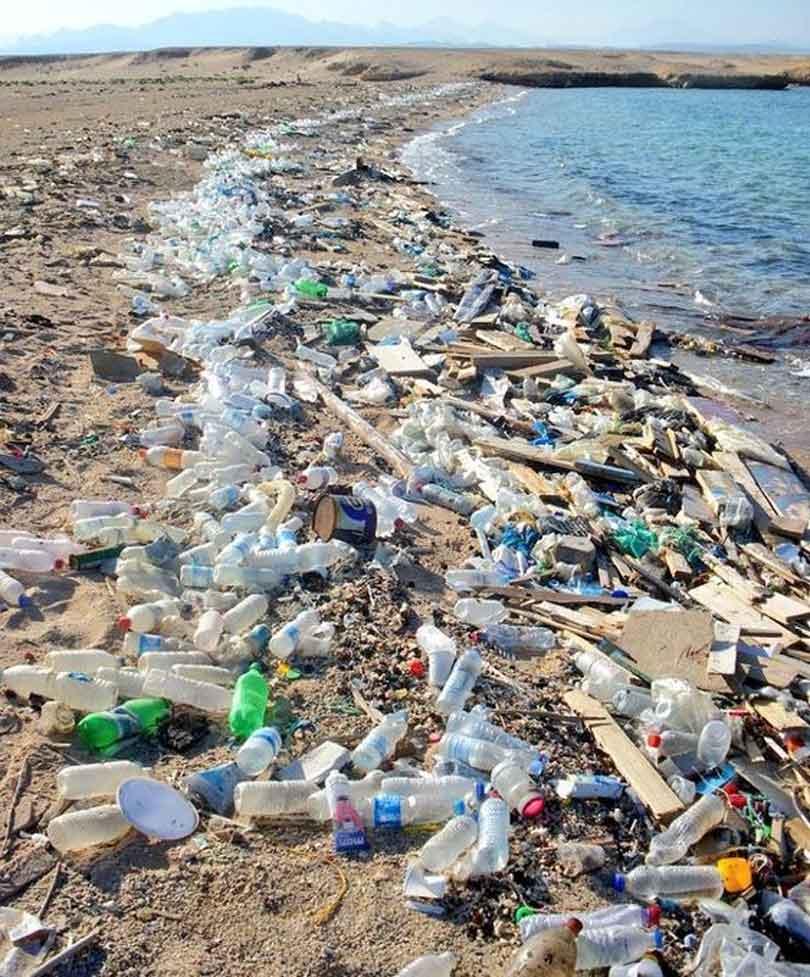
Sri Lanka’s coastal environment is equally important. The country’s beaches, mangroves, lagoons, and marine ecosystems are closely linked to tourism, fisheries, and local livelihoods. Many coastal communities depend on the ocean for their income and daily sustenance. Keeping coastal areas clean and protecting marine habitats is essential not only for environmental reasons but also for the social and economic well-being of those communities.
Human-wildlife interactions have also become an important environmental issue. As people and wildlife share limited space, conflicts can sometimes arise. Finding sustainable solutions that protect both communities and wildlife remains an ongoing challenge that requires cooperation between authorities, conservationists, and local residents. Protecting wildlife while ensuring the safety and well-being of people is a delicate balance that requires long-term planning and commitment.
Water resources are equally important. Rivers, reservoirs, and wetlands play a crucial role in supporting agriculture, industry, and households. Access to clean water is essential for both people and ecosystems. Protecting these resources from pollution and ensuring their sustainable use is important for long-term development. Responsible management of water resources can help ensure that future generations continue to benefit from them.
Despite the challenges, there are many reasons for hope. Across the country, schools, community organizations, businesses, and environmental groups continue to take steps to protect the environment. Tree-planting programmes, clean-up campaigns, conservation projects, and awareness initiatives have become increasingly common. These efforts demonstrate that environmental protection is not solely the responsibility of governments but a shared responsibility that involves every member of society.
Young people are playing an increasingly important role in environmental awareness. Through education, volunteer activities, social media campaigns, and community engagement, many are helping to promote sustainable habits and encourage positive change. Their involvement highlights the growing recognition that environmental protection is not just about the present but also about securing a better future.
The private sector is also beginning to recognize the importance of sustainability. Businesses are exploring environmentally responsible practices, reducing waste, and considering the environmental impact of their operations. While there is still progress to be made, these efforts reflect a broader understanding that economic growth and environmental responsibility can go hand in hand.
Simple actions can also make a meaningful difference. Reducing waste, avoiding littering, conserving water, using reusable products, planting trees, and supporting environmentally responsible practices are steps that individuals can take in their daily lives. Although these actions may seem small, collective efforts can contribute to broader environmental improvements.
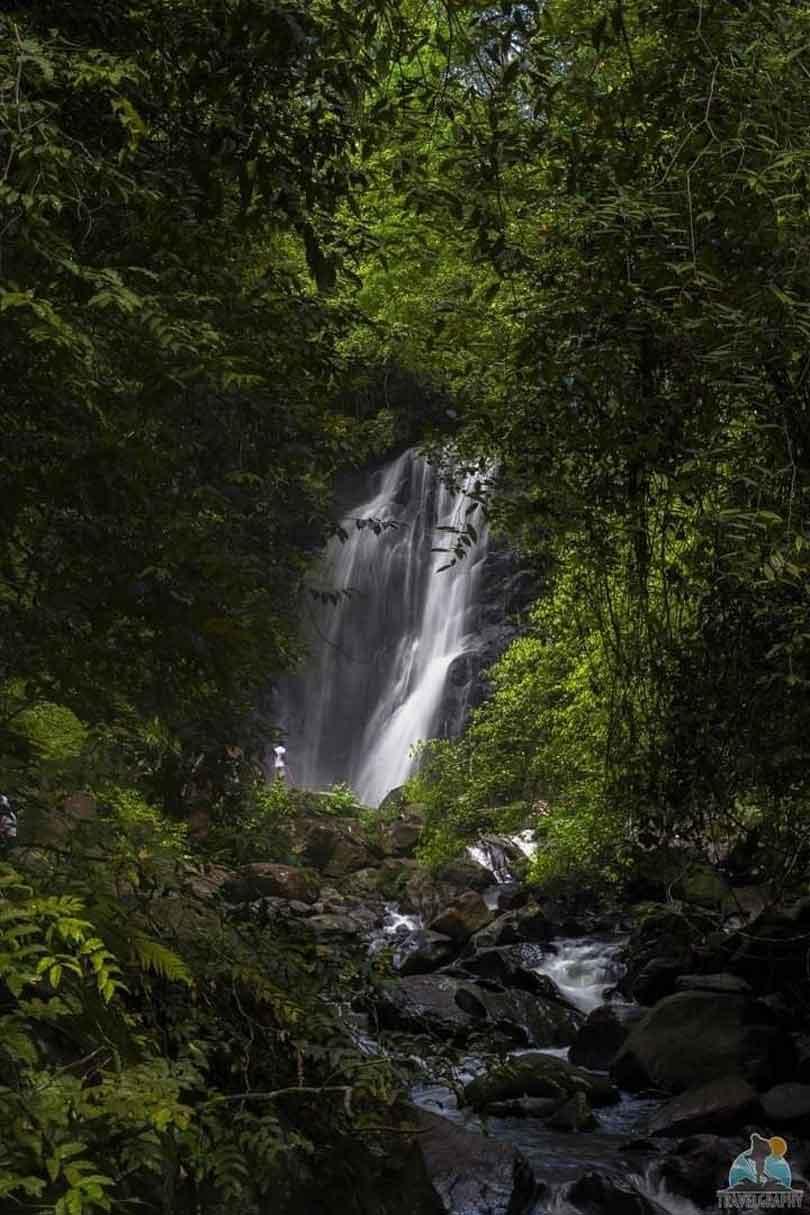
World Environment Day serves as an opportunity to reflect on the relationship between people and nature. It reminds us that economic development and environmental protection should work together rather than in opposition. A healthy environment supports healthy communities, sustainable livelihoods, and long-term prosperity.
For Sri Lanka, protecting the environment is about preserving more than natural beauty. It is about safeguarding the resources that support agriculture, tourism, biodiversity, and the quality of life of future generations. The choices made today will influence the condition of the country’s forests, rivers, coastlines, and ecosystems for years to come.
As the world marks World Environment Day on June 5, the message remains clear: protecting the environment is a shared responsibility. By working together and making sustainable choices, Sri Lanka can continue to protect its natural heritage, preserve what makes it unique, and build a healthier future for generations to come.