In Conversation with Dana Founder, Sopranos, The Irish Pub, Octopussy and Luz
By Yashmitha Sritheran
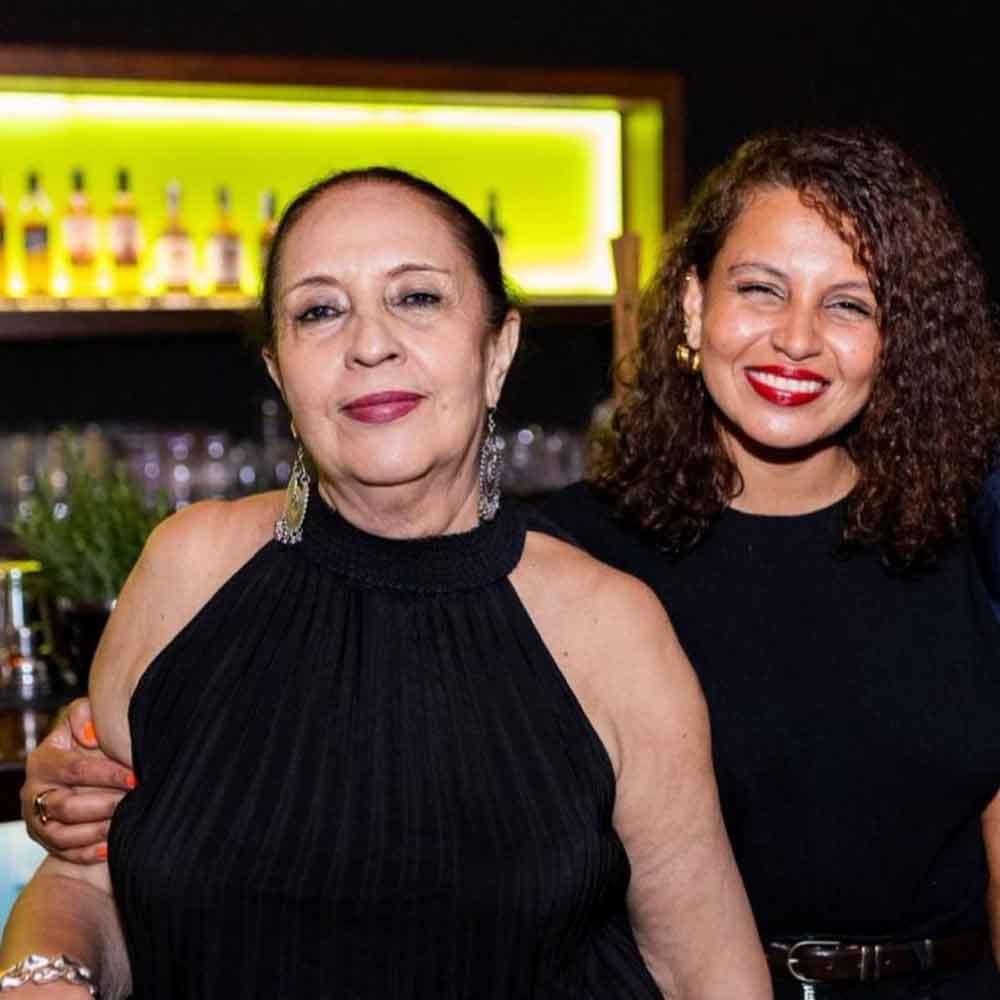
For over two decades, Dana has been shaping Colombo’s hospitality and nightlife landscape by creating spaces that are more than just venues. From the launch of Sopranos in 2003 to the creation of The Irish Pub, Octopussy, and Luz, her journey has been driven by one simple idea, creating places where people feel a sense of belonging. What began with identifying a gap in Colombo’s nightlife scene evolved into building unique experiences, each with its own personality and purpose. Sopranos became a space where people could step on stage, sing, and create unforgettable memories. The Irish Pub brought back the charm and warmth of a traditional pub experience, while Octopussy transformed into a vibrant nightlife destination by listening closely to what guests wanted. Luz, her latest concept, reflects a quieter side of hospitality, a place to unwind, enjoy a cocktail, and appreciate the beauty of a sunset. Throughout her journey, Dana has remained focused on understanding people, adapting to changing expectations, and creating spaces that feel personal rather than commercial. Her philosophy has always been that a great venue is not defined only by what it serves, but by how it makes people feel. Now, let’s take a look at her journey, the inspiration behind her iconic venues, and the lessons she has learned along the way.
What inspired you to launch Sopranos in 2003, and what was the idea behind creating a space where people could truly express themselves?
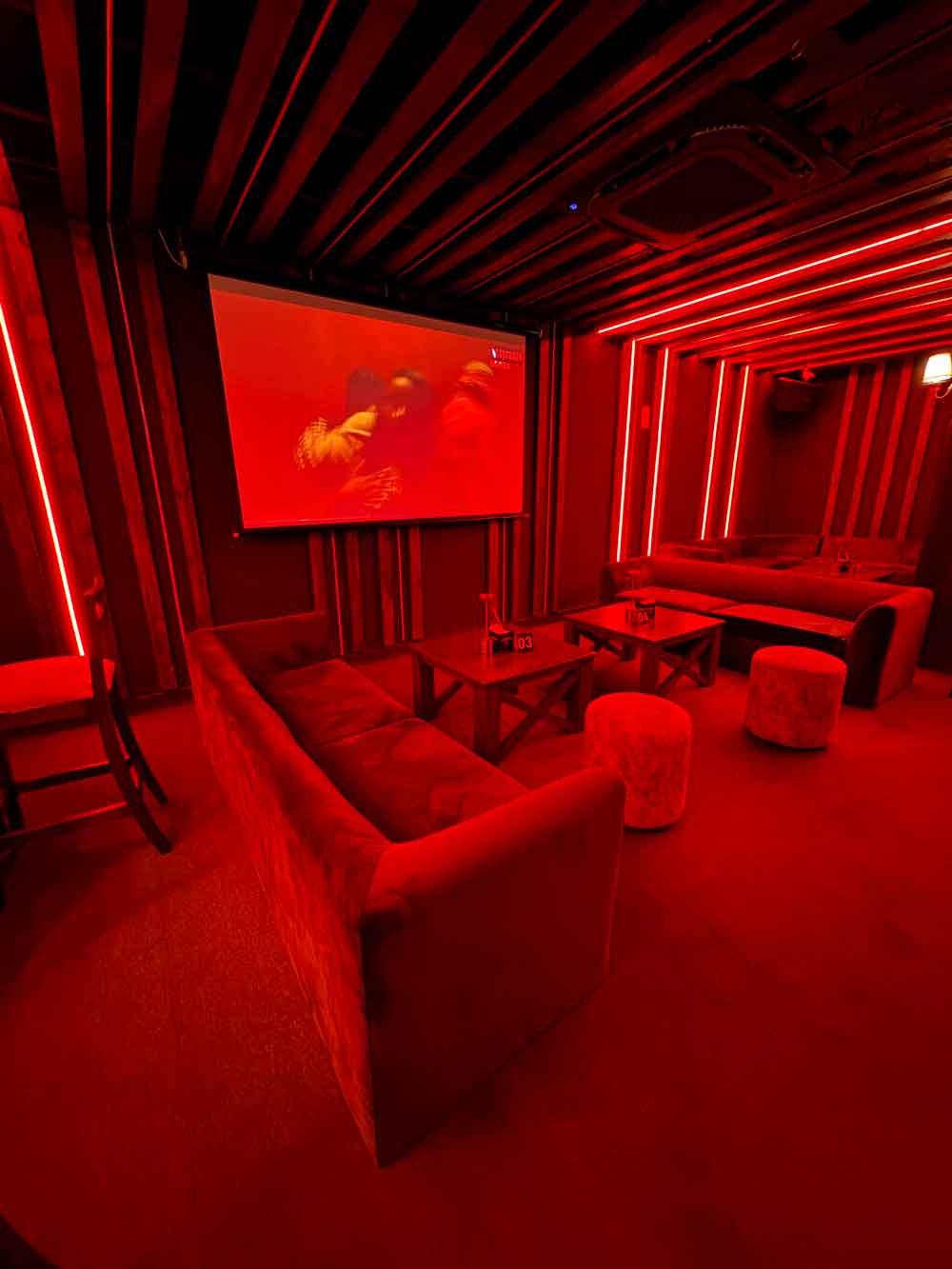
Honestly, it came from something really simple. Back then, if you wanted to go out and actually sing, there was nowhere proper to do it in Colombo. That’s it. That was the whole gap. I wanted to build a place where people didn’t have to just sit and drink, they could get up, grab a mic, be a bit ridiculous, and have the crowd cheer them on for it. Twenty plus years later, that’s still exactly what Sopranos is.
How did you create the “Home Away From Home” feeling that has become such an important part of the Sopranos experience?
You can’t manufacture that, you have to build it slowly, night after night. It comes down to remembering people, remembering their song, their usual table, their drink. We never wanted anyone to feel like a customer walking into a business. We wanted them to feel like they were walking into somewhere they already belonged. That’s the whole idea behind the slogan, and it’s still the standard I hold the team to today.
Over your two decades in the hospitality industry, how have you seen Colombo’s nightlife scene evolve and transform?
It’s changed a lot. People are far more discerning now, they travel more, they’ve seen what’s out there, and they expect that same level of experience at home.
The city has gone from having a handful of go-to spots to having real variety, different concepts for different moods and different nights. What hasn’t changed is that people still want a place where they feel looked after. That part will never go out of style.
What was your vision behind creating The Irish Pub, and what made you want to bring that particular experience back to Colombo?
When Clancy’s closed, Colombo genuinely lost something. It wasn’t just a bar, it was an institution, and there was a real gap left behind for people who wanted that specific kind of night out. I wanted to bring that back properly, not a diluted version, but an actual Irish pub, right down to the details in the wood and the lighting. I believed there was demand because I could feel it myself, I missed having somewhere like that to go.
What elements do you believe create an authentic pub experience rather than making it just another bar in the city?
It’s in the details people don’t consciously notice but definitely feel. The dark woods, the warm lighting, the layout that pushes people to actually talk to each other instead of just staring at their phones. We were very deliberate about creating that proper, moody, old-world pub atmosphere. It’s easy to slap an Irish flag on a wall and call it a pub. It’s much harder to make people feel like they’ve actually stepped into one.
Why did Octopussy evolve from being a cocktail and tapas bar into becoming a nightlife destination?
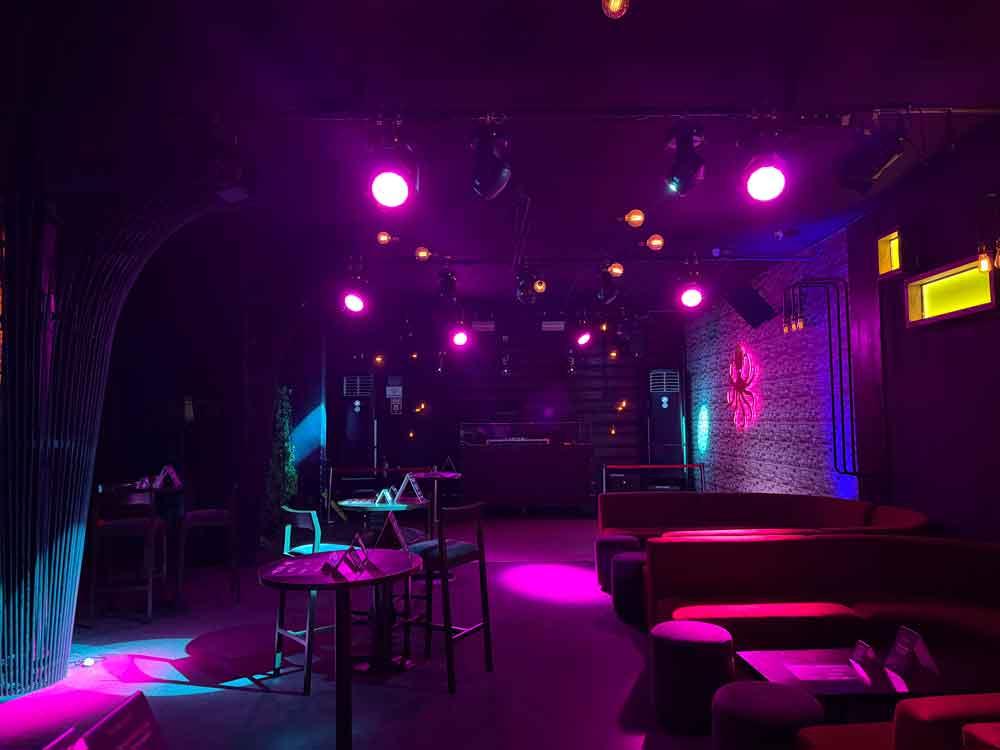
We started Octopussy as a cocktail and tapas concept, and it did well, but the more we watched the crowd and listened to what they wanted on a night out, the more obvious it became that there was a bigger opportunity sitting right in front of us. So we shifted the music policy and leaned into it. It wasn’t a change I planned from day one, it was the market showing us where it wanted to go, and we were smart enough to follow it.
How important has listening to customer feedback been in shaping and developing your different venues?
It’s everything, honestly. Octopussy is the clearest example, that whole evolution happened because we paid attention to our guests instead of sticking stubbornly to the original plan. I’d rather adapt and stay relevant than protect an idea just because it was mine to begin with. The people walking through the door every night are always the best consultants you’ll ever have.
How do you create a unique identity for each venue while ensuring that every space remains memorable to guests?
Each of my venues has to earn its own personality. Sopranos is about performance and nostalgia. The Irish Pub is about tradition and warmth. Octopussy is about energy and music.
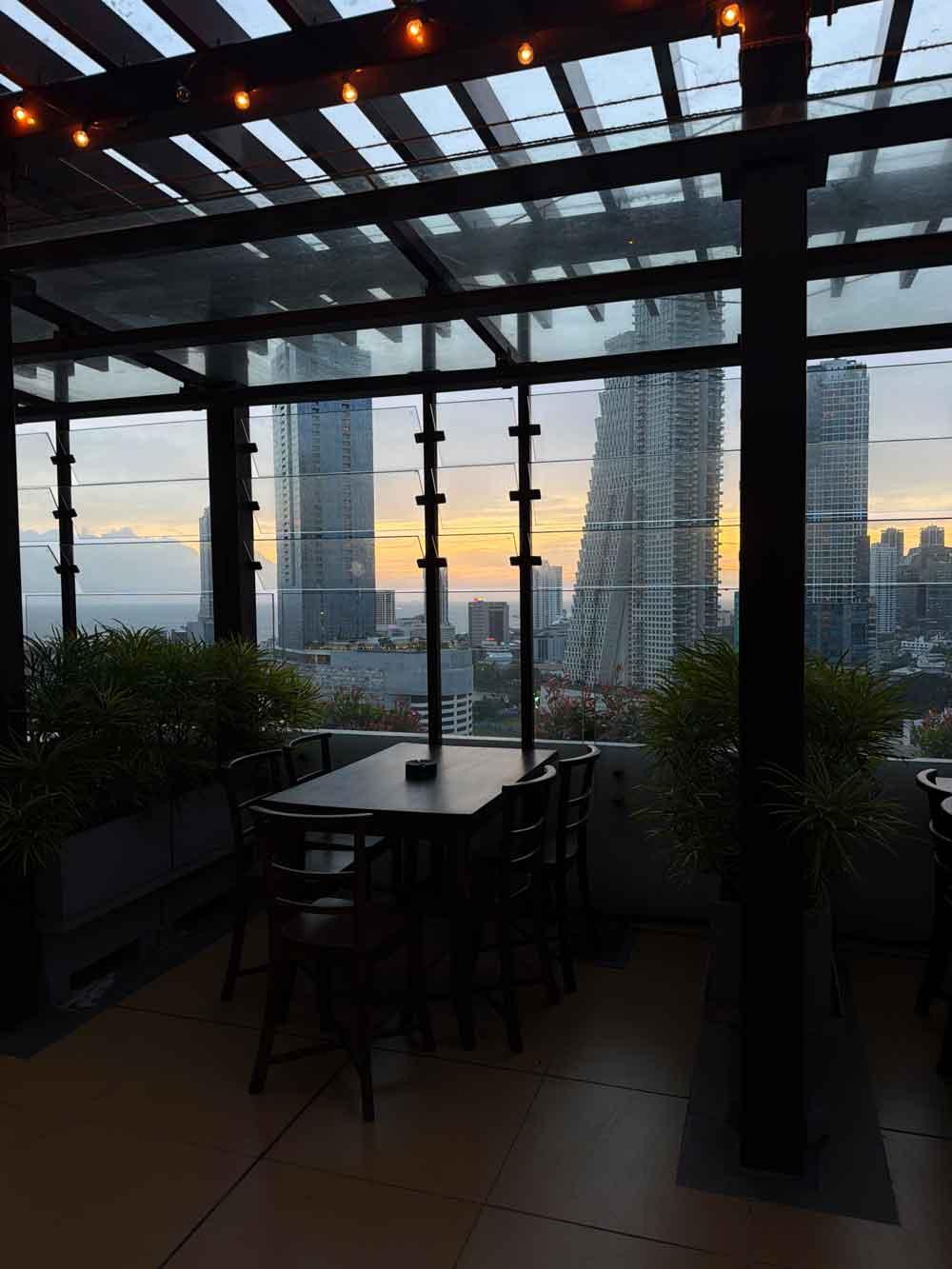
Luz is about slowing down and watching the sky change colour. I never wanted four versions of the same idea; I wanted four completely different reasons for someone to leave the house on any given night.
What inspired the concept behind Luz, and what did you want people to experience when they visit?
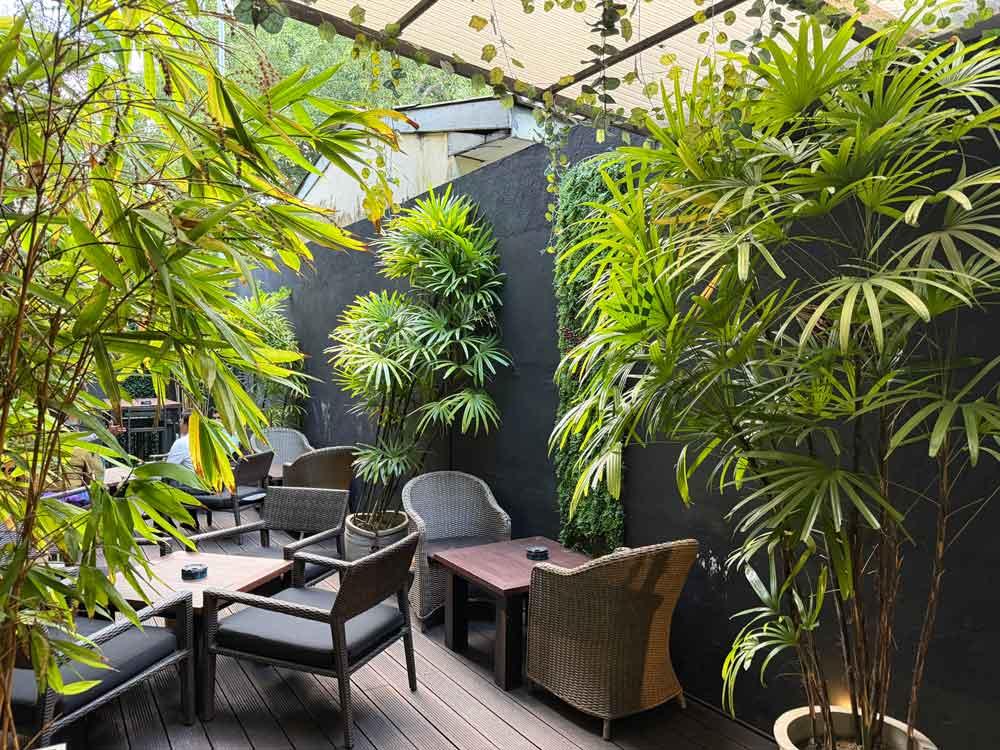
Sometimes you don’t want a big night out, you just want somewhere nice to sit, watch the sun go down, and have a proper cocktail without any of the noise. That’s exactly what Luz is. It’s the calmest of everything I’ve built, and honestly, it’s the one that reminds me why I got into hospitality in the first place, creating a moment for people, not just a venue.
What have been some of the biggest challenges you have faced while managing multiple venues, and what lessons have those experiences taught you?
Running four venues with four completely different identities means you’re never really allowed to switch off, you’re constantly having to think in four different languages at once. The biggest lesson has probably been learning when to hold onto an original vision and when to let it evolve, Octopussy taught me that better than anything else. Consistency matters, but so does having the humility to change course when the crowd tells you to.
In your opinion, what transforms a venue into a genuine destination rather than just another place to eat or drink?
It’s when people stop describing it by what it serves and start describing it by how it makes them feel. Anyone can pour a drink or plate up food. What you can’t fake is that feeling of familiarity, of being remembered, of having a place that feels like it’s yours even though it belongs to everyone. That’s the line between a venue and a destination.
Looking ahead, what are your plans for the future, and how do you see Colombo’s hospitality scene evolving in the years to come?
I want to keep building spaces that genuinely mean something to the people who walk through the door, rather than just chasing whatever’s trending. Colombo’s hospitality scene is only going to keep growing and getting more sophisticated, and I think there’s real room for more concepts that are personal and specific rather than generic. As for me, I’m just excited to keep creating rooms people want to belong to.