Culture, Communication, and the Great Sri Lankan Amnesia
I sat for my first semester final year examination last Saturday, armed with two of my favourite pens, a bottle of water, and the kind of optimism that only exists before you actually open the paper. And there it was, staring right back at me like it had been waiting its whole life for this moment: “Role of Communication in Culture and Cultural Transmission.” A question so simple on the surface, yet so deeply ironic in context that it made me pause, not because I didn’t know the answer, but because I wasn’t entirely sure we, as a country, are living it.
Sri Lanka, a nation that proudly declares its 78 years of democracy, wears its cultural diversity like a badge, polished on Independence Day, paraded during festivals, and then quietly tucked away for the rest of the year. We love the idea of culture. We romanticize it. We post about it. We hashtag it. But do we actually communicate it? Do we transmit it meaningfully? Or are we just performing it in fragments, like a half-rehearsed school play? Because if communication truly is the vehicle of culture, as every textbook, lecturer, and probably that one overenthusiastic classmate insists, then we have to ask: what exactly are we communicating?
From where I sit (usually doom-scrolling through social media or switching through television channels in search of something that isn’t painfully repetitive), the answer seems to be: not much. Mass media in Sri Lanka, which should ideally function as a bridge between generations, communities, and histories, feels more like a broken loudspeaker stuck on loop. Cultural programming? Rare. Consistent cultural discourse? Even rarer. And when it does appear, it often arrives wrapped in the safest, most palatable form possible, cooking shows.
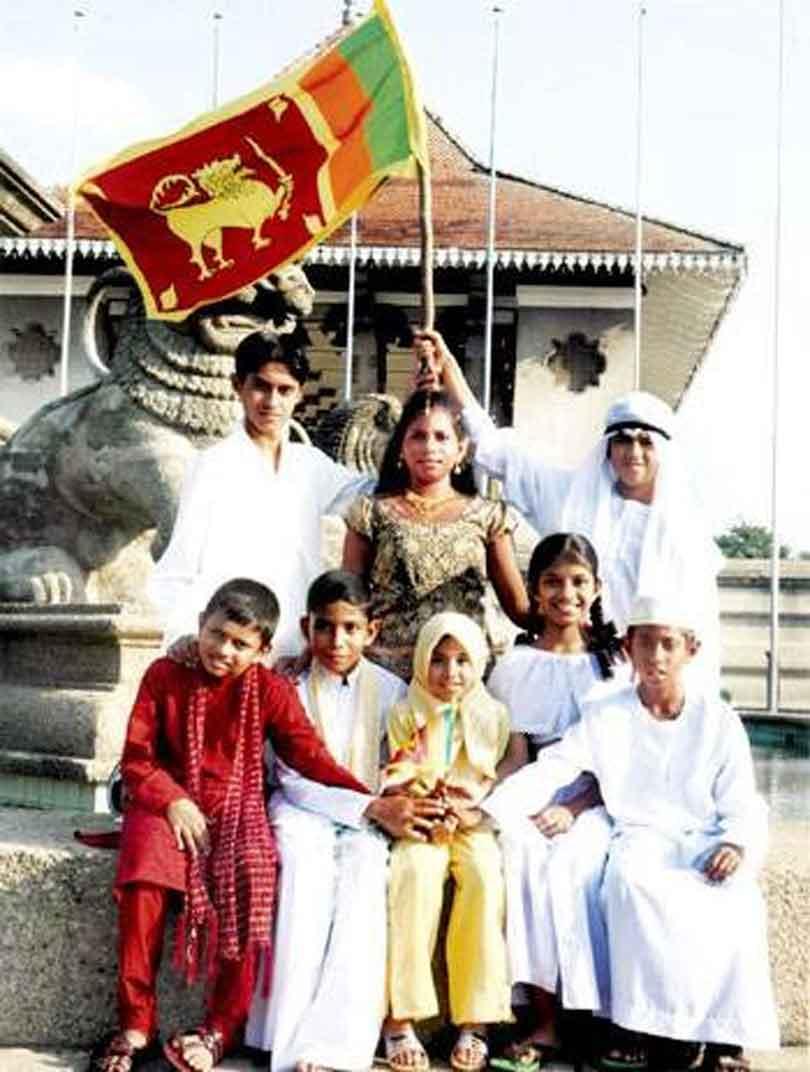
Now, don’t get me wrong. I love a good kiri-bath tutorial as much as the next person. But if the primary way we choose to communicate culture is through recipes, then we are essentially reducing centuries of identity, belief systems, languages, art forms, and lived experiences into… ingredients and measurements.
- “Add two teaspoons of tradition.”
- “Simmer your heritage until it becomes digestible.”
It’s almost poetic, if it weren’t so tragically insufficient.
And then we sit back, perplexed, wondering why so many young people and let’s be honest, quite a few adults, seem disconnected from the very cultures they claim to belong to. Why do they misunderstand religious sensitivities? Why do they trivialize minority experiences? Why does empathy feel like a foreign concept in online discussions? Scroll through any comment section on social media, and you’ll find your answer; raw, unfiltered, and often deeply uncomfortable. Ignorance, casually dressed as opinion. Prejudice and disrespect, disguised as humour. And a glaring lack of awareness that doesn’t come from malice alone, but from something perhaps more concerning: absence.
- An absence of communication.
- An absence of education.
- An absence of consistent cultural exposure.
Because culture is not something you suddenly remember during Vesak, Ramadan, Christmas, Thai Pongal or Easter. It is not seasonal. It does not operate on a calendar. Culture is lived, experienced, questioned, and most importantly communicated. And communication, contrary to popular belief, is not just about speaking. It is about storytelling. It is about representation. It is about visibility. It is about making space. But what happens when the spaces that are meant to carry these stories, television, radio, newspapers, digital platforms, choose convenience over responsibility?
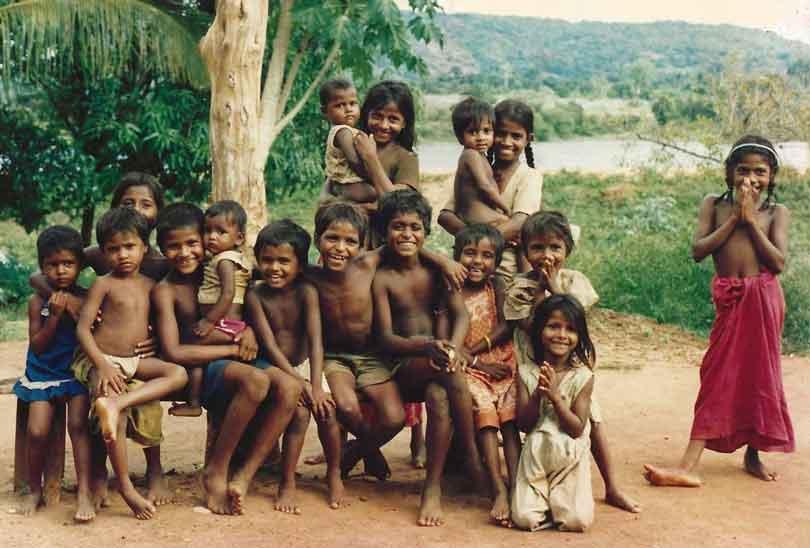
We get silence. Or worse, we get noise.
- Noise that entertains but does not educate.
- Noise that fills time but not minds.
- Noise that keeps us occupied but not informed.
And in that noise, culture slowly begins to fade into the background, becoming something, we reference rather than something we understand.
There’s also a certain irony in how we approach “cultural awareness” in Sri Lanka. It often feels like a last-minute assignment, rushed, surface-level, and conveniently timed. A special segment here. A themed programme there. Usually triggered by an upcoming festival or a trending topic. Calling other nationals’ “brother” and “sister” during a festive season feels heartwarming on the surface, almost poetic in its unity. But strip it down, and it starts to feel a little… performative. Because what does that label really mean if you don’t understand what shapes their lives? Their beliefs, their struggles, their traditions, their boundaries? If you only acknowledge someone’s identity when it’s convenient, when it’s festive, aesthetic, and socially acceptable, then you’re not building unity. You’re rehearsing it.
It’s almost as if culture needs a reminder notification to exist. But real cultural transmission doesn’t work like that. It cannot be crammed into a one-hour programme or reduced to a festive montage. It requires consistency. It requires intention. It requires effort. And most importantly, it requires honesty. Because let’s face it, Sri Lanka’s cultural landscape is not just beautiful; it is also complex. It carries histories of coexistence and conflict, unity and division, pride and pain. To communicate culture authentically means acknowledging all of it, not just the aesthetically pleasing parts. And within that complexity lies a community we conveniently overlook, the Vedda (Wanniya-laetto).
The very first people of this island. The original storytellers of this land. And yet, somehow, also the most silenced. The Vedda or Wanniya-laetto, are not just a footnote in a history textbook or a “fun fact” thrown into a school quiz. They are a living, breathing community with traditions, languages, and ways of life that predate everything we now call “Sri Lankan culture.” And still, ask the average student, or even an adult, what they know about them, and you’ll likely be met with vague answers, stereotypes, or worse, complete ignorance.
Why? Because we don’t communicate their stories. We don’t see programmes dedicated to their way of life, their struggles, their identity in a rapidly modernizing world. We don’t see consistent representation in media that treats them as anything more than a cultural curiosity. At best, they are exoticized. At worst, they are erased. And that erasure is not accidental, it is systemic. When communication fails, entire communities disappear from public consciousness. And here’s the uncomfortable truth: it’s not just the media that is responsible.
- Parents.
- Religious Leaders.
- Teachers.
- Institutions.
They all play a role in cultural transmission. In fact, they are supposed to be the first communicators of culture. The first storytellers. The first educators. But somewhere along the way, that responsibility has been diluted. How many parents actively teach their children about the indigenous communities of their own country? How many teachers go beyond the syllabus to explain not just who the Vedda are, but why they matter? How many classrooms create space for discussions about cultural diversity that go beyond surface-level facts?
Not enough. Instead, we raise generations that can recite historical dates but cannot understand historical people. That can identify festivals but cannot appreciate their significance. That can scroll endlessly but cannot engage meaningfully.
And then we wonder why empathy is in short supply.
- Because empathy is learned.
- Awareness is taught.
- Respect is communicated.
And when those lessons are missing, the consequences show, loudly, in the way people think, speak, and interact. Especially online. Social media, that great equalizer, has become a stage where ignorance performs without consequence. And while it’s easy to blame “the youth” for this, the truth is far less convenient.
- They didn’t arrive at these mindsets on their own.
- They inherited them.
- Or worse, they were never given anything better to inherit.
So yes, the media needs to do better. It needs to move beyond safe, repetitive content and take on the responsibility of educating as well as entertaining. It needs to create space for voices that are often ignored, including those of indigenous communities like the Vedda. But equally, homes and classrooms need to step up. Because cultural transmission doesn’t start on television screens. It starts in conversations. Around dinner tables. In classrooms. In the stories we choose to tell, and the ones we choose to ignore. We cannot outsource culture entirely to media and then complain when it fails us.
It’s a collective responsibility. And right now, it feels collectively neglected. That question in my exam paper wasn’t just asking for a definition. It was asking for reflection. And the more I think about it, the more I realize, we are not lacking culture in Sri Lanka. We are lacking communication about culture. And until we fix that, we will continue to live in this strange contradiction, a country rich in heritage, yet poor in understanding it. A country full of stories, yet silent where it matters most. Maybe it starts small. Maybe it starts with a parent telling a child about the first people of this land. Maybe it starts with a teacher going off-script for five minutes. Maybe it starts with a programme that chooses depth over convenience. Or maybe it starts with moments like this, where a simple exam question forces us to confront an uncomfortable reality. Because culture is not something we inherit passively. It is something we actively participate in. And communication is the thread that keeps it alive. Right now, that thread feels a little frayed. But it’s not broken. Not yet. And maybe, if we start paying attention to what we’re saying, what we’re showing, and what we’re choosing to ignore, we might still have a chance to weave something stronger. Something honest. Something inclusive. Something that finally remembers everyone.