World Endangered Species Day.
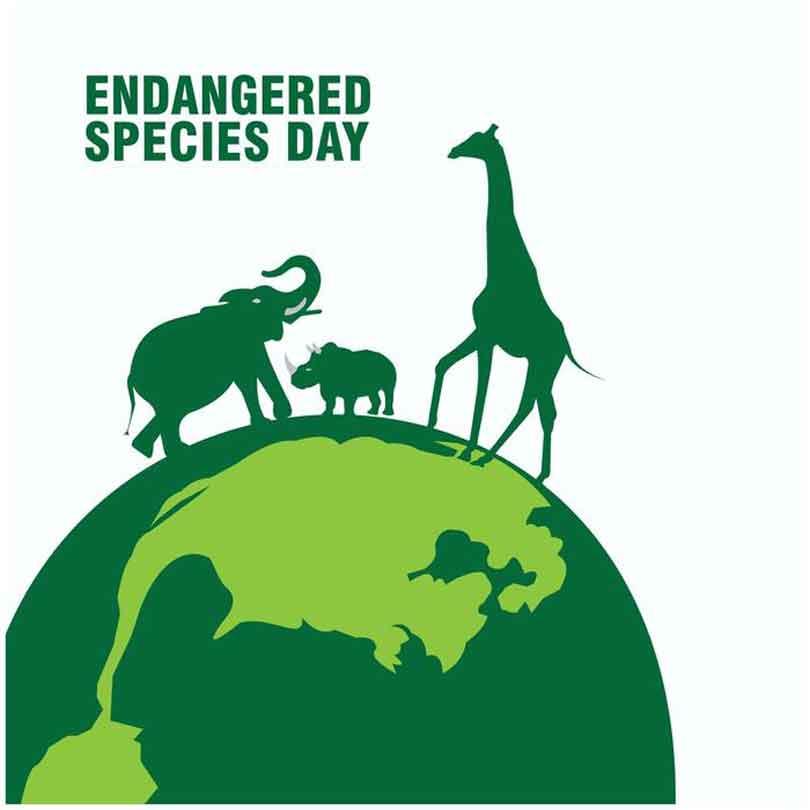
Every year on May 15, the world pauses, even if only briefly, to acknowledge something heartbreaking. World Endangered Species Day. A day dedicated to animals standing at the edge of disappearance. A day to remember species whose voices are slowly fading from forests, oceans, skies, and grasslands. A day that should disturb us far more than it currently does. Because extinction is not poetic in real life. It is brutal. It is quiet. And worst of all, it is usually caused by us.
We live in a world where people casually scroll past photographs of dying ecosystems between makeup tutorials and celebrity gossip. A world where the destruction of ancient forests becomes “news” for a few hours before disappearing beneath trends and algorithms. We have normalised environmental grief to such an extent that people hear phrases like “critically endangered” and barely react anymore. But think about those words carefully. Critically endangered. It means there are animals alive right now that may completely vanish within our lifetime. Entire species. Entire bloodlines millions of years old. Creatures that survived ice ages, storms, evolution, predators, and changing planets may not survive humanity. That should horrify us. And yet so many people continue living as though the wild is infinite. It is not. Nature is not immortal.
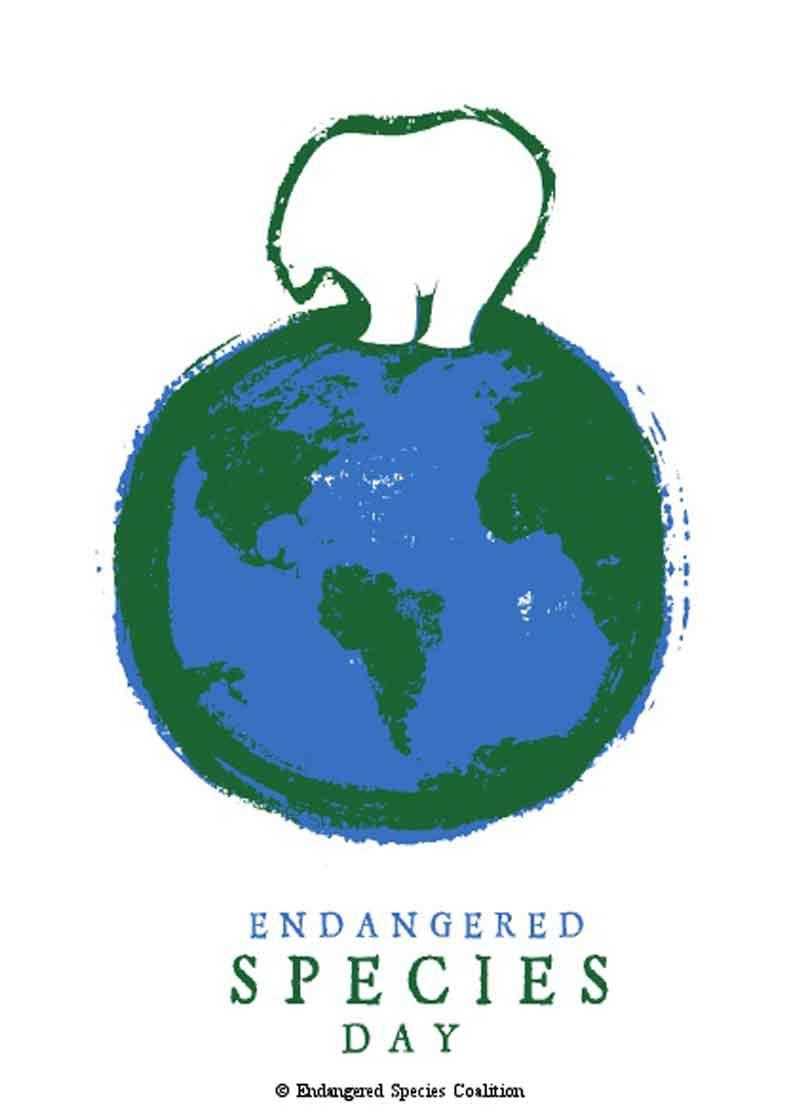
People often speak about extinction as if it belongs to the past. Dinosaurs. Ancient creatures. Lost worlds. But extinction is not history. It is happening now, in real time, while we continue building cities over forests and poisoning oceans for convenience. Right now, somewhere in the world, an animal is dying because its habitat no longer exists. Right now, somewhere in the ocean, plastic floats where life once thrived. Right now, forests are being cut down faster than species can adapt.
And still humanity acts surprised when ecosystems begin collapsing. World Endangered Species Day is not meant to be another aesthetic environmental trend. It is not just about posting photographs of elephants or leopards with sad captions for one day before moving on. It is supposed to remind us of responsibility. Reflection. Protection. Three things humanity desperately avoids when it becomes inconvenient.
As someone who deeply loves animals, I find this day emotionally difficult. Because once you truly begin caring about wildlife, you cannot unsee the suffering humans have created. You begin noticing the silence where birds once sang. You begin noticing shrinking forests. You begin noticing animals treated as entertainment, decoration, profit, or inconvenience instead of living beings with their own right to exist. And perhaps the cruelest part is this:
- Animals are paying for destruction they never caused.
- The Sri Lankan leopard did not create climate change.
- Sea turtles did not pollute oceans.
- Elephants did not destroy forests.
- Yet they suffer for human greed every single day.
Especially in a country like Sri Lanka, this conversation matters deeply. Our island is one of the world’s biodiversity hotspots. Despite its size, Sri Lanka carries extraordinary wildlife richness. From elephants roaming dry zone forests to whales moving through the ocean, from purple-faced langurs to fishing cats, this island breathes with ancient life. But that life is under threat.
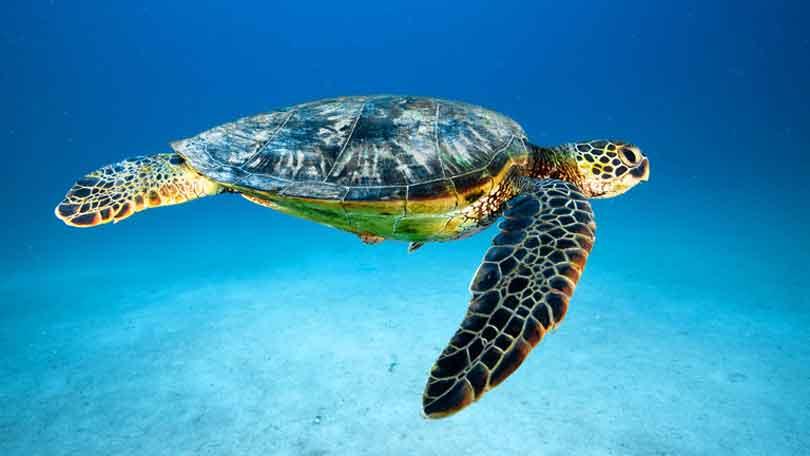
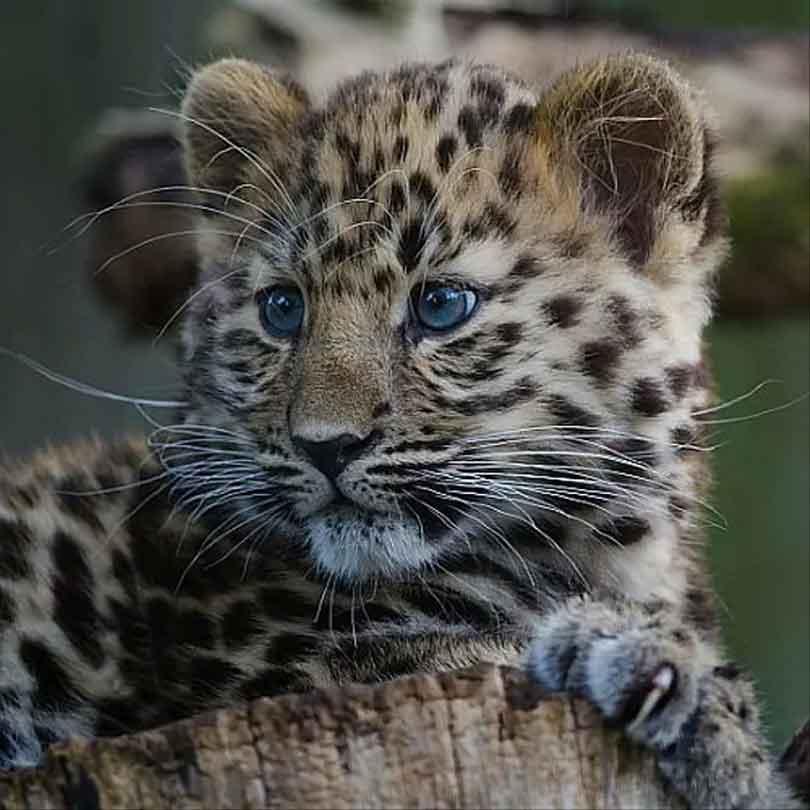
The Sri Lankan leopard, one of the most breathtaking animals on this island, remains endangered due to habitat loss, human conflict, poaching, and shrinking wilderness. Elephants continue facing deadly encounters with humans because forests are fragmented for development. Marine animals choke on plastic pollution. Birds lose nesting grounds. Forest ecosystems become increasingly unstable. And still many people treat environmental destruction as the “price of progress.” But what kind of progress destroys the very world keeping us alive?
Human beings often forget we are not separate from nature. We are not superior observers standing outside ecosystems. We are part of them. Forests regulate climate. Oceans produce oxygen. Pollinators sustain agriculture. Biodiversity maintains ecological balance. When species disappear, the damage does not end with them. It ripples outward.
Nature functions like an intricate web. Remove enough threads, and eventually the entire structure weakens. Yet modern society continues behaving as though humanity can survive detached from the natural world. We build concrete endlessly while treating forests as obstacles instead of sacred systems. We consume without questioning. Waste without thinking. Destroy without grieving. And perhaps that is the real tragedy. Not only extinction itself, but humanity’s emotional detachment from it.
There was a time when people lived closer to nature. Animals were respected, feared, observed. Forests carried spiritual significance. Rivers were treated as living entities. Human survival depended on understanding ecological rhythms. Now people experience wildlife mostly through screens.
- Animals have become content.
- Something to photograph.
- Something to caption.
- Something to consume digitally before scrolling away.
That disconnect is dangerous. Because people protect what they emotionally connect to. And modern life is slowly severing humanity’s connection to the wild. Children now grow up recognizing luxury brands more easily than native species. Some people can identify fashion logos instantly yet cannot name the birds living outside their own homes.
Forests are becoming abstractions instead of realities. That loss of intimacy with nature terrifies me. Because once humanity stops emotionally caring about wildlife, extinction accelerates. Conservation is not only scientific. It is emotional. People must feel grief. Wonder. Responsibility. Awe. Without emotional connection, environmentalism becomes empty performance. World Endangered Species Day should force us to confront uncomfortable truths. Not just about governments or corporations, but about ourselves. Because ordinary people contribute too. Every piece of plastic casually discarded. Every forest treated as disposable land. Every animal exploited for entertainment. Every instance of consumerism that values convenience over sustainability. Humanity loves blaming systems while refusing personal accountability. But systems are built from collective behaviour. And if enough people stop caring, destruction becomes normalised.
Still, despite all this darkness, I do believe hope exists. I have seen young people fighting for conservation passionately. I have seen wildlife photographers dedicate their lives to documenting fragile beauty. I have seen rescuers saving injured animals with extraordinary compassion. I have seen conservationists risking their safety to protect ecosystems others would destroy for profit.
There are still people listening to the earth. And that matters. Because conservation is ultimately an act of love. Love for creatures that may never even know we existed. Love for future generations who deserve to inherit a living planet instead of ecological ruins. Love for beauty itself. Sometimes I think endangered species symbolise something larger about humanity too. They reflect our relationship with vulnerability. Humans tend to destroy what they perceive as powerless. Forests. Animals. Oceans. Even for each other. Power without compassion becomes violence. And modern civilisation often confuses domination with intelligence. But true intelligence should include coexistence. What is the point of technological advancement if rivers die beside our cities? What is the point of luxury if forests burn? What is the point of economic growth if ecosystems collapse beneath it?
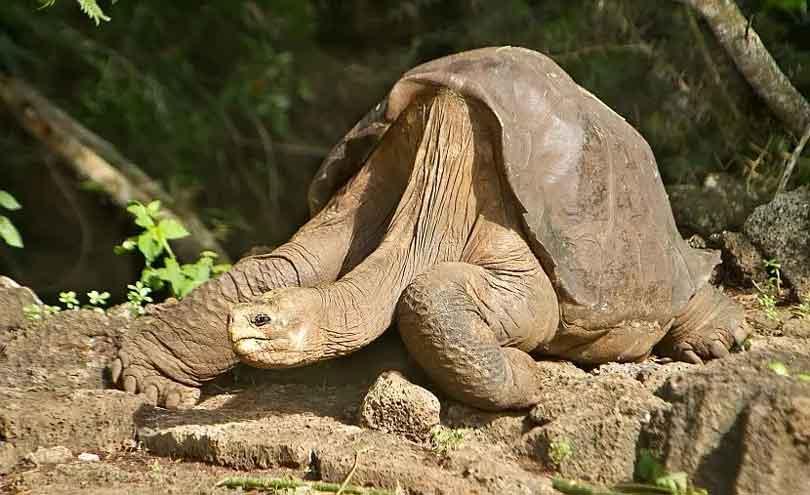
A future without wildlife is not progress. It is a spiritual failure. Imagine a world where children only know elephants through archived footage. A world where leopards survive only in textbooks. A world where oceans no longer contain whales. A world where birdsongs disappear from mornings completely. That world is not impossible. It is approaching faster than people realise. And extinction is irreversible. That is what makes it so terrifying.
When a species disappears, there is no apology large enough to bring it back. No technology capable of recreating millions of years of evolution authentically. No amount of regret can reverse absence. Gone means gone. Forever. That permanence should humble humanity profoundly. Yet instead, humans continue acting invincible.
World Endangered Species Day reminds us that we are not invincible either. Climate disasters, ecosystem collapse, pollution, and biodiversity loss affect humanity too. Nature does not negotiate forever. There are consequences for imbalance. But beyond survival itself, I think there is another reason wildlife matters deeply. Animals make the world emotionally richer.
Imagine life without the mystery of whales beneath oceans. Without fireflies glowing in darkness. Without leopards moving silently through forests. Without birds crossing skies during migration. Without elephants carrying ancient intelligence in their eyes. The world would become emotionally emptier. Less magical. Less alive. Wildlife reminds humanity that we are not alone on this planet. Other beings exist beside us, each carrying their own purpose, instincts, languages, fears, and beauty. There is humility in recognising that. And perhaps that humility is exactly what humanity needs now. Not domination. Not endless consumption. Humility.
This May 15 should not simply be another awareness date people repost temporarily before forgetting. It should be a moment of reflection. A moment to ask difficult questions. What kind of world are we creating? What will future generations inherit from us? Will they inherit forests or ruins? Birdsong or silence? Living oceans or floating plastic graveyards? And most importantly:
- Will humanity finally learn that protecting nature is not optional?
- Because conservation is no longer just about saving animals.
- It is about saving balance.
- Saving beauty.
- Saving memory.
- Saving the fragile living systems that make existence possible at all.
Sometimes people ask why animal lovers feel things so intensely. Why wildlife destruction hurts us emotionally. The answer is simple. Because empathy expands. Once you truly see animals as living beings rather than background decoration, their suffering becomes unbearable to ignore. You begin understanding that extinction is not just scientific data.
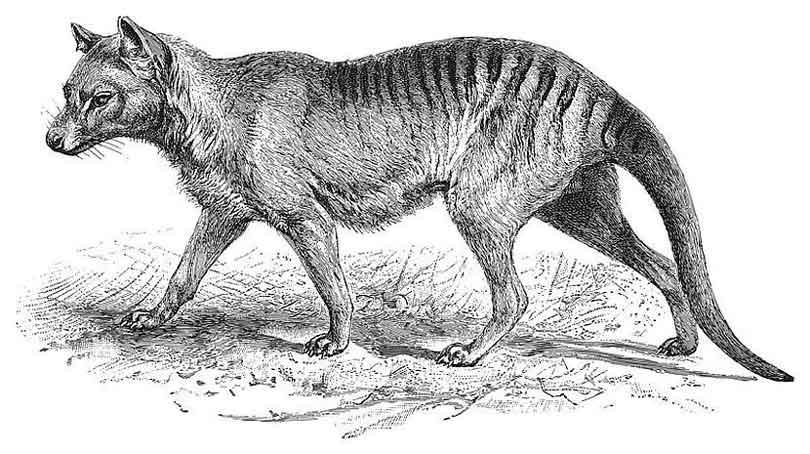
It is grief.
A species disappearing means the earth losing a voice forever. And perhaps that is why this day matters so deeply. World Endangered Species Day exists to remind humanity before silence becomes permanent. To reflect before loss becomes irreversible. To protect before beauty disappears forever. Because one day, future generations will ask what we did when the planet was collapsing around us. And I hope humanity has a better answer than indifference.