THE DISPOSABLE PET: WHY ARE WE FAILING THE ANIMALS WE CLAIM TO LOVE?
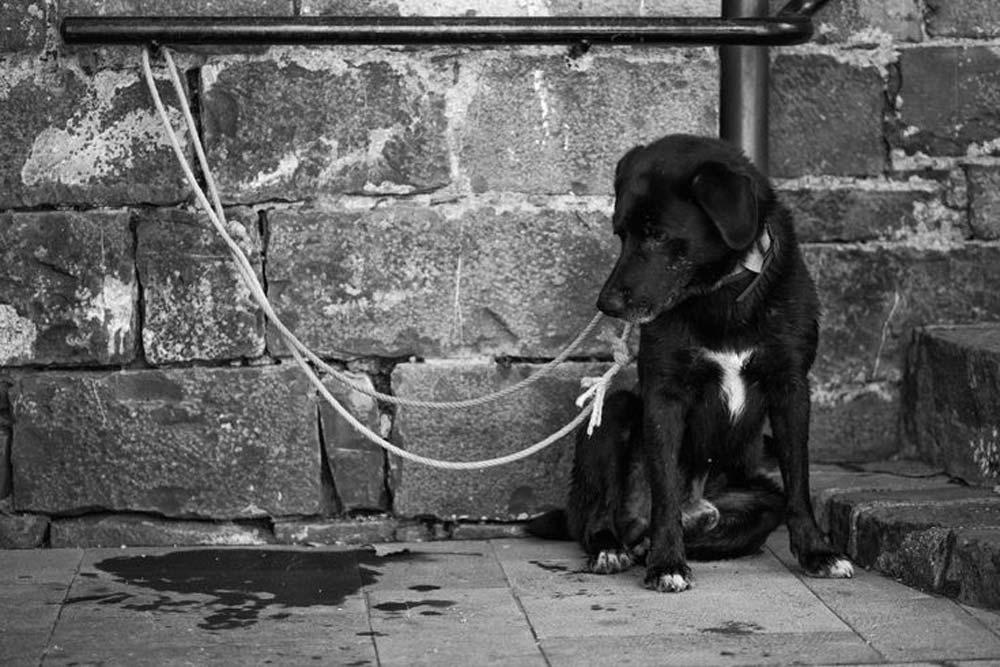
How much do we really love animals? It is a question worth asking, especially in a world where people proudly introduce their pets as their children, spend thousands on specific breeds, and flood social media with photographs of tiny paws, floppy ears, and bright eyes. We celebrate the arrival of puppies and kittens as though welcoming a new family member. We call them our babies. We buy them matching accessories, gourmet treats, and expensive toys. Yet somewhere between that first excited photograph and the final years of an animal's life, something changes. The affection fades. The excitement disappears. The commitment weakens. And far too often, the animal is left paying the price.
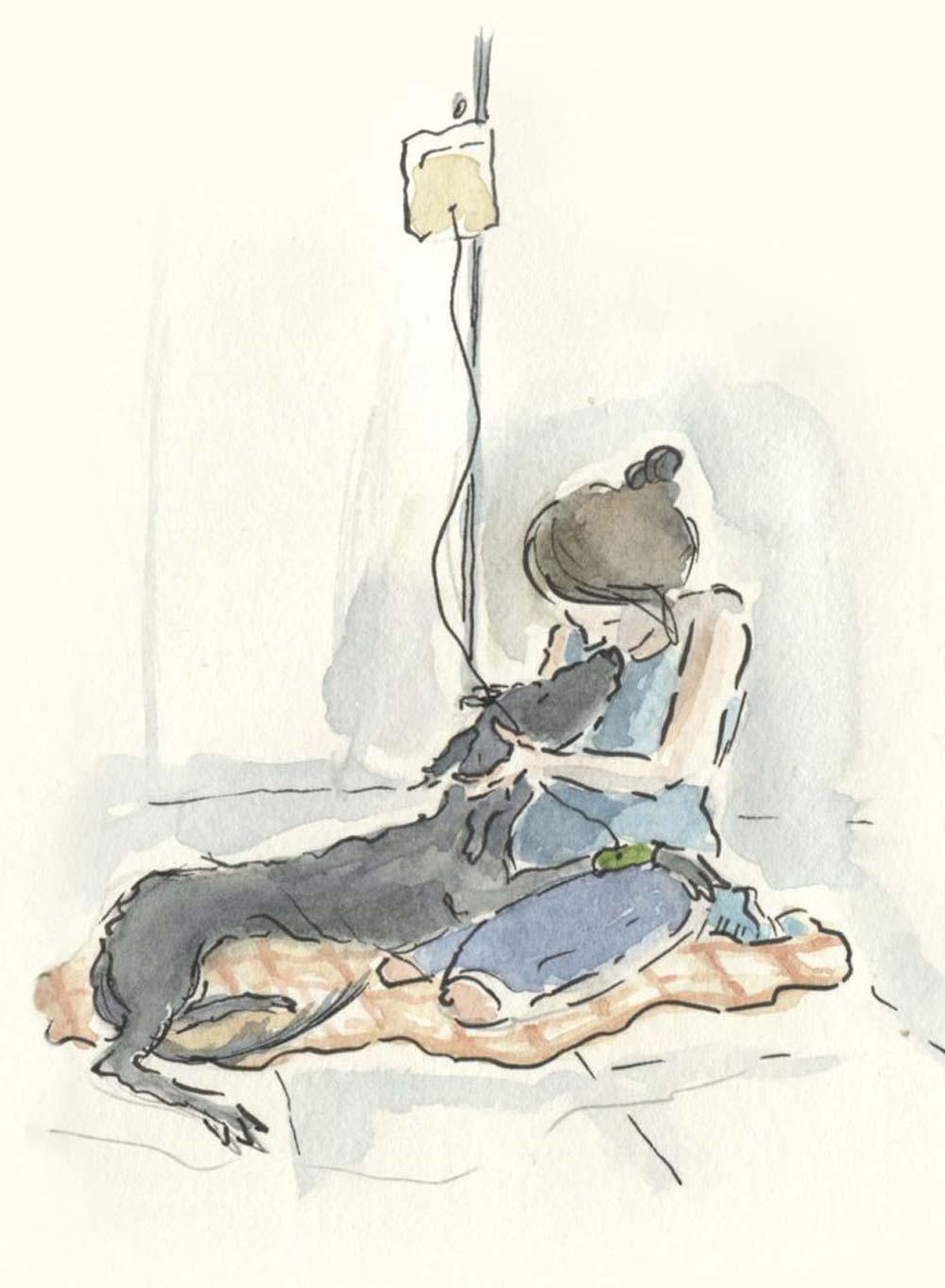 Perhaps the reality many people do not want to confront is that they are not in love with the responsibility of having an animal. They are in love with the temporary feeling of having one. They adore the puppy stage. They adore the kitten stage. They adore the attention and admiration that comes with owning an animal that is young, playful, and visually appealing. But what happens when that animal grows older? What happens when reality arrives? Because reality always arrives.
The puppy that once fit into your palms becomes a fully grown dog requiring exercise, veterinary care, patience, and time. The tiny kitten becomes an adult cat with needs that extend far beyond a few cute photographs. The novelty disappears, but the responsibility remains. At least it should. Instead, many animals find themselves gradually becoming invisible within the very homes they were promised would be theirs forever. The walks become less frequent. The attention becomes limited. The excitement once surrounding them is redirected elsewhere. Sometimes it happens so slowly that people fail to notice it. The animal notices, however.
One of the most heartbreaking examples of this can be seen when pets begin to age. After years of loyalty and companionship, many elderly animals are quietly pushed into the background. Their bodies slow down. Their eyesight weakens. Their hearing fades. They require greater care and more patience than before. Ironically, this is often the moment they receive the least. How many times have we seen families bring home a brand-new puppy or kitten while their older companion still sits quietly in the corner? Suddenly, every visitor wants to meet the new arrival. Every photograph features the younger animal. Every conversation revolves around the newest addition. The elderly pet, who may have spent a decade or more loving that family unconditionally, becomes an afterthought.
- What message does that send?
- That loyalty has an expiry date?
- That affection is reserved for the young?
- That years of companionship can be replaced simply because something newer has arrived?
Animals may not understand our language, but they understand presence. They understand attention. They understand when they are included and when they are excluded. To spend years being someone's companion only to become invisible in old age is a cruelty that often goes unnoticed because it leaves no visible wounds. Yet neglect is still neglect.
We often imagine animal cruelty as something dramatic. We picture physical abuse, abandonment, starvation, or violence. Those realities certainly exist and deserve condemnation. However, neglect can be far quieter. It can take the form of forgotten walks, ignored needs, reduced affection, and emotional abandonment. It can look like an elderly dog watching a family celebrate a new puppy while receiving none of the excitement that once surrounded its own arrival. The uncomfortable truth is that many people acquire animals without considering the future. They plan for the excitement but not the responsibility. They prepare for the photographs but not the veterinary bills. They imagine the playful years but never the difficult ones.
If you cannot accept the future reality of caring for an ageing animal, should you be bringing one home at all? It is not a cruel question. It is an honest one. Because every puppy eventually becomes an old dog. Every kitten eventually becomes an old cat. Every healthy animal, if fortunate enough to live long enough, will eventually require greater care than it once did. If that reality feels inconvenient, then perhaps the decision to own an animal should be reconsidered before it is ever made.
Equally concerning is society's growing obsession with purchasing animals based on status. Conversations surrounding pets increasingly sound less like discussions about living creatures and more like discussions about luxury products. People proudly announce how much money they spent. Certain breeds are flaunted as symbols of wealth, exclusivity, and prestige. The price tag becomes part of the animal's identity. But since when did companionship become a competition? Why are we measuring an animal's worth according to its breed certificate? Why are we treating living beings as status symbols?
A dog does not become more deserving of love because it costs more. A cat does not become more valuable because it belongs to a fashionable breed. Yet thousands of shelter animals remain overlooked because they do not possess the pedigree many people seek. Loving an animal should never be about displaying wealth. It should be about offering care, security, and commitment. The demand for specific breeds has also created another troubling reality: the breeding industry. This is where many people become uncomfortable, but discomfort is sometimes necessary. For years, I have struggled with the normalisation of breeding practices that reduce animals to reproductive tools. We often disguise the reality behind pleasant language. We call it breeding programmes.
We call it pairing. We call it responsible production. Yet beneath those terms are animals repeatedly used for reproduction because there is money to be made. A female dog is impregnated. She gives birth. Her puppies are sold. Then the cycle begins again. And again. And again. The conversation rarely centres on what that repeated process means for the animal itself. Instead, it focuses on market demand, desirable bloodlines, and financial value. The bodies of animals become part of a business model.
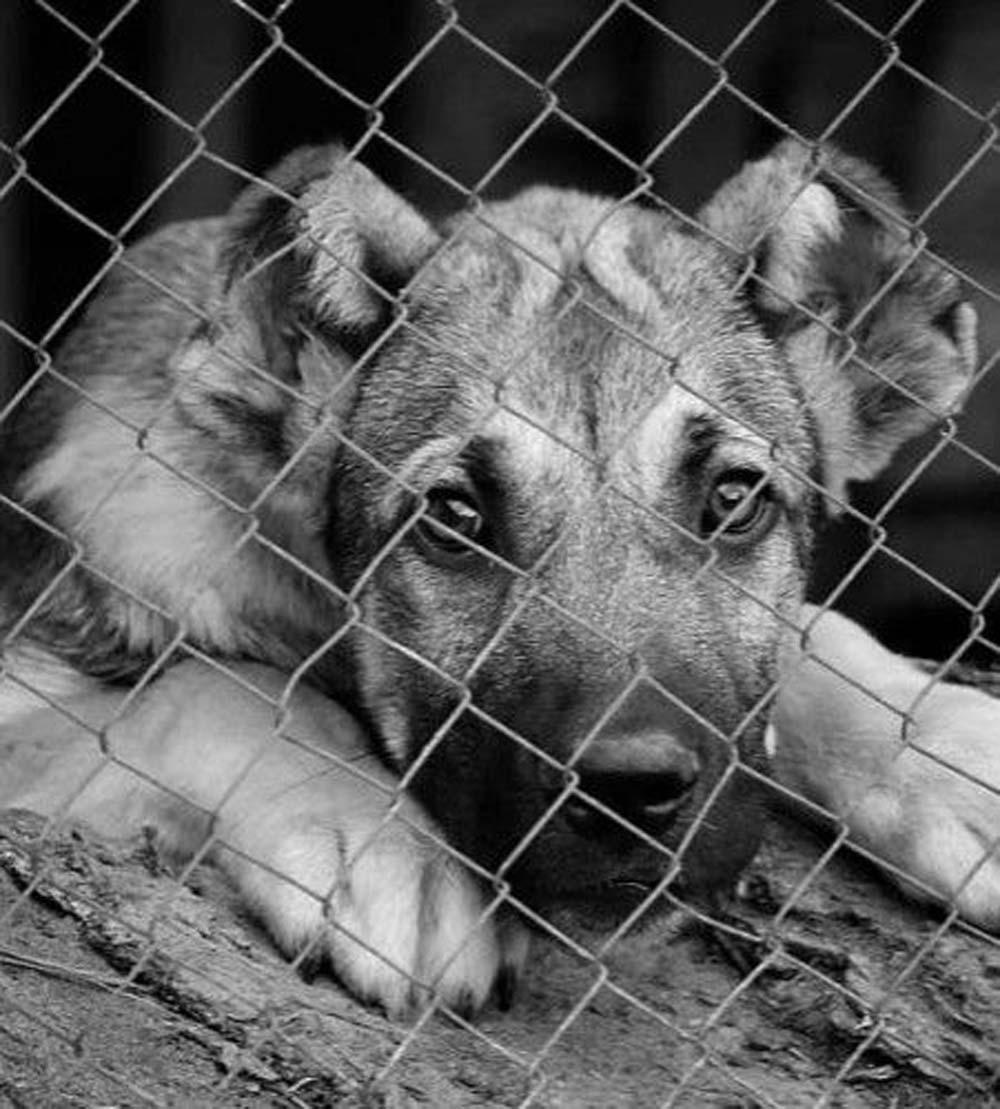
Of course, there are breeders who maintain welfare standards and genuinely care for their animals. However, the larger issue remains impossible to ignore. The increasing demand for specific breeds fuels systems that often place profit above welfare. As long as consumers continue chasing status, exclusivity, and appearance, there will always be individuals willing to exploit animals to meet that demand. Perhaps the greatest contradiction of all is that we claim to love animals while continuously treating them as commodities. We buy them. We sell them. We breed them. We replace them. We neglect them. Then we insist we are animal lovers. Are we? Or do we simply love animals when they fit comfortably into our lives? Real love is not measured by how much money was spent on an animal. It is not measured by social media photographs. It is not measured by breed certificates or designer accessories. Real love is measured in responsibility.
- It is measured in the willingness to stay.
- It is measured in late-night veterinary visits.
- It is measured in patience during difficult years.
- It is measured in continuing to care when the excitement has long disappeared.
Most importantly, it is measured in how we treat animals when they become old. An elderly pet should never have to compete for affection. It should never have to earn the love it has already spent a lifetime giving. After years of loyalty, companionship, and devotion, the least we can offer in return is dignity. Before bringing an animal into your life, ask yourself a simple question: Will I still be here when this animal is no longer young?
- Not when it is adorable.
- Not when it is fashionable.
- Not when it attracts attention.
But when it is old, vulnerable, and entirely dependent on me. If the answer is uncertain, then perhaps the decision should be reconsidered Because animals are not trends.
- They are not status symbols.
- They are not temporary sources of entertainment.
- They are living beings who trust us completely.
And if we are unwilling to honour that trust for the entirety of their lives, then perhaps the problem is not the animal. It is us.