Forgotten Faces of the Streets
Marian de Silva
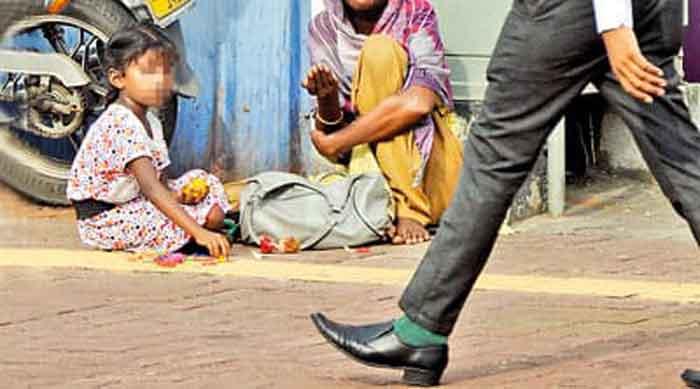
Last Friday, it was around 10:30 in the morning when I arrived at Fort Railway Station. The day had already begun on a frustrating note, as the train I was travelling on had unfortunately broken down near Ragama. Left with little choice, I boarded a bus. Yet nothing could have prepared me for what I witnessed near the bus stand. There stood an elderly man, partially unclothed and visibly vulnerable, accompanied by a woman whom I assumed to be his daughter. Beside them were several old, torn backpacks hanging open, with clothes spilling out onto the pavement. The scene unfolded in broad daylight, in full view of hundreds of passers-by. Some glanced briefly before walking away, while others stared in discomfort. It was a sight that left many unsettled.
For those who commute daily, such scenes are not entirely unfamiliar. It is not uncommon to see elderly people sleeping in public spaces, on pavements, near bus stands, or around railway stations. At times, some become involved in loud arguments or display behaviour that appears unusual or disruptive. While many commuters may find these encounters uncomfortable, they also raise an important question: what circumstances led these individuals to be in such conditions in the first place? The sight remained with me long after I had left the station. In a city that is constantly moving, where thousands of people hurry from one destination to another, it is easy to overlook those who have seemingly been left behind. They become part of the landscape. visible, yet unnoticed. We pass them every day, often without sparing a second thought. Fort Railway Station is one of the busiest transportation hubs in Sri Lanka. Every day, it welcomes office workers, schoolchildren, university students, tourists, vendors, and countless others. It is a place that reflects the rhythm of Colombo itself. Yet amid the rush and noise, another reality exists alongside the daily commute.
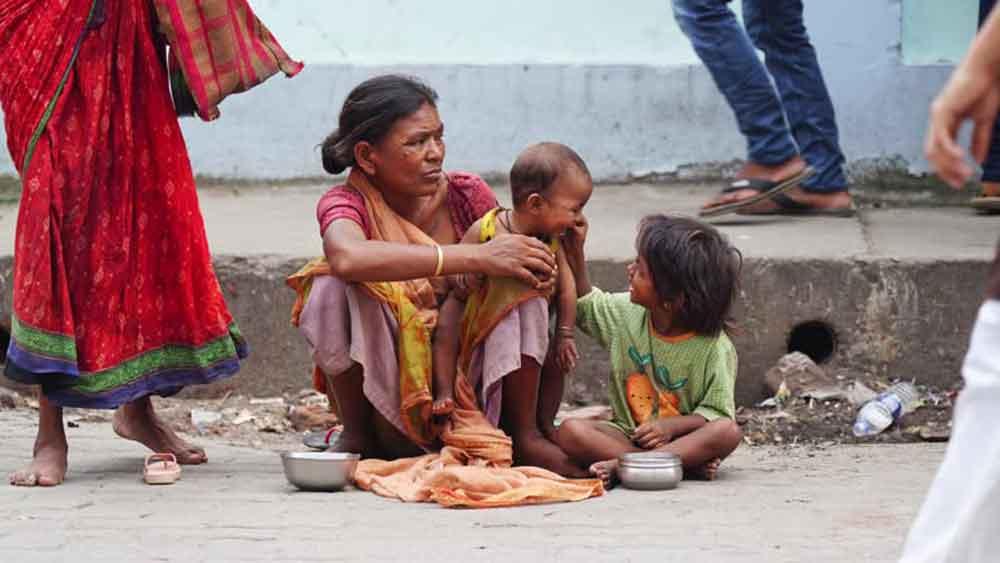
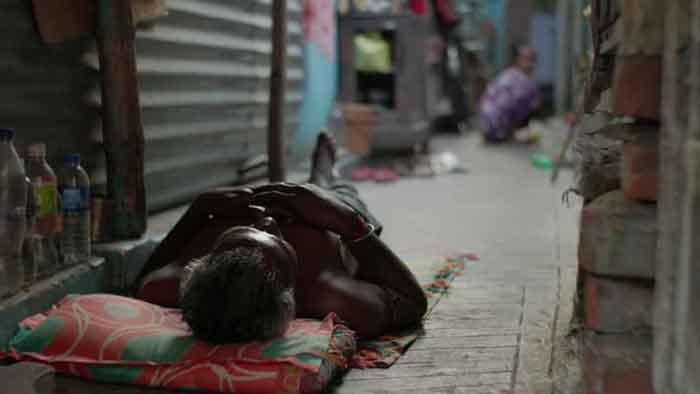
One only has to spend a few minutes observing the surroundings to notice it. Elderly men sitting alone on pavements. Women carrying their belongings in plastic bags. Individuals sleeping on cardboard sheets beneath shelters. Some wander aimlessly while others quietly occupy corners of public spaces. They are part of a population that many acknowledge but few truly see. The immediate reaction of many people is often discomfort. Some commuters move away. Others complain about the disturbance or the unpleasant sights and smells. While these reactions may be understandable, they rarely encourage deeper reflection. Who are these people? How did they end up here? What circumstances brought them to a railway station, bus stand, or roadside pavement? The answers are rarely simple.
For some, poverty is the driving factor. Rising living costs continue to place pressure on families across the country. Those without stable employment or financial support may find themselves unable to secure housing or basic necessities. Older individuals are particularly vulnerable because they often have limited opportunities to earn an income.
For others, family breakdown plays a significant role. Traditionally, Sri Lankan society has valued strong family ties, with children caring for ageing parents. However, changing economic realities and migration patterns have altered family structures. Some elderly people find themselves living alone after the death of a spouse. Others may experience neglect or abandonment. While many families continue to provide excellent care for their elderly relatives, there are also cases where older individuals fall through the cracks of the support system. When this happens, public spaces often become their refuge. Mental health is another factor that cannot be ignored. Many of the behaviours that commuters find disruptive may stem from untreated mental health conditions. Individuals experiencing psychological distress may struggle to navigate everyday life. Without access to treatment, support networks, or stable housing, their challenges become increasingly visible in public settings.
Unfortunately, mental health remains a topic surrounded by stigma. Rather than recognising symptoms of illness, society often labels individuals as troublesome, dangerous, or strange. As a result, those who need help the most frequently receive the least understanding. The elderly man I saw near the bus stand may have had a story that nobody around him knew. He may once have had a career, a family, dreams, and ambitions. He may have contributed to society in ways that are now forgotten. Yet in that moment, he was simply another vulnerable person standing in a crowded city. Perhaps that is what struck me most. The contrast. Around him were people dressed for work, carrying laptops, attending meetings, and discussing deadlines. Buses arrived and departed. Vendors sold snacks and newspapers. Life continued at its usual pace. Yet for that man, time seemed to have stopped.
His presence raised uncomfortable questions about the kind of society we are building. Economic development is often measured through infrastructure projects, investments, and urban expansion. New buildings rise across the city skyline, roads are widened, and public transportation networks continue to evolve. These developments are undoubtedly important. However, progress should also be measured by how a society treats its most vulnerable members. A city cannot truly be considered successful if significant numbers of people are left without dignity, shelter, or support.
This is not merely a responsibility for governments or charitable organisations. It is a collective responsibility shared by communities, institutions, and individuals. Small acts of compassion may not solve systemic issues, but they can make a meaningful difference. Offering assistance, supporting community initiatives, volunteering, or contributing to organisations that work with vulnerable populations are ways in which ordinary citizens can help. More importantly, compassion begins with recognition. It begins by acknowledging that the person sleeping near a railway station is more than a public inconvenience. The elderly woman carrying her belongings in plastic bags is more than a passing sight. The man speaking loudly to himself on a crowded street is more than an interruption to our daily routine. They are people. People with histories, struggles, and experiences that deserve empathy.
This does not mean ignoring legitimate concerns regarding public safety, sanitation, or the management of public spaces. Cities must remain functional and accessible for everyone. However, solutions should balance these concerns with human dignity. Removing people from public spaces without addressing the underlying causes merely relocates the problem. Sustainable solutions require investment in housing support, mental health services, elderly care programmes, and social welfare initiatives. Across the world, cities continue to grapple with similar challenges. There is no single answer. Yet one lesson remains consistent: long-term improvements require both policy intervention and public awareness. The conversation must move beyond inconvenience. Instead of asking why vulnerable individuals occupy public spaces, perhaps we should ask why they have nowhere else to go. That question shifts the focus from the individual to the broader systems surrounding them. As I reflected on what I had witnessed, I realised that the discomfort many people felt was not solely because of the scene itself. It was because the scene challenged assumptions. We often prefer to believe that hardship exists elsewhere, affecting someone else, somewhere else. Seeing vulnerability so openly displayed in the middle of a busy city forces us to confront realities that are difficult to ignore. It reminds us that not everyone benefits equally from social and economic progress. It reminds us that ageing is inevitable. It reminds us that circumstances can change unexpectedly. Most importantly, it reminds us of our shared humanity.
As commuters rushed through Fort Railway Station that morning, each person carried their own concerns, schedules, and responsibilities. Yet among the crowds stood an elderly man whose struggles were visible to everyone and addressed by almost no one. By the end of the day, many who witnessed him would likely have forgotten the encounter. Their lives would continue as normal. But for him, and for countless others living in similar circumstances, the challenges would remain. The image of the torn backpacks, the scattered belongings, and the vulnerable figure standing in broad daylight stayed with me long after I left. It served as a powerful reminder that behind every statistic on poverty, homelessness, or social welfare lies a real human being. Perhaps the true measure of a society is not how it treats those who are privileged and successful, but how it responds to those who have been forgotten. And perhaps the next time we encounter someone living on the margins of society, we should resist the urge to look away. Instead, we should pause long enough to recognise their humanity and to ask ourselves what kind of community we wish to be.Forgotten Faces of the Streets
Marian de Silva
Last Friday, it was around 10:30 in the morning when I arrived at Fort Railway Station. The day had already begun on a frustrating note, as the train I was travelling on had unfortunately broken down near Ragama. Left with little choice, I boarded a bus. Yet nothing could have prepared me for what I witnessed near the bus stand. There stood an elderly man, partially unclothed and visibly vulnerable, accompanied by a woman whom I assumed to be his daughter. Beside them were several old, torn backpacks hanging open, with clothes spilling out onto the pavement. The scene unfolded in broad daylight, in full view of hundreds of passers-by. Some glanced briefly before walking away, while others stared in discomfort. It was a sight that left many unsettled.
For those who commute daily, such scenes are not entirely unfamiliar. It is not uncommon to see elderly people sleeping in public spaces, on pavements, near bus stands, or around railway stations. At times, some become involved in loud arguments or display behaviour that appears unusual or disruptive. While many commuters may find these encounters uncomfortable, they also raise an important question: what circumstances led these individuals to be in such conditions in the first place? The sight remained with me long after I had left the station. In a city that is constantly moving, where thousands of people hurry from one destination to another, it is easy to overlook those who have seemingly been left behind. They become part of the landscape. visible, yet unnoticed. We pass them every day, often without sparing a second thought. Fort Railway Station is one of the busiest transportation hubs in Sri Lanka. Every day, it welcomes office workers, schoolchildren, university students, tourists, vendors, and countless others. It is a place that reflects the rhythm of Colombo itself. Yet amid the rush and noise, another reality exists alongside the daily commute.
One only has to spend a few minutes observing the surroundings to notice it. Elderly men sitting alone on pavements. Women carrying their belongings in plastic bags. Individuals sleeping on cardboard sheets beneath shelters. Some wander aimlessly while others quietly occupy corners of public spaces. They are part of a population that many acknowledge but few truly see. The immediate reaction of many people is often discomfort. Some commuters move away. Others complain about the disturbance or the unpleasant sights and smells. While these reactions may be understandable, they rarely encourage deeper reflection. Who are these people? How did they end up here? What circumstances brought them to a railway station, bus stand, or roadside pavement? The answers are rarely simple.
For some, poverty is the driving factor. Rising living costs continue to place pressure on families across the country. Those without stable employment or financial support may find themselves unable to secure housing or basic necessities. Older individuals are particularly vulnerable because they often have limited opportunities to earn an income.
For others, family breakdown plays a significant role. Traditionally, Sri Lankan society has valued strong family ties, with children caring for ageing parents. However, changing economic realities and migration patterns have altered family structures. Some elderly people find themselves living alone after the death of a spouse. Others may experience neglect or abandonment. While many families continue to provide excellent care for their elderly relatives, there are also cases where older individuals fall through the cracks of the support system. When this happens, public spaces often become their refuge. Mental health is another factor that cannot be ignored. Many of the behaviours that commuters find disruptive may stem from untreated mental health conditions. Individuals experiencing psychological distress may struggle to navigate everyday life. Without access to treatment, support networks, or stable housing, their challenges become increasingly visible in public settings.
Unfortunately, mental health remains a topic surrounded by stigma. Rather than recognising symptoms of illness, society often labels individuals as troublesome, dangerous, or strange. As a result, those who need help the most frequently receive the least understanding. The elderly man I saw near the bus stand may have had a story that nobody around him knew. He may once have had a career, a family, dreams, and ambitions. He may have contributed to society in ways that are now forgotten. Yet in that moment, he was simply another vulnerable person standing in a crowded city. Perhaps that is what struck me most. The contrast. Around him were people dressed for work, carrying laptops, attending meetings, and discussing deadlines. Buses arrived and departed. Vendors sold snacks and newspapers. Life continued at its usual pace. Yet for that man, time seemed to have stopped.
His presence raised uncomfortable questions about the kind of society we are building. Economic development is often measured through infrastructure projects, investments, and urban expansion. New buildings rise across the city skyline, roads are widened, and public transportation networks continue to evolve. These developments are undoubtedly important. However, progress should also be measured by how a society treats its most vulnerable members. A city cannot truly be considered successful if significant numbers of people are left without dignity, shelter, or support.
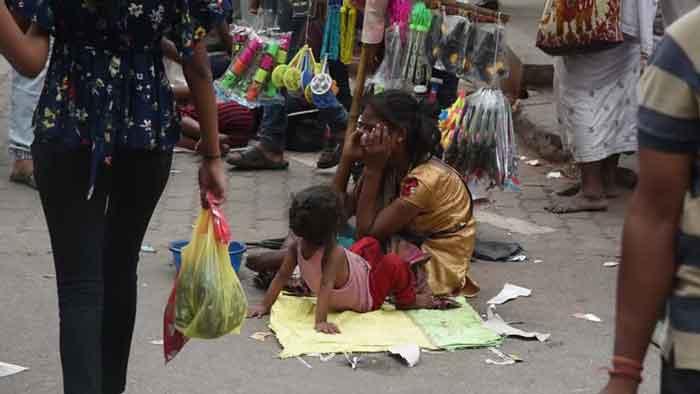
This is not merely a responsibility for governments or charitable organisations. It is a collective responsibility shared by communities, institutions, and individuals. Small acts of compassion may not solve systemic issues, but they can make a meaningful difference. Offering assistance, supporting community initiatives, volunteering, or contributing to organisations that work with vulnerable populations are ways in which ordinary citizens can help. More importantly, compassion begins with recognition. It begins by acknowledging that the person sleeping near a railway station is more than a public inconvenience. The elderly woman carrying her belongings in plastic bags is more than a passing sight. The man speaking loudly to himself on a crowded street is more than an interruption to our daily routine. They are people. People with histories, struggles, and experiences that deserve empathy.
This does not mean ignoring legitimate concerns regarding public safety, sanitation, or the management of public spaces. Cities must remain functional and accessible for everyone. However, solutions should balance these concerns with human dignity. Removing people from public spaces without addressing the underlying causes merely relocates the problem. Sustainable solutions require investment in housing support, mental health services, elderly care programmes, and social welfare initiatives. Across the world, cities continue to grapple with similar challenges. There is no single answer. Yet one lesson remains consistent: long-term improvements require both policy intervention and public awareness. The conversation must move beyond inconvenience. Instead of asking why vulnerable individuals occupy public spaces, perhaps we should ask why they have nowhere else to go. That question shifts the focus from the individual to the broader systems surrounding them. As I reflected on what I had witnessed, I realised that the discomfort many people felt was not solely because of the scene itself. It was because the scene challenged assumptions. We often prefer to believe that hardship exists elsewhere, affecting someone else, somewhere else. Seeing vulnerability so openly displayed in the middle of a busy city forces us to confront realities that are difficult to ignore. It reminds us that not everyone benefits equally from social and economic progress. It reminds us that ageing is inevitable. It reminds us that circumstances can change unexpectedly. Most importantly, it reminds us of our shared humanity.
As commuters rushed through Fort Railway Station that morning, each person carried their own concerns, schedules, and responsibilities. Yet among the crowds stood an elderly man whose struggles were visible to everyone and addressed by almost no one. By the end of the day, many who witnessed him would likely have forgotten the encounter. Their lives would continue as normal. But for him, and for countless others living in similar circumstances, the challenges would remain. The image of the torn backpacks, the scattered belongings, and the vulnerable figure standing in broad daylight stayed with me long after I left. It served as a powerful reminder that behind every statistic on poverty, homelessness, or social welfare lies a real human being. Perhaps the true measure of a society is not how it treats those who are privileged and successful, but how it responds to those who have been forgotten. And perhaps the next time we encounter someone living on the margins of society, we should resist the urge to look away. Instead, we should pause long enough to recognise their humanity and to ask ourselves what kind of community we wish to be.