If They Could, They Would: Sri Lanka’s Camera Critic Economy

NO BS MARKETER BY AMANTHA PERERA
Forget the blazer. Forget the rented Tesla. That’s an American stock photo, not our scene.
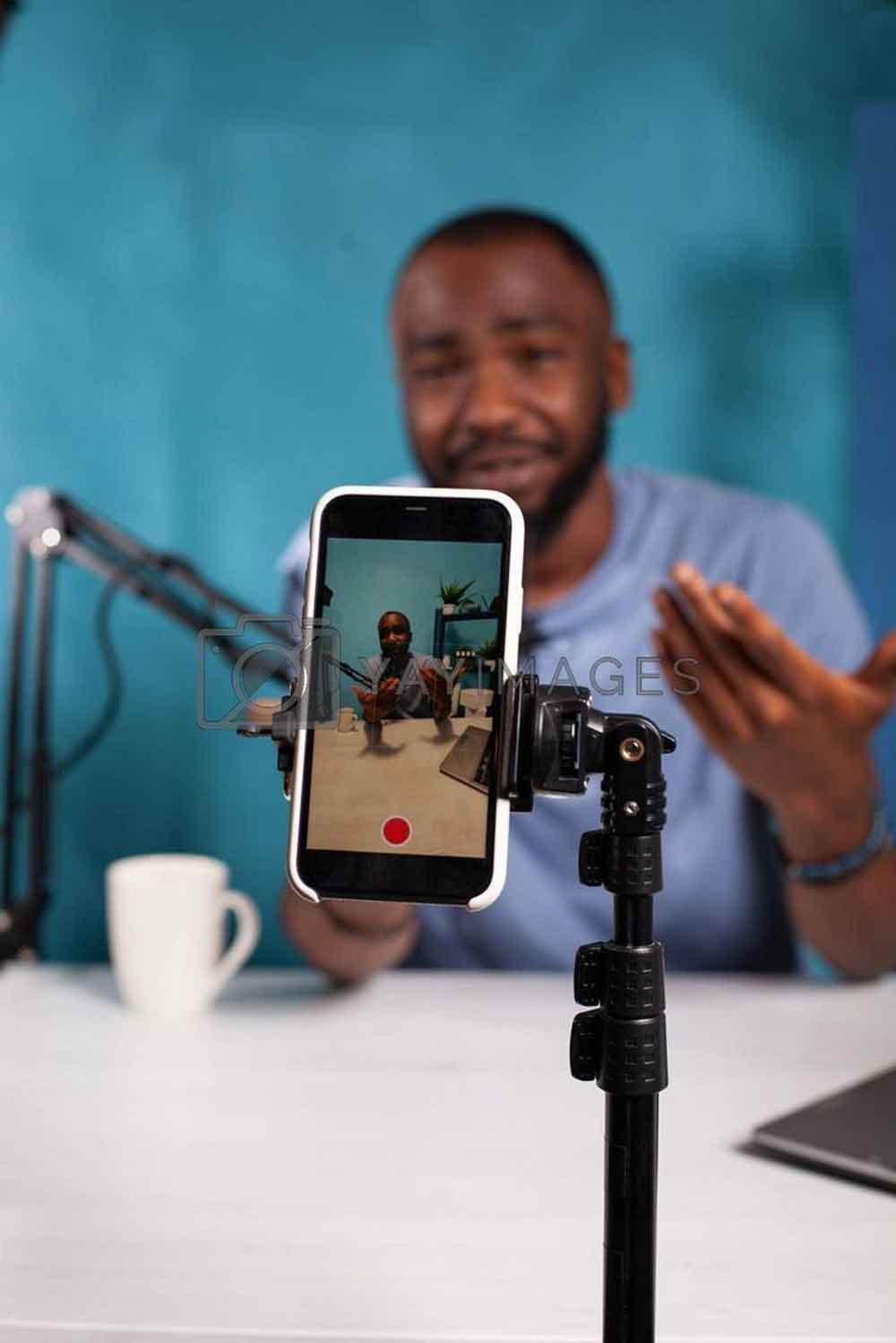
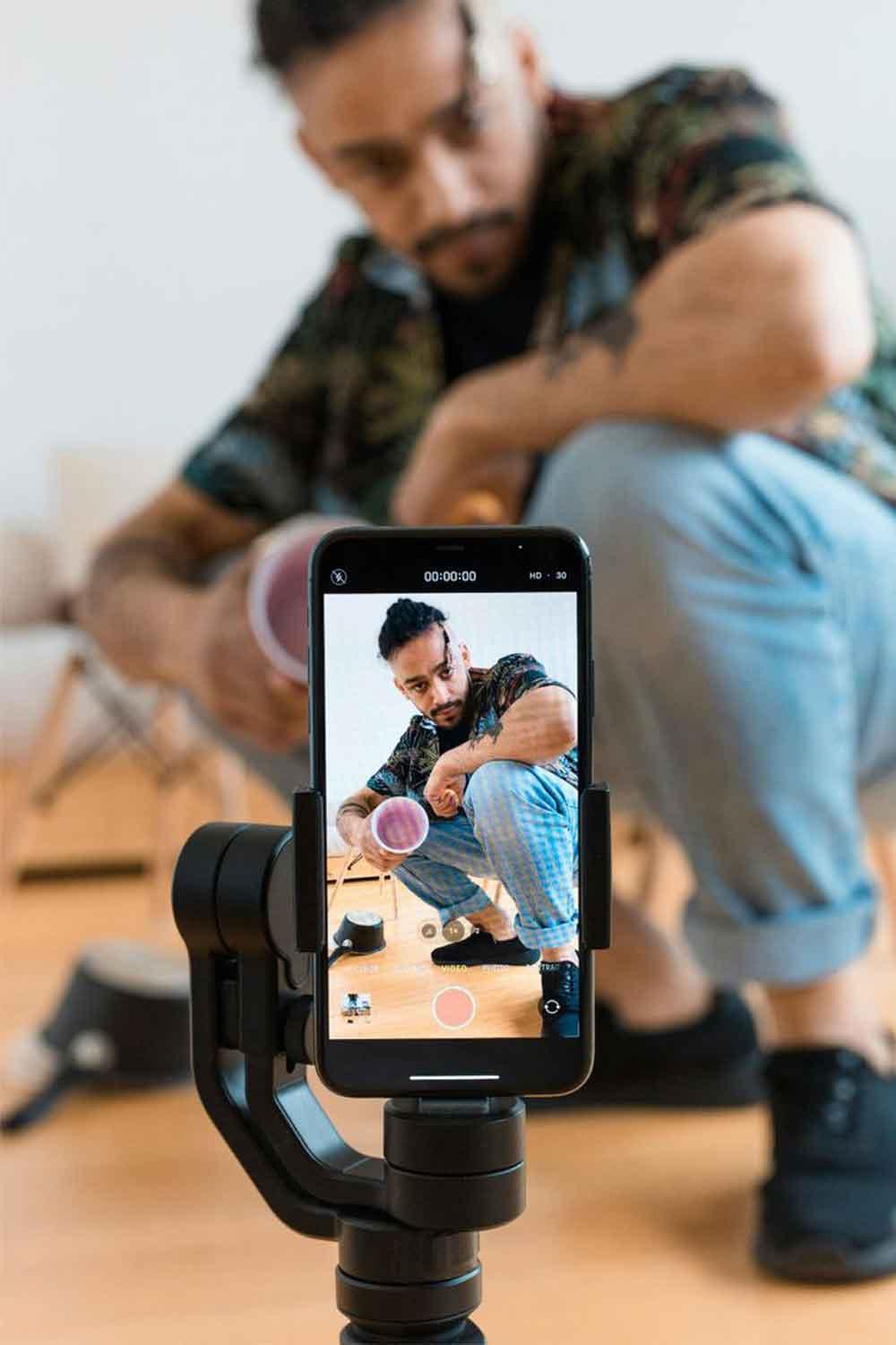
Our version is simpler, and honestly more honest about how broke the whole act is. It’s a guy sitting in his Wagon R in a Keells car park, ring light from Daraz clipped to the headrest, phone propped on the dashboard. Or a girl standing outside a co-working space in Colombo 03 because the lighting’s good there and it’s free. No studio. No team. No blazer. Just a phone, a face, and a script that goes: “Let me tell you why this ad is WRONG.” He’s not breaking down a Fortune 500 campaign. He’s breaking down some 22-year-old’s boutique Instagram page that’s selling resin jewellery from her room. She’s not analyzing a Super Bowl spot. She’s analyzing some uncle’s tuition class Facebook reel that got 40 shares. Small target. Big confidence. Zero stakes for the person doing the talking.
THE ORIGIN STORY IS ALWAYS THE SAME, JUST WITH SMALLER NUMBERS
Here’s the part that matters: before this person became “the guy who roasts marketing,” they tried to be the thing they’re now roasting. They tried to be the influencer. Posted for eight months. Got stuck at 600 followers, half of them aunties and batch-mates. They tried to start the agency. Pitched three boutique owners in Nugegoda, got ghosted by two and lowballed by the third. They tried to sell a digital product, set up the Daraz-style funnel, ran some boosted posts with the family card, and watched it die with four sales, two of which were refunds from relatives who felt bad. And somewhere in that, they had the same realization every failed creator in this country eventually has building something is humiliating when nobody’s watching, but criticizing someone else’s thing gets you watched immediately. So, the failed boutique-page-runner becomes the “why your branding sucks” guy. The agency pitch that went nowhere becomes “marketing agencies in Sri Lanka are scamming you” content. The funnel that made four sales becomes a stitched video calling out someone else’s funnel for being “amateur.” It’s not expertise. It’s a rebrand of failure into authority, filmed in a car park.
IF THEY COULD, THEY WOULD
Say this part louder than anything else, because it’s the whole point. If the guy in the Wagon R actually had the audience, the offer, the traction to be the influencer he’s mocking; he would be doing that. Not this. Nobody chooses “I will spend my days picking apart strangers’ content from my car” over “I will run the thing that actually makes money and has people DM-ing me to work with them.” One of those is a destination. The other is what’s left when you didn’t reach it. If the co-working-space girl had a real agency with real retained clients, she wouldn’t be spending her afternoon stitching some small business owner’s ad and explaining what they got wrong. She’d be too busy running campaigns, onboarding clients, and cashing invoices to care what a tuition class posted on Facebook. The critique is never a side project of success. It is the full-time job of people who tried the real version and the real version didn’t take them anywhere. Every single one of them, if you handed them the audience, the budget, and the client list of the person they’re roasting today, would take it without blinking. They would become exactly what they’re currently mocking by tomorrow morning, no hesitation. That’s the tell. That’s always the tell.
WHY IT WORKS SO WELL HERE
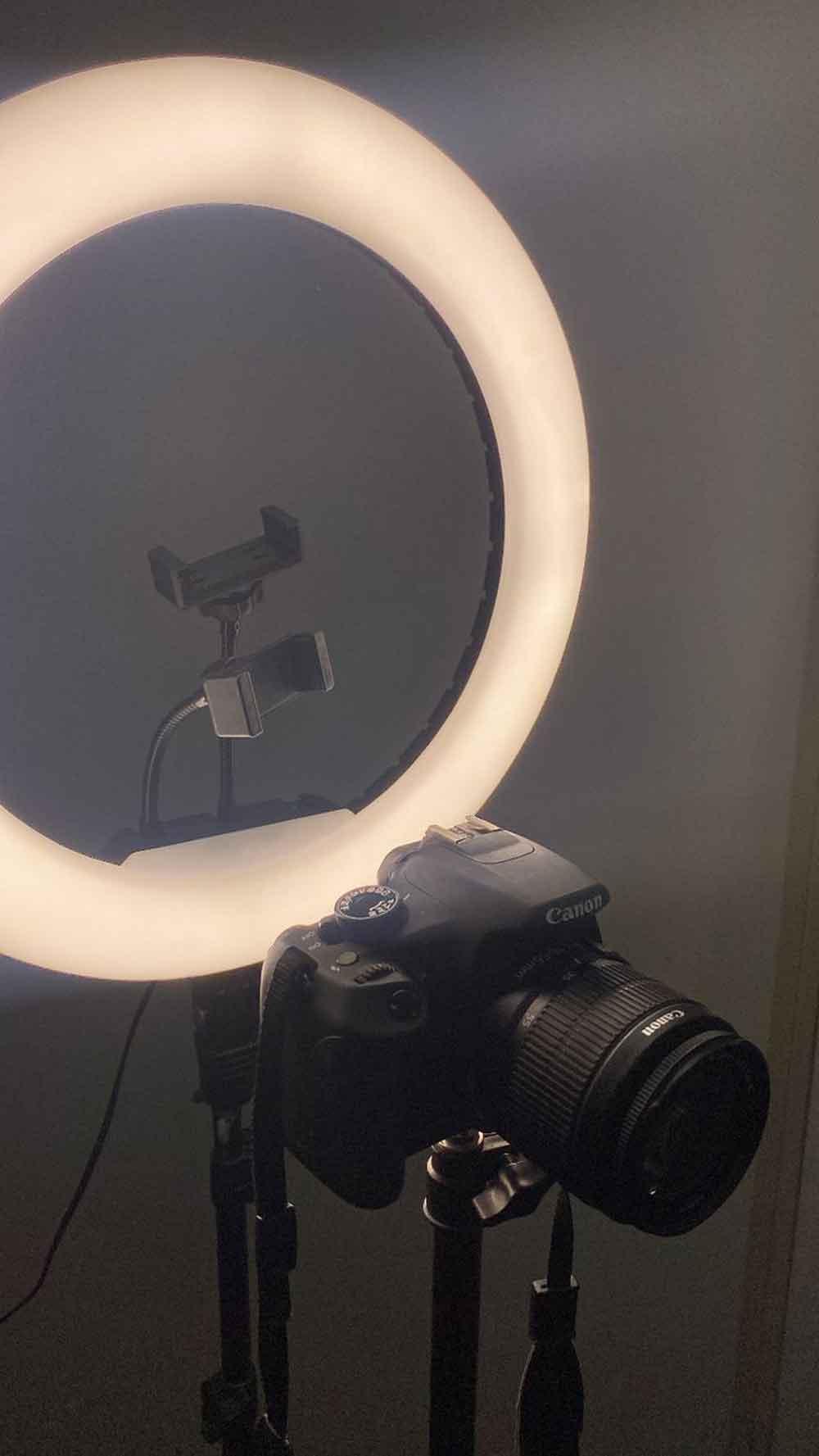
This format spreads fast in Sri Lanka for a very specific reason: we’re a small market, everyone half-knows everyone, and watching someone get publicly corrected feels like content in a way that watching someone build quietly never does. A 45-second video where someone says “this hook is weak, this CTA is wrong, this branding makes no sense” feels like a free masterclass. It isn’t. It’s gossip wearing a clipboard. Compare the actual difficulty of each option. Building a boutique page from zero, testing ten captions that flop, finding the one post that finally converts, and scaling that into actual orders; that takes months, real money, and real public failure along the way. Filming yourself in a car park saying someone else’s hook is bad takes one take, zero risk, and zero moments where your own name could fail in public. One of these is marketing. The other is a man with a ring light borrowing someone else’s attention because he never built enough of his own.
THE TELL IS ALWAYS THE PORTFOLIO
Test any of these accounts the same way every time. Ignore the captions. Go look at what they’ve actually shipped, under their own name, that you can verify. Half the time there’s nothing. A “consulting” Instagram bio with no client list. A “worked with top brands in Sri Lanka” graphic where not one brand is named. A guy who’s been “scaling local businesses” for three years who still needs to sell a Rs. 15,000 course on how he supposedly does it, because apparently scaling local businesses isn’t paying as well as teaching a WhatsApp group how it’s done. That’s not bad luck. That’s the entire business model. The roast is the product, because the actual marketing career never showed up.
WHAT TO ACTUALLY DO WITH THIS
None of this means stop listening to feedback. Real feedback, from someone who has actually built and shipped and survived a launch that flopped, is worth more than almost anything else you’ll get in this industry. The problem isn’t criticism. The problem is criticism worn as a personality by someone who has never once stood on the other side of the thing they’re judging.
So, next time you see someone from a car park or a borrowed co-working space tearing into a small business owner’s ad, ask one question before any of it lands on you: has this person ever built and run the thing they’re criticizing, with their name on it, and can you actually go check? If the answer is no, you’re not watching a marketing lesson. You’re watching someone’s failed influencer career, filmed in 9:16, with better lighting than their actual results ever had. They’d be the one running the agency, building the audience, owning the brand, if they actually could. This is just what’s left when they couldn’t.