MANOSPHERE
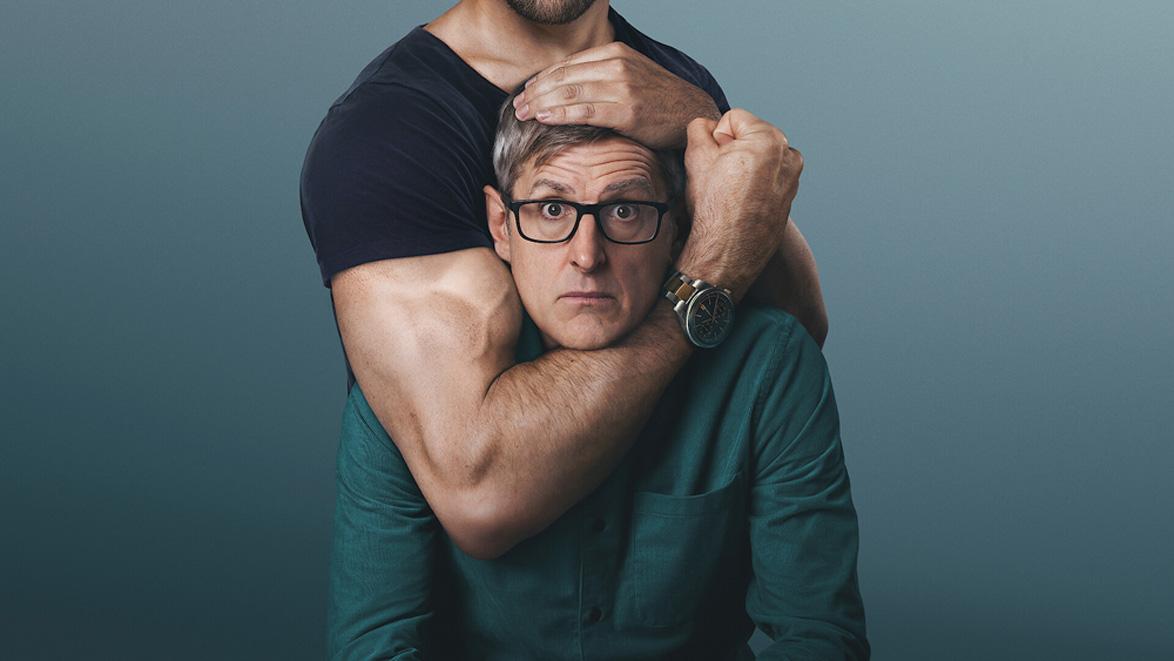
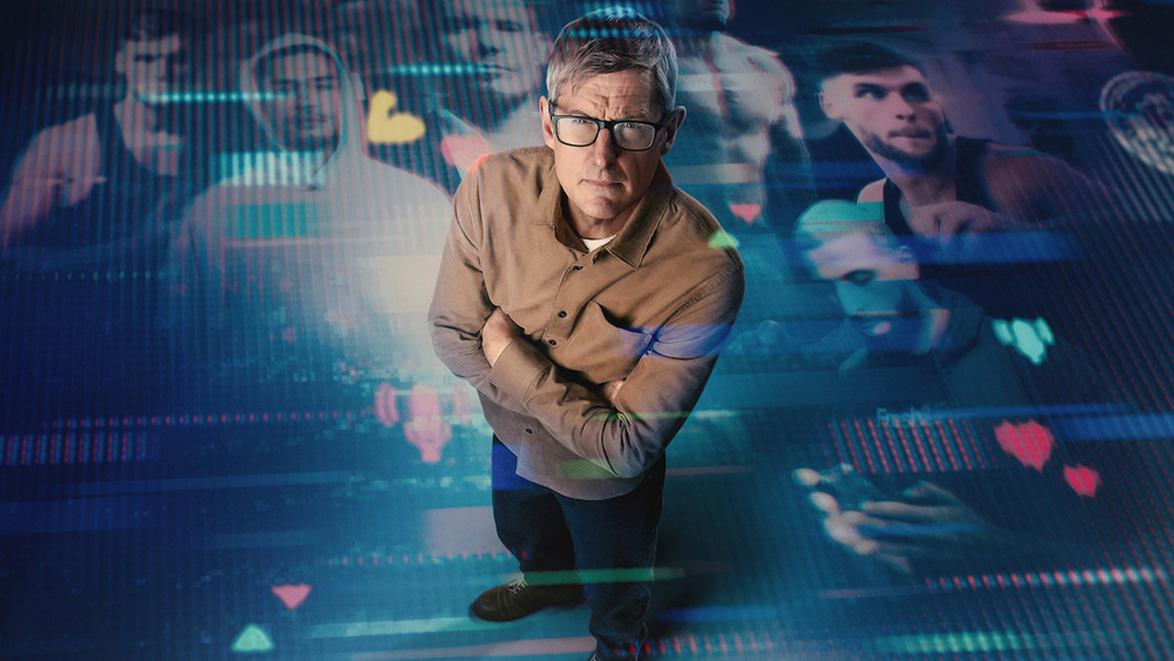
Louis Theroux has built a career on entering difficult spaces with a kind of quiet patience that disarms even the most guarded subjects. In ‘Louis Theroux: Inside the Manosphere,’ his first major documentary for Netflix, he turns his attention to one of the most toxic and influential subcultures on the internet today. The result is not just unsettling. It is deeply disturbing. This is not a film that shocks through spectacle. It unsettles in a slower, more insidious way. What emerges over the course of the documentary is not simply a collection of controversial opinions, but an entire ecosystem built on resentment, performance and profit. The more time one spends inside this world, the more troubling it becomes.
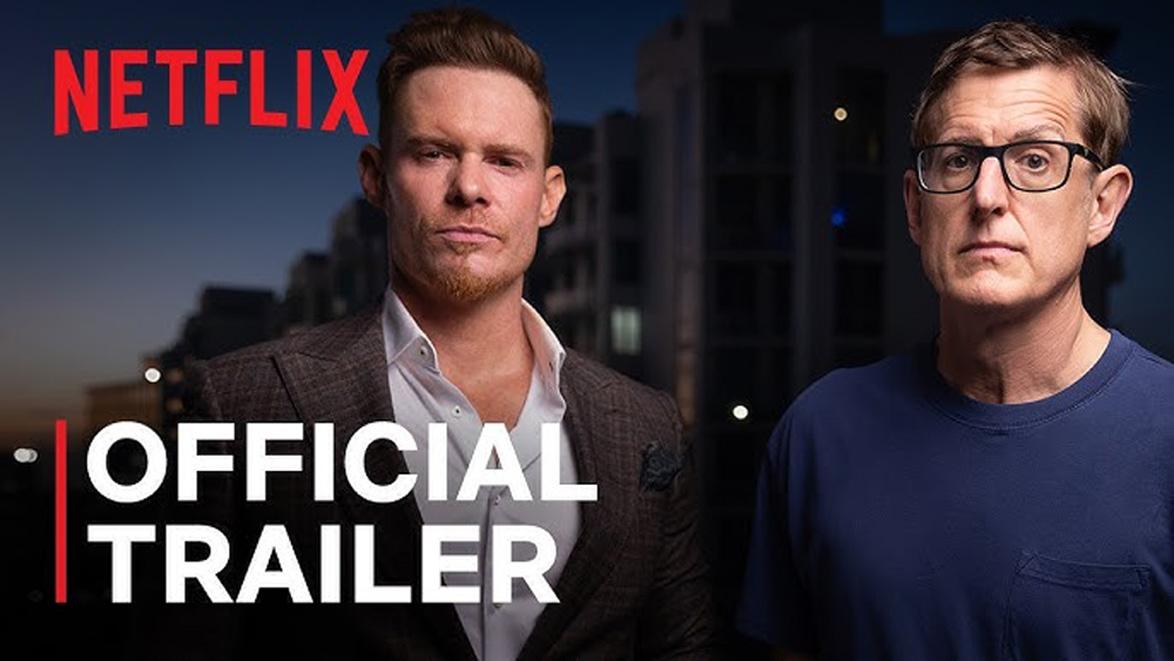 The manosphere, as Theroux presents it, is not a unified movement but a loose network of influencers who position themselves as guides to modern masculinity. At its surface, it promises self-improvement, discipline and success. Beneath that surface lies something far darker. It is a worldview that reduces women to adversaries, frames relationships as transactions and feeds off male insecurity. Theroux meets several of the most prominent figures operating within this space, including Myron Gaines of the Fresh and Fit podcast, Sneako, and the provocateur HSTikkyTokky. These are not fringe figures shouting into the void. They are polished, media savvy personalities with millions of followers and a clear understanding of how to capture attention. Watching them up close is, at times, chilling.
What makes these men particularly unsettling is not just what they say, but how they say it. There is a confidence, even a casualness, in the way deeply misogynistic ideas are expressed. Women are discussed in terms that are transactional and dehumanising, reduced to status symbols or obstacles. The language is often framed as truth telling, as if cruelty itself is a form of honesty. It is this normalisation that makes the documentary so difficult to watch.
Theroux’s method remains consistent with his earlier work. He listens, he observes, and he allows his subjects to speak. This approach creates space for these influencers to reveal themselves in ways that feel unfiltered. There are moments where the absurdity of their logic becomes apparent, where contradictions slip through. Yet there is also a growing sense that simply allowing these ideas to unfold is not enough. The discomfort of the film lies in this tension. Theroux is calm, measured, almost gentle in his questioning, while the world around him feels increasingly aggressive and extreme. There are points where the viewer longs for a sharper challenge, a more forceful interrogation of the ideas being presented. Instead, the documentary often holds back, and in doing so, it risks allowing these voices to dominate the narrative.
What the film does capture with striking clarity is the machinery behind the manosphere. These influencers are not just ideologues. They are entrepreneurs. Outrage is monetised. Provocation is strategy. The more extreme the statement, the greater the engagement. It is a system that rewards escalation, where pushing boundaries is not just encouraged but necessary for survival.
Several of the figures Theroux encounters appear acutely aware of this dynamic. There are hints, sometimes subtle and sometimes explicit, that their online personas are heightened versions of themselves. Performance and belief begin to blur. It becomes difficult to tell where the act ends, and the ideology begins. This ambiguity is one of the most disturbing aspects of the documentary, because it suggests that even those spreading these messages may not fully believe them yet continue to do so because it is profitable.
Equally unsettling is the film’s exploration of the audience. Theroux spends time with young men who follow these influencers, and it is here that the documentary gains a deeper emotional weight. These are not caricatures. They are individuals searching for direction, for identity, for a sense of control. The manosphere offers them simple answers in a complicated world. It tells them who to blame and how to reclaim power. There is something profoundly sad in these interactions, but also something alarming. The ease with which resentment is validated, the speed at which frustration is redirected towards women, creates a feedback loop that is difficult to break. The documentary does not sensationalise these followers, but it does reveal how vulnerable they are to the messages they consume.
Visually, the film is understated, almost deceptively simple. Much of it unfolds in controlled, curated environments that mirror the aesthetics of the influencers’ own content. There is a stark contrast between the polished online image and the more awkward reality of in person conversations. This contrast quietly exposes the performative nature of the personas on display. Yet it is the tone of the film that lingers most. There is an undercurrent of unease that grows stronger as the documentary progresses. What begins as curiosity slowly shifts into something heavier, more disquieting. By the end, it is difficult to shake the sense that what has been witnessed is not just a subculture, but a movement with real and lasting consequences.
The central criticism of the documentary lies in its restraint. Theroux’s refusal to fully confront his subjects feels, at times, like a limitation. In previous work, this approach has allowed viewers to draw their own conclusions, often with powerful effect. Here, the stakes feel too high for such distance. The ideas being presented are not abstract. They are actively shaping attitudes, influencing behaviour and reaching vast audiences. By giving figures like Myron Gaines, Sneako and HSTikkyTokky extended space to articulate their views, the film risks amplifying them. There is a fine line between documenting and legitimising, and the documentary occasionally edges uncomfortably close to the latter. This does not negate its value, but it does complicate it.
Despite this, the film remains compelling. Theroux’s presence anchors the chaos, providing a quiet counterpoint to the noise. His willingness to sit with discomfort, to ask questions without raising his voice, continues to be both his greatest strength and his greatest limitation. It draws people in, but it also leaves certain challenges unspoken. What makes Inside the Manosphere so affecting is that it does not offer resolution. It does not neatly dismantle the ideology it examines, nor does it provide easy answers. Instead, it leaves the viewer with a sense of unease, a recognition of how widespread and entrenched these ideas have become.
This is a deeply disturbing film, not because it is exaggerated, but because it feels so real. The influencers Theroux encounters are not hiding in the shadows. They are visible, influential and growing in reach. The young men who follow them are not outliers. They are part of a broader cultural shift that is still unfolding. In the end, Louis Theroux: Inside the Manosphere is less a definitive critique than a troubling portrait of a world that is expanding in plain sight. It is a documentary that raises urgent questions without fully answering them, and perhaps that is precisely why it lingers. It forces the viewer to confront not just what is being said, but why it is being heard.