Featuring Yohani de Silva
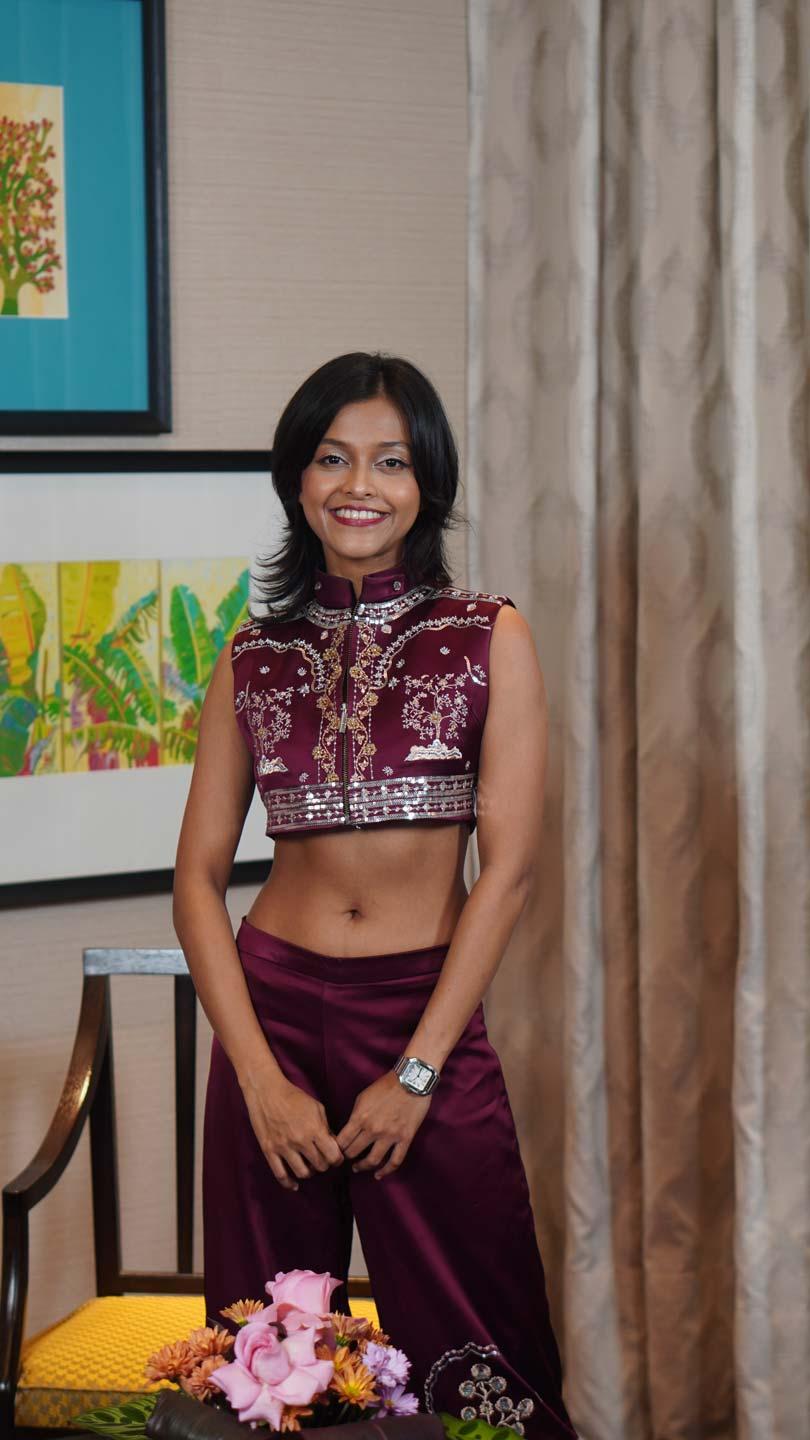
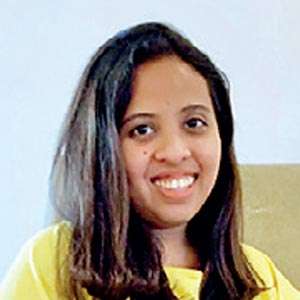
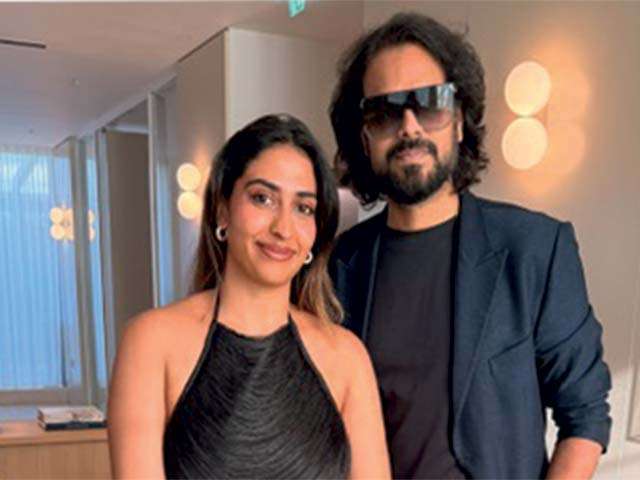
Yohani de Silva joined Kumar de Silva and Rozanne Dias on Fame Game for a candid conversation about her journey from making casual guitar covers on YouTube to becoming one of Sri Lanka’s most internationally recognized young musicians. She spoke about the unexpected international success of her music, her beginnings outside the music industry, the importance of continuous learning, working with management, performing for international audiences, handling criticism and choosing brands that align with her values.
Q: Before your international breakthrough, what were you doing, and how did your musical journey begin?
A: Music was not originally the career I had planned for myself. I had always wanted to be involved in business and worked at a shipping line and later at a parts manufacturing company. While pursuing my master’s degree, I started a YouTube channel where I casually uploaded guitar covers in my free time. What began as a hobby gradually developed into something much bigger. Before the international attention, I had already released original music and gained some recognition in Sri Lanka through my videos. That existing body of work helped more people discover my music when the international attention eventually came.
Q: Did you have any formal musical training?
A: I studied instruments rather than formally training as a singer. I took piano lessons and completed both practical and theory examinations, while at school I played the trumpet and was part of the Western Band at Visakha Vidyalaya. I started playing the guitar after a friend’s father challenged me to learn and sing one song within a day in exchange for a guitar. I chose Hey, Soul Sister, learned its four chords and managed to play it the following day. That was how I got my first guitar. I then continued learning through online resources. When I decided to pursue music professionally, I studied with several teachers to understand different approaches and find what suited my voice and musical style. I also took online classes with teachers in the United States and continue to receive voice training today.
Q: When your music went viral internationally, particularly after being shared by major Indian personalities, what was your first reaction?
A: My first thought was not about becoming a global star, but about what I should do next. Once something becomes successful, you have to think about how to sustain it. I was considering whether I should go to India, remain in Sri Lanka and continue making music, or even move to India and start over there. I also had to consider the language and whether I would need to learn it and prepare a set list accordingly. I had always wanted my music to reach a larger audience, but I never expected it to happen on this scale. In a way, I think I may have accidentally manifested what I had always wanted.
Q: Did you ever expect your music to reach such a large international audience?
A: No, that was never something I specifically expected. My main ambition was always for my music to reach a wider audience. That remains my focus. I have released many original songs, but I do not measure their success simply by how many become viral. As an artist, my priority is to release my music and allow my audience to hear it. Even if a song reaches only 100 people or 10,000 people, I still want to put it out. What happens after that is ultimately up to the audience.
Q: With so many original songs, do you decide which ones should receive more promotion?
A: The promotional strategy is handled by my management, while my responsibility is to continue creating and making music. When deciding which songs to focus on, we discuss them as a team. There are naturally different perspectives, as an artist may have a particular creative preference while the management team may have a different view of what works best. There may be disagreements and compromises, but ultimately, we try to find a middle ground that works for everyone. My main focus is to keep creating and releasing music.
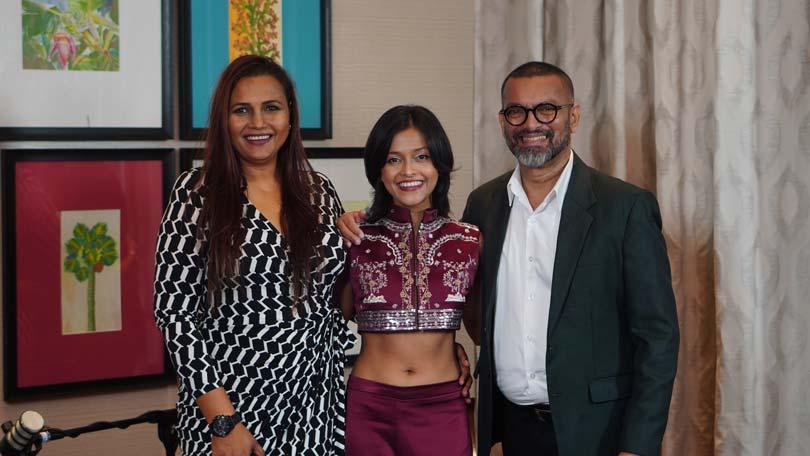
Q: You have collaborated with international artists. Which collaboration stands out for you?
A: One particularly memorable project was a song connected to the ICC World Cup, which I did with Sean Paul. I had a small verse in the song and recorded my part while I was in India. I did not meet Sean Paul personally because our teams worked together through communication and email, but it was still a significant experience for me.
Q: Would you like to pursue more playback singing and work in films?
A: I have already done several playback projects. I recorded the Indian version of Manike for the film Thank God. I have also worked on other films and recorded songs in Telugu and Tamil. I have now also recorded a song for a Sri Lankan film. It is my first movie song in Sri Lanka, so I am particularly excited about it. The film is expected to be released this year, although I cannot share many details yet.
Q: Do you still have a private life away from music and public attention?
A: Not really. Initially, I found the lack of privacy quite irritating because I felt I could not do things on my own. I was constantly worried that something I did might end up on social media. Eventually, I realised that putting so much pressure on myself not to be myself was creating even more stress. It was not simply about people watching me; much of the pressure was in my own mind. Now, I have accepted that this is part of my life.
Q: You have faced criticism and backlash publicly. How do you respond to it?
A: I generally do not respond. I have faced backlash, but I have maintained silence. I feel there is so much more to do than simply comment on what people say. I do not want to get stuck in that space. I would rather focus on my work and continue moving forward.
Q: You play several instruments. What motivates you to keep learning new ones?
A: I enjoy learning new things and experimenting. I play the piano, guitar and trumpet, among other instruments, and I think learning different instruments comes naturally to me. There is always an interest in trying something new and understanding how it works. Some of the instruments are connected in terms of musical skills, so learning one can also contribute to understanding another. I simply enjoy the process of learning and experimenting.
Q: Do you notice a difference between Sri Lankan audiences and audiences overseas?
A: I do notice some differences, but not necessarily in the way people show their love or appreciation. In India, fans can be extremely expressive. However, I think the size of the population also contributes to the scale of the response. Sri Lanka is a much smaller country, while a city such as Mumbai alone has a population comparable to or larger than Sri Lanka’s. When you look at the numbers, the difference becomes easier to understand. I do not think the basic way fans appreciate music is dramatically different. It is more a matter of scale.
Q: Do you personally respond to fans who reach out to you?
A: Yes, absolutely. Sometimes messages and calls come directly to me, while others come through my team. We have official contact details, so people can also reach the team. When possible, we invite fans to meet us at shows or other events. I have also invited groups of children to shoots, and sometimes I give fans tickets to attend my shows or visit the office.
Q: Some people have suggested that the viral success of your music was strategically planned. What would you say to that?
A: If I had strategically planned the viral success and had a formula that worked, I would have the strategy to do it again. Since I have not been able to simply repeat that same phenomenon, perhaps it was not something that could be planned in that way.
Q: Have you met some of the artists who shared your music after it became popular?
A: Yes. Since signing with T-Series and spending time in India, I have met many artists. Some of those relationships have also led to collaborations. I have enjoyed meeting artists who were part of that period of my journey and continuing to build relationships within the Indian music industry.
Q: Why have you partnered with Lovi?
A: Lovi fits with my vision of taking Sri Lankan music and Sri Lanka to the world. I see a similar ambition in what the brand is doing, and that is something I respect. It is not the only brand I wear, but I feel there is a genuine connection between what I want to represent and what Lovi represents. The partnership is therefore about more than simply wearing a particular label. It is about finding common ground between two brands and their respective visions.
Q: When choosing brands to endorse, what principles guide you, particularly because you are seen as a youth icon?
A: The first thing I consider is whether I genuinely like the product or service. I need to be able to use the product or service myself and genuinely like the people and the brand I am working with. That is especially important to me when choosing partnerships. If something involves fashion or music, there should also be a connection with who I am and what I want to represent. I also look for brands that have a vision to do bigger things rather than simply exist in the market. I think it is important to work with people and organisations that aspire to improve and move forward.
Q: What advice would you give young girls who want to pursue music and build a career through social media?
A: Keep creating and keep improving yourself. Learn new skills and continue developing the skills you already have. Learning is one of the main things I continue to do myself, so that is the advice I would give to anyone starting out. Social media can provide many opportunities, but it can also expose young people to negativity. My advice is not to react to everything people say, particularly negative comments. If you know the path you want to take, keep moving forward. Negative opinions do not necessarily define your journey. What matters is knowing what you want to achieve, continuing to learn and continuing to create. For me, the message remains simple: keep learning, keep creating and do not allow negative reactions to distract you from your path.