The D Word: Why Divorce Still Feels Like a Swear Word in South Asia!
In many South Asian households there are words that people simply do not say out loud. Death. Money. Mental illness. And somewhere high on that unspoken list sits divorce. It is the word whispered between relatives, hinted at over cups of tea, or wrapped carefully inside phrases such as “things did not work out.” The word itself often feels like a social transgression. Across countries like India, Sri Lanka, Pakistan, and Bangladesh, divorce remains far more than a legal process. It is treated as a moral failure, a family scandal, and in many cases a stain that can linger for years. Even as cities modernise and women gain economic independence, the cultural discomfort around divorce persists.
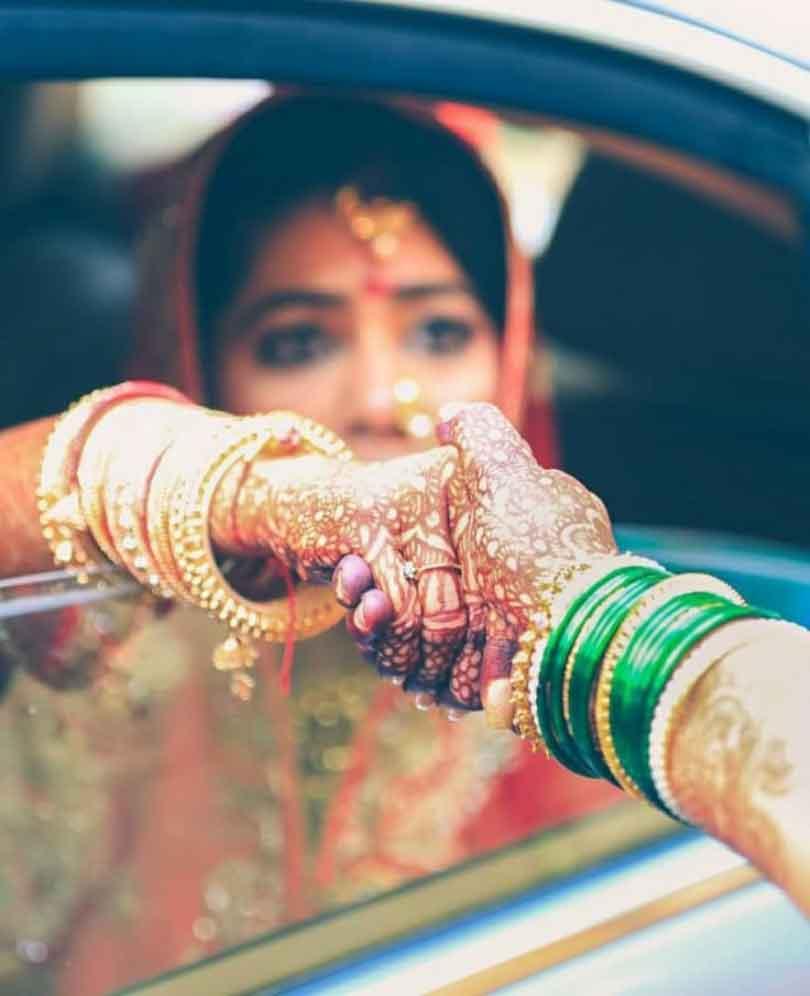
Part of this discomfort comes from how marriage has traditionally been understood in South Asia. Marriage is rarely seen as a private contract between two individuals. Instead, it is a union between families, communities, and sometimes entire social networks. A wedding is not just a ceremony. It is a public declaration that two families have joined their futures together. When divorce happens within that framework, the fallout is rarely contained between the couple themselves. Parents feel embarrassed. Relatives worry about what neighbours will say. Younger siblings fear that a broken marriage might affect their own prospects. The emotional weight spreads outward, turning a deeply personal decision into a collective anxiety.

For women the pressure is often far heavier. In many communities a divorced woman still faces harsh social judgement. She may be described as difficult, selfish, or unable to compromise. Questions about her character can follow her for years. Even today, matrimonial advertisements in newspapers often include the phrase “never married,” as though divorce signals a flaw that must be explained away. Men, by contrast, tend to face less stigma. A divorced man is often assumed to have simply had a marriage that did not work out. A divorced woman may find her entire identity reduced to that one word.
Religion and tradition also play a role in shaping attitudes. South Asia is home to deeply rooted spiritual and cultural practices where marriage is often seen as sacred and enduring. In Hindu ceremonies, couples walk around the sacred fire promising lifelong companionship. In Buddhist cultures marriage may not be religiously binding in doctrine but social expectations still emphasise endurance and patience. In Muslim communities marriage is recognised as a contract that can end, yet cultural stigma around divorce remains powerful. The result is a paradox. Legally divorce exists and is increasingly accessible. Socially it remains taboo.

Statistics across the region reflect this tension. Divorce rates in South Asia are still among the lowest in the world. In India, for example, the divorce rate remains below two percent. Sri Lanka’s numbers are similarly low compared with Western countries. Yet family courts across major cities report rising cases, particularly among younger urban couples. This suggests that attitudes are shifting, albeit slowly. Education, urbanisation, and economic independence have begun to change how people think about marriage. Younger generations are more likely to prioritise emotional compatibility and personal well-being. When relationships become unhealthy or deeply unhappy, divorce is gradually being viewed as a possible solution rather than an unthinkable disgrace. Social media has also played a subtle role in reshaping conversations. Influencers, writers, and public figures increasingly speak openly about separation, co-parenting, and life after divorce. These stories challenge the long-held narrative that divorce marks the end of happiness.
Yet stigma has a stubborn way of surviving even in modern spaces. Families may accept divorce in theory while still fearing its impact in practice. Many couples remain trapped in unhappy marriages because the social cost of leaving feels too high. Silence becomes easier than confrontation. This silence can have profound consequences. Mental health professionals across South Asia often point out that the pressure to preserve appearances can push individuals into years of emotional distress. In extreme cases it may even expose people to prolonged domestic conflict or abuse.
Recognising divorce as a legitimate choice does not mean celebrating the breakdown of relationships. It simply acknowledges that not all marriages are meant to last forever. Two people may enter a relationship with hope and sincerity, only to discover that their lives are moving in different directions. In societies that place enormous value on family harmony, accepting this reality can be uncomfortable. But social attitudes are not fixed. Just as ideas about education, careers, and gender roles have evolved over time, perceptions of marriage are slowly shifting as well. Perhaps the real challenge is learning to separate the idea of divorce from the notion of failure. Relationships end for countless reasons, many of which have little to do with blame. When divorce is treated as a taboo word, people are denied the chance to speak honestly about their lives.

The D word should not carry the weight of scandal. At its core, divorce is simply a recognition that two people are choosing different paths forward. And in a region where family values are deeply cherished, perhaps the most compassionate response is not judgement but understanding. After all, the strength of a society is not measured by how long people stay in unhappy marriages. It is measured by how much empathy it shows when lives take unexpected turns.