Schiaparelli: Fashion Becomes Art in London
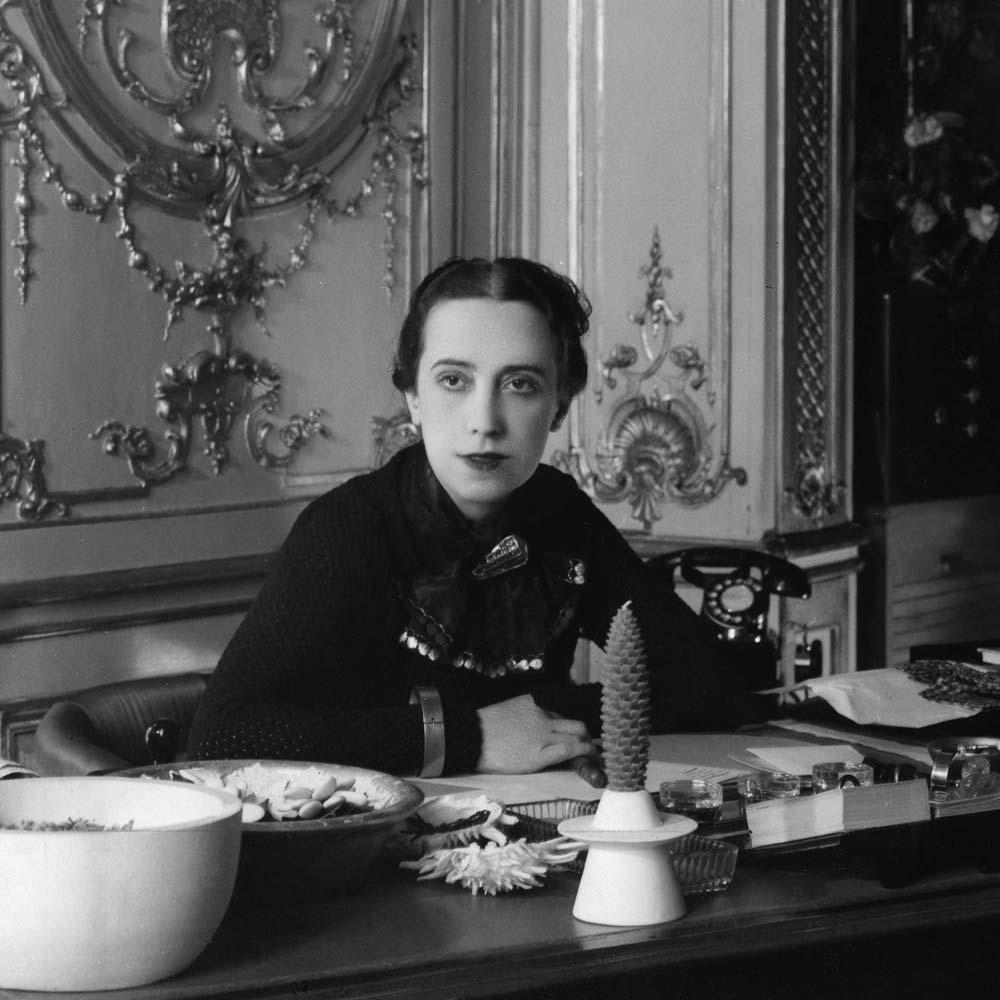
Elsa
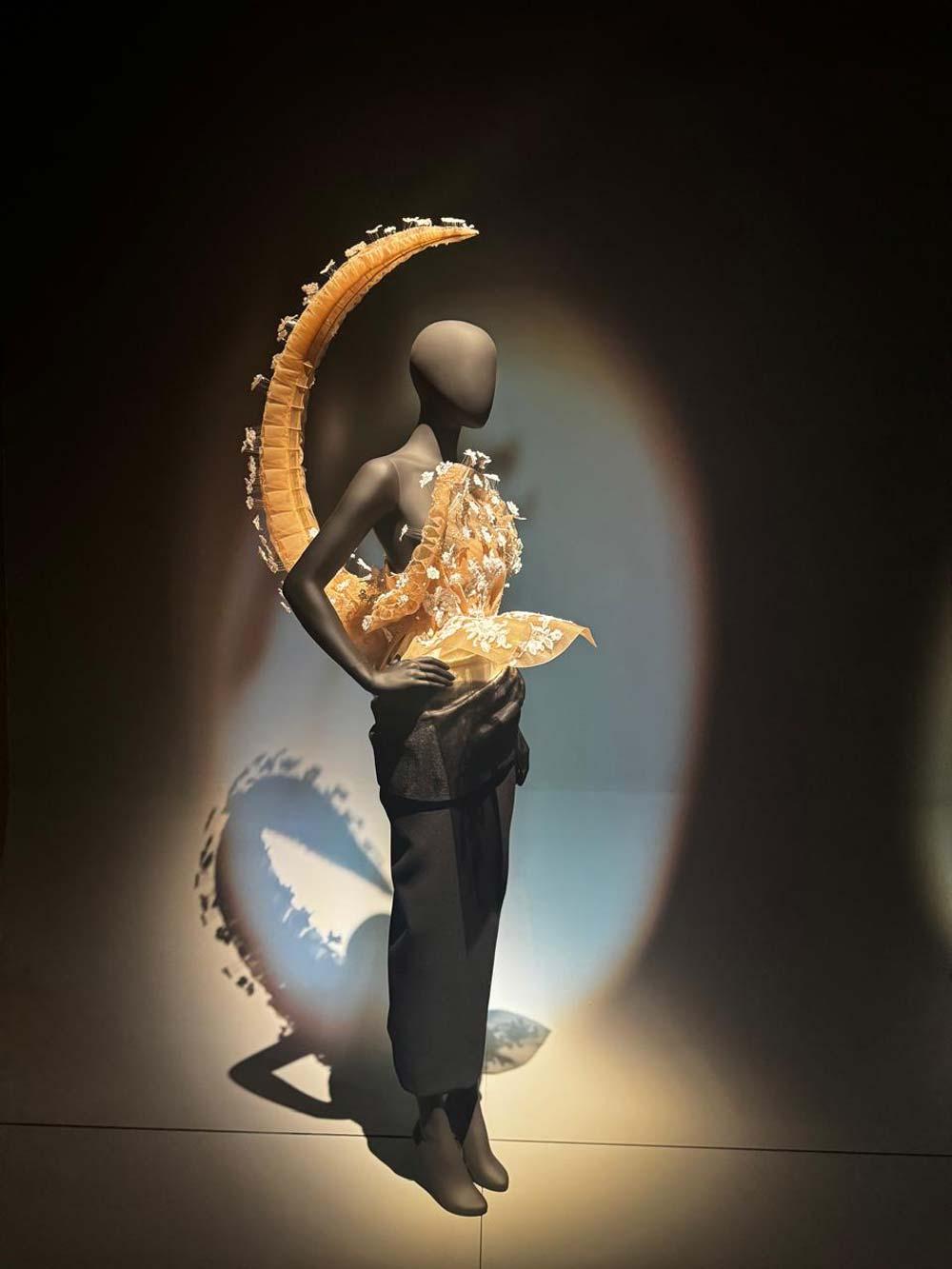
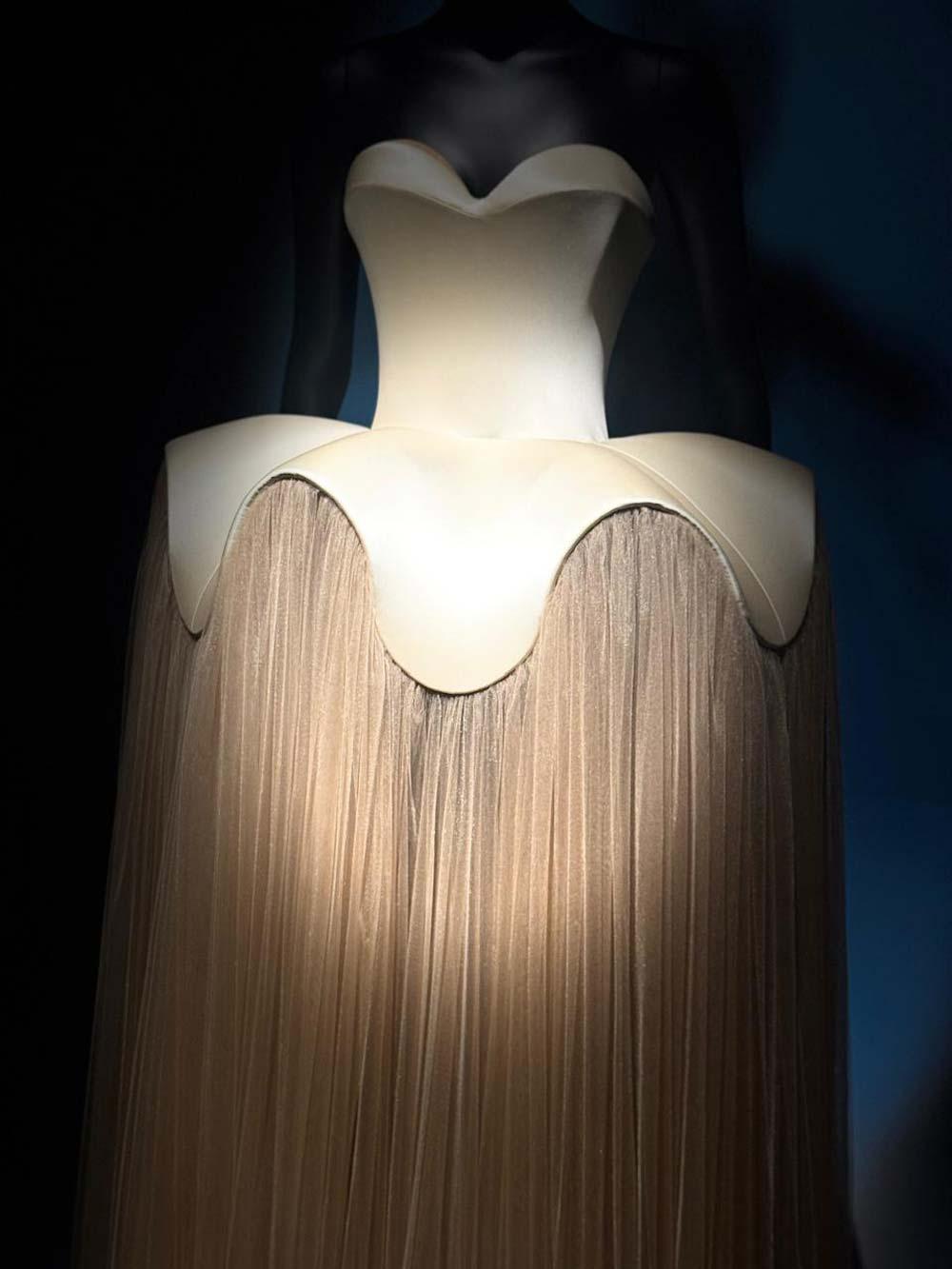
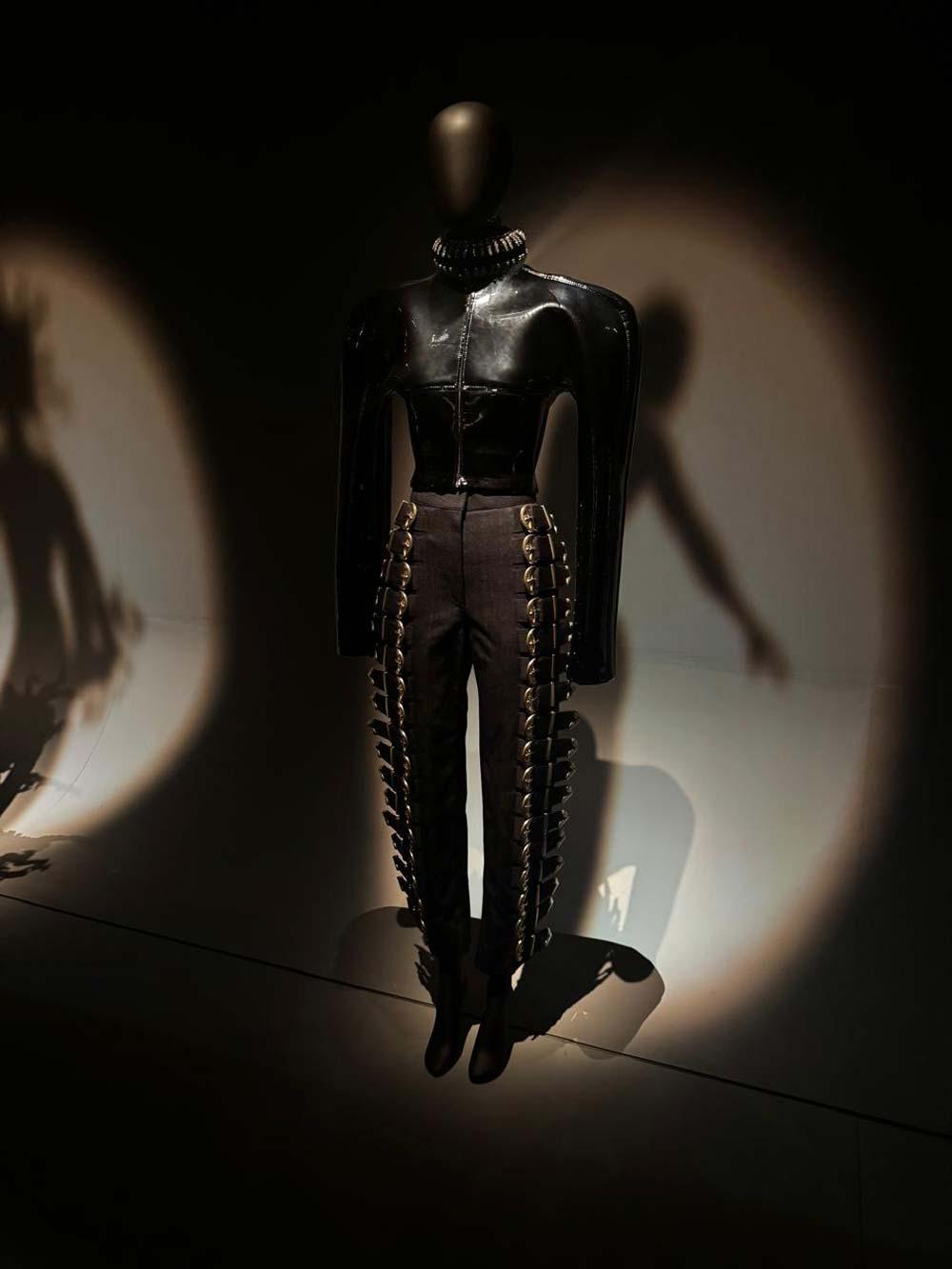
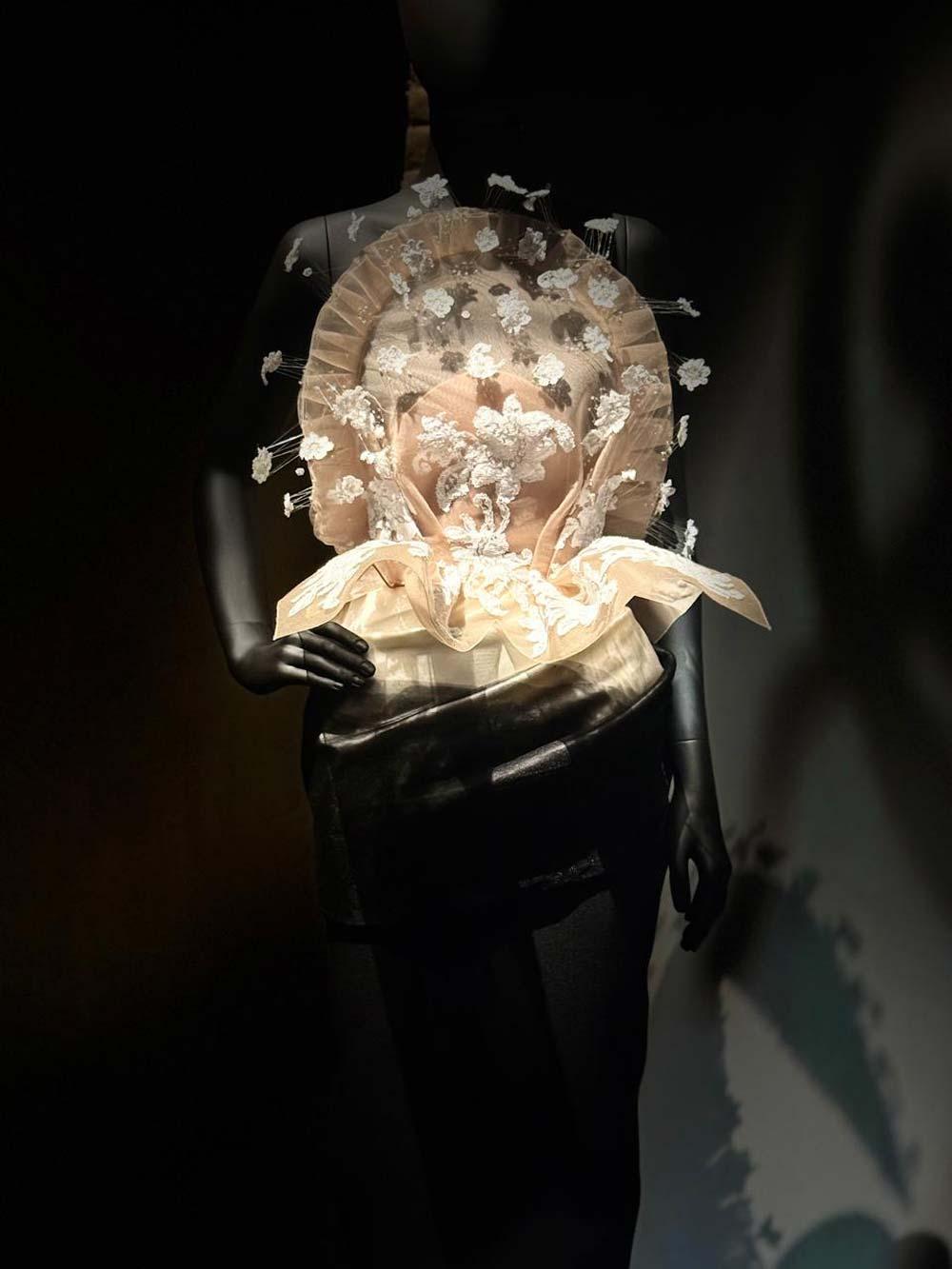
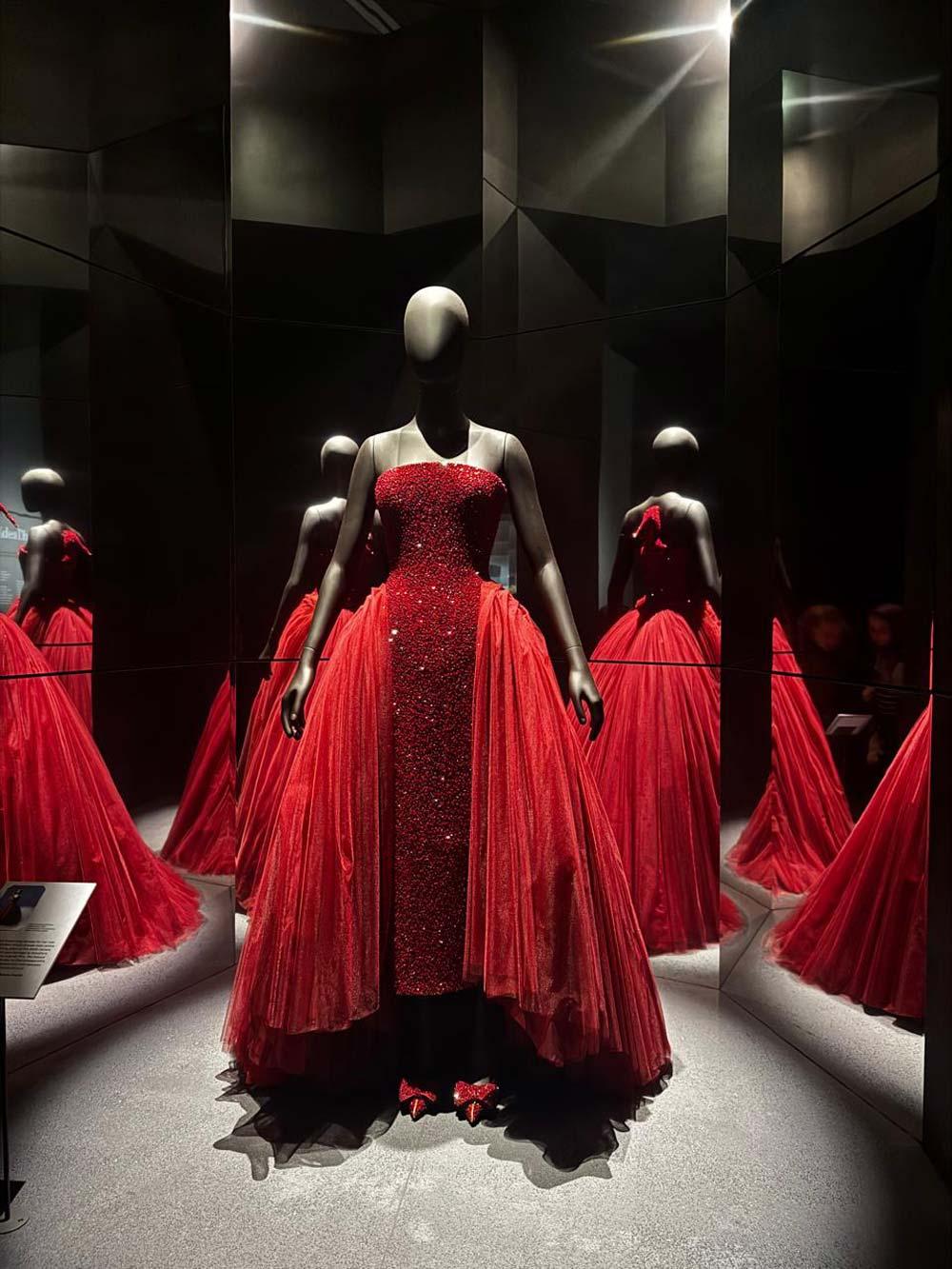
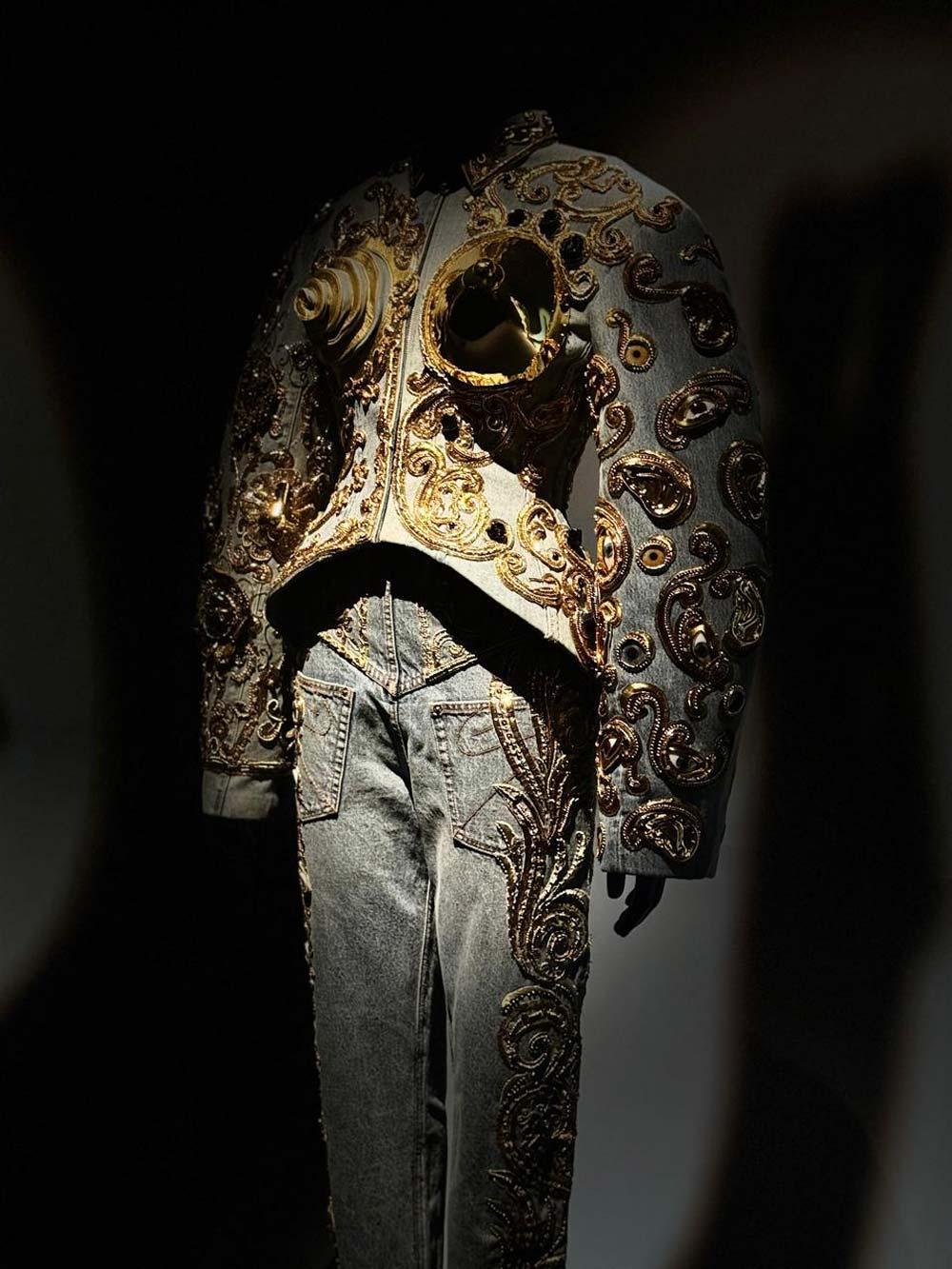
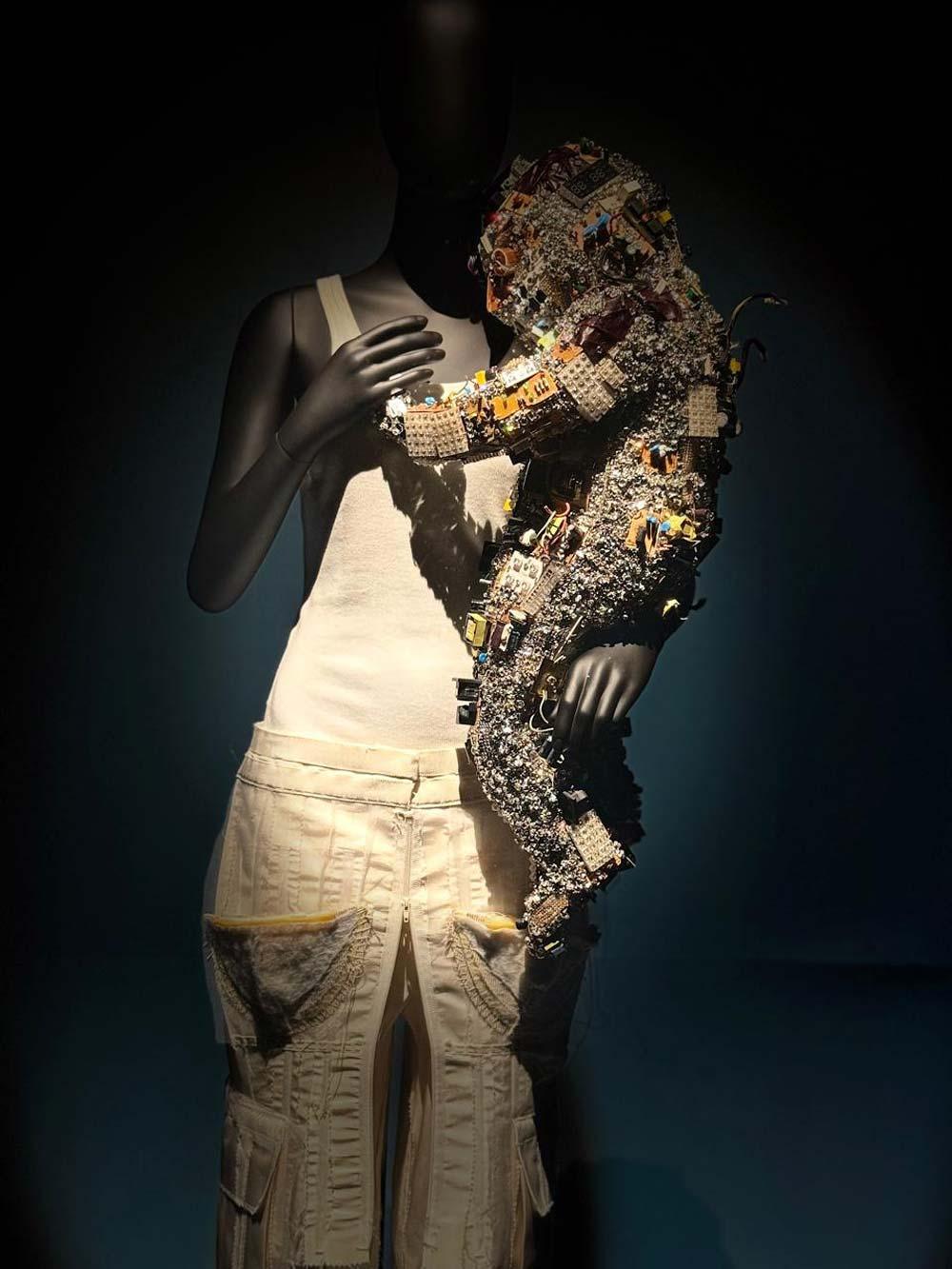
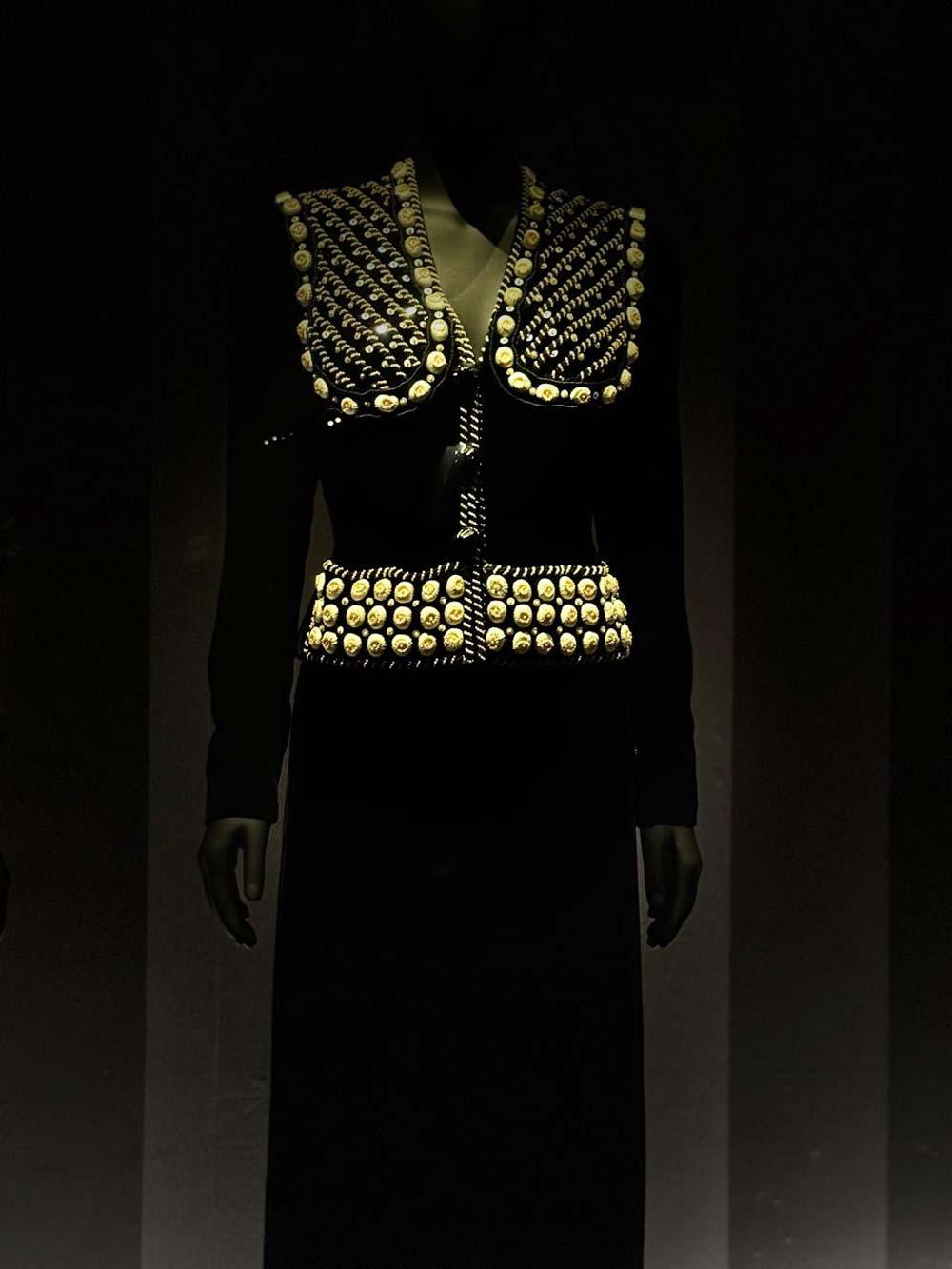
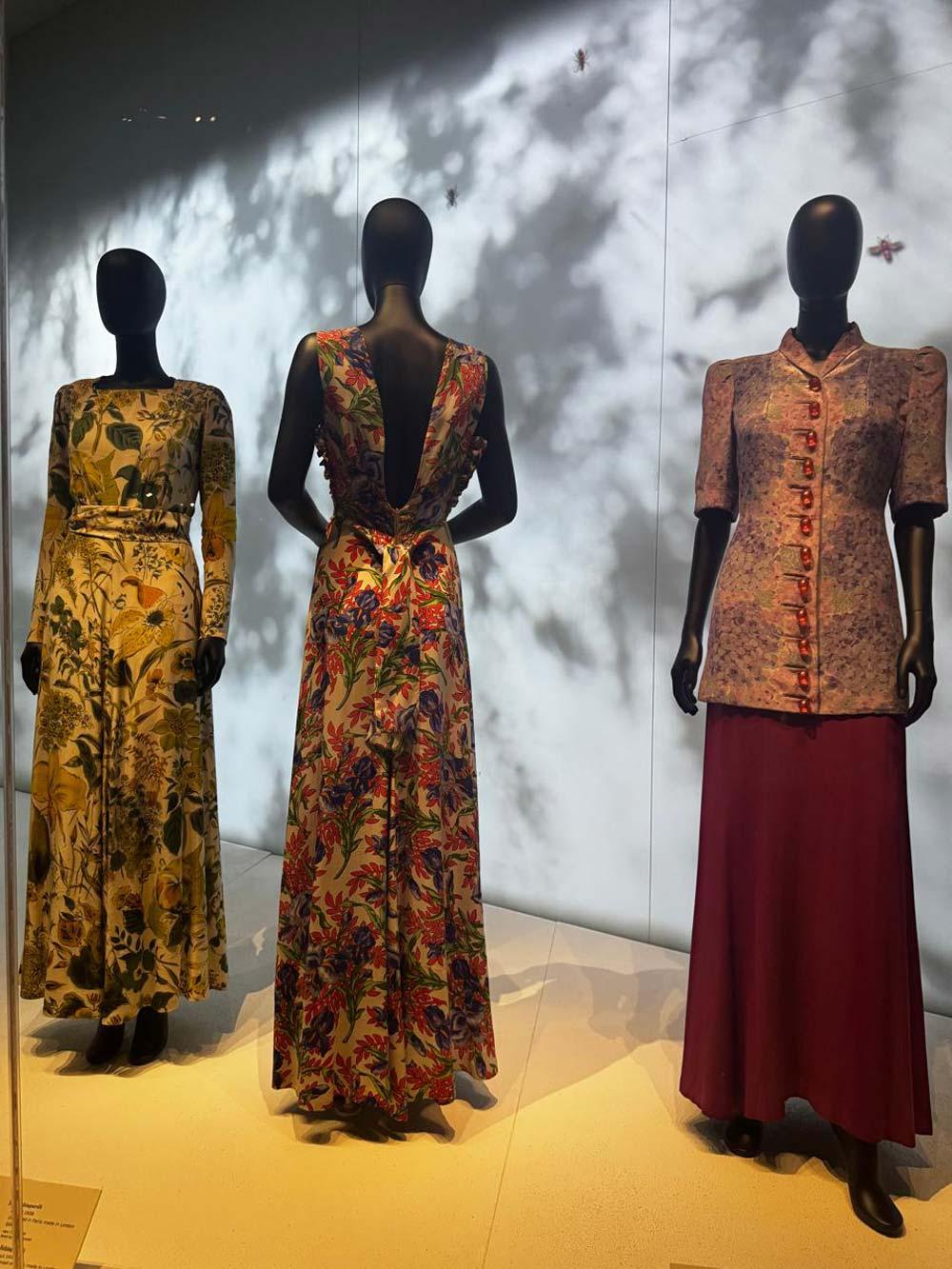
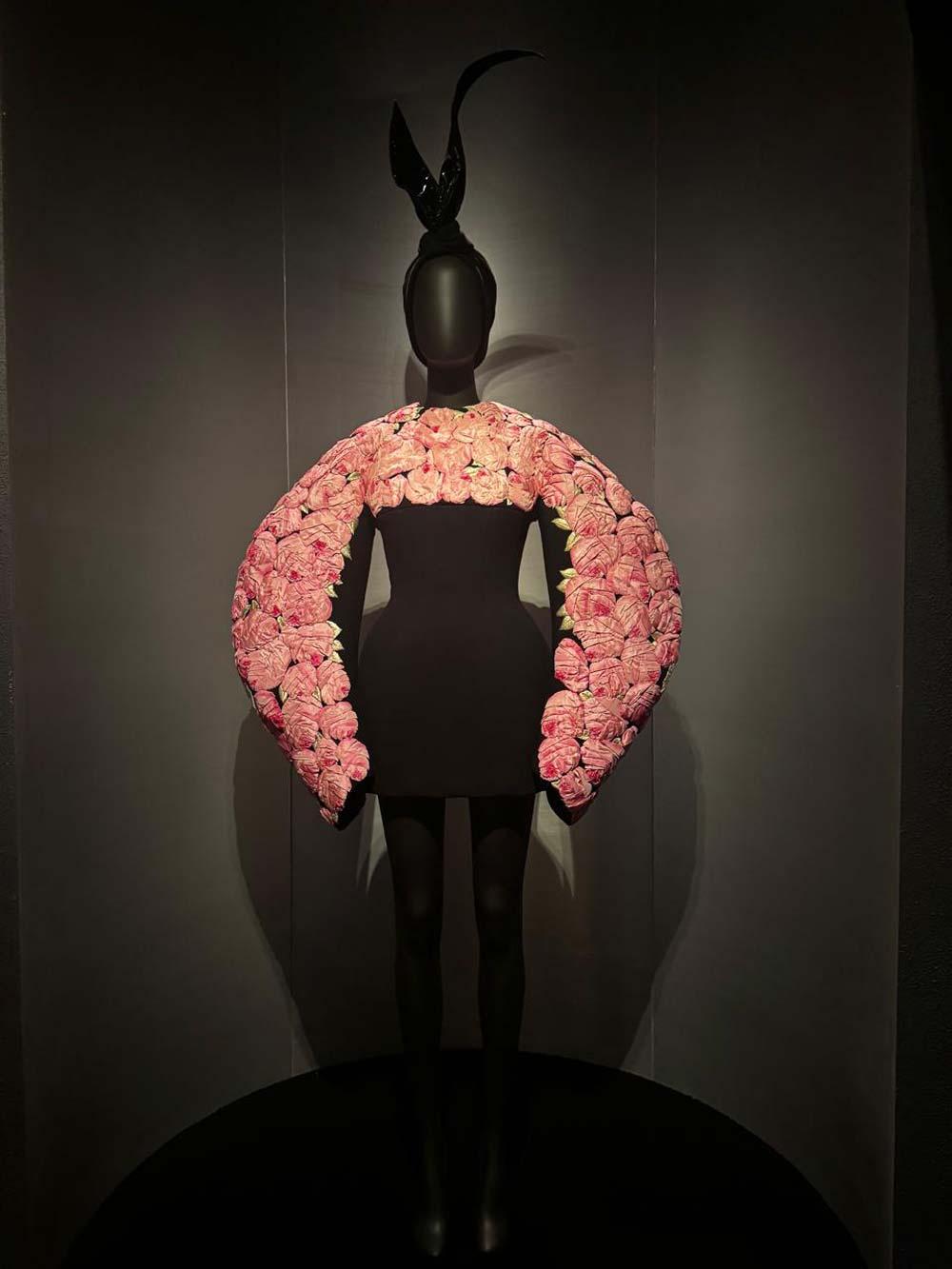
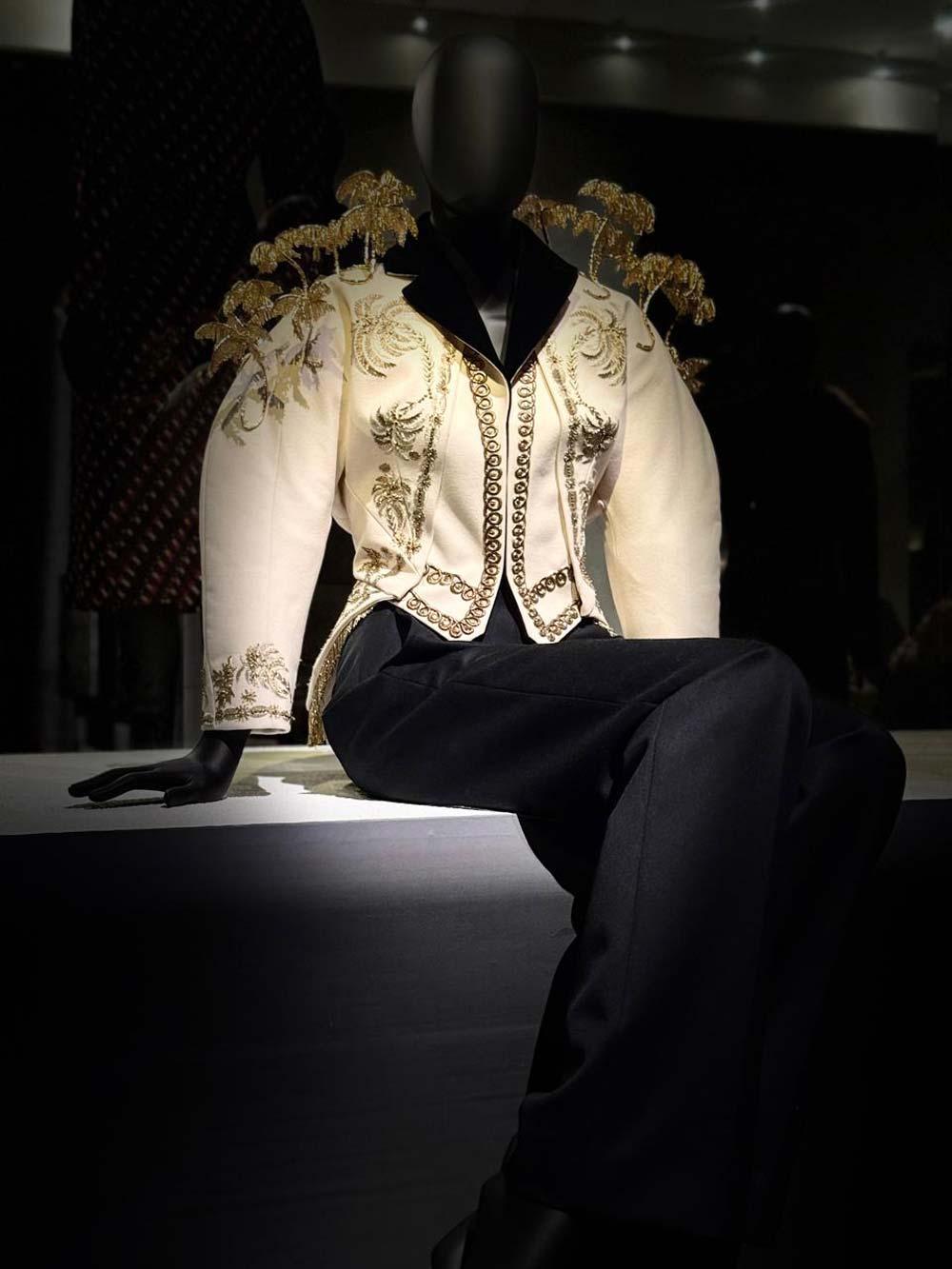
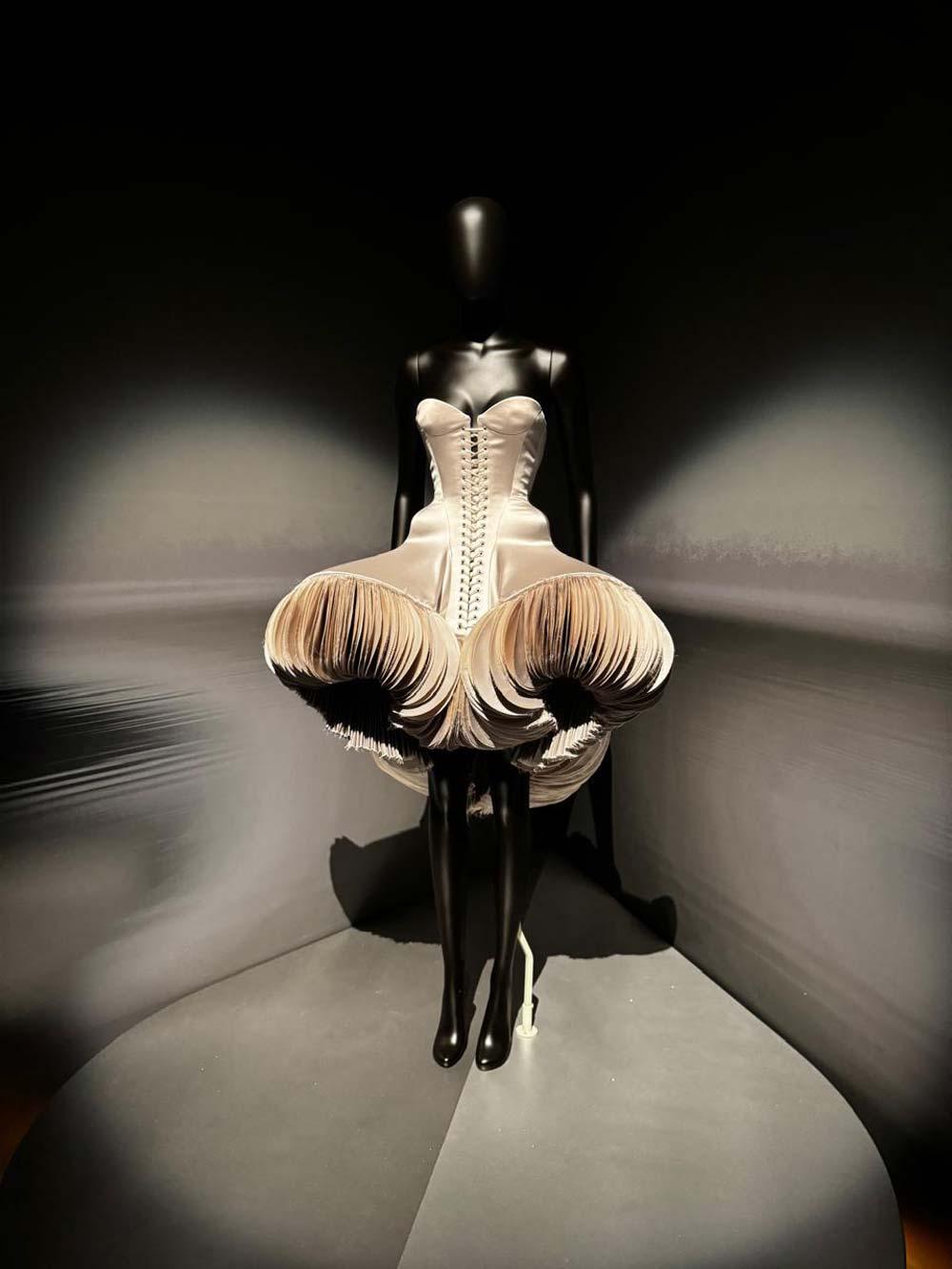
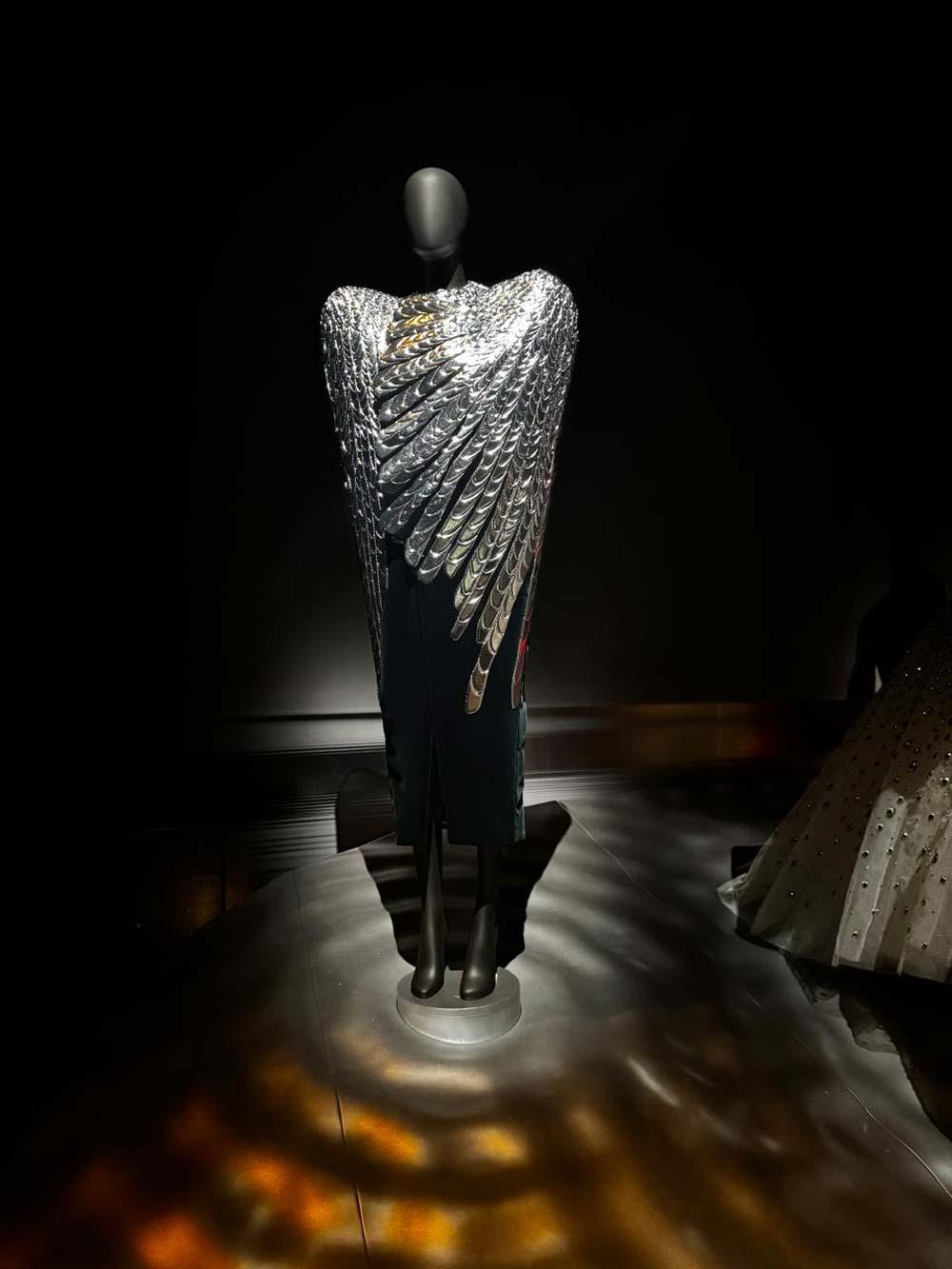
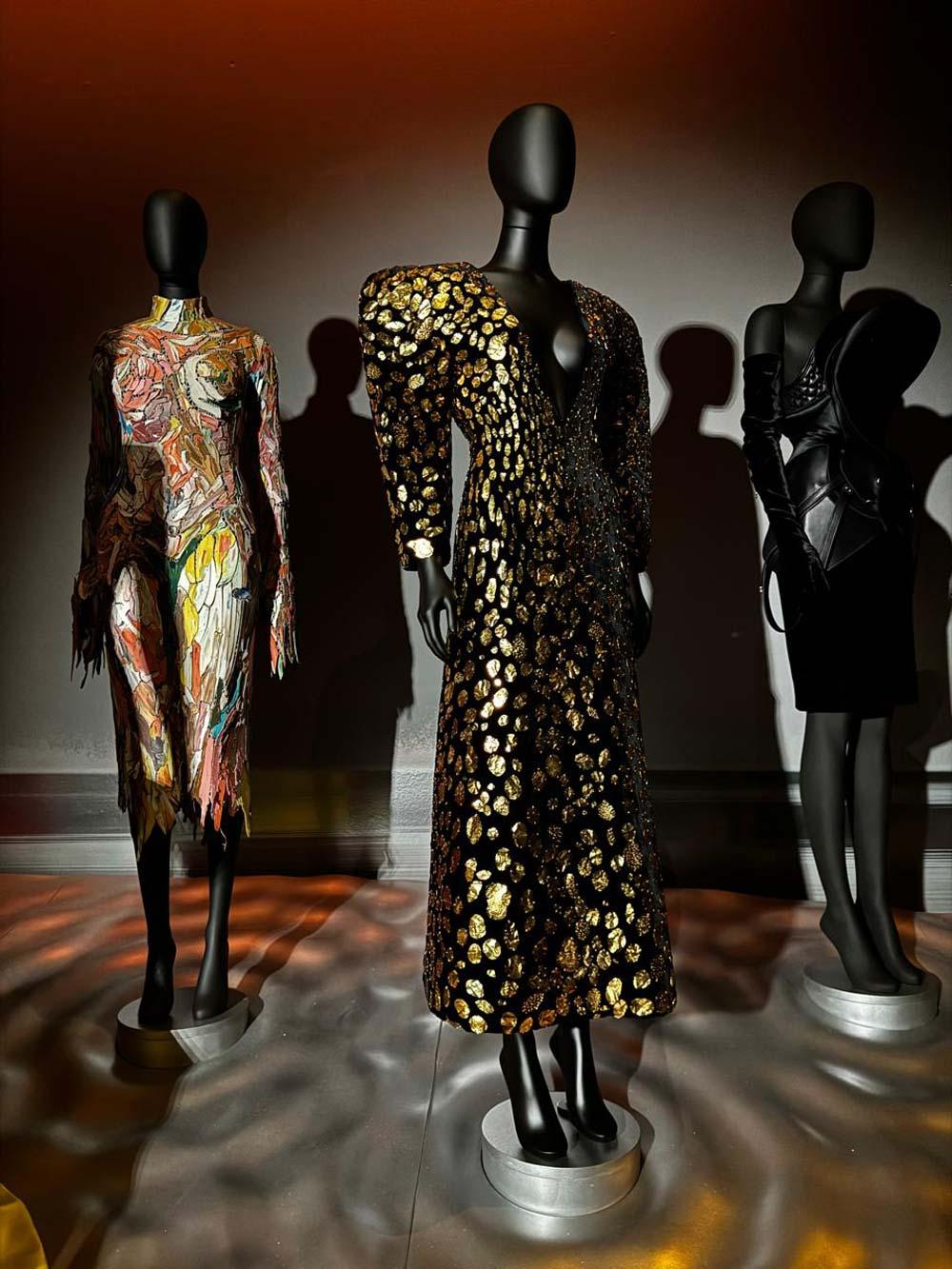
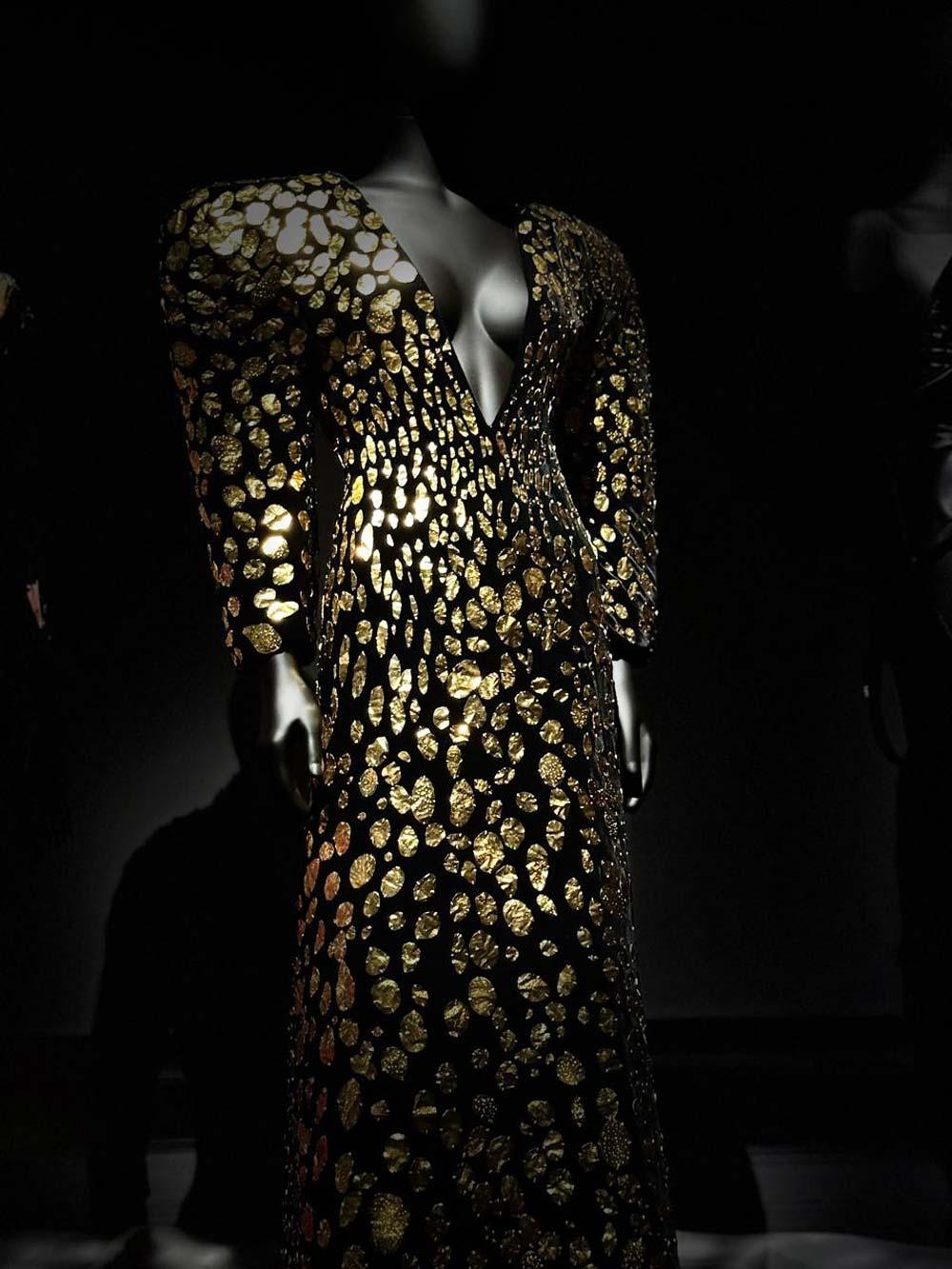
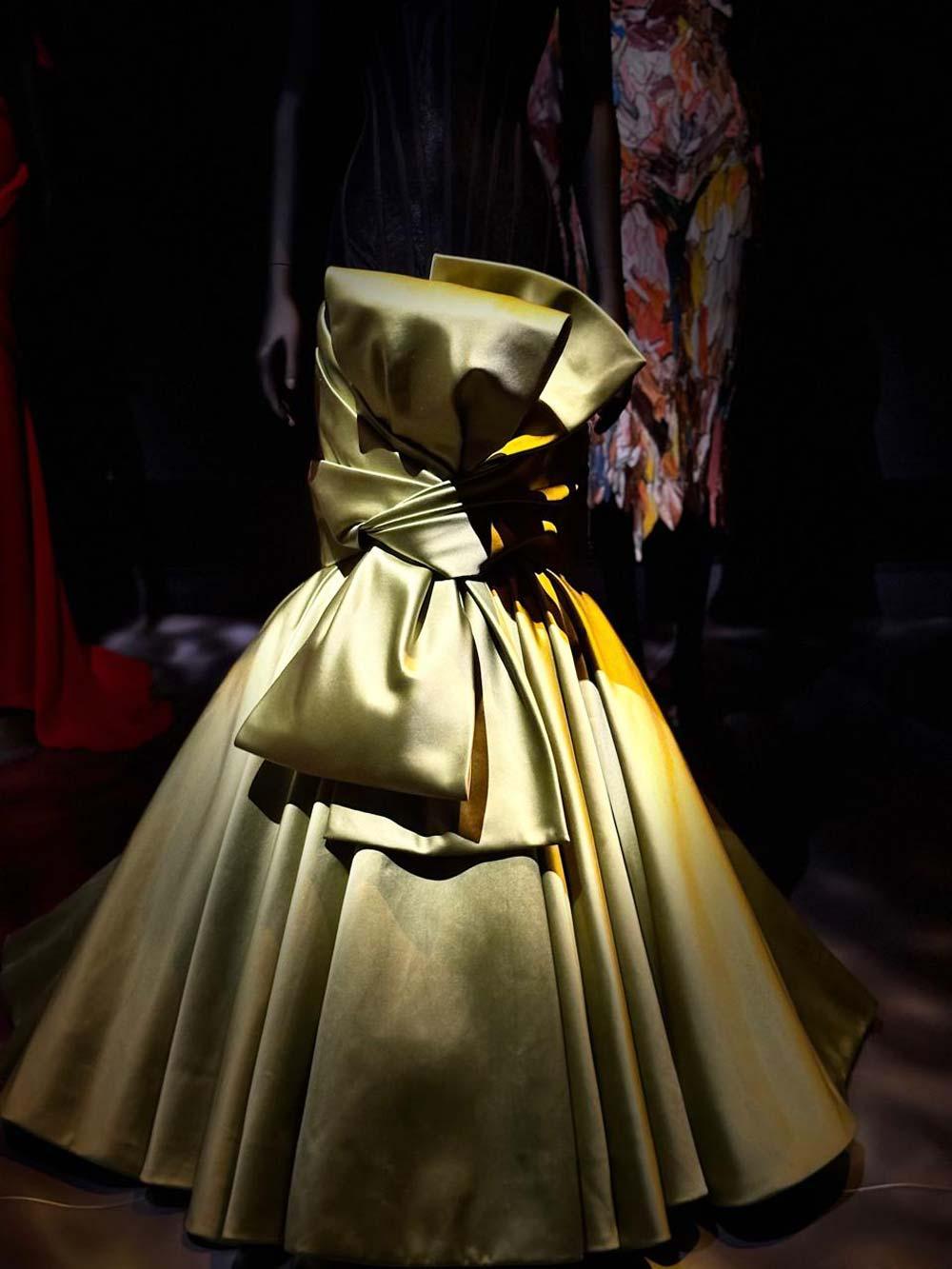
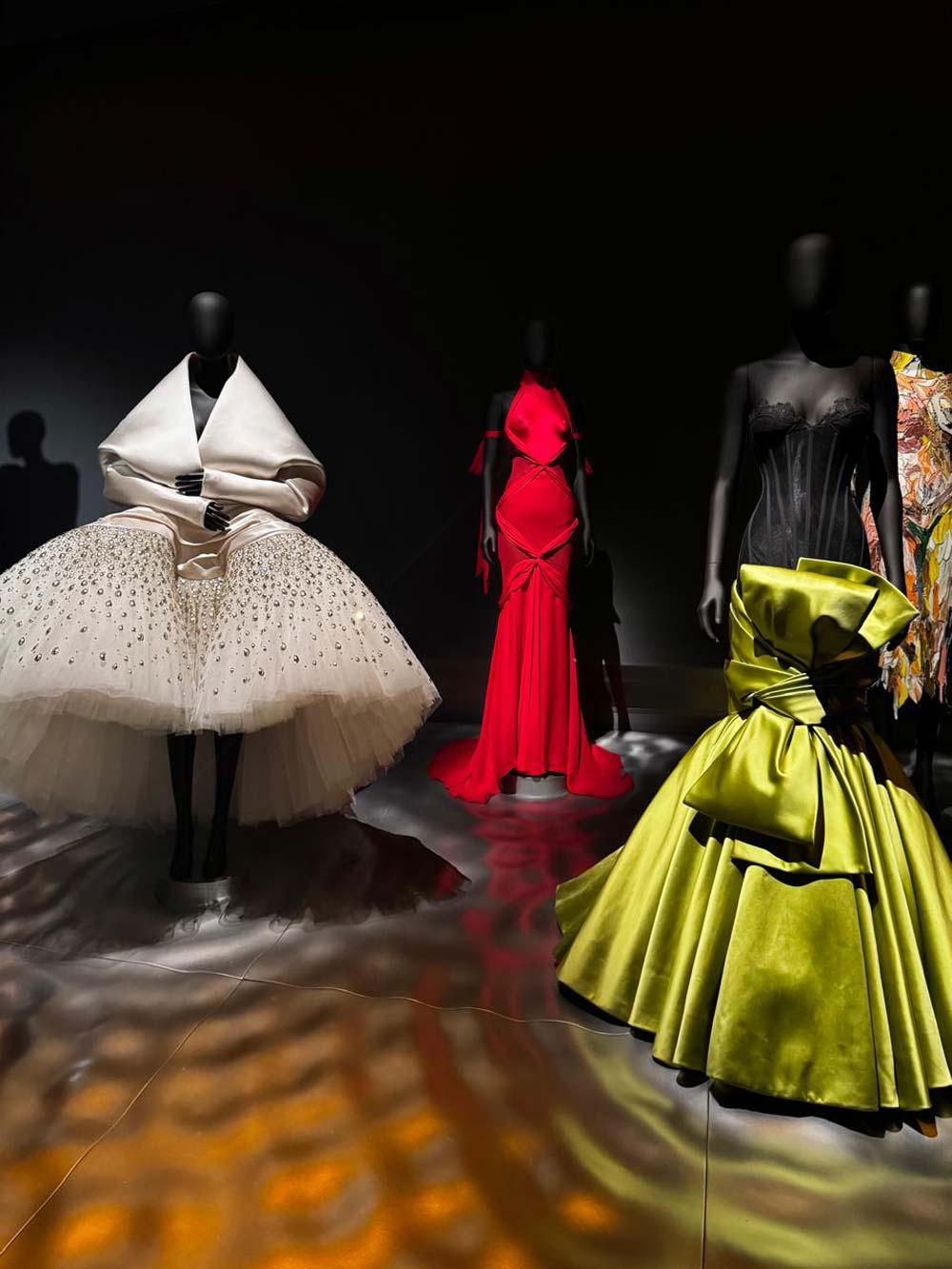
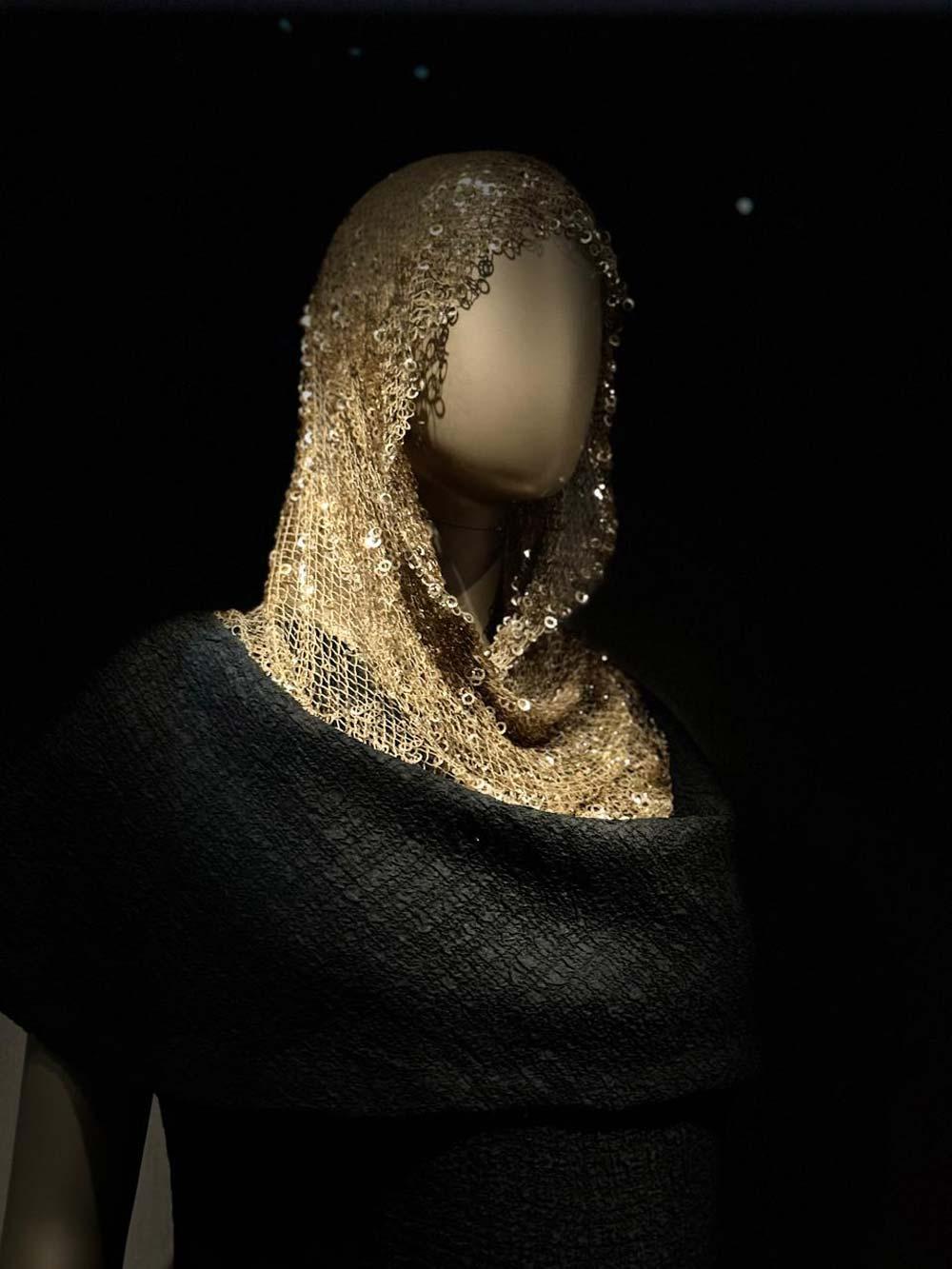
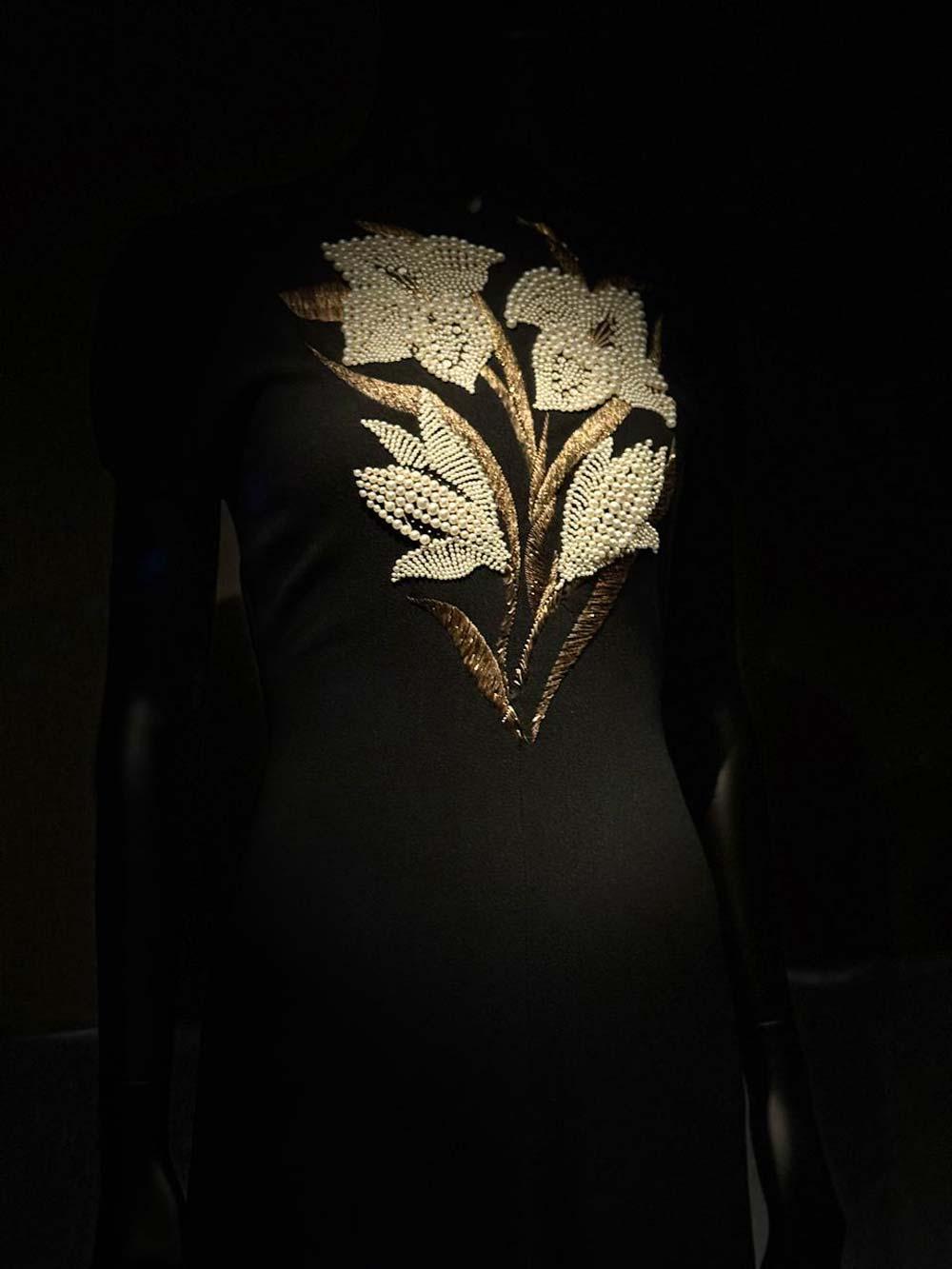
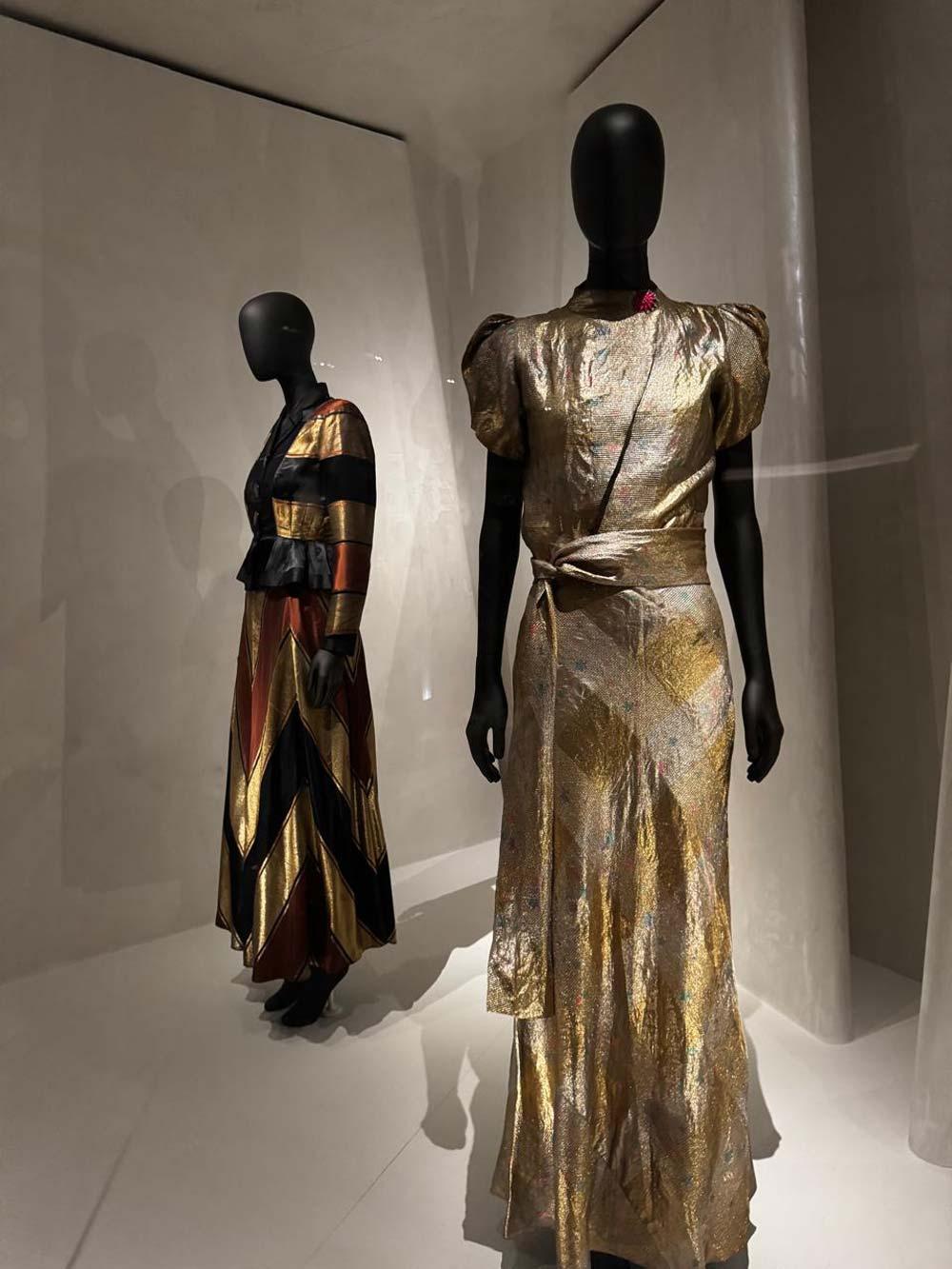
Elsa Schiaparelli’s world is one where fashion is not simply worn, it is imagined, questioned, and entirely redefined. Schiaparelli: Fashion Becomes Art at the Victoria and Albert (V&A) Museum in London is nothing short of extraordinary. It is theatrical, surreal, and unapologetically bold. Each room unfolds like a different dream. Sculptural gowns rise like objects of desire, silhouettes defy logic, and a sharp, knowing wit is stitched into every detail. It is couture as imagination, couture as statement, couture as art.
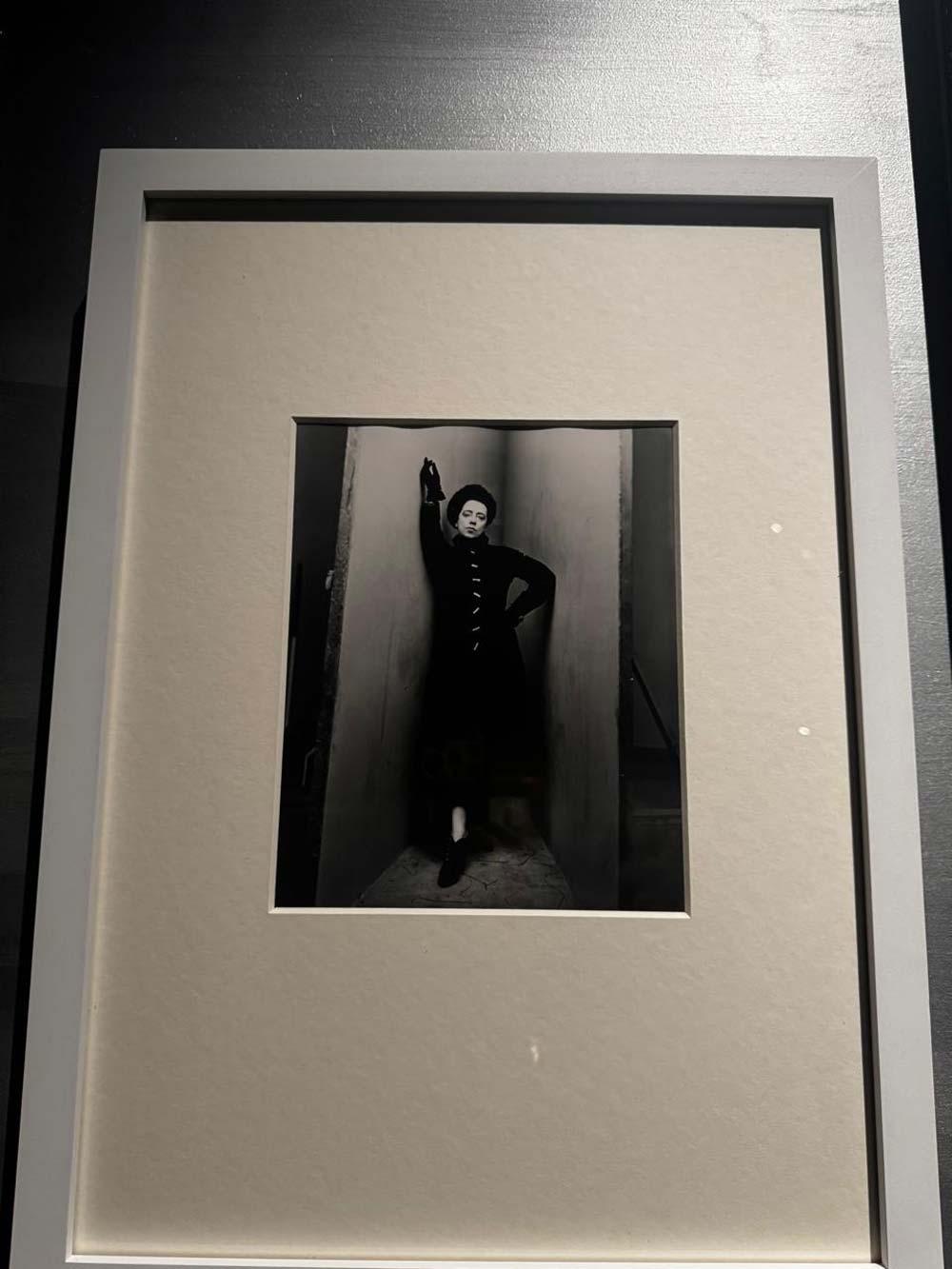
 There are exhibitions one attends, and then there are those that linger long after one has stepped back into the rhythm of London life. This is unmistakably the latter. On the morning it opened in South Kensington, I joined the first wave of visitors and stepped into a world where fashion dissolves into fantasy. Nearly two hours later, I emerged quietly altered. This is not simply a retrospective. It is the first exhibition of its kind dedicated to Elsa Schiaparelli, a woman who did not merely design clothes, but created a universe where art, rebellion, and elegance coexisted with effortless confidence. To walk through it is to witness not only the evolution of a fashion house, but the imagination of a woman who refused to accept the limits of her time.
Elsa Schiaparelli was born in Rome in 1890 into an aristocratic and deeply intellectual family. Her father was a respected scholar and curator, and her upbringing was steeped in culture, literature, and academia. Yet privilege did not translate into ease. As a child, she felt acutely out of place. In her autobiography, ‘Shocking Life,’ she recounts a memory that feels almost surreal in itself. Convinced she was less beautiful than her sister, she planted flower seeds in her nose, ears, and mouth, hoping to grow a heavenly garden from within. It is a story that is both whimsical and unsettling, and one that would later echo through her work.
Her path into fashion was anything but predictable. After leaving Rome, she moved through London and New York before arriving in Paris in the 1920s, the city that would define her. Immersed in avant garde circles, she began to experiment with clothing in ways that challenged convention. Her early success came through knitwear that played with illusion. Trompe l’oeil sweaters, where bows and scarves appeared to be layered but were in fact knitted into the fabric, became an instant sensation and marked the beginning of a new visual language.
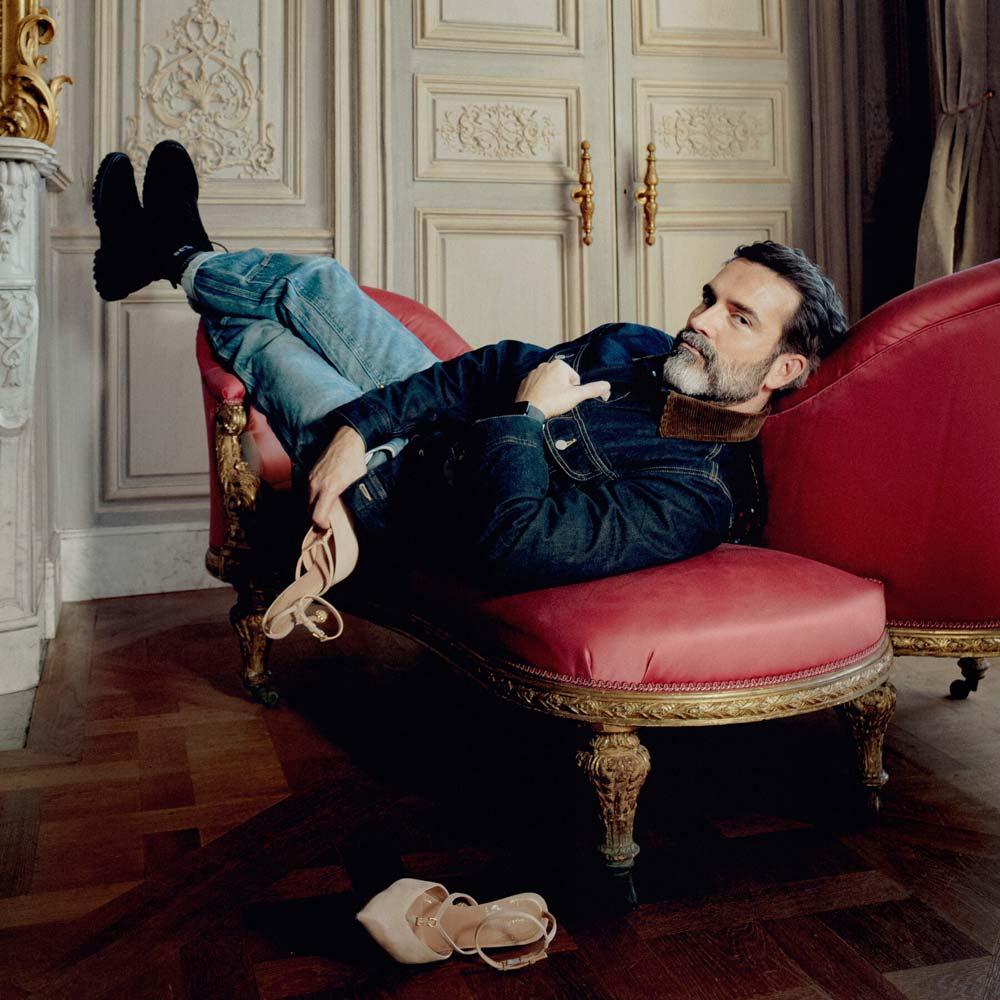
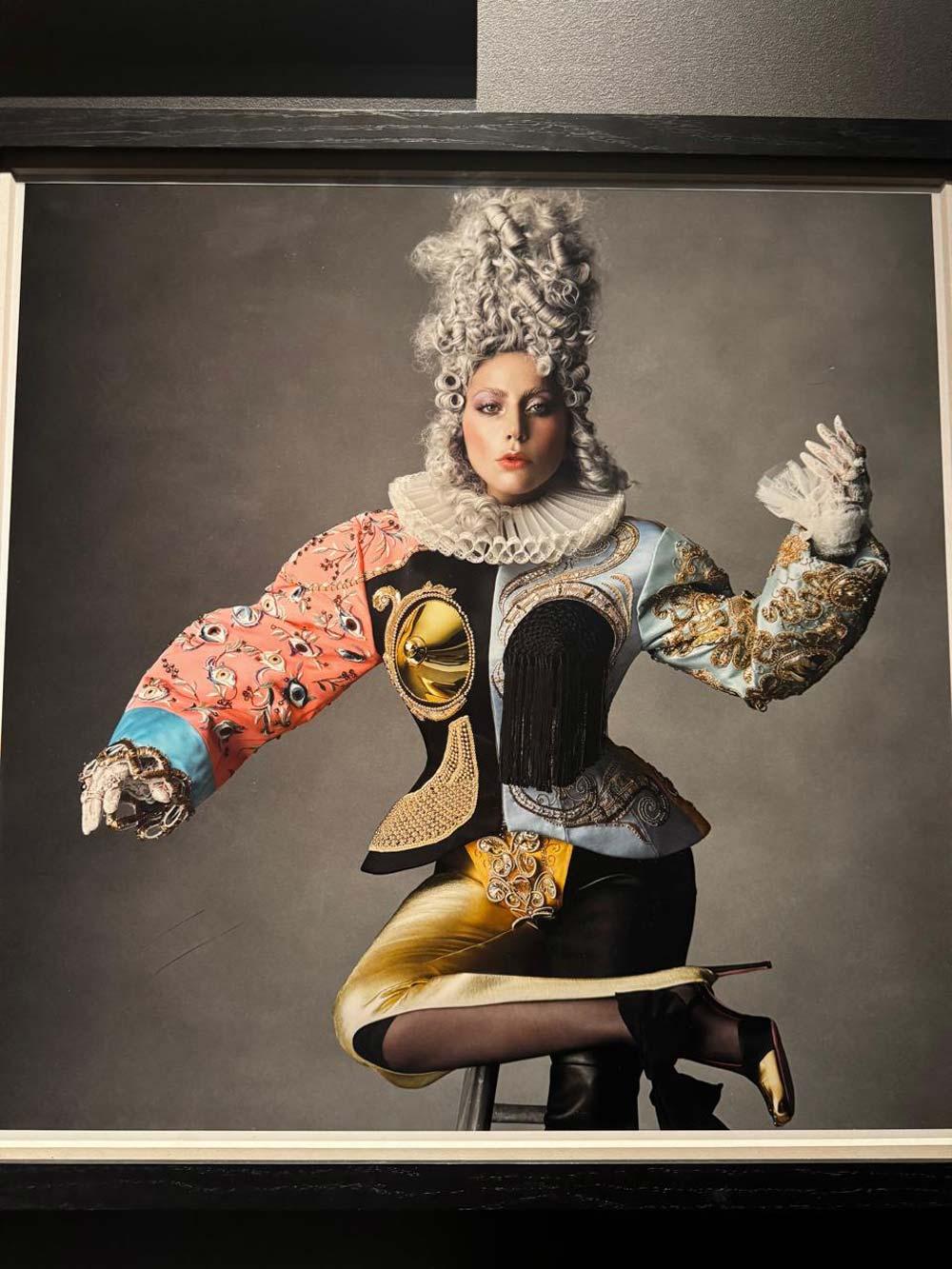
Daniel
By the 1930s, Schiaparelli had established her maison at Place Vendôme and positioned herself as one of the most daring couturiers of her time. London embraced her theatricality, and the United States quickly followed. She was not simply designing garments. She was creating moments. It was during this era that her rivalry with Gabrielle ‘Coco’ Chanel became the subject of fashion legend. Chanel, known for her restraint and modernity, famously dismissed her as “that Italian artist who makes clothes.” Intended as criticism, it now reads as an undeniable truth. Schiaparelli was, above all, an artist.
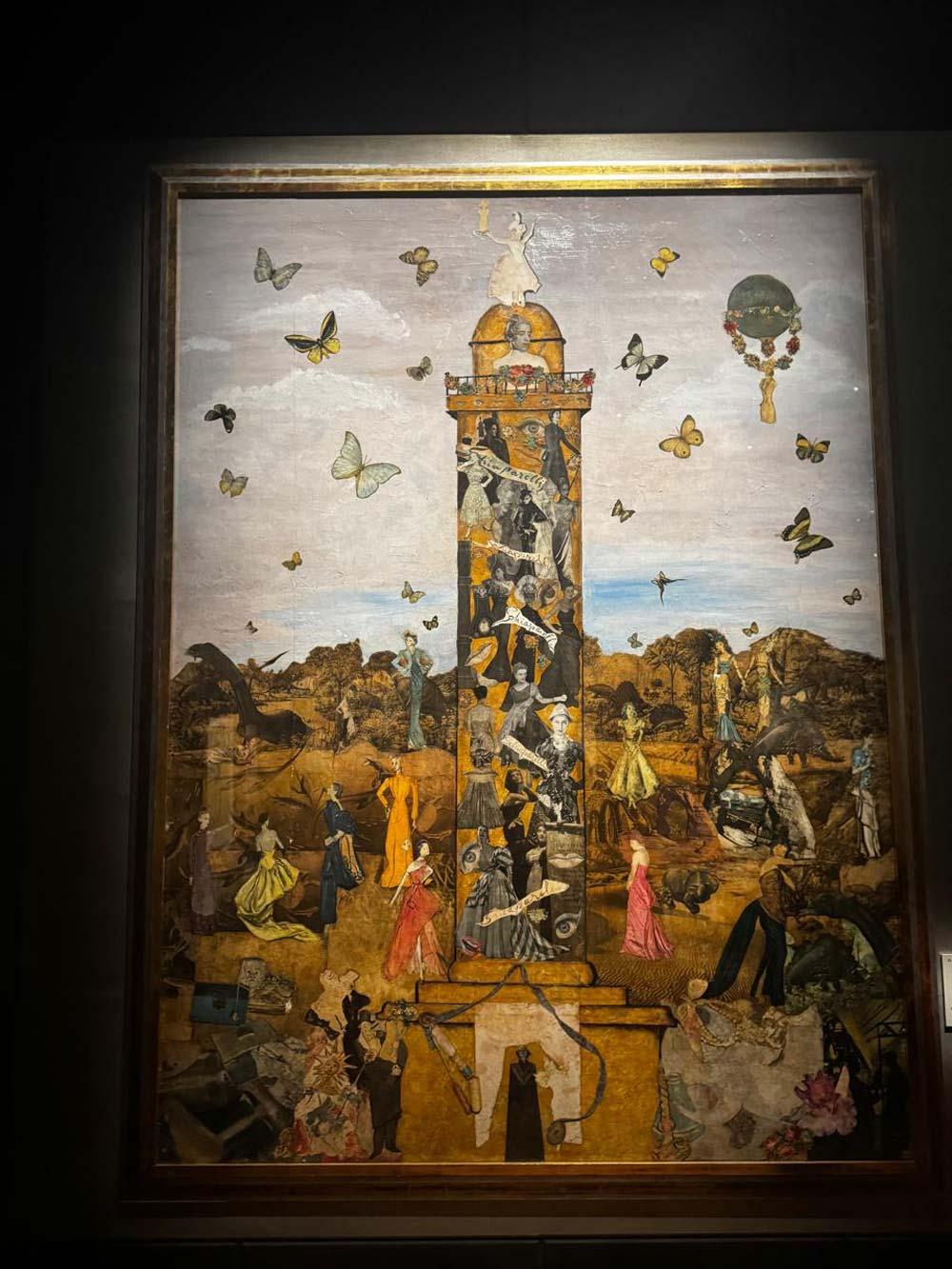
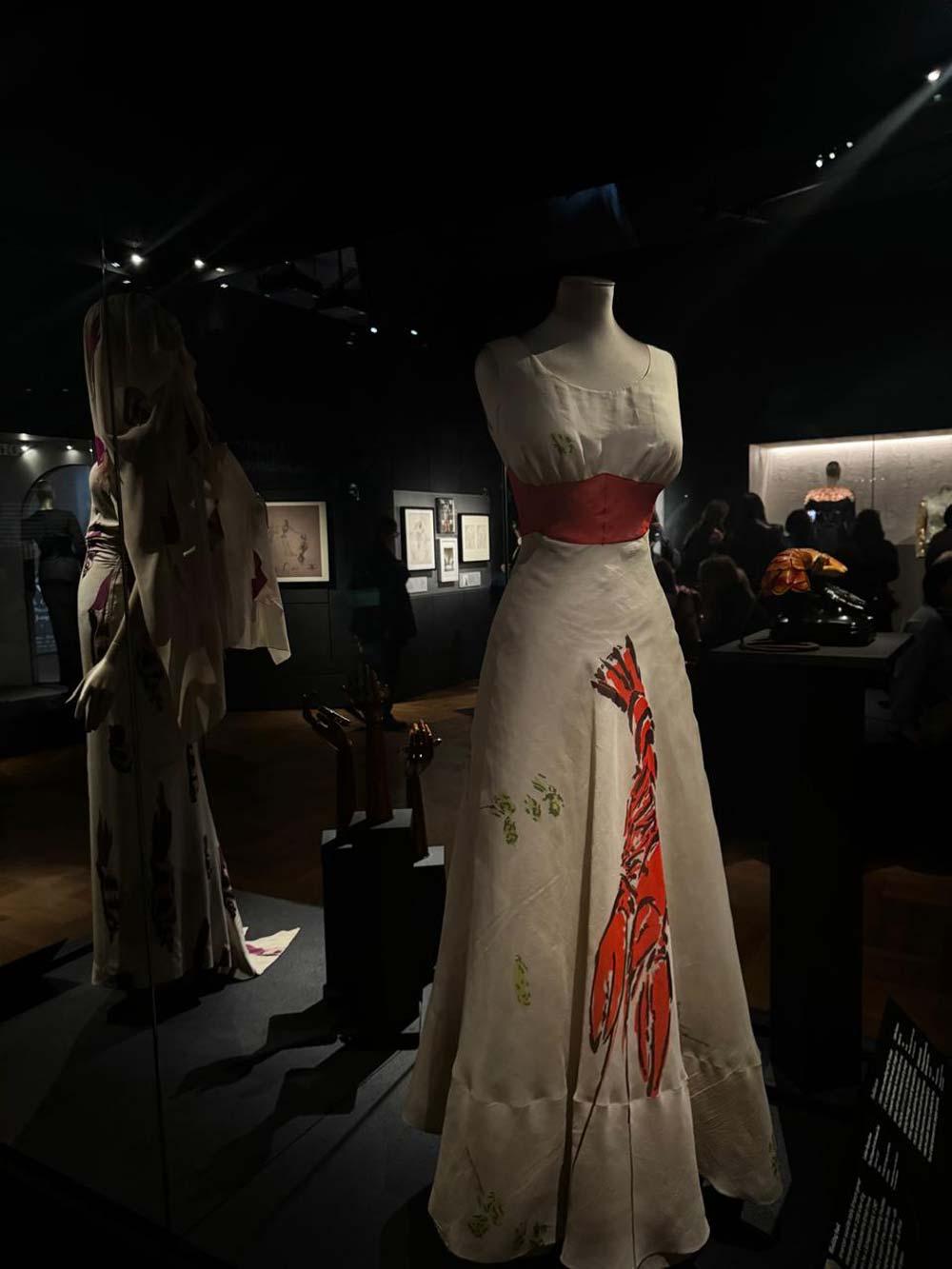
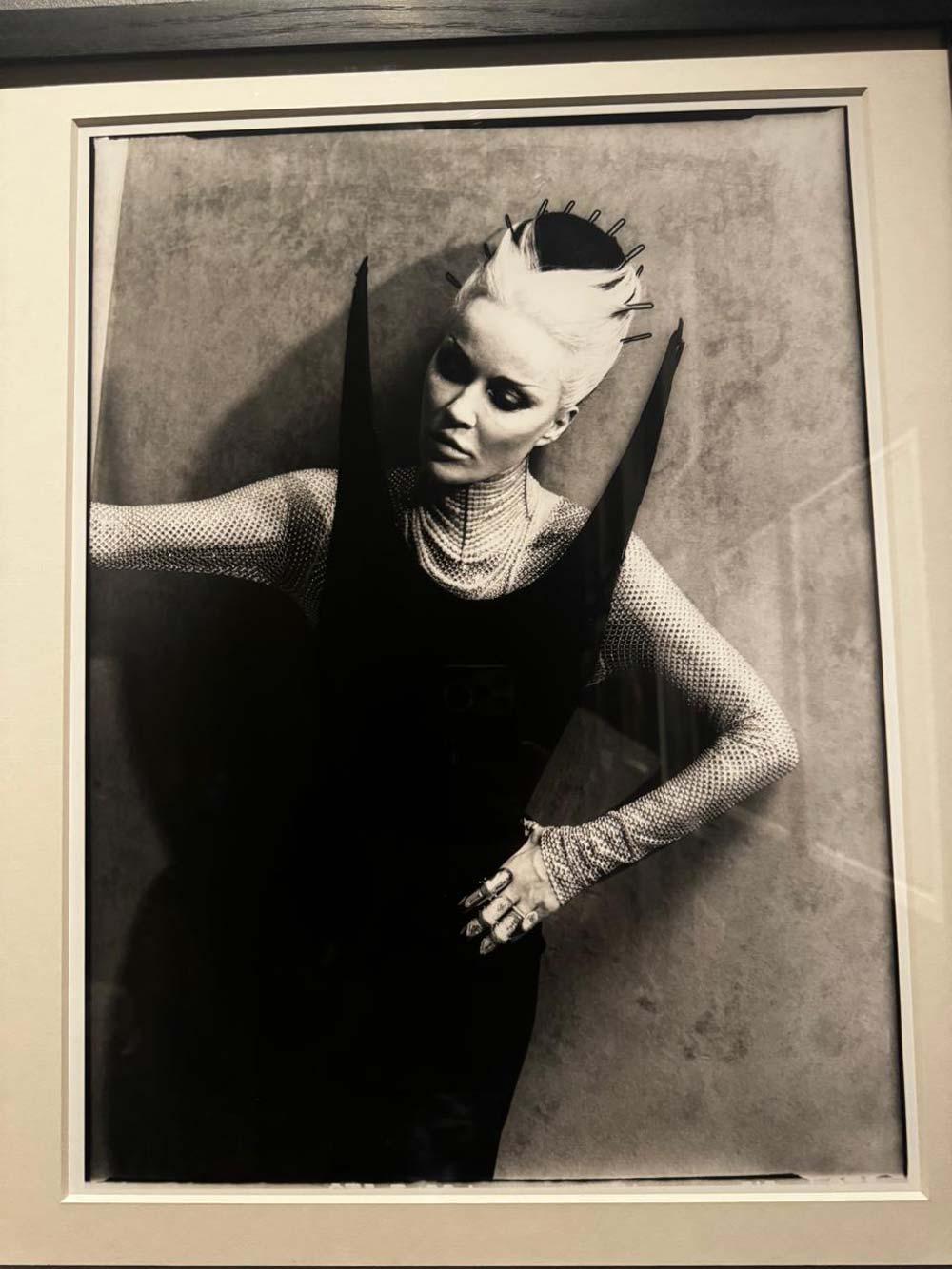 Her world was shaped by some of the most extraordinary artists of the twentieth century. Her collaboration with Salvador Dalí produced some of the most iconic creations in fashion history. The Lobster Dress, the Shoe Hat, and the haunting Tears Dress of 1938 emerged from a shared fascination with the surreal. Dalí’s works, including ‘Woman with a Head of Roses’ and ‘Necrophiliac Spring,’ are believed to reflect Schiaparelli’s childhood story of planting seeds in her face. The image of a woman transforming into a living garden is at once beautiful and disquieting, a duality she embraced with ease. The Tears Dress translated this into couture, creating the illusion of torn flesh and blurring the boundary between body and garment.
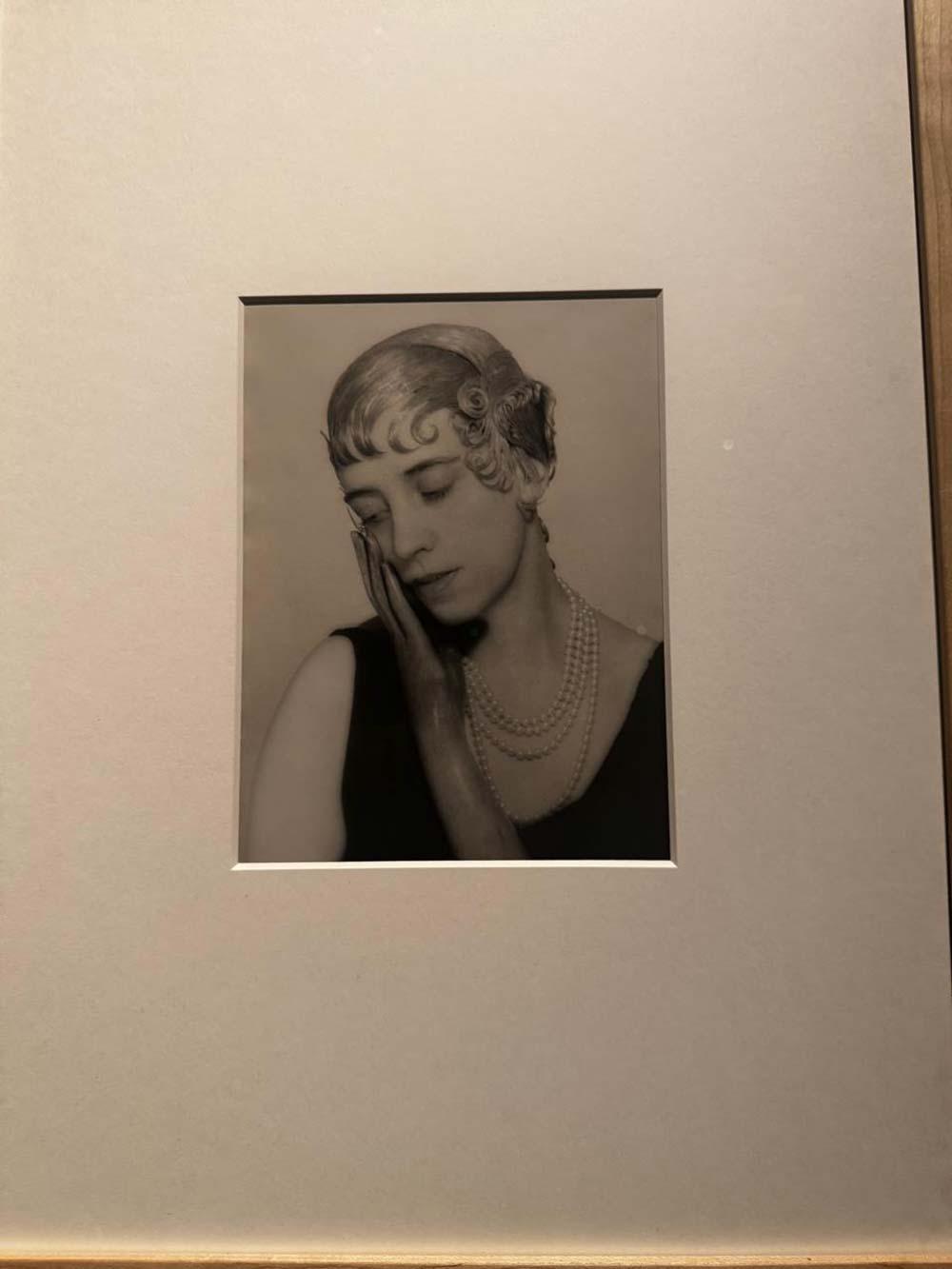
Her collaborations extended to Pablo Picasso, Jean Cocteau, and Man Ray, placing her firmly within the artistic movements of her time. Fashion, in her hands, became a dialogue with painting, sculpture, and photography.
Yet Schiaparelli’s influence was not confined to galleries and ateliers. She dressed some of the most compelling women of her era, turning them into muses and collaborators in their own right. Marlene Dietrich embodied her sharp glamour, while Audrey Hepburn brought a modern elegance to her designs. Among her most fascinating patrons was Wallis Simpson, the Duchess of Windsor, whose relationship with fashion was as carefully constructed as her public image. One of her most memorable commissions was the striking Zodiac evening gown, embroidered with celestial symbols that reflected both mysticism and personal mythology. In Schiaparelli’s hands, Simpson’s wardrobe became more than elegant dressing. It became narrative, deliberate, and quietly subversive.
Her work extended into cinema, where costume became an extension of storytelling. She designed for films including Moulin Rouge, dressing Zsa Zsa Gabor with the same surreal sophistication that defined her couture. In these moments, fashion moved beyond the runway and into cultural memory. And yet, like many visionaries, her story was not linear. The Second World War disrupted her house, and by the 1950s, she closed her couture business. For decades, Schiaparelli existed as legend rather than presence, her influence quietly woven into the fabric of fashion history.
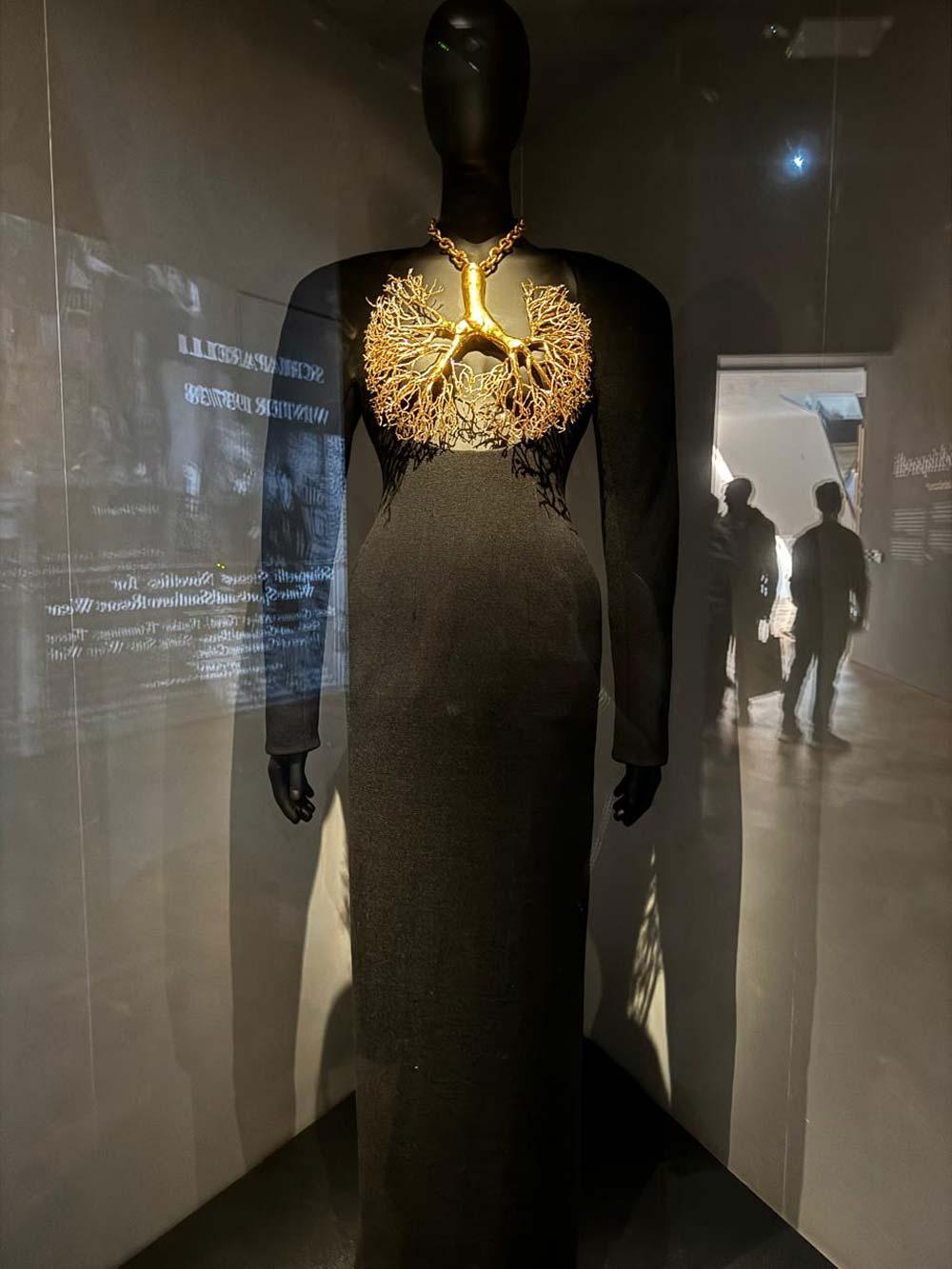
The revival came in the twenty first century under the direction of Daniel Roseberry, who has reawakened the house with remarkable clarity and imagination. His work feels both reverent and forward looking. Rather than replicating Schiaparelli, he extends her language into the present. Sculptural gold forms, exaggerated silhouettes, and a sense of theatrical confidence define his vision. His muses reflect a new generation of icons. Lady Gaga, Ariana Grande, Bella Hadid, Zendaya, and Doja Cat wear his creations with a sense of performance that echoes Schiaparelli’s own spirit. Bella Hadid’s appearance at Cannes in a gown adorned with gilded lungs remains one of the most striking modern expressions of the house. It was bold, surreal, and unforgettable.
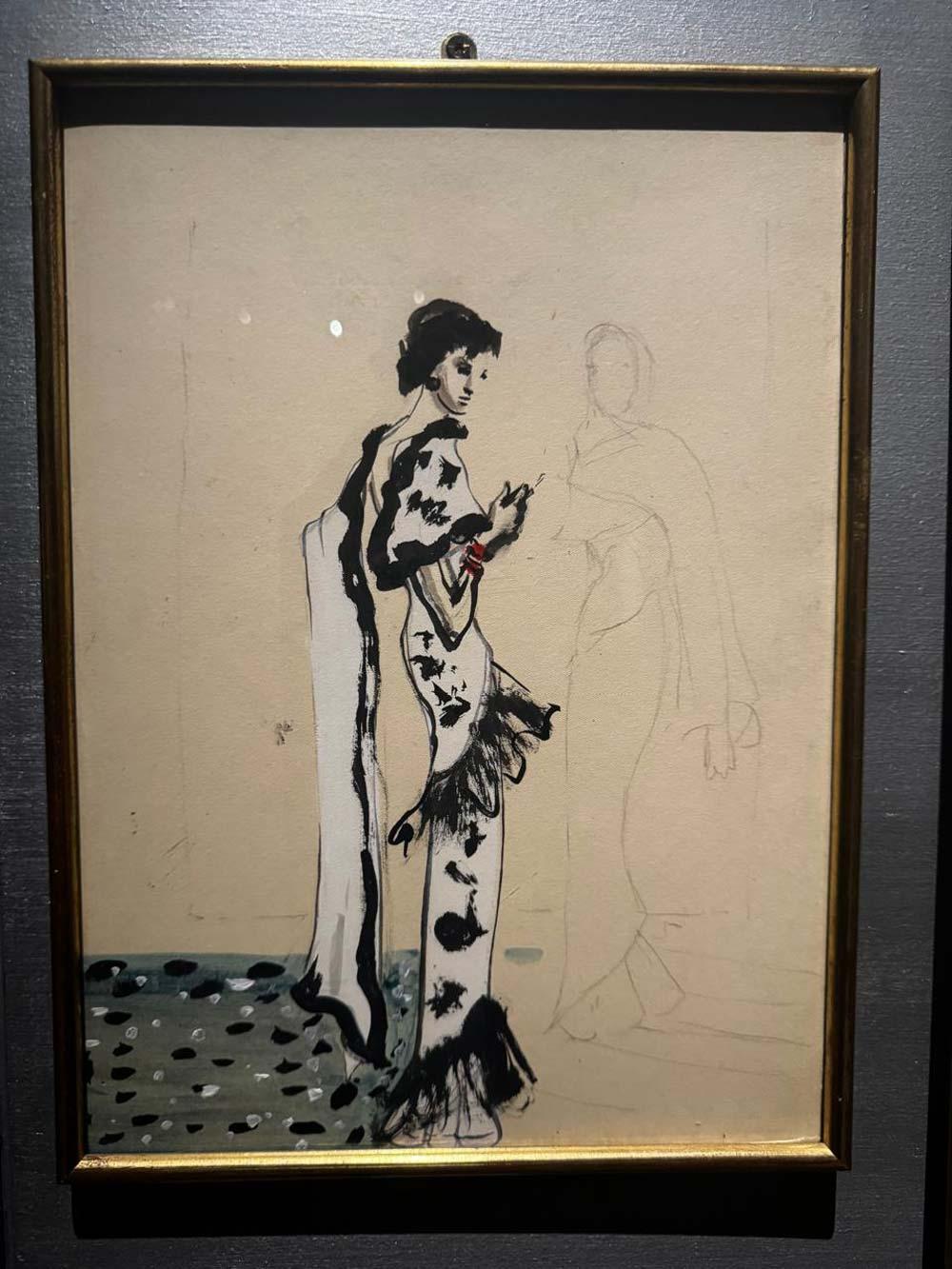
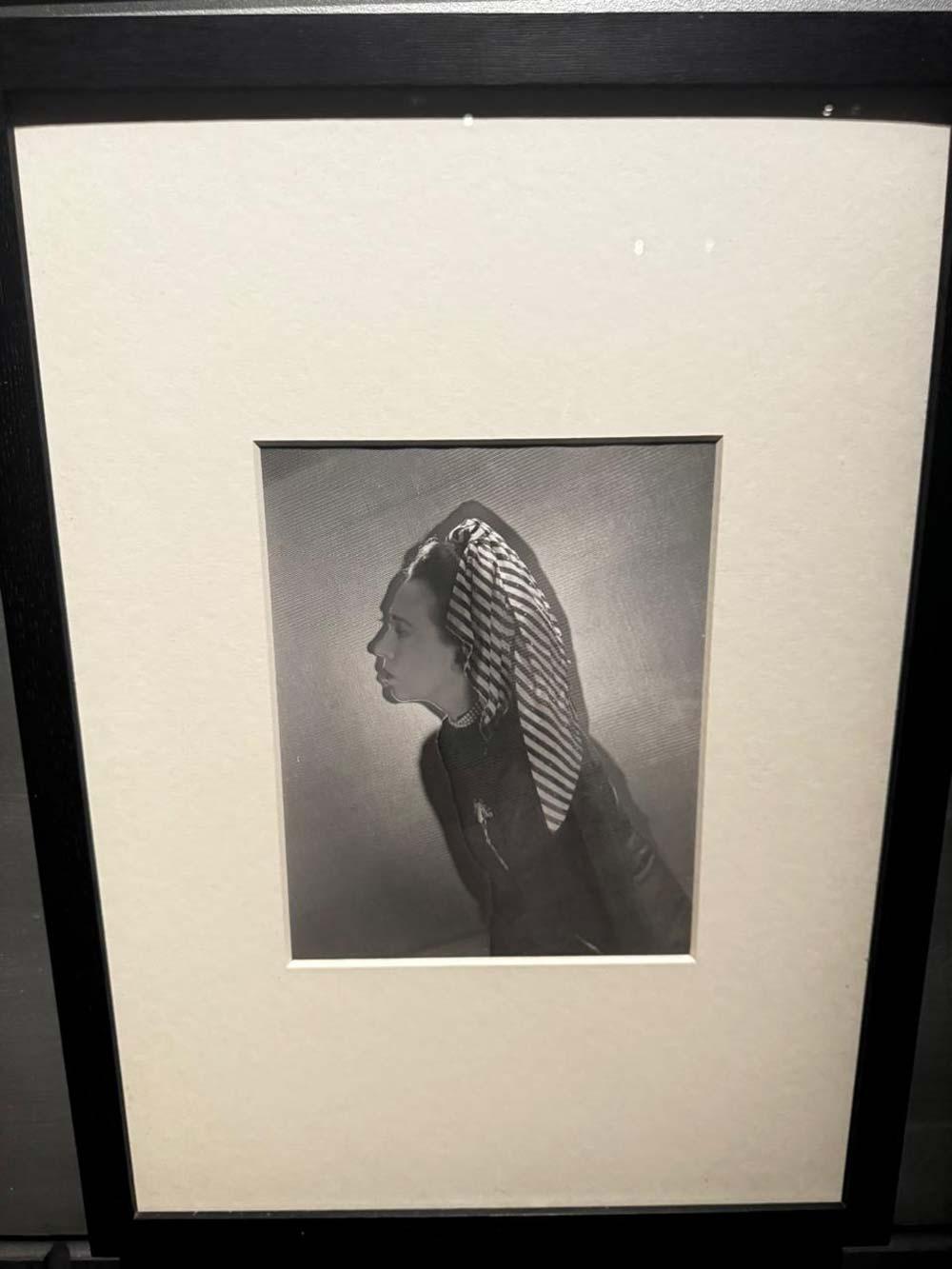
To experience all of this within the V&A is to understand the continuity between past and present. The exhibition is immersive rather than chronological. Garments converse with artworks, sketches, and photographs, revealing the threads that connect imagination to creation. Standing before the Tears Dress, time seems to dissolve. One sees not only the garment, but the story behind it, the collaboration, and the enduring power of a singular vision. As I moved through the galleries, one thought returned again and again. Schiaparelli never sought approval. She sought expression. In doing so, she created work that feels strikingly modern even now. The exhibition runs until the end of November, and it is essential. For anyone planning a visit to London this Spring, Summer, or Autumn, it offers a rare chance to step into a world where fashion transcends function and becomes something far more profound. To leave is to carry a fragment of that world with you. A quiet reminder that true style is not about clothing, but about imagination.
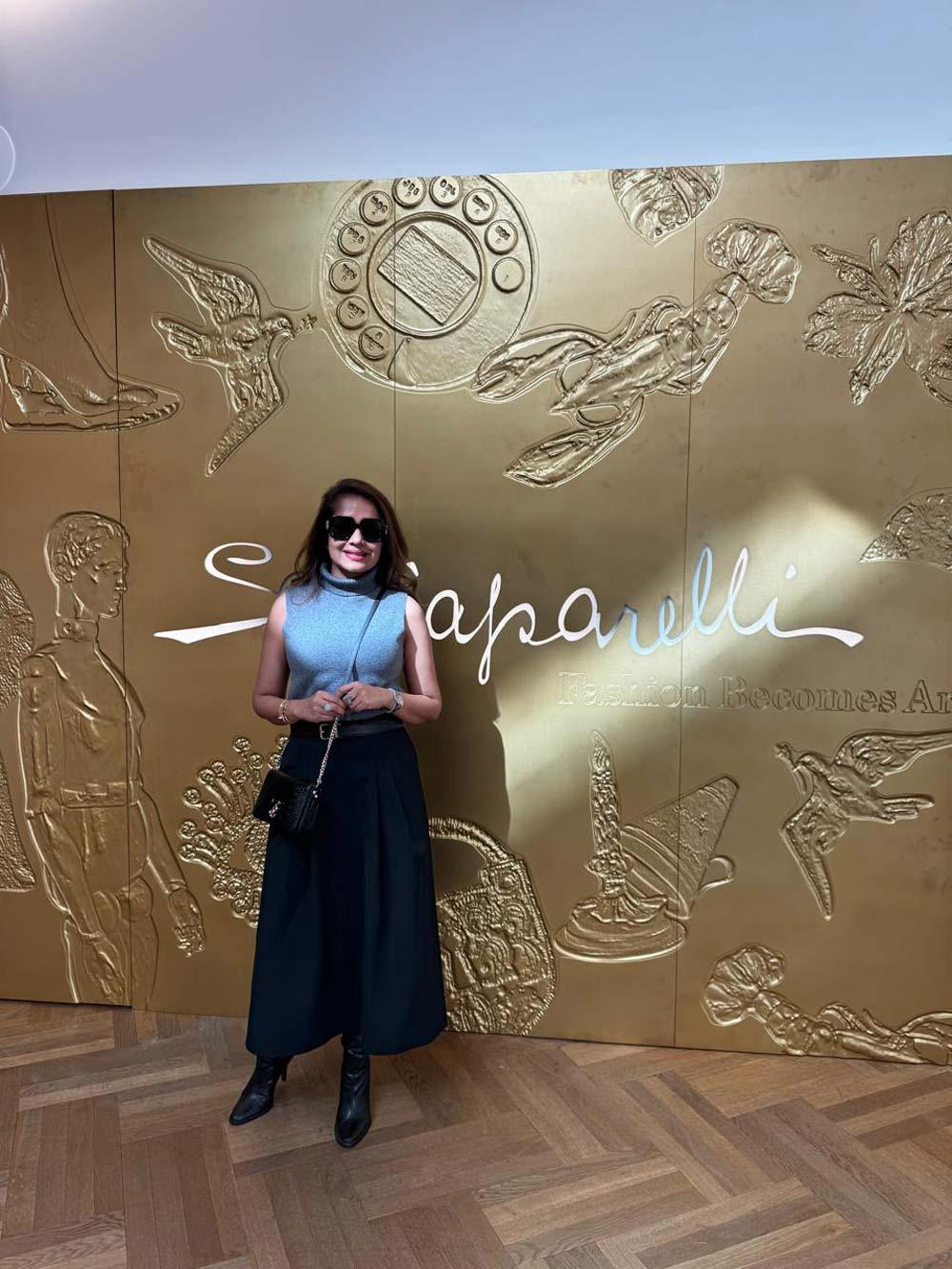
Rishini at the V&A in London