On Kaber Vasuki’s Frangipani

There is a particular kind of song you don't discover. It finds you. It arrives at the exact moment your armour has slipped. Whether it is three in the morning, or on a bus ride to work on a Tuesday morning that feels like it would never end, and it just sits with you. It doesn't try to fix anything. It doesn't offer you a lesson or a silver lining. It just says: I know. I'm here. This happened.
 Frangipani by Kaber Vasuki is that song for me.
I've been reluctant to write about it. Partly because some things feel too close to put into words, and partly because this song has lived in a private pocket of my chest for a long time now. But when the music video dropped on March 22nd, something cracked open again. Old wounds, old questions, old faces, and I realised I couldn't keep carrying this alone. So here we are.
THE FLOWER
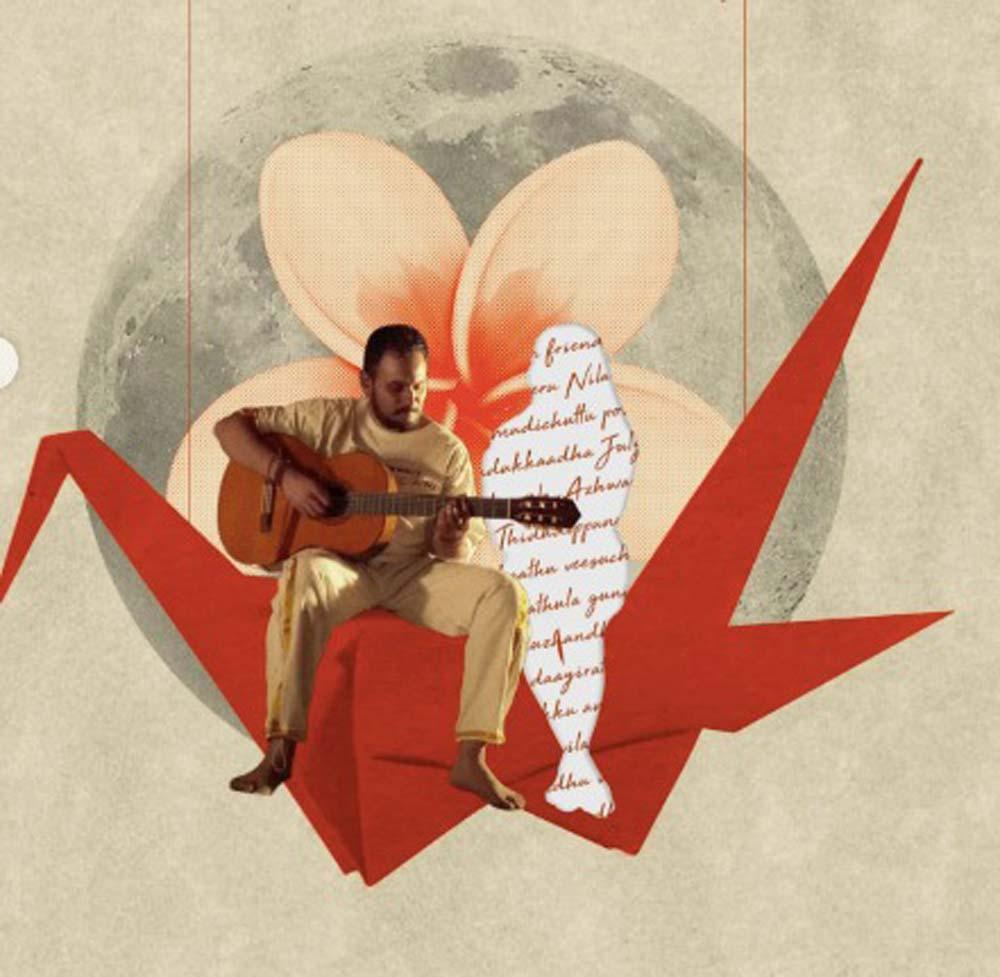
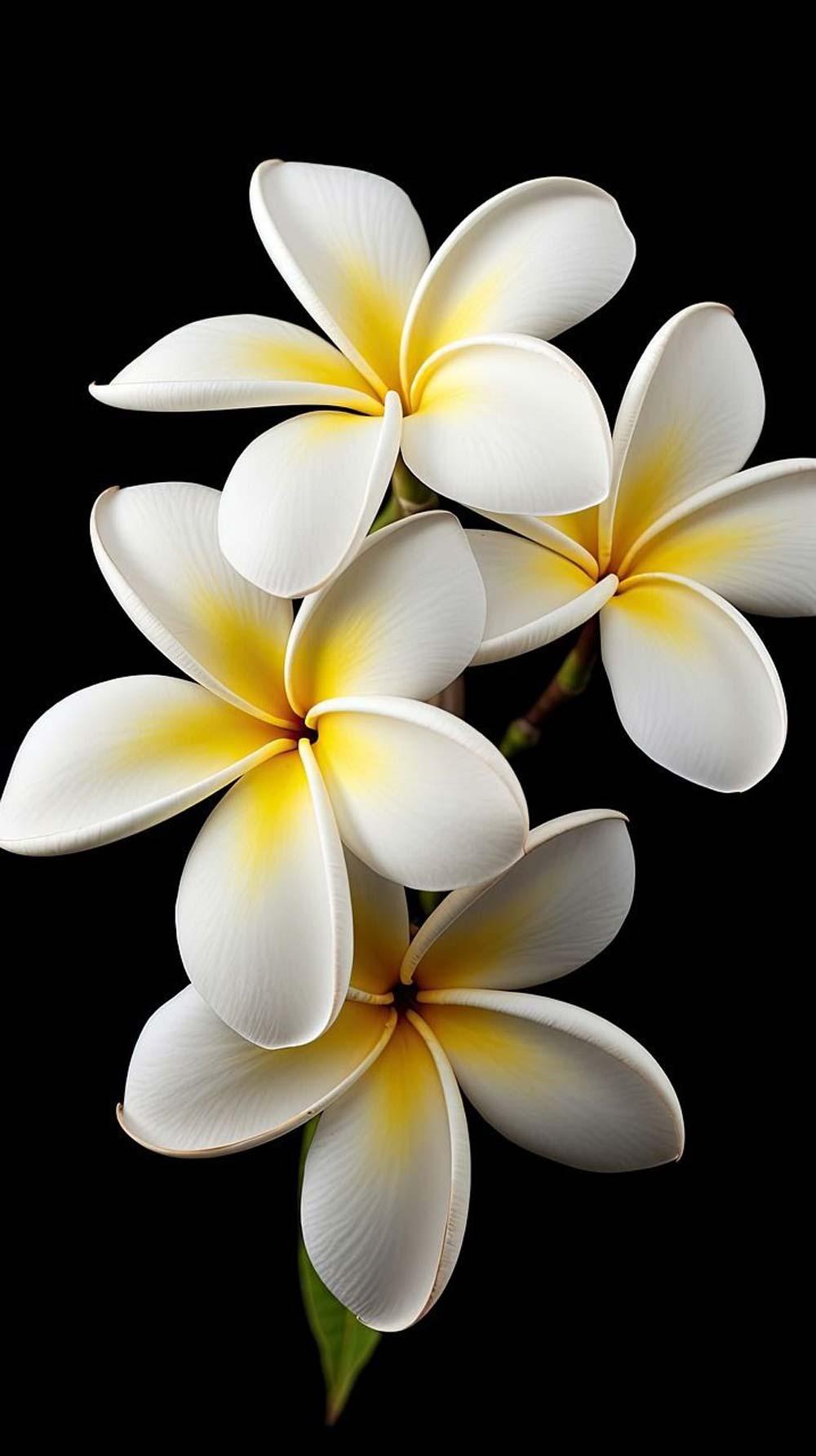
The frangipani is a complicated flower. Across South and Southeast Asia, it is planted near temples and cremation grounds. It is, in many traditions, a flower for the dead. In Sri Lanka, in India, in Tamil culture, you'll find it laid at altars, draped over coffins, floating in funeral pyres. And yet it is also one of the most beautiful flowers you'll ever hold; sweet-smelling, cream-petalled, quietly luminous. It lives on the border between the sacred and the mourned. Kaber knew what he was doing when he named the song. The song is about a woman he calls Nila. Her name means moon in Tamil. She was a real person. A friend from his life in Chennai, who died by suicide. The song begins long before her death. It begins in 2013, under a full moon, in Alwarpet. She hands him a flower and says: this flower's name is Frangipani. When you see it, would you think of me? He doesn't know yet what she's leaving him with. Neither do we. The melody at this point is light.
Almost luminous. There's warmth and tenderness in the way he sings of her; she was the kind of person who held broken people together, who appeared in your life like a lamp in a corridor. And then the song shifts. Same melody. Completely different weight.
 ON THE PEOPLE WHO HOLD EVERYONE ELSE
There is a particular cruelty in the way we fail the people who seem fine. Nila, as Kaber describes her, was kind to strangers. She was especially kind to lost souls. She was the kind of person who showed up. And it is precisely these people, the ones oriented entirely outward, who are most skilled at hiding the interior storm.
Edwin Shneidman, one of the foundational voices in suicidology, coined the term psychache, a word I return to often. It describes an unbearable psychological pain that has no anatomical location. You can't point to where it hurts. You can't show it in a scan. And the people who are best at being present for others are often the ones carrying the most invisible psychache, because they have long since learned that their pain is an inconvenience to the room.
We don't talk about this in Sri Lanka. Or if we do, we talk around it. We say she was always so happy. We say we never saw it coming. We say it so fast, as if speed will protect us from what the words actually mean: that we missed it. That we didn't look closely enough. That our culture, with its fierce insistence on keeping up appearances, its discomfort with the language of inner life, its conflation of suffering with weakness or sin, made it very difficult for someone like Nila to be known.
THE WANING MOON, AND DISAPPEARING IN PLAIN SIGHT
Midway through Frangipani, Kaber uses an image from nature that stopped me the first time I heard it: the moon that wanes and disappears; thaey piraiyil maraiyum nilavu. The moon that seems to leave but is only in shadow. It's a perfect description of someone who vanishes from your life by degrees.
Nila would disappear for months and then reappear as if no time had passed. He would see the full moon and think of her. He didn't know, in those gaps, what was happening inside her. Camus wrote in The Myth of Sisyphus that the only serious philosophical question is why people choose to live. It sounds cold when you pull it out of context, but he meant something tender by it. He meant that life is genuinely difficult to justify on its own terms, and that the people who persist are making an active, daily choice against absurdity. What Camus didn't account for is what happens when that choice becomes physiologically, psychologically impossible to make. When the brain is so depleted of the chemicals that generate hope that hope itself feels like a lie. Thomas Joiner's interpersonal theory of suicide describes this with devastating clarity: the combination of thwarted belonging, the feeling that you don't fit, that you are not part of anything, and perceived burdensomeness, the belief that others would be better without you, creates a lethality that logic cannot argue against. You cannot reason someone out of a feeling of burdensomeness. You can only love them loudly enough that the feeling has competition.
I wish we talked about this more. I wish our schools, our families, our temples taught us to say: I see you struggling, and your struggle doesn't make you less loveable. Instead, we teach silence. We teach performance. We teach people to place frangipani at altars and never ask who planted the tree.
 THE FALL WE DIDN'T HEAR
The moment the song breaks open is the moment I cannot describe without my chest doing something complicated. A neighbour heard the fall. Nila had jumped.
Kaber's voice when he delivers this is not smooth. It breaks. He screams. There is confusion and anger, and guilt all braided together in a way that no grief counsellor's chart of the stages of grief can fully account for. Because grief, especially this kind of grief, doesn't move in stages. It moves like a tide; forward and backward and forward again, and sometimes it drags you under in the middle of a Tuesday when you see a frangipani in someone's garden and suddenly you can't breathe.
Mary Oliver wrote: when death comes, I want to have been a bride married to amazement. But nobody talks about what it feels like to be the one left behind at the altar. The one who keeps finding the flowers.
In Sri Lanka, and across much of South Asia, when someone dies by suicide, the grief of those left behind is often complicated by a layer of social shame. The family goes quiet. The cause of death is euphemised or erased entirely. The religious judgment descends swiftly: they will go to hell, people whisper. They made a choice, people say, as if choice is ever simple, as if the mind in crisis is capable of the kind of free, rational decision we assume it must have been. What this judgment does, and I have seen it do this, personally, repeatedly, is rob the grieving of the right to grieve openly. It turns mourning into a secret. And secrets, in my experience, have a way of becoming wounds that never close properly.
WHAT THE FLOWER WAS ALWAYS ASKING
The song ends where it begins. The melody returns to its original lightness. Nila's voice, or what we imagine her voice to be, asks again: this flower, its name is Frangipani. When you see it, will you think of me? And now the question is unbearable and beautiful in equal measure, because we understand it fully. She was never asking about the flower. She was asking: will you remember me? Will I have mattered? Will you carry me with you into all the ordinary days; the full moons, the evening walks, the gardens you pass on your way to somewhere else? The answer, across ten minutes of one of the most honest songs I've ever heard, is yes. Kaber's yes is not comfortable. It is raw and furious and grief-soaked and tender. But it is yes. And I think that is the most any of us can offer the people we lose: not a clean resolution, not a theological verdict, but a yes. I carry you. I still carry you.
WHY I'M WRITING THIS AT ALL
I have sat with this song in dark places. I won't tell you more than that, except to say that I know what it is to reach for music because words feel too sharp, and silence feels too empty. I know what it is to let a song hold the grief that you can't yet hold yourself. And I know, I deeply know, the particular loneliness of carrying something like this in a culture that hasn't yet learned to talk about it. That's what this column has always been about. Not to make things comfortable, but to make them less lonely. To open the door on the rooms we've all been told to keep closed.
Frangipani is not a song about suicide. It's a song about love, and memory, and the unbearable tenderness of carrying someone who is gone. It's about the way the dead linger in small things; flowers, full moons, the particular quality of an evening that reminds you of a night years ago when everything was still intact. It's about the fact that grief doesn't have a deadline, and love doesn't either. If you've lost someone this way, I want you to know: your grief is not shameful. The person you lost was not damned. What happened to them, what happens to anyone who arrives at that door, is a failure of pain management, not a failure of character or faith. They were carrying something the rest of us couldn't see. And they deserved more tools, more language, more people willing to look closely. When you see a frangipani, what do you think of? I think of everyone who asked for remembrance in the only way they knew how. I think of everyone still here, still asking. I think of the song that sat with me when nothing else could.
If you or someone you know is struggling, please reach out to a mental health professional or crisis line in your country: iasp.info/resources/Crisis_Centres