This is not party politics, it’s poverty politics
Behind Closed Doors by Nuha Faiz
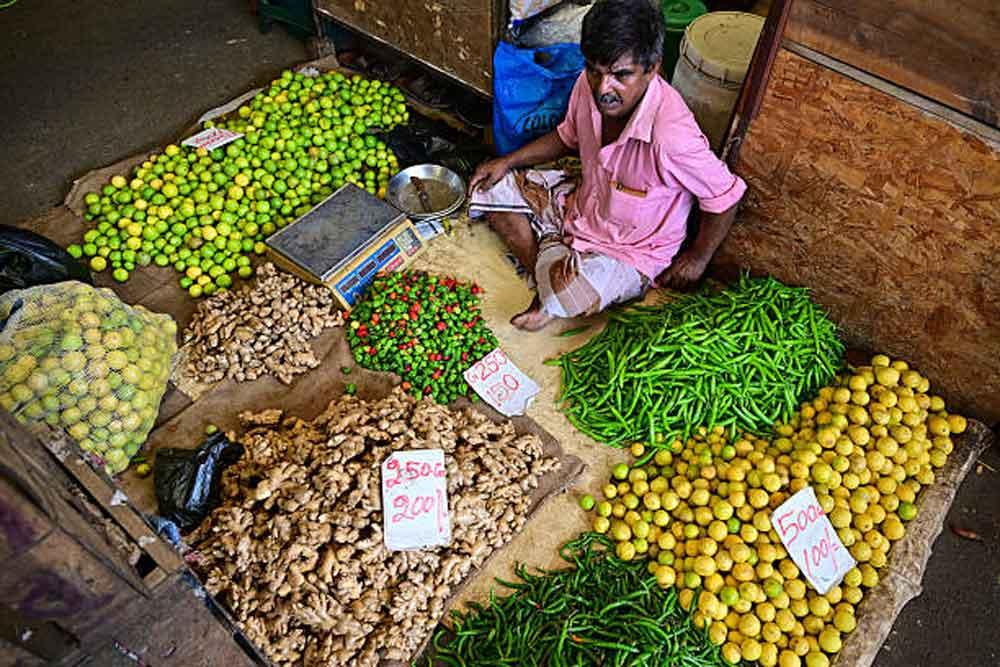
This is not anti-NPP propaganda. This is not a campaign for the SJB, the SLPP, the UNP, or any other collection of letters that has taken turns hollowing out this country. This is about numbers. Specifically, the numbers a family of four in Sri Lanka is trying to make add up right now, in April 2026, with a gas cylinder that costs Rs. 4,765, electricity that just went up by as much as 39 percent, fuel at Rs. 455 a litre, and food prices that climbed again this week because, as it turns out, when electricity gets more expensive, so does everything that needs a refrigerator, a stove, or a light to be made. You are welcome to defend the government after reading all of that. But at least read all of it first.
The Bill
On April 1, 2026, electricity tariffs were revised upward across the board. For households consuming above 180 units per month, which describes most working families with children, a refrigerator, a washing machine, and a fan or two, tariffs increased by 25 percent. For the middle brackets that cover most ordinary households, the increase sits between 7 and 39 percent depending on usage. The PUCSL chairman, in a moment of remarkable candour, noted publicly that these prices were calculated before the Middle East conflict escalated, and that further adjustments remain possible. Further adjustments. Let that breathe.
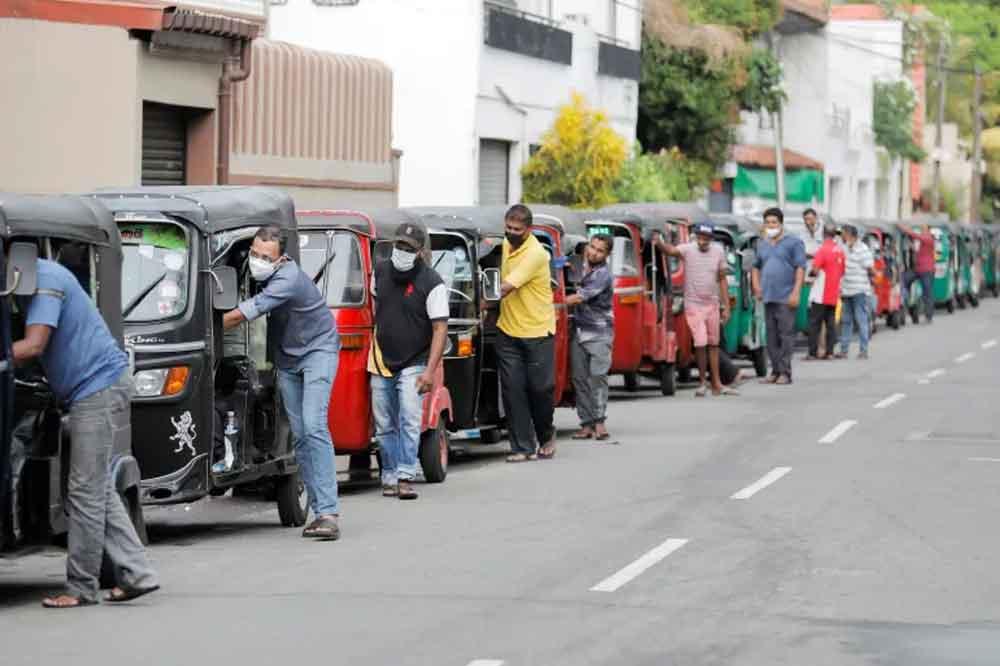
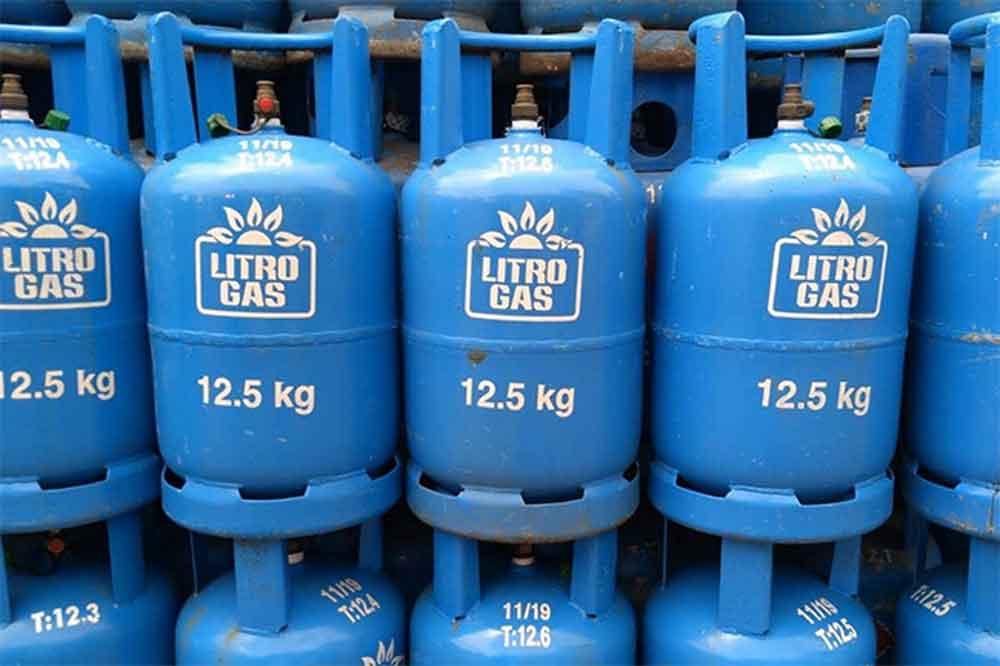
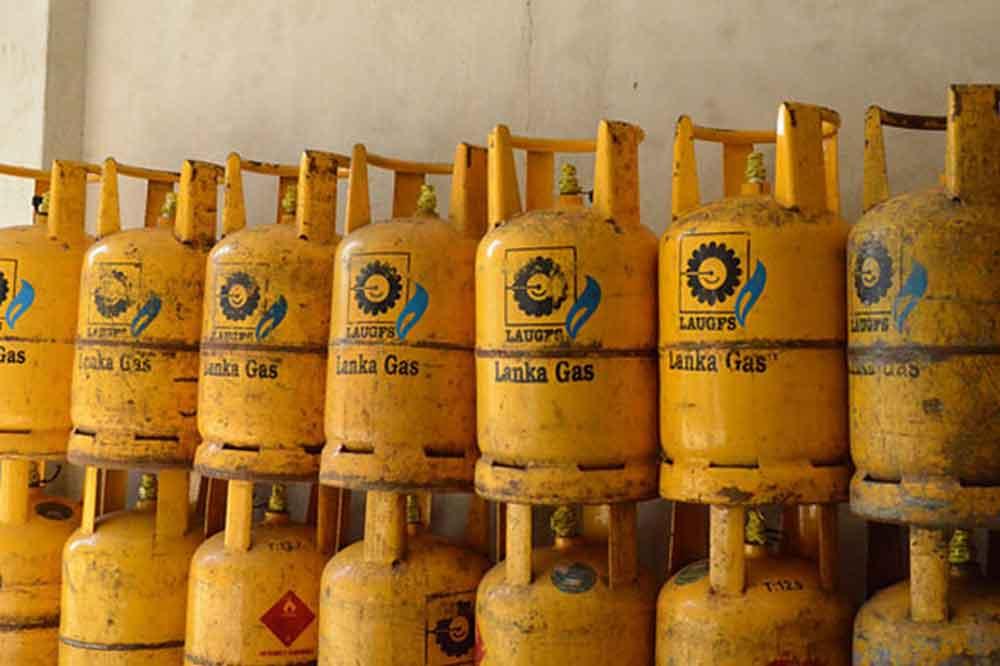
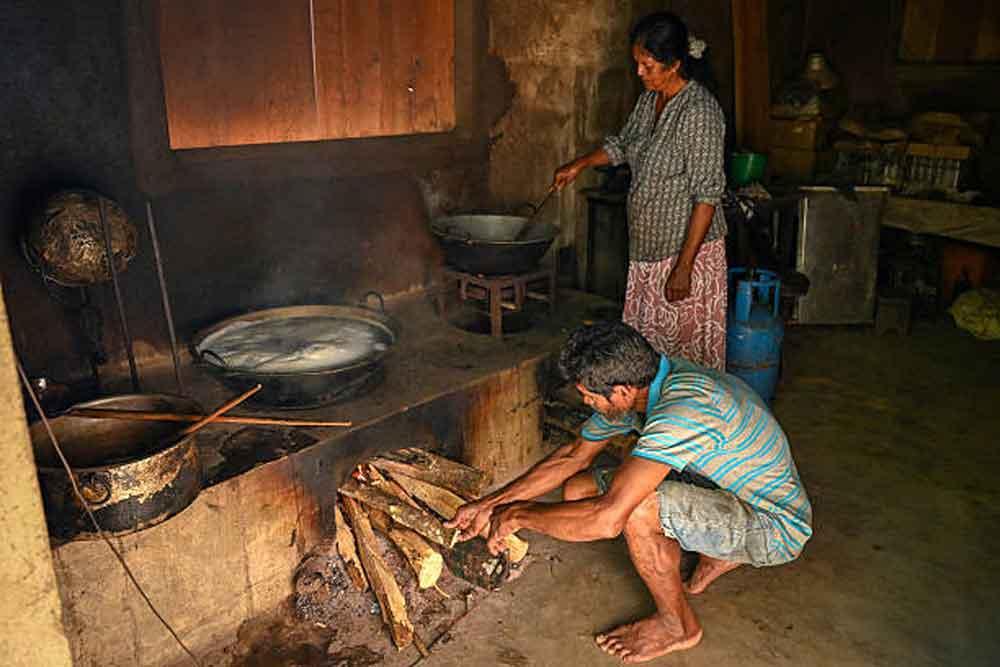
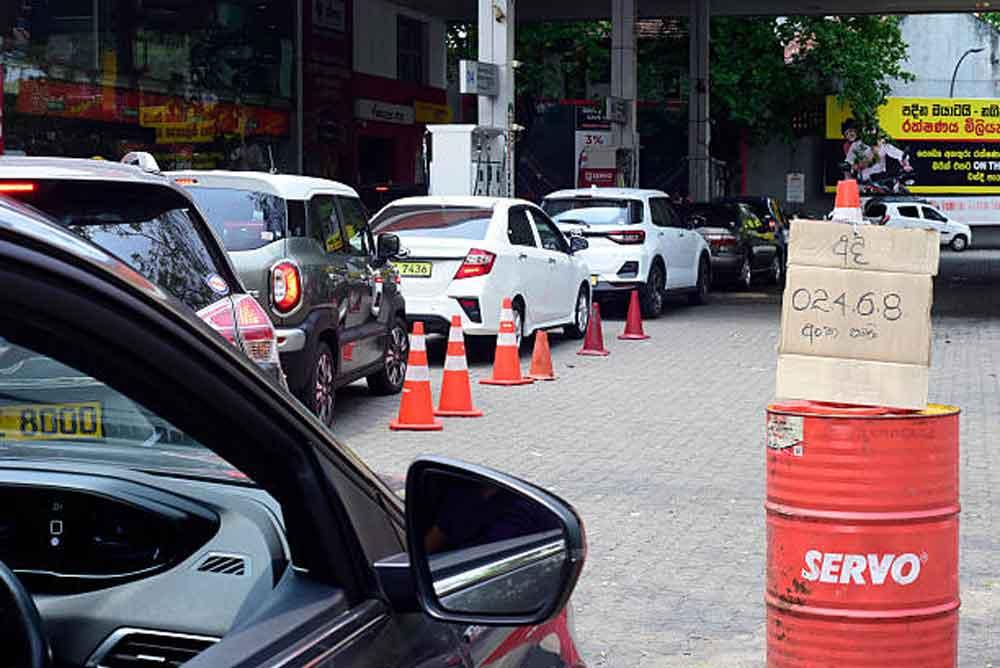
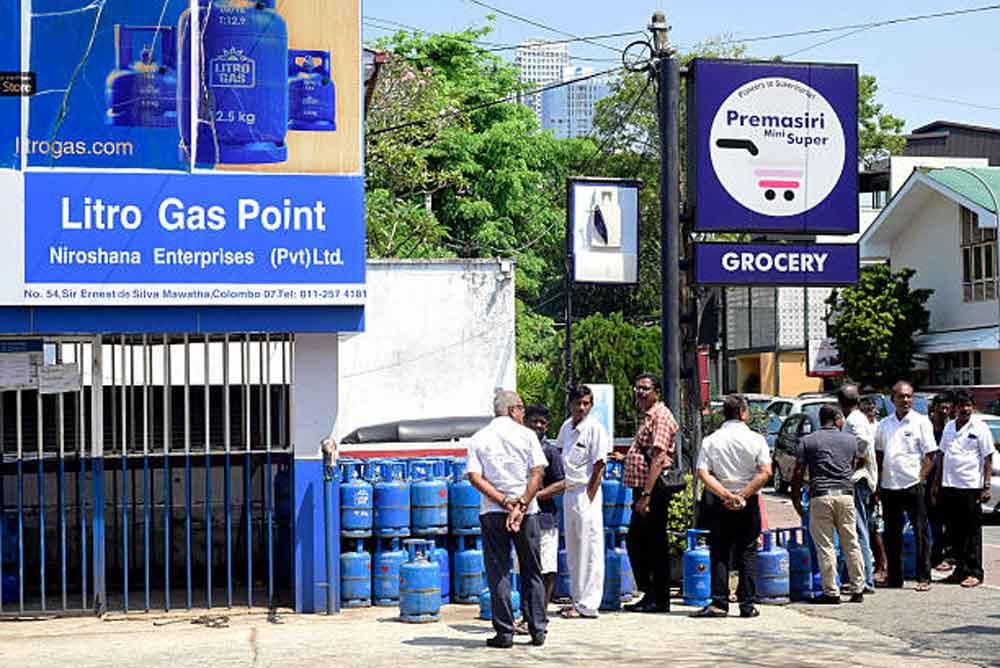
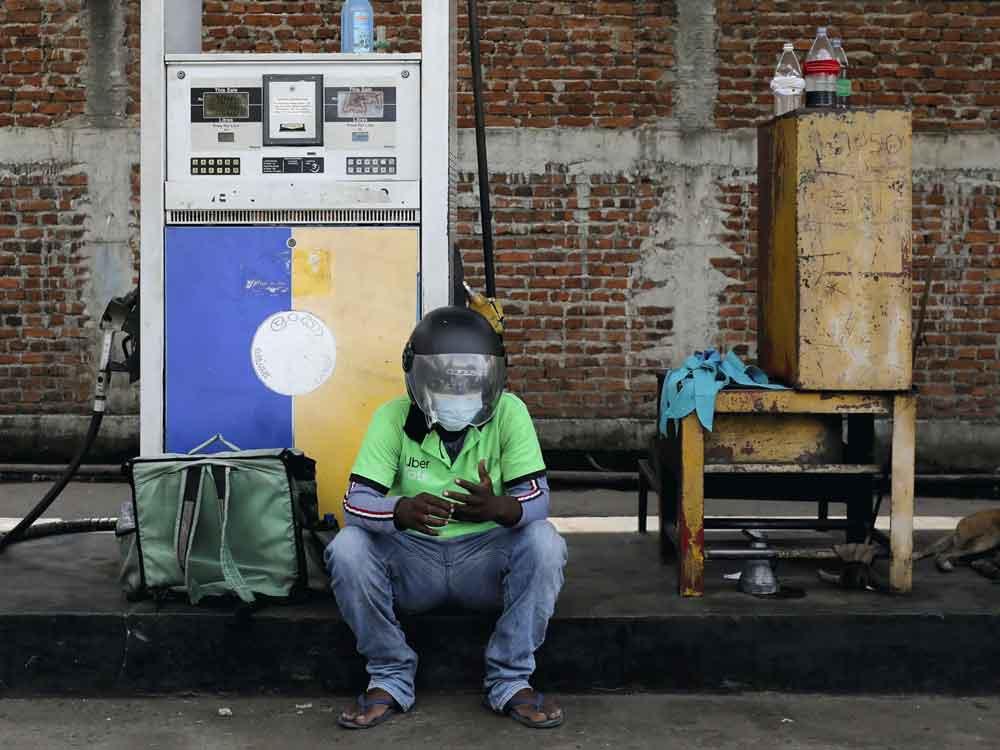
Five days later, on April 6, both Litro Gas and LAUGFS revised their LP gas prices. Litro's 12.5 kg domestic cylinder, the one in most Sri Lankan kitchens, moved from Rs. 3,990 to Rs. 4,765, a 19 percent increase in a single revision. LAUGFS moved its equivalent cylinder to Rs. 5,700, up Rs. 1,070 in one night. This was on top of an eight percent hike the month before. That means in the space of approximately six weeks, the cost of cooking a meal in Sri Lanka went up by nearly 30 percent. Meanwhile, petrol 95 sits at Rs. 455 per litre. Fuel prices overall have increased by 35 percent since the Middle East crisis deepened. The government has introduced a QR-based fuel rationing system, Wednesday holidays for public institutions, and requests for households to please conserve energy.
Who Pays for All of This
There’s a theory in fiscal sociology, first articulated by Rudolf Goldscheid, that the budget reveals the true priorities of a state. Don’t listen to what governments say, look at who they tax, what they cut, and where they spend. Sri Lanka’s budget makes one thing clear: the formal, salaried middle class is the state’s primary revenue source.
From April 2025, anyone earning above Rs. 150,000 a month became liable for income tax. This is framed as targeting high earners. But in Colombo, Rs. 150,000 is not wealth, it’s survival. A family managing rent, school fees, transport, groceries, utilities, and rising costs like a Rs. 4,765 gas cylinder is not affluent. Meanwhile, the truly wealthy often operate outside easily taxable systems. Salaried professionals don’t. Their income is visible, taxed at source, and unavoidable. They fall into a fiscal no man’s land: above welfare, below wealth, and consistently relied upon by the state. Even as tax revenue rose to 14.8% of GDP in 2025, exceeding International Monetary Fund targets, health spending dropped from Rs. 410 billion to Rs. 383 billion. At the same time, poverty stands at 24.5%, with 26% of households facing food insecurity, according to the World Bank. The numbers are recent. And they speak for themselves.
The Oldest Trick in the Book
And I do mean the oldest. Political theorist Ernesto Laclau wrote about the “empty signifier”, language so vague it lets people project their own hopes onto it. Punarudaya. System change. A thriving nation, a beautiful life. These aren’t programmes. They’re feelings. And feelings don’t cook rice or pay electricity bills. The NPP rose on three forces: the wreckage of the 2022 collapse, public exhaustion with decades of political rot, and the promise that this time would be fundamentally different. They secured both the presidency and a parliamentary supermajority, with more political capital than any recent government. What followed was continuity. The IMF programme wasn’t renegotiated. From day one, the government implemented the same austerity framework it had campaigned against, largely unchanged and at times more aggressively. Yes, the Proceeds of Crime Act was passed. Yes, arrests were made and publicised. But these targeted lower and mid-level actors, while the underlying systems, patronage networks, opaque procurement, regulatory capture, remained intact. That isn’t anti-corruption. It’s theatre. And a very old kind.
The Country Is Losing Its People
Let’s stop talking about party politics for a moment? In 2026, an estimated 30 percent of all new Sri Lankan graduates leave the country within two years of completing their degrees. Think about that number. One in three. The state spends Rs. 87 billion annually on university education. That investment is overwhelmingly subsidising the healthcare systems, technology sectors, and engineering industries of the United Kingdom, Australia, Canada, and the Gulf. Sri Lanka funds the education. Other countries get the doctor. Over 2,500 doctors and medical specialists have left Sri Lanka in recent years, according to the Government Medical Officers' Association. This is not a statistic to note and move past. These are the people staffing the hospitals that serve the 24.5 percent of Sri Lankans living in poverty. These are the specialists that patients in the Vanni and Batticaloa and Nuwara Eliya cannot replace with a WhatsApp message to a doctor in Melbourne.
The health spending cut from 2024 to 2025, Rs. 27 billion removed from an already strained system,happened in the same period that the country was losing thousands of medical professionals. Engineers are leaving. IT professionals are leaving. Teachers are leaving. Academics are leaving. The University Grants Commission can tell you the numbers. The Bureau of Foreign Employment can tell you the numbers. Everyone knows the numbers. The question no one answers satisfactorily is: what is the plan to stop it? Not the press release plan. The actual plan. The salary adjustment, the career infrastructure, the housing affordability, the functioning hospital that would make a young specialist choose Colombo over Cardiff. Where is it? For the diaspora, the people already abroad, the ones working in Dubai and London and Toronto and sending remittances that propped up the foreign reserve position when the country defaulted, the message coming back from family and friends at home has shifted. It used to be: things are hard but come back if you can. Now it is: don't come back unless you have to.
How is that a political statement? That is a practical assessment. The cost of living for a family of four is estimated at approximately $2,005 per month including rent. The average monthly salary in Sri Lanka is $335. The gap between those two numbers is not a policy failure. It is a structural impossibility. You cannot live on Rs. 50,000 a month in Colombo in 2026. You cannot build a life on it. You cannot raise children on it and also pay for gas and electricity and school fees and a bus fare that has gone up because the fuel cost went up. The Sri Lankan state educated an entire generation, told them to come home and build the nation, and then made it financially impossible for them to do so. And when they left, it cut the health budget.
Because of the War?
Yes. There is a war. The Strait of Hormuz, through which roughly 20 percent of the world's seaborne gas and oil passes, has been effectively closed since the Iran conflict escalated. Sri Lanka imports every drop of oil, every cubic metre of gas, every tonne of coal for electricity generation. The external shock is real. This is not in dispute. But there is a question embedded in the "blame the war" response that nobody asks: what did the government build during the months before this happened? The NPP took power in late 2024 with two full quarters before the Middle East situation became a crisis-level supply shock. In that window, with its supermajority and its mandate and its overcollected tax revenues, what household buffer was created? What fuel subsidy mechanism was designed for low-income families? What targeted relief was structured for the people who cannot absorb a 30 percent increase in cooking costs in six weeks? The historian E.P. Thompson, writing about bread riots in eighteenth century England, described what he called the moral economy of the crowd. His argument was that riots did not happen simply because prices rose. They happened when the crowd felt that the customary obligations of those in power to manage scarcity, to prevent profiteering, to ensure that basic goods remained accessible had been abandoned. People did not expect governments to control global grain markets. They expected them to not leave ordinary people alone with the consequences of forces beyond their control.
We are not rioting. We are opening WhatsApp and telling each other not to come back. The emotional content is the same.
What This Is Actually About
There is a word used in political economy for what happens when a country systematically loses its educated workforce while simultaneously making the cost of living unaffordable for those who remain: it is called a low-equilibrium trap. The people who leave take their taxes, their spending, their children, and their professional skills with them. The people who stay inherit a shrinking public service, a strained hospital system, and an increasingly narrow tax base that must generate the same revenue from fewer payers. The cost per remaining household goes up. More people leave. The base narrows further. This is not a theoretical model. It is what is unfolding, in real time, in this country. A government serious about breaking this cycle would be doing things that are measurable, visible, and uncomfortable. It would be restructuring public sector wages to stop the exodus of doctors and engineers. It would be designing targeted relief for the households now being crushed between income tax thresholds and a gas cylinder that costs the better part of Rs. 5,000. It would be treating the formal salaried middle class not as a tax extraction mechanism but as the social infrastructure of a functional society; the group that, if it leaves or collapses into poverty, takes the entire edifice of educated, productive, civic Sri Lanka with it. Instead, we have quarterly electricity tariff revisions. A QR code for fuel rationing. Announcements that further price adjustments remain possible. And from the NPP's defenders, the recurring request for patience. Patience is a renewable resource for those with power. For a family sitting in Colombo in April 2026, looking at a gas cylinder at Rs. 4,765 and an electricity bill that has gone up by a third and a salary that has not moved, patience has a very specific expiry date. The WhatsApp message says: don't come back. And every month that passes without structural change, a few more people decide they don't need to be told twice.