Moving Beyond Words: Rangi Translates the Human Journey in SOLO.
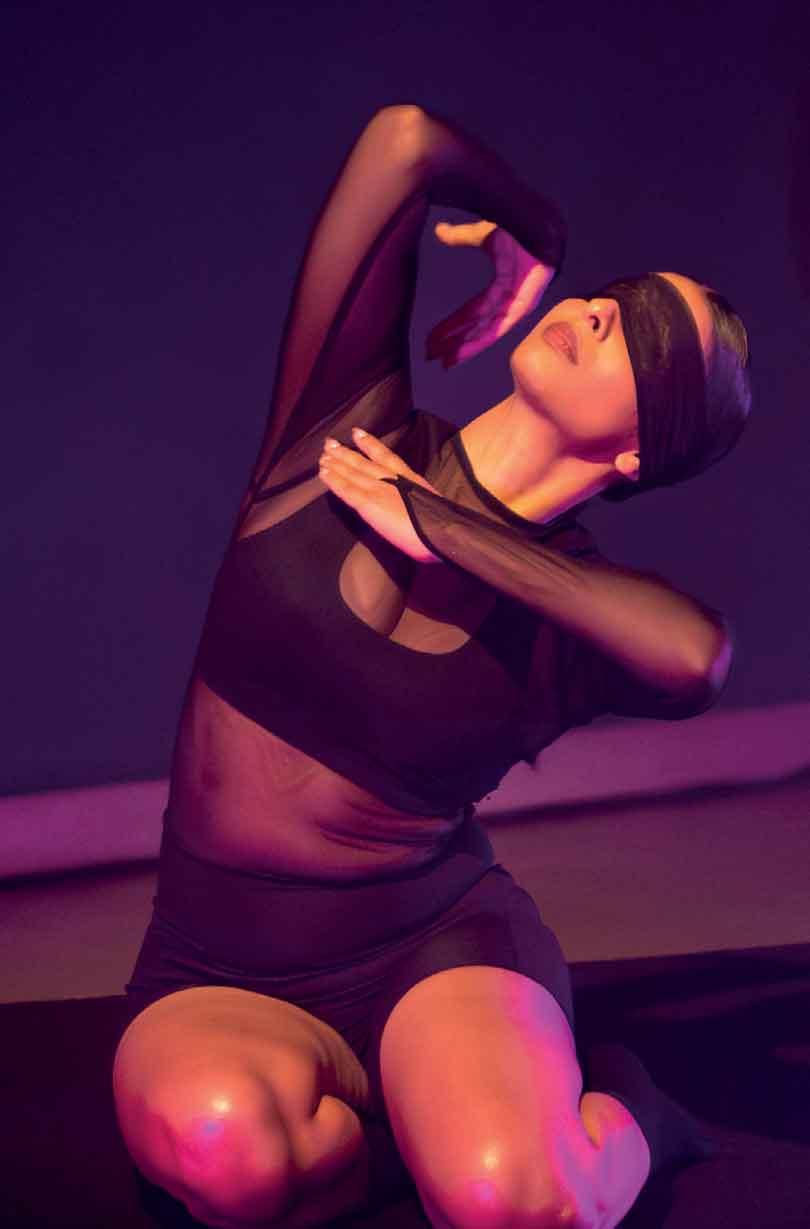
What happens when words are no longer enough to express the weight, rhythm and complexity of being human? For Rangi, the answer lies in movement.
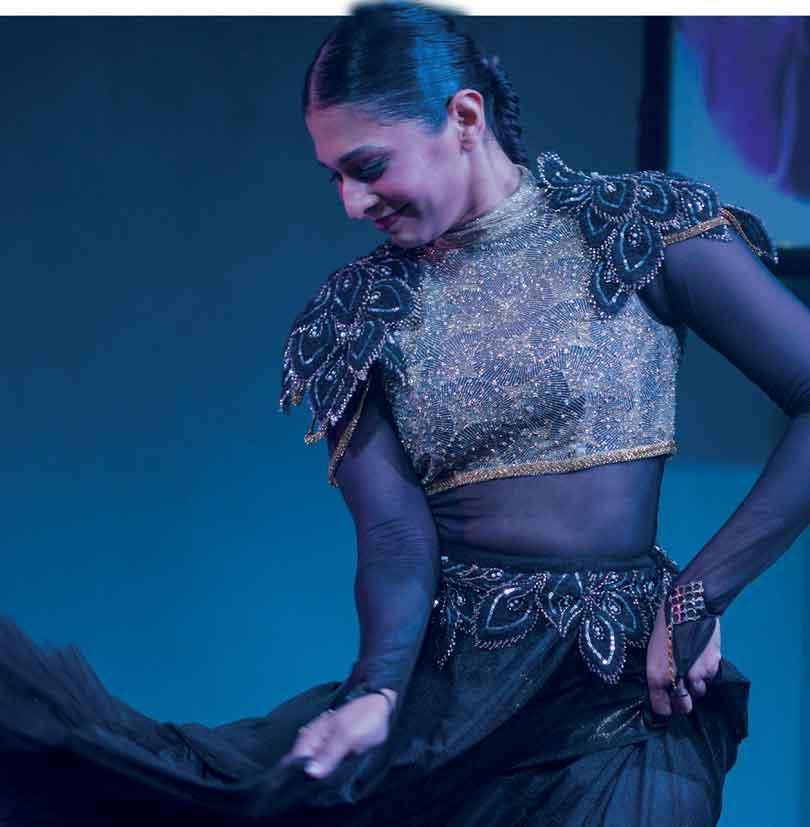
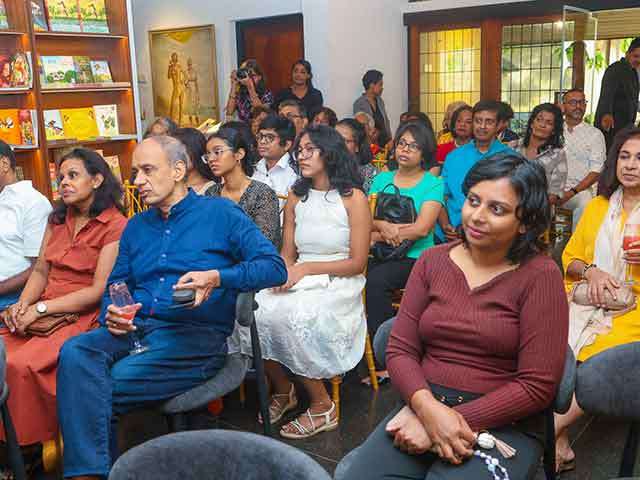
From July 30th to August 1st, Hatch Works in Colombo became the intimate setting for SOLO: Life Expressed Through Movement, a deeply personal performance that transformed movement into a powerful expression of emotion, healing and self-discovery.
Far from being a conventional dance recital, SOLO invited its audience into Rangi’s inner world. From the moment they entered the space, they were already stepping into her story. The stage itself was created using elements drawn from different parts of Rangi’s life, quietly establishing the context for the journey that was about to unfold.
Structured across five chapters, the performance traced the human journey through growth, routine, expectation, conflict, release and reconnection. Each chapter revealed another layer of the experience of being human, exploring the emotional landscapes that exist beneath everyday life. While the details of our lives may differ, SOLO suggested, the emotions that move through us are often remarkably universal.
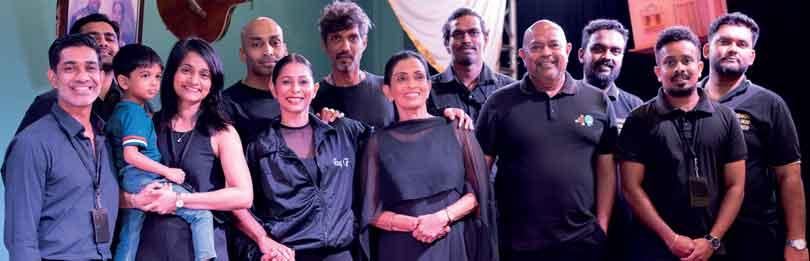
Artistic direction by Sashane Perera gave the work a strong theatrical framework, while Rangi’s expressive choreography allowed movement to communicate what words could not. The production was brought together by V Productions, whose production management played an important role in translating the creative vision into a seamless live experience. Ryan Holsinger’s light design further shaped the atmosphere of the performance, using light to support the emotional shifts and visual language of each chapter.
The result was a performance that felt carefully constructed while remaining deeply human.
One of the most striking aspects of SOLO was the physical commitment it demanded. Rangi remained on stage for a full hour without leaving the performance space. There was nowhere to disappear, no backstage refuge and no opportunity to conceal the physical reality of what the body was experiencing.
Even costume changes and moments of rest happened on stage. The audience saw the exertion, the tiredness, the breathlessness and the moments when the body was visibly working hard to continue. Rather than disguising that reality, Rangi allowed it to become part of the performance. The breath became audible. The fatigue became visible. The effort required to sustain an hour of continuous movement became part of the story itself.
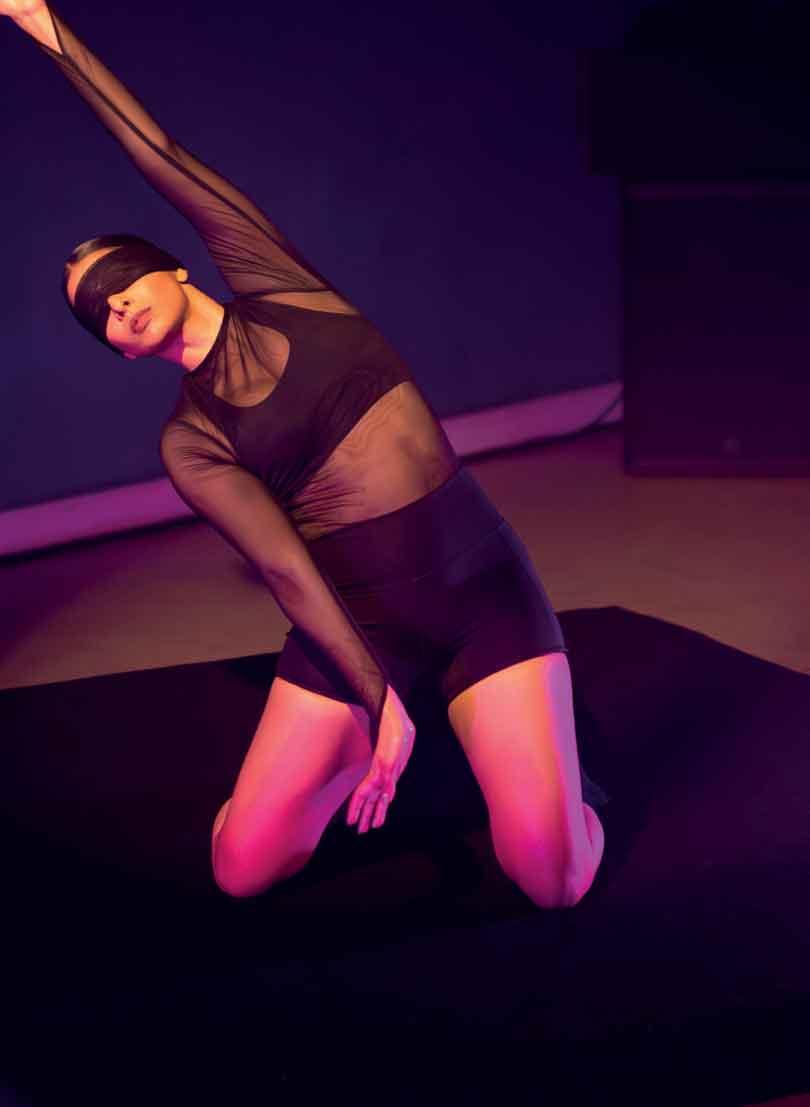
The body was not simply the instrument through which the choreography was performed. It was the subject.
This distinction was central to SOLO. The performance was not simply about watching movement; it was about experiencing what movement can reveal.
The choreography moved between moments of intensity and stillness, allowing the audience to witness shifts between different internal worlds. At times, the movement felt deeply personal; at others, it became almost uncomfortably familiar.
One particularly striking chapter explored the mundane, mechanical rhythms of modern adulthood. Through sharp, repetitive movement and an evocative soundscape by Park Studios, Rangi captured the stifling nature of routine and the weight of societal expectations; the patterns we can become trapped in without even realising it.
The sequence was deeply personal yet entirely universal, prompting audiences to recognise parts of their own lives in the repetition.
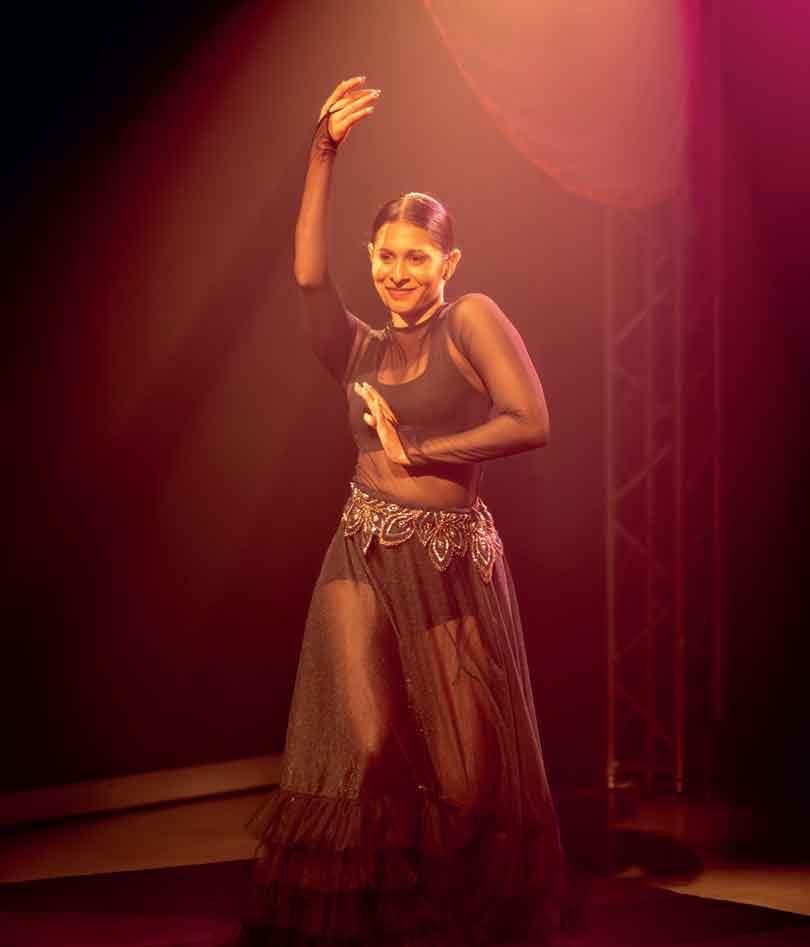
Rangi’s background as a Dance Movement Therapist further informed the work. Trained in Germany, she has spent years exploring the relationship between movement, emotion and wellbeing. SOLO became an extension of that philosophy, bringing her understanding of the body into a theatrical setting without turning the performance into a lecture or explanation.
Instead, the body did the talking. Rangi’s vulnerability was not presented as weakness. It became a language of its own, one that allowed the audience to witness the human experience without the distance that words can sometimes create.
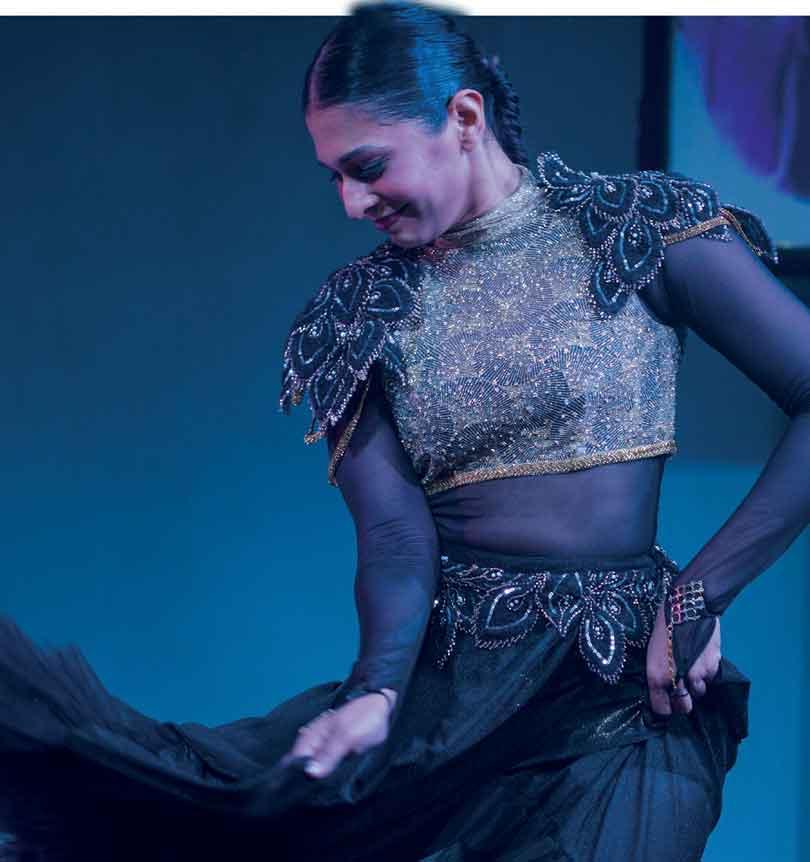
And then, at the very end, the boundary between performer and audience disappeared. Rangi broke the fourth wall and invited the audience to move with her. What had begun as one woman moving alone on stage suddenly became a shared experience. The distinction between performer and spectator dissolved as the room began moving together.
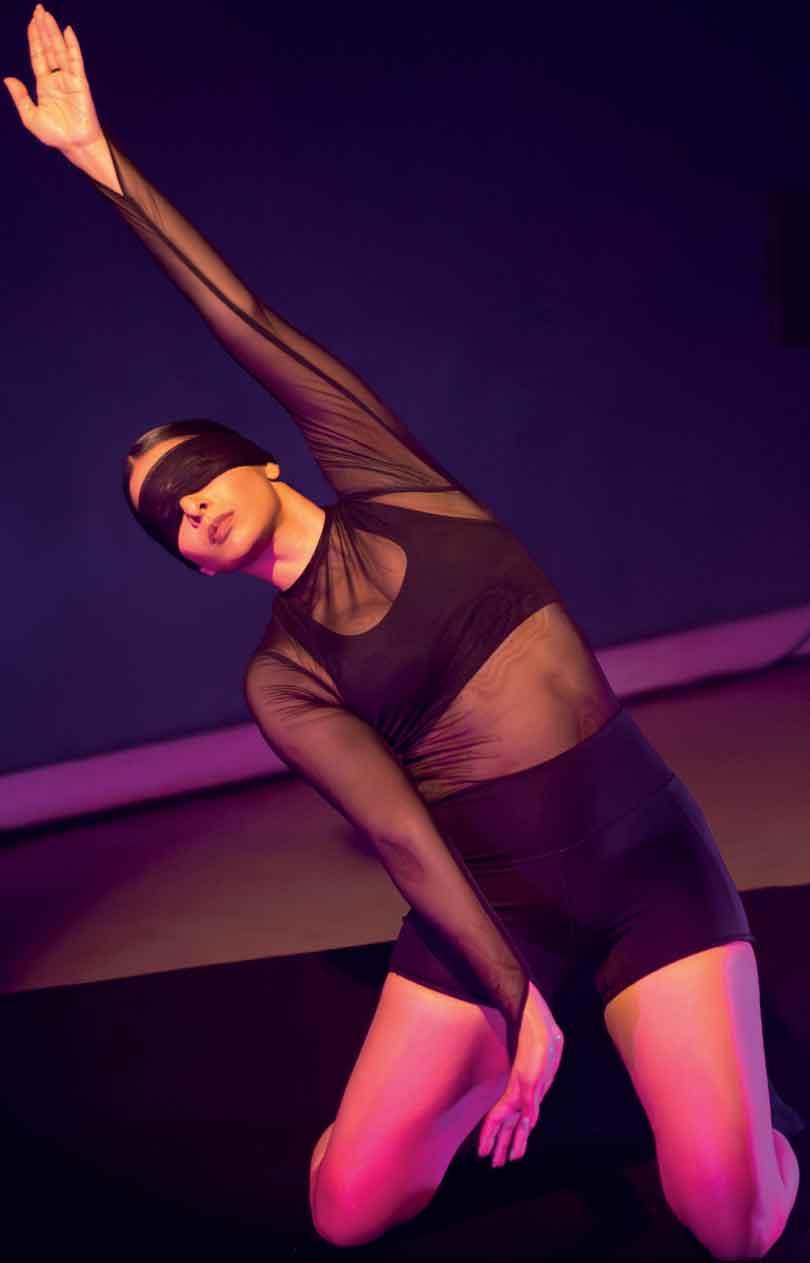
The curtain call itself became an extension of the performance. The audience could not hold back their smiles as they surrendered to something playful and familiar, reconnecting with a sense of their inner child. Confetti filled the room as Rangi continued to engage with the audience, while laughter, spontaneous reactions and commentary flowed seamlessly from the performance into the curtain call.
It was a joyful departure from the conventional curtain call, not simply a moment to acknowledge applause, but a final invitation to participate. And perhaps that was the most fitting ending for SOLO.
A performance that began with one body alone on stage ultimately ended with a room full of people moving, laughing and connecting together. The three-night run concluded to standing ovations, but the response to SOLO felt like more than applause. In an increasingly digital and overstimulated world, the performance offered a return to something remarkably simple: the human body, breath, emotion and connection.
It reminded its audience that movement does not have to be perfect to be powerful; that vulnerability can exist alongside professionalism; that exhaustion can be visible without taking away from strength; and that reconnecting with ourselves can begin with something as simple as allowing the body to move.
SOLO was, ultimately, not just Rangi’s story. It was an invitation for the audience to recognise something of their own. Rangi did not need words to tell the audience what it means to move through life. She showed them. And by the end, she had invited them to move too.