INNER WHEEL: BRINGING WATER, HOPE, AND LIFELINES TO THE NORTH CENTRAL PROVINCE
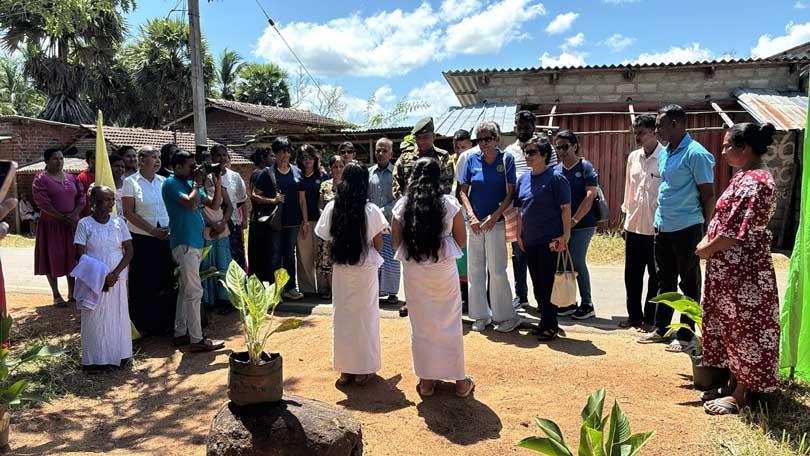
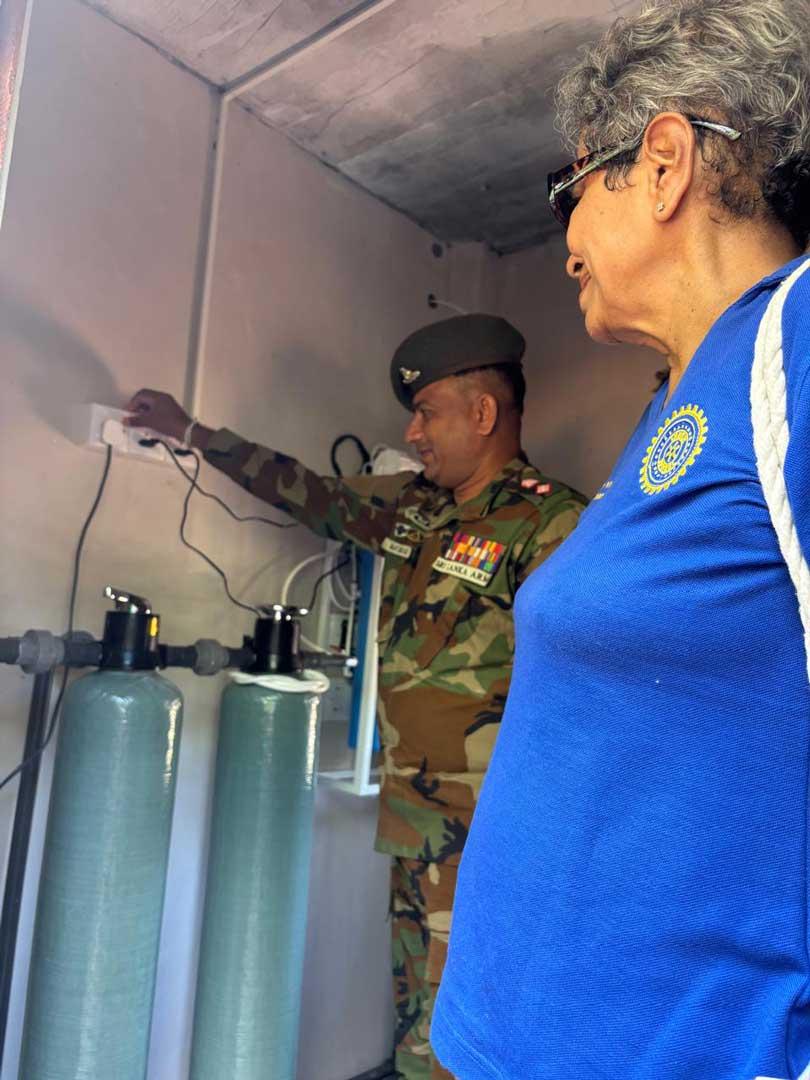
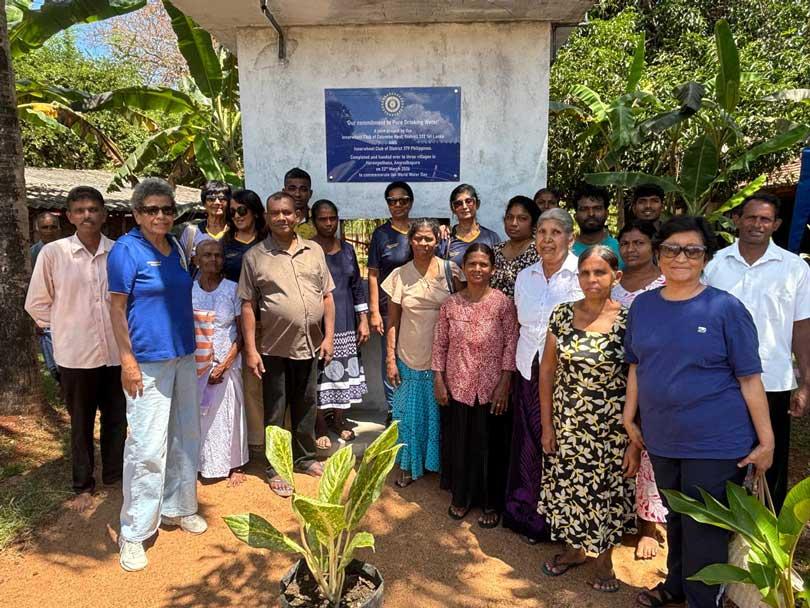
There are moments in a nation’s life when service transcends ceremony and becomes, quite simply, an act of survival. As the world marked World Water Day 2026, such a moment quietly unfolded on Tuesday, 24 March, in the heart of Horawapathana in the North Central Province of Sri Lanka. At a modest junction where three villages – Morawewa, Ralapanawa and Puhulewewa – meet, members from the Inner Wheel Club of Colombo West installed a reverse osmosis water purification system that will alter, in the most fundamental way, the rhythm of daily life for over two thousand people.
To understand the significance of this gesture, one must first understand the geography of hardship in the farming villages of Sri Lanka. The North Central Province, often referred to as
Sri Lanka’s “CKD belt”, has for decades borne the burden of a silent epidemic Chronic Kidney Disease (CKD), and more specifically, its more elusive variant Chronic Kidney Disease of unknown etiology (CKDu). Unlike conventional kidney disease linked to diabetes or hypertension, CKDu has carved its path through farming communities, claiming the lives of young and middle-aged men and women whose only transgression has been prolonged exposure to their environment. The statistics are stark: nearly ten percent of Sri Lanka’s population is affected by kidney-related illnesses, with over 10,500 deaths annually attributed to renal failure. Behind these numbers lie households marked by loss, fields left untended, and futures quietly foreclosed.
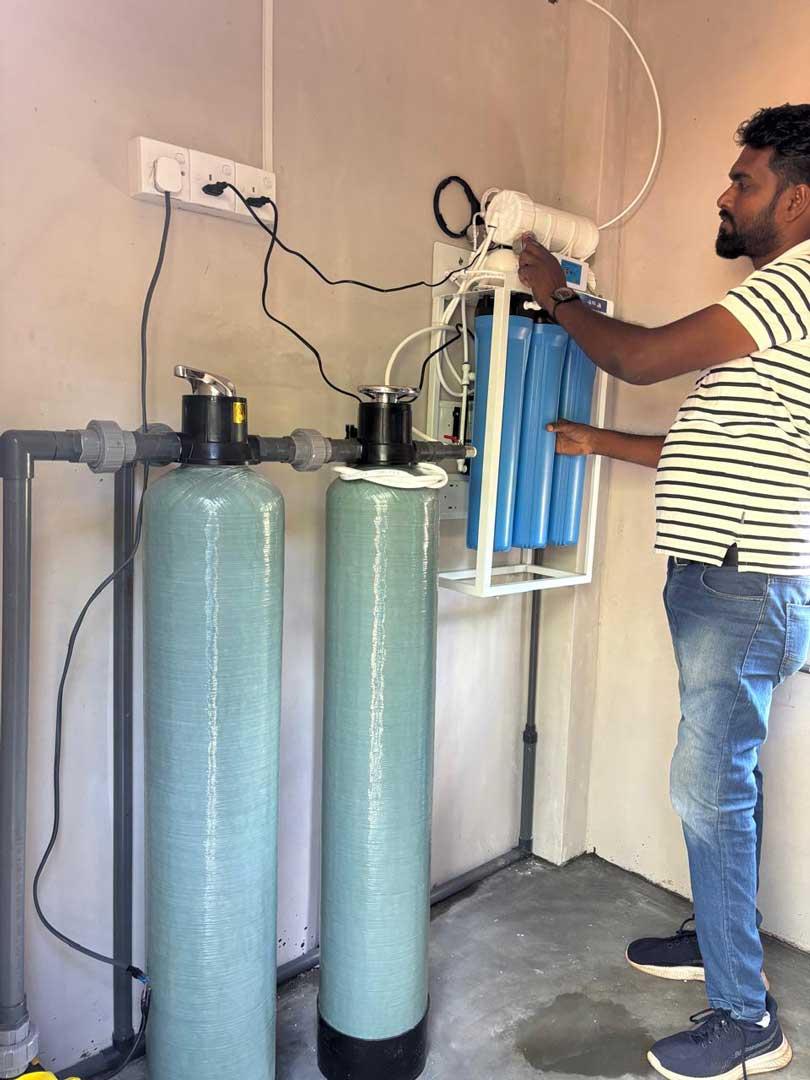
In villages like those in Horawapathana, the cause of this suffering has long been suspected to flow through the very water that sustains life. High levels of total dissolved solids (TDS), often between 500 and 600, far exceed recommended World Health Organisation (WHO) safety thresholds of 20 to 50 TDS. Heavy metals such as arsenic, cadmium, zinc and mercury infiltrate groundwater sources, while the daily realities of farming ensure constant exposure. For years, the only recourse for these communities was to travel to distant towns to purchase drinking water, an expense both economic and physical in regions where income is uncertain and transport scarce.
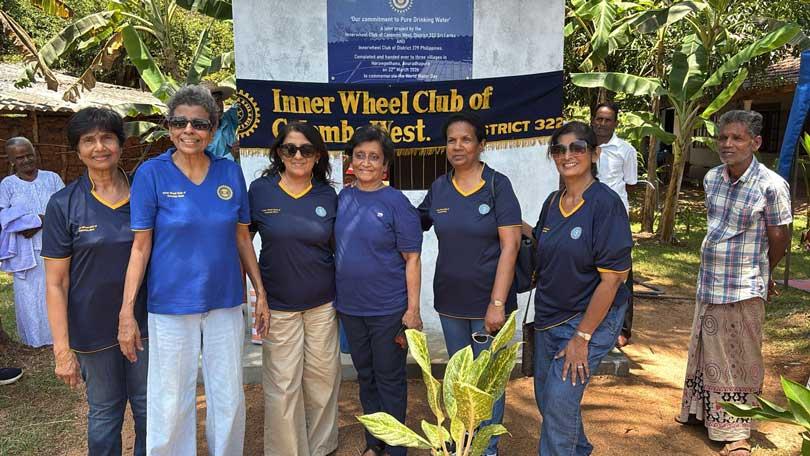
It is into this landscape that the Inner Wheel Club of Colombo West has, for over a decade, quietly intervened. What was inaugurated this March was not an isolated act of charity, but the continuation of a sustained, deliberate campaign that began in 2014. Over twelve years, the club has installed multiple reverse osmosis plants across some of the most affected villages in the North Central Province, including Sandamalgama, Nebodawewa, Dehiattakandiya, Kebedigollawa and Nochchiyagama, as well as extending its reach to Puttalam in the North Western Province. In doing so, they have touched the lives of well over ten thousand beneficiaries.
Yet, to reduce this effort to numbers would be to miss its deeper significance. For what distinguishes this initiative is not merely its intent, but its understanding of sustainability. Too often, development projects falter at the altar of maintenance; infrastructure is installed, photographs are taken, and communities are left to navigate the slow decay of neglected systems. The Inner Wheel Club of Colombo West has chosen a different path. Each purification plant is not only installed but housed, monitored and sustained through a simple yet effective community model. Villagers contribute a nominal fee - one to two rupees per litre - creating a fund for the periodic replacement of filters. The club itself maintains an ongoing relationship with these communities, conducting regular visits and ensuring that technical support remains accessible.
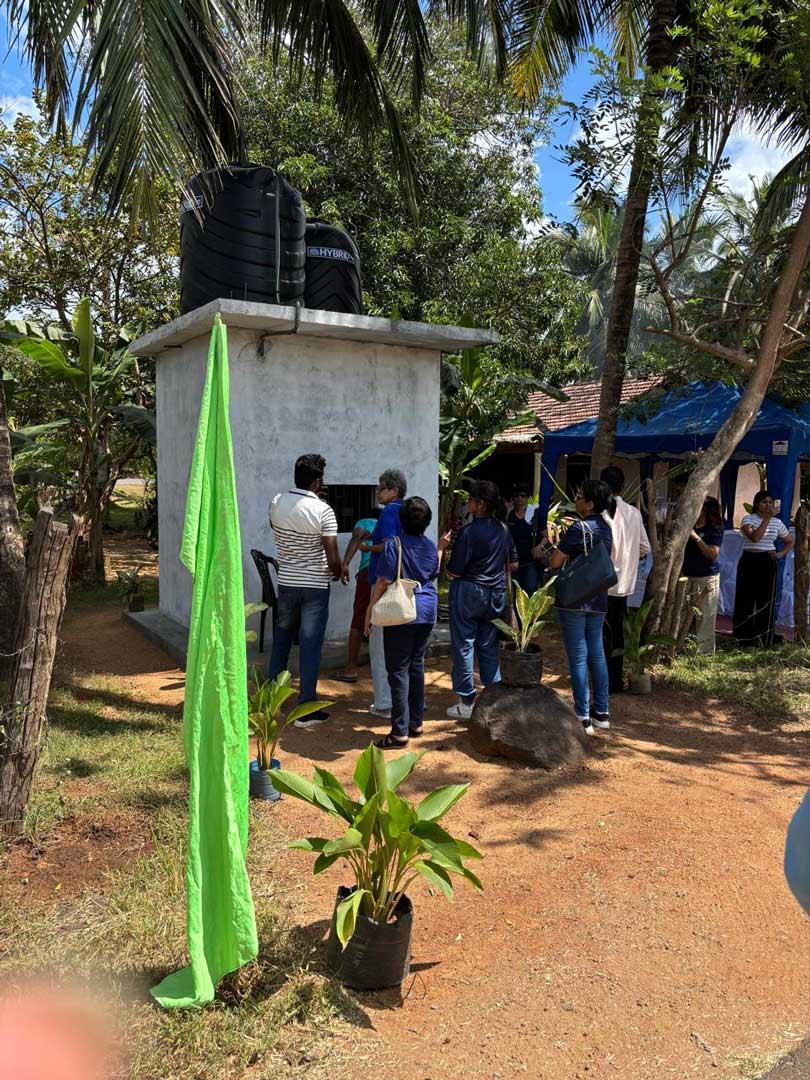
The result is not dependency, but empowerment. It is a model that recognises dignity in participation, and resilience in shared responsibility.
There is, too, a quieter transformation that statistics cannot fully capture. When members of the club first visited these rural areas, they were struck by the sight of white flags fluttering outside homes - a traditional marker of mourning, each one signifying a life claimed by kidney disease. Today, those flags are fewer. In their absence lies a fragile but undeniable hope: that access to clean water can not only prevent illness, but in some cases, even reverse its course.
This is no small achievement in a country where the healthcare system, despite its commendable commitment to free access, is under immense strain. Hemodialysis remains the primary treatment for end-stage renal disease, yet resources are limited, facilities are concentrated in urban centres, and costs, both direct and indirect, are prohibitive. For many rural families, the journey to treatment is itself an insurmountable barrier. In this context, prevention is not merely preferable; it is essential.
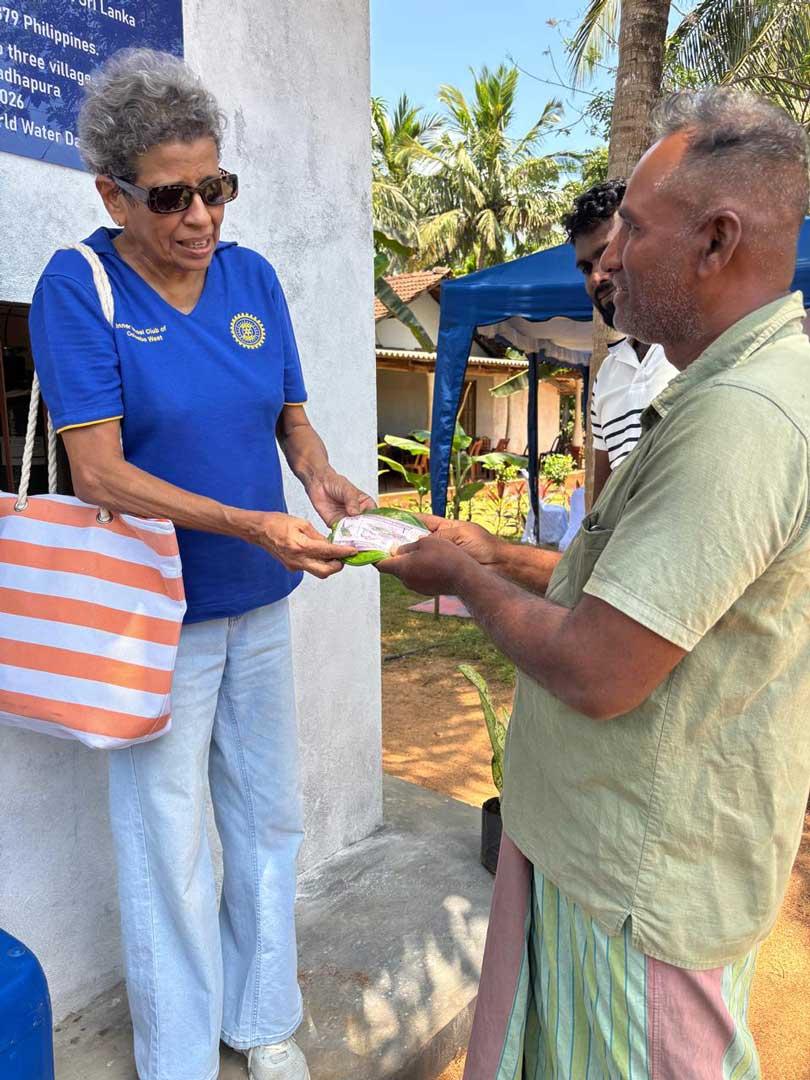
What, then, are we to make of the women behind this effort? The Inner Wheel Club of Colombo West of the Inner Wheel District 322 Sri Lanka and Maldives, a group of fifty-one compassionate and dedicated ladies, in collaboration with equally devoted counterparts of Inner Wheel District 379 Philippines, embody a form of leadership that is increasingly rare. They are not loud. They do not seek recognition. Their work does not trend on social media. And yet, in their quiet consistency, they have achieved what many larger, louder initiatives have not: measurable, lasting impact.
The club itself, with over fifty years of service, stands as a testament to continuity in an age of transience. Its projects are many; its reach wide. But there is something uniquely profound about this particular undertaking. For water, after all, is not merely a resource. It is the first condition of life, the invisible thread that connects health, livelihood and dignity.
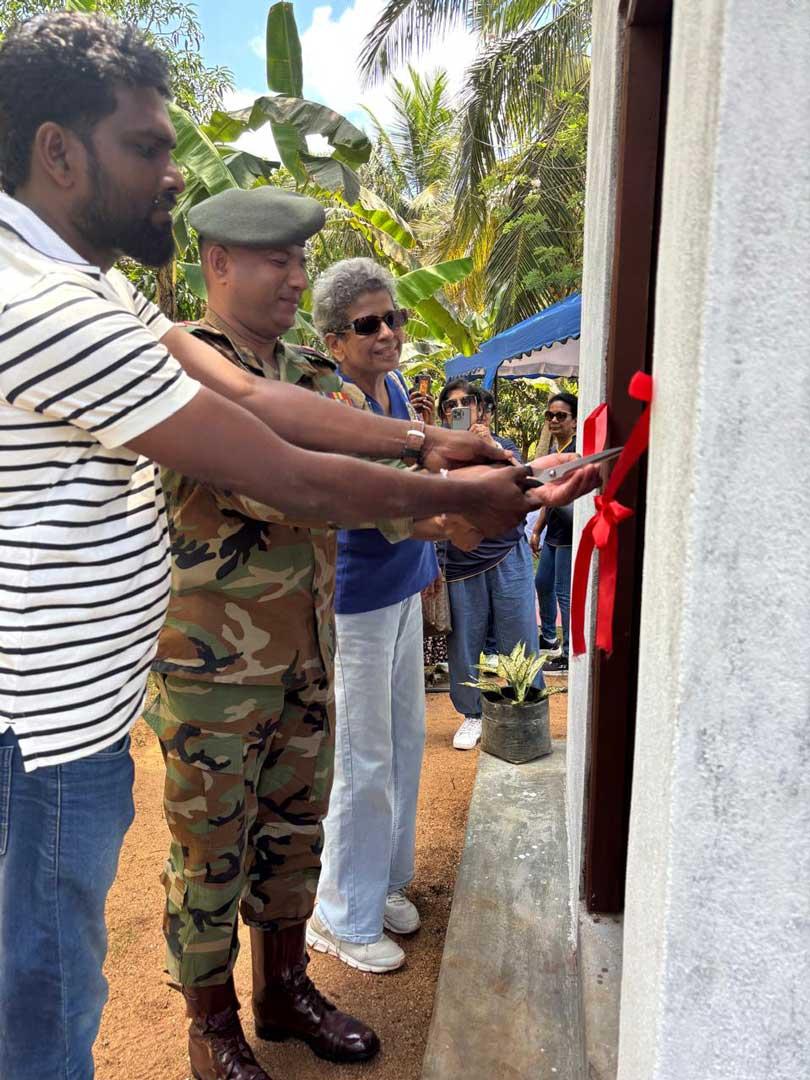
In Horawapathana, at that unassuming junction where three villages converge, the turning of a tap will soon signal more than the availability of clean water. It will mark the convergence of empathy and commitment, of science and service, of local need and global awareness. It will stand as a reminder that meaningful change is rarely dramatic, often unheralded, and almost always the result of sustained, collective effort.
And perhaps that is the lesson we are called to carry forward from this World Water Day: that the most powerful acts of leadership are not those that command attention, but those that quietly, persistently, transform lives.