DHURANDHAR 2
CINEBLEND BY YASHMITHA SRITHERAN
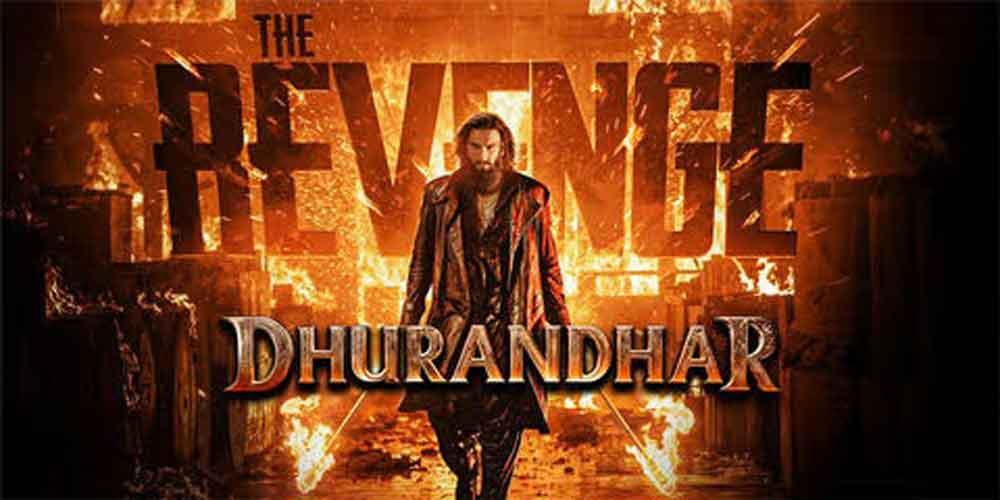
Dhurandhar 2 arrives as a loud, ambitious sequel that attempts to expand both the emotional and political universe of its predecessor while placing Ranveer Singh firmly at the centre of a story that blends action spectacle with nationalistic drama. Directed by Aditya Dhar, the film sets out to be more than just a continuation. It wants to be an escalation, a statement, and at times, a provocation.
Ranveer Singh reprises his role as Major Aarav Rathore, a decorated intelligence officer operating within a covert wing of India’s external security apparatus. The film opens in the aftermath of the first instalment, where Aarav is grappling with the emotional wreckage of a mission that cost him both his team and his sense of moral certainty. Now suspended from official duty but still deeply embedded in the intelligence network, he is pulled back into the field when a new threat emerges, one that is tied directly to the unfinished business of his past.
The narrative introduces a powerful antagonist in the form of Zoravar Khan, played with calculated menace by Arjun Rampal. Zoravar is not merely a terrorist figurehead but a strategist with ideological motivations rooted in geopolitical revenge. His network spans multiple countries, and his operations are designed not just to destabilise but to humiliate. This elevates the conflict beyond physical warfare into psychological and symbolic territory.
Sanjay Dutt appears as Colonel Rudra Pratap Singh, a senior intelligence figure and Aarav’s former mentor, whose loyalties are deliberately kept ambiguous for much of the film. Shefali Shah plays Meera Sinha, a high-ranking intelligence analyst whose moral clarity contrasts sharply with the increasingly blurred lines Aarav finds himself navigating. Together, these characters form the emotional and strategic backbone of the narrative, even as the story moves across borders from Delhi to Istanbul, from Eastern Europe to covert bases hidden in plain sight.
The plot unfolds through a series of layered missions. Aarav is tasked with intercepting a classified weapons exchange linked to Zoravar’s network, but the operation quickly spirals into a deeper conspiracy involving compromised intelligence channels and internal betrayal. As the film progresses, it becomes clear that the enemy is not confined to external forces. There are fractures within the system itself, forcing Aarav to question not only whom he is fighting but also whom he can trust. At its core, Dhurandhar 2 is a story about consequences. The decisions made in the first film ripple outward, creating a world that feels unstable and perpetually on the brink. Aarav is no longer simply a man on a mission. He is a man dealing with the fallout of his past, haunted by loss and driven by a need for closure that often blurs the line between justice and vengeance. The screenplay takes time to explore his psychological state, using flashbacks and fragmented memories to emphasise the toll of his experiences.
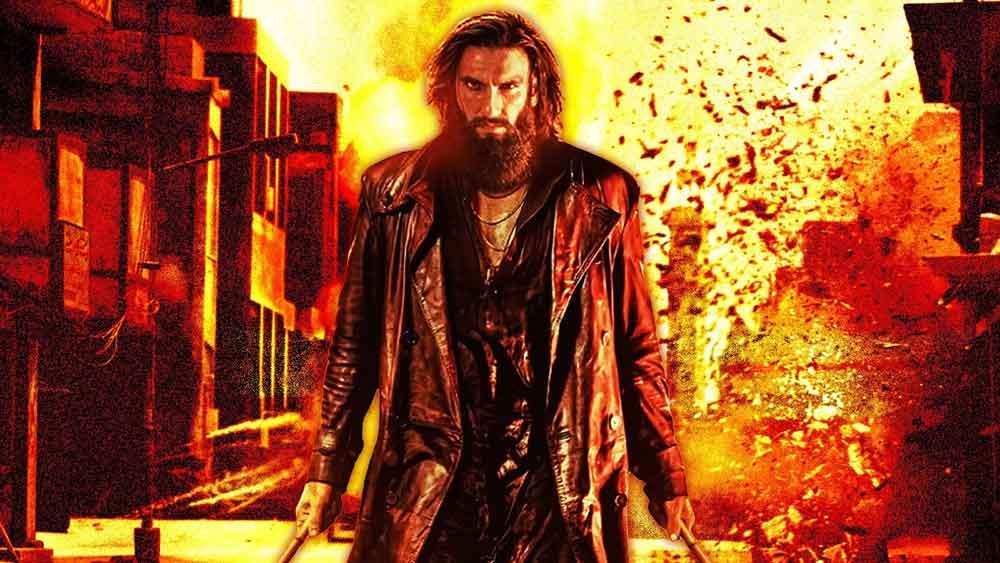
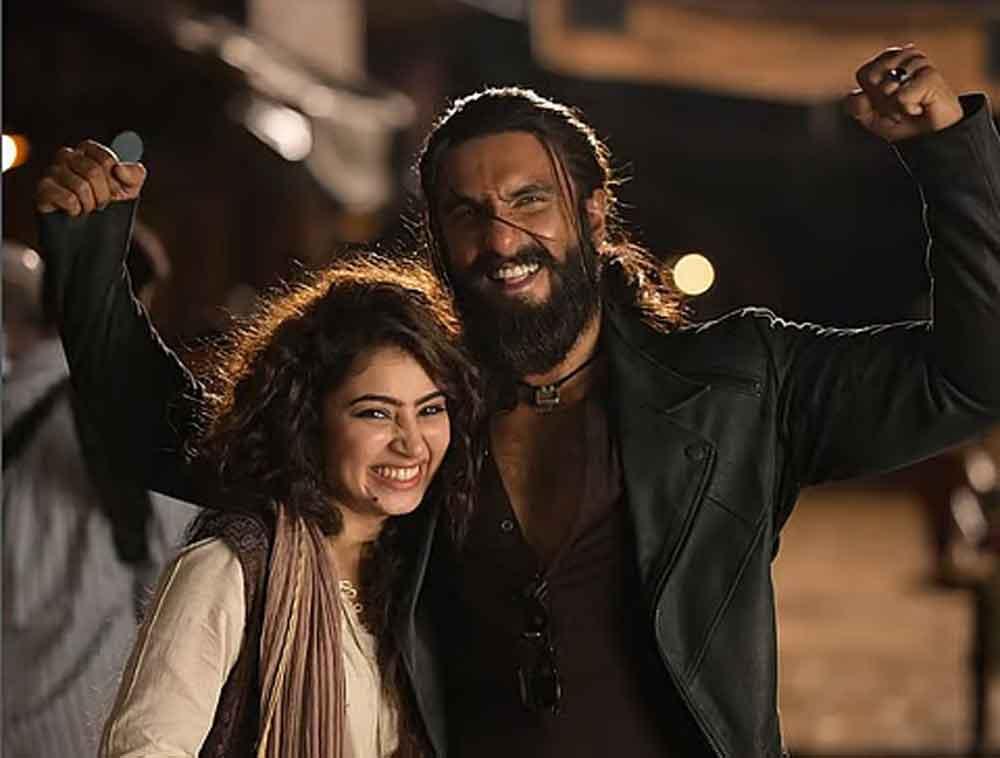
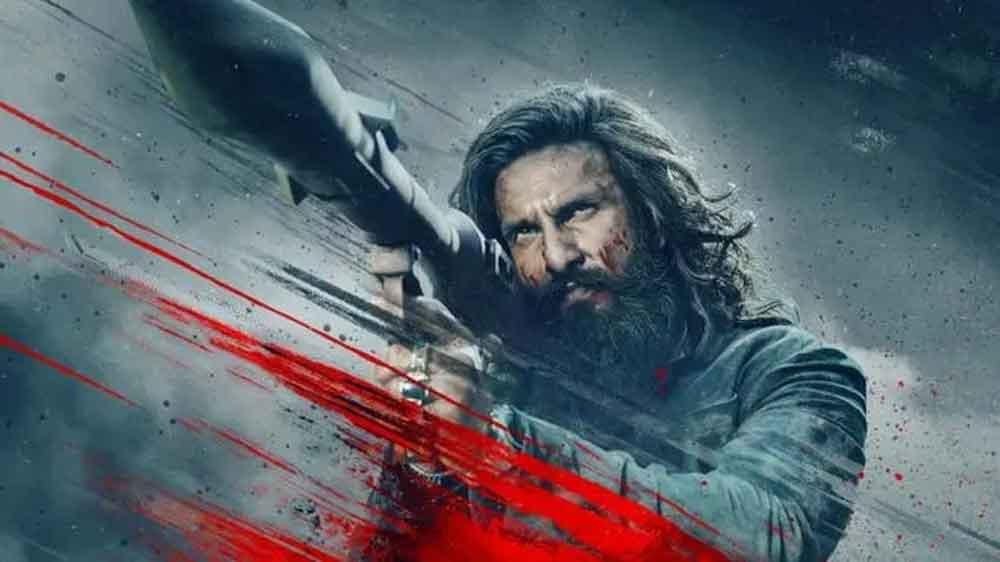
Ranveer Singh delivers a performance that is intense and physically committed. He leans into Aarav’s psychological burden, portraying a man who is both controlled and volatile. There are moments where his performance borders on theatrical excess, but that has always been part of his screen persona. Here, it works more often than it does not, particularly in scenes that demand emotional vulnerability. His portrayal ensures that even when the narrative becomes sprawling, the audience remains anchored to a recognisable human core.
Arjun Rampal’s Zoravar Khan is imposing and calculated, though the writing does not always allow the character to reach his full potential. He is effective as a looming threat, but his motivations, while hinted at, could have been explored with greater nuance. Sanjay Dutt brings gravitas to Colonel Rudra, delivering a performance that is restrained yet layered, especially in scenes that hint at hidden agendas. Shefali Shah stands out for her measured and intelligent portrayal of Meera, grounding the film’s more dramatic moments with a sense of realism.
Visually, the film is expansive and polished. The cinematography captures both the grandeur of international locations and the claustrophobic tension of covert operations. There are sweeping aerial shots juxtaposed with tight, handheld sequences that place the audience directly within the action. The production design reflects a world that is both technologically advanced and morally ambiguous, reinforcing the film’s thematic concerns. The action sequences are one of the film’s strongest elements. From a high-speed chase through narrow European streets to a meticulously staged infiltration of a fortified compound, the set pieces are executed with precision and scale. The choreography prioritises clarity, allowing the audience to follow the progression of each sequence without losing the sense of chaos inherent in such scenarios. The film avoids excessive reliance on visual effects, instead favouring practical stunts that add weight and authenticity.
What sets Dhurandhar 2 apart is its attempt to balance spectacle with thematic weight. The film engages with ideas of patriotism, loyalty and sacrifice, though its perspective is not subtle. At times, the messaging feels overt and heavy handed, leaning into rhetoric that may resonate strongly with some audiences while alienating others. The narrative occasionally pauses to deliver statements that feel more declarative than organic, which can disrupt the flow of the story. The screenplay is ambitious, juggling multiple narrative threads and attempting to maintain tension across a lengthy runtime. The first half is tightly constructed, gradually building momentum and layering intrigue. The second half, however, becomes uneven. Certain plot developments are rushed, particularly in the resolution of secondary arcs, while other moments linger longer than necessary. This imbalance affects the pacing, though it does not entirely derail the overall impact.
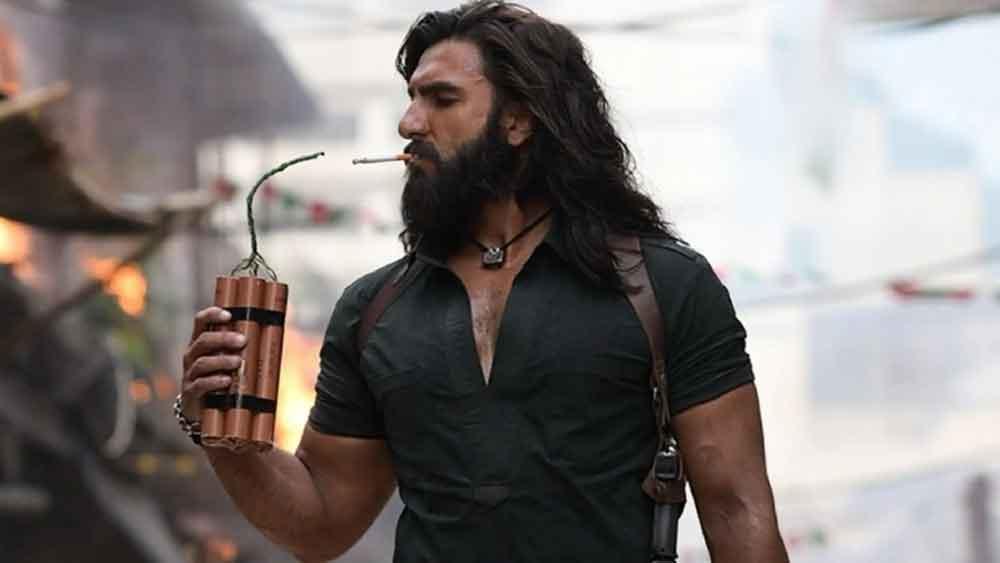
Dialogues are sharp in confrontational scenes, especially those involving ideological clashes between Aarav and Zoravar. These exchanges offer glimpses into the philosophical underpinnings of the conflict, even if they do not always delve as deeply as they could. At other times, the writing leans into familiar genre tropes, relying on lines that feel predictable rather than fresh. One of the film’s more compelling aspects is its emotional core. Beneath the layers of action and politics lies a story about loss and the human cost of conflict. Aarav’s journey is marked by personal sacrifices that are not easily forgotten. The film allows space for these quieter moments, creating a contrast that enhances the impact of the action sequences. These scenes, often involving Meera or Rudra, provide insight into Aarav’s internal struggle and the burden of his choices.
The music and background score support the narrative effectively. The score heightens tension during action sequences and underscores emotional beats without becoming intrusive. While the songs themselves may not become chart defining hits, they integrate seamlessly into the film’s structure, maintaining tonal consistency. In terms of box office performance, Dhurandhar 2 has emerged as a significant commercial success. The film has reportedly earned approximately US $108 million in India net collections and is approaching an estimated US $168 million worldwide gross.
These figures position it among the highest grossing Indian films in recent years, reflecting strong audience engagement and sustained theatrical momentum.
However, commercial success has been accompanied by considerable debate. The film’s overt political messaging has drawn criticism from some quarters, with detractors arguing that it lacks nuance and leans too heavily into a singular perspective. Others have praised it for its unapologetic stance and its attempt to merge mainstream entertainment with socio political commentary. This division highlights the film’s ambition. It is not content with being purely entertaining. It seeks to provoke discussion. From a critical standpoint, Dhurandhar 2 succeeds in several key areas while falling short in others. Its strengths lie in its performances, particularly that of Ranveer Singh, its technical execution and its ability to deliver moments of genuine emotional resonance. Its weaknesses are rooted in uneven pacing, occasionally underdeveloped antagonists and a tendency to prioritise message over subtle storytelling.
The film’s ambition is both admirable and problematic. It aims to be a blockbuster with substance, a spectacle with meaning. In doing so, it sometimes overreaches. Yet there is something compelling about its willingness to take risks. Even when it falters, it remains engaging, driven by a central performance that commands attention. Ultimately, Dhurandhar 2 is not a passive viewing experience. It demands engagement, whether through its action, its themes or its central character. For audiences willing to embrace its intensity and overlook its flaws, it offers a gripping and emotionally charged narrative. For others, its excesses and overt messaging may prove distracting.
What remains undeniable is the film’s impact. It has captured attention, dominated conversation and delivered a box office performance that underscores its widespread appeal. Ranveer Singh’s portrayal of Aarav Rathore anchors the film, providing a human centre to a story that operates on a grand and often overwhelming scale. In the end, Dhurandhar 2 stands as a reflection of an evolving cinematic landscape where spectacle and substance increasingly intersect. It may not achieve perfect balance, but it leaves a lasting impression, one that ensures it will be discussed long after the credits roll.