April Celebrations
April in Sri Lanka is not merely a transition from one month to another. It is a deeply meaningful period that brings together spirituality, culture, and community in a way that is both powerful and uplifting. The island transforms during this time, as traditions rooted in centuries of history come alive alongside religious observances that inspire reflection and hope. It is a season that touches every aspect of life, from the quiet introspection of sacred days to the vibrant energy of communal celebrations.
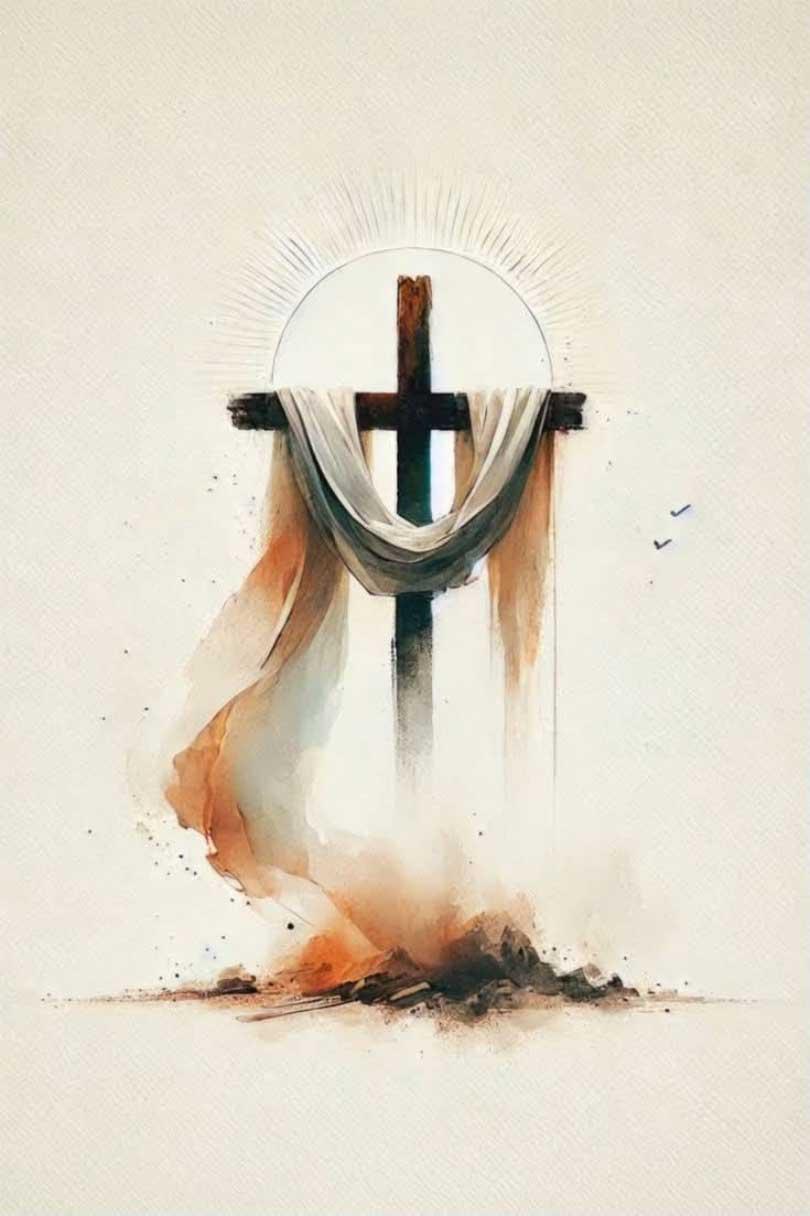
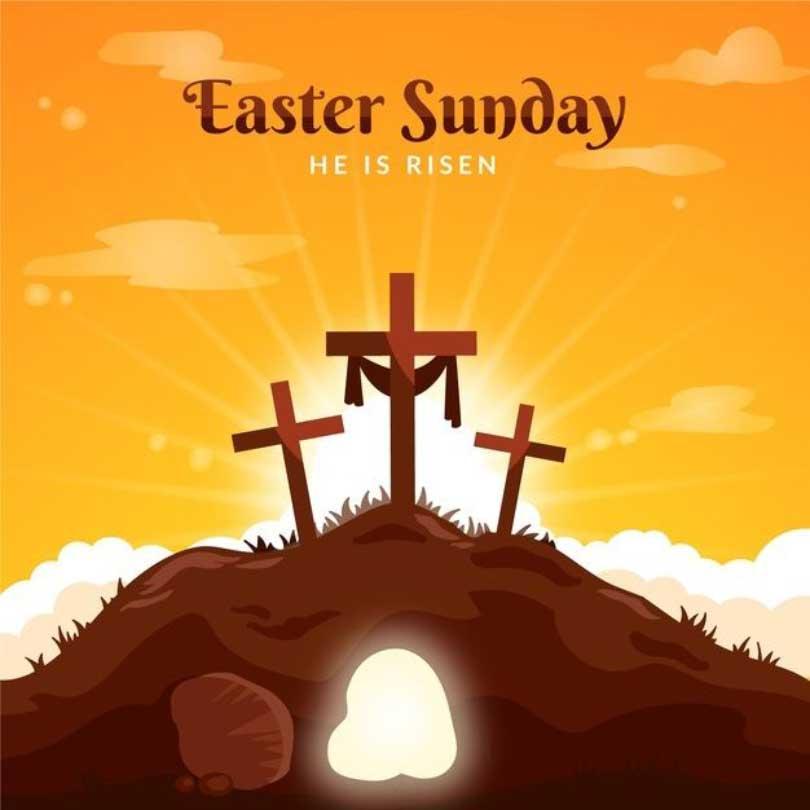
For many within the Christian community, April begins with Good Friday, a day marked by solemn remembrance. This sacred occasion commemorates the crucifixion of Jesus Christ and is observed with deep reverence across the country. Churches become spaces of quiet devotion, where worshippers gather to reflect on themes of sacrifice, forgiveness, and unwavering faith. The atmosphere is subdued, with many choosing to fast or spend the day in prayer. It is a time when individuals turn inward, contemplating the meaning of suffering and the strength that can be found through belief. The stillness of Good Friday creates a powerful contrast with the joy that follows just two days later. Easter Sunday arrives as a celebration of resurrection and renewal, bringing with it a sense of hope that fills homes and hearts alike. Churches resonate with uplifting hymns and prayers of gratitude, while families come together to mark the occasion with festive meals and shared traditions. Children eagerly anticipate the delight of Easter eggs and sweet treats, adding a sense of innocence and joy to the celebrations. The journey from Good Friday to Easter Sunday captures a profound spiritual message, moving from sorrow to joy and from despair to new beginnings.
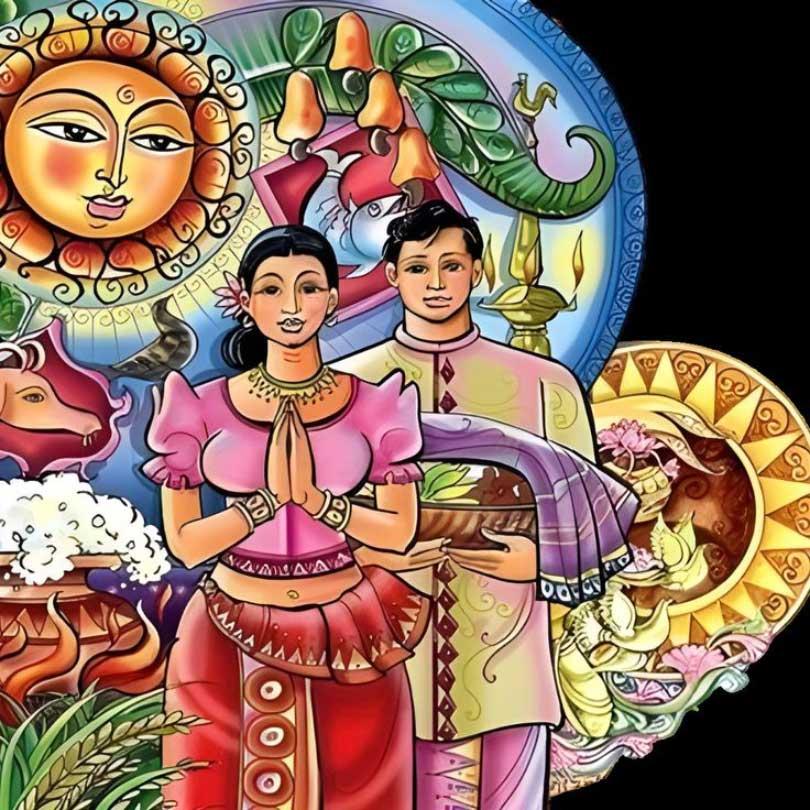
Almost seamlessly, the focus of the nation shifts from religious observance to cultural celebration with the arrival of the Sinhala and Tamil New Year. Known as Avurudu by the Sinhalese and Puthandu by the Tamil community, this festival represents one of the most significant cultural events in Sri Lanka. It is a time that unites people across ethnic and religious lines, celebrating not only the passage of time but also the shared heritage of the island. The days leading up to the New Year are filled with anticipation and preparation. Homes are thoroughly cleaned, symbolizing the removal of past negativity and the welcoming of fresh beginnings. Families purchase new clothes, often choosing bright and cheerful colors that reflect the festive spirit of the season. Kitchens come alive with activity as traditional sweets and delicacies are prepared in abundance. Among these are beloved treats such as kavum, kokis, and athirasa, each carrying its own cultural significance and flavour. The process of making these foods is often a communal effort, bringing family members together in laughter and cooperation.
What sets the Sinhala and Tamil New Year apart from many other celebrations around the world is the importance placed on auspicious timing. Rather than marking the New Year at midnight, rituals are performed according to specific times determined by astrology. These moments, known as nekath, are believed to align human activity with the rhythms of the universe. From lighting the hearth to partaking in the first meal and even engaging in financial transactions, each act is carried out at a carefully chosen time. This practice reflects a deep cultural belief in harmony between individuals and the cosmos, adding a layer of spiritual meaning to the festivities.

When the New Year officially begins, the atmosphere shifts into one of joy and unity. Families gather to participate in time honoured customs that strengthen bonds and express respect for tradition. Elders are honoured through rituals such as the exchange of money and the application of herbal oil, gestures that symbolize blessings and well-being. These acts are not merely ceremonial but carry a profound sense of gratitude and continuity, connecting generations through shared practice.
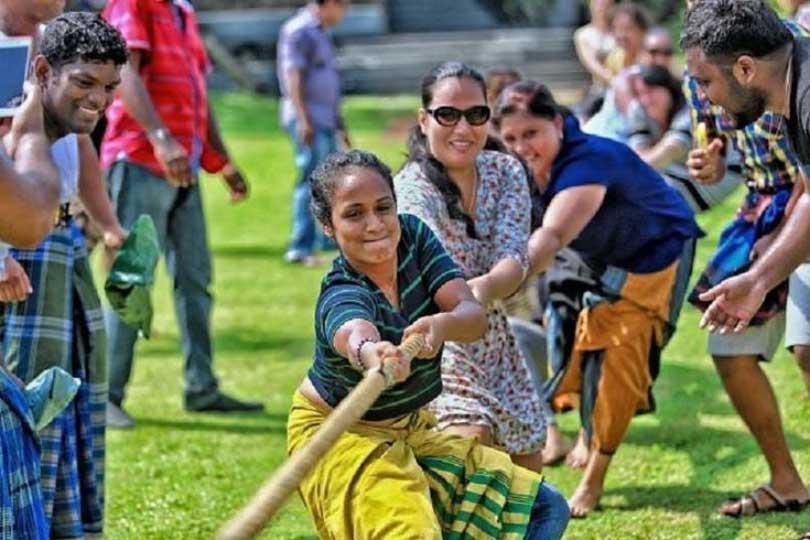
Communities also come together to engage in traditional games that bring a sense of playfulness and camaraderie to the celebrations. Activities such as breaking the clay pot, pillow fighting, and tug of war fill open spaces with laughter and excitement. These games, often enjoyed by people of all ages, create moments of connection that go beyond words. They remind participants of the joy found in simple pleasures and the importance of togetherness. The Sinhala and Tamil New Year is also closely tied to the agricultural calendar, marking the end of the harvest season. It is a time to give thanks for the abundance of the past year while looking forward to the opportunities of the future. This connection to the land adds another dimension to the celebrations, grounding them in the rhythms of nature and the cycles of life.
One of the most remarkable aspects of April in Sri Lanka is the way in which these diverse celebrations coexist. In a country known for its rich multicultural fabric, it is common to see people from different backgrounds sharing in each other’s traditions. A Christian family may join their neighbours in New Year festivities, participating in games and enjoying traditional foods. Similarly, those celebrating Avurudu may extend warm wishes and exchange sweets with friends observing Easter. This spirit of inclusivity and mutual respect is a defining characteristic of Sri Lankan society, particularly during this festive season. Beyond the structured rituals and communal gatherings, April also offers a more personal opportunity for reflection and renewal. It is a time when individuals can pause and take stock of their lives, considering what they wish to carry forward and what they hope to leave behind. Whether through prayer, quiet contemplation, or meaningful conversations with loved ones, the month encourages a sense of introspection that is both gentle and transformative.
In today’s fast paced world, moments like these have become increasingly valuable. The celebrations of April serve as a reminder to slow down and appreciate the things that truly matter. They highlight the importance of family, community, and tradition, offering a sense of stability and belonging in an ever-changing environment. The act of coming together, whether in a place of worship or around a shared meal, reinforces the connections that sustain individuals and communities alike. April also carries an emotional resonance that lingers long after the celebrations have ended. The memories created during this time, from the quiet reflection of Good Friday to the lively energy of New Year games, become part of a collective experience that shapes cultural identity. These moments are passed down through generations, preserving a sense of heritage that continues to evolve while remaining rooted in tradition.
Ultimately, April in Sri Lanka stands as a testament to the beauty of diversity and the strength of unity. It is a month where faith and culture intertwine, creating a rich tapestry of experiences that speak to the heart of the nation. The solemn echoes of prayer and the joyful sounds of laughter exist side by side, each enhancing the significance of the other. As the month unfolds, it invites everyone to embrace its spirit in their own way. Whether through acts of devotion, participation in cultural traditions, or simply spending time with loved ones, April offers countless opportunities to find meaning and joy. It is a celebration of life in all its complexity, acknowledging both the challenges and the blessings that shape the human experience.
In this way, April becomes more than a period of observance. It transforms into a journey of renewal, connection, and celebration. It reminds us that even in a world that often feels hurried and fragmented, there are moments that bring us back to what is essential. Through its unique blend of reflection and festivity, April continues to stand out as one of the most enriching and colourful times of the year in Sri Lanka.