When the world is at war, one woman fought her own: The story of Noelia Castillo Ramos
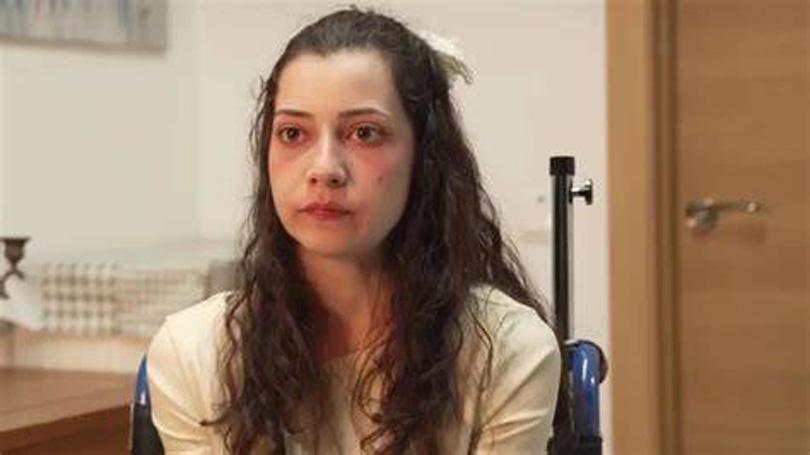
At a time when global attention is consumed by wars, political instability, and humanitarian crises, there are stories that unfold quietly, away from the noise, yet carry a weight just as profound. These are not conflicts fought between nations or along borders, but battles that take place within a single human life. One such story is that of Noelia Castillo Ramos, a young woman whose deeply personal struggle has resonated far beyond her own circumstances and sparked intense discussion across Spain and beyond.
Noelia Castillo Ramos, a 25-year-old woman from Barcelona, made a decision that would place her at the centre of legal, ethical, and emotional debate. After years of enduring both physical and psychological suffering, she chose to pursue euthanasia, describing it as a way to achieve what she called a dignified end. Her story first captured widespread attention following an interview with a Spanish news outlet, where she spoke candidly about her past, her pain, and the reasoning behind her decision. Her life had not always been defined by suffering. Like many young people, she once had hopes, plans, and a sense of direction. However, everything changed in 2022 during her stay at a government run centre for vulnerable young people in Barcelona. It was there that she experienced a traumatic assault by a group, an event that would leave lasting scars on her mental health. The psychological impact of this experience proved overwhelming, and in the months that followed, she struggled to cope with the trauma.
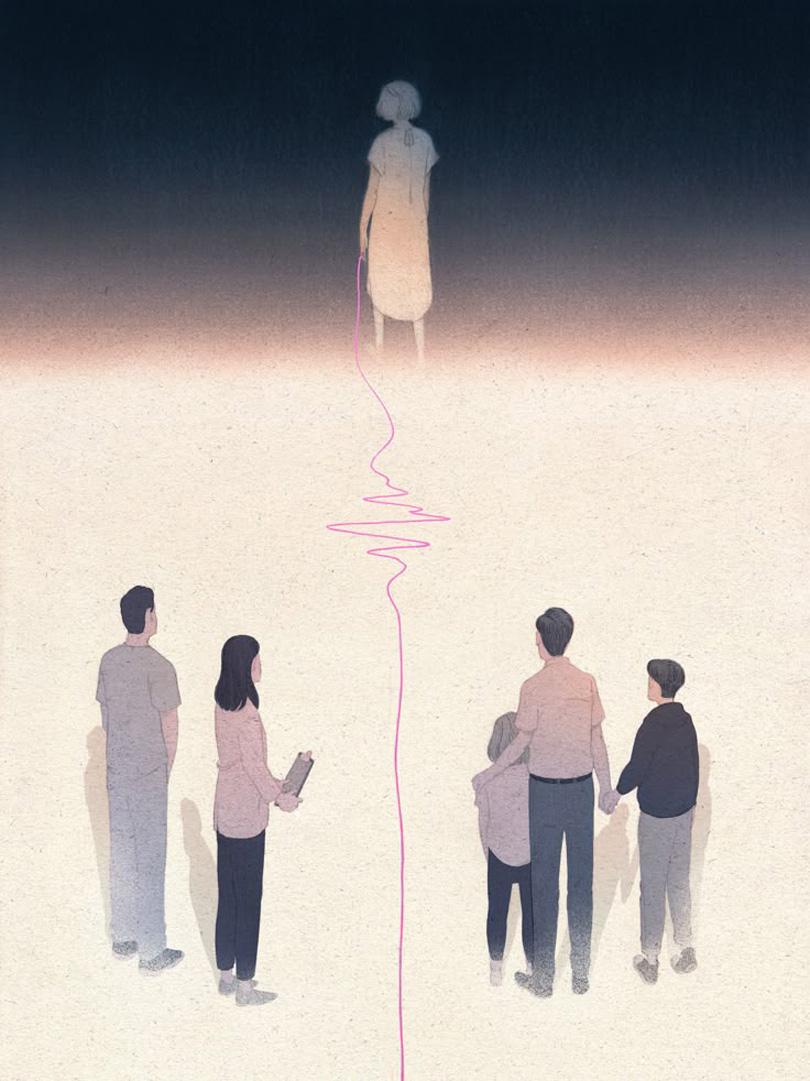
In a moment of deep despair, Noelia attempted to take her own life by jumping from a building. Although she survived the fall, the consequences were life altering. She was left paralyzed from the waist down, facing not only severe physical limitations but also chronic pain. The aftermath of the incident marked the beginning of a new and relentless struggle, one that combined physical suffering with worsening mental health. From that point onward, her life became defined by endurance. Daily existence involved managing pain, adapting to disability, and confronting the emotional weight of her experiences. According to reports, her mental health continued to decline, shaped by trauma, isolation, and the challenges of living with a permanent disability. What followed was not simply a recovery process, but an ongoing internal battle that tested her resilience at every turn.
Two years after the incident, in 2024, Noelia made a formal application for euthanasia under Spain’s assisted dying law. This legislation, which came into effect in March 2021, allows adults with serious and incurable conditions that cause unbearable suffering to request assistance in ending their lives, provided they are capable of giving informed consent. Her case was reviewed by a special medical commission, which ultimately approved her request unanimously in July 2024. The approval marked a significant moment, but it did not bring immediate resolution. Instead, it triggered a new phase of conflict, this time within the legal system and her own family. Just weeks before the procedure was scheduled to take place in August 2024, her father filed a legal challenge to stop it. His opposition was rooted in concern for her mental state. Supported by a conservative legal group, he argued that her diagnosed personality disorder impaired her ability to make such a critical decision. He maintained that the state had a responsibility to protect vulnerable individuals, particularly those dealing with mental health conditions.
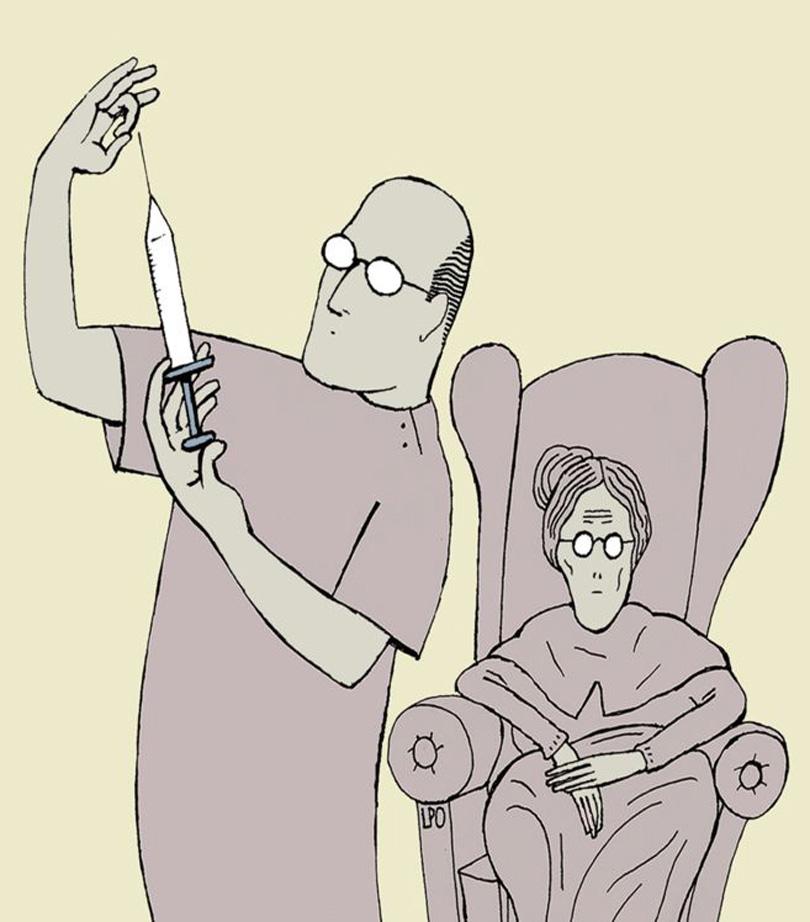
This intervention halted the process and set the stage for a prolonged legal battle that would last for 18 months. The case quickly grew beyond a private family dispute and became a focal point for broader societal questions. It raised complex issues about personal autonomy, the role of mental health in decision making, and the extent to which the state should intervene in matters of life and death. Throughout this period, Noelia remained consistent in her stance. In interviews and statements, she spoke about the depth of her suffering and the sense of isolation she felt. She described years marked by pain and emotional distress and expressed a desire for peace. For her, the decision to pursue euthanasia was not impulsive but the result of prolonged reflection and lived experience.
Her story cannot be reduced to a single issue. It is not only about euthanasia, nor solely about disability or mental health. It is about the intersection of trauma, survival, and the limits of what a person can endure. It highlights the reality that some struggles are invisible to the outside world, even when they shape every aspect of a person’s life. As her case progressed through the courts, it drew increasing attention. Advocates on different sides of the debate weighed in, each interpreting her situation through their own ethical frameworks. For some, her decision represented an assertion of personal autonomy and the right to choose how one’s life ends. For others, it raised concerns about whether society had done enough to support her, and whether her suffering could have been alleviated through other means.
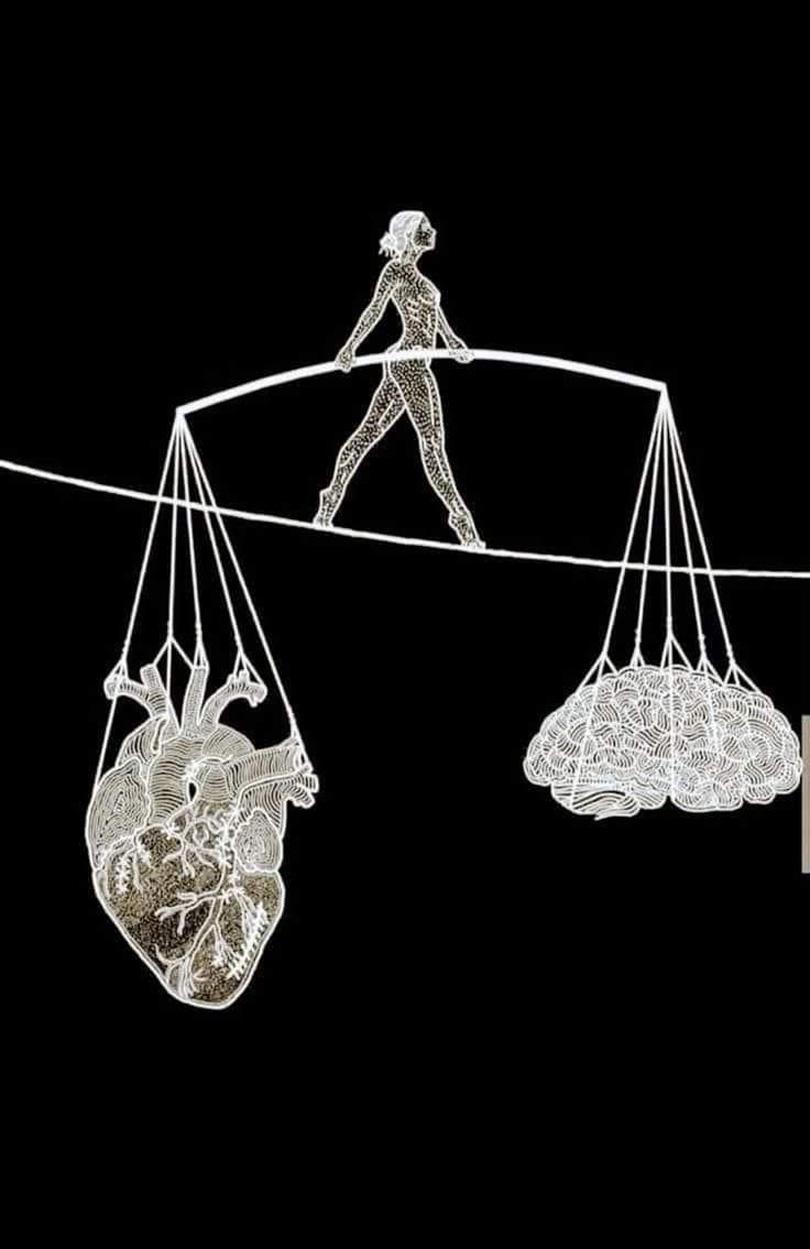
The legal proceedings eventually reached the European Court of Human Rights, underscoring the significance of the case. After months of deliberation, the final ruling upheld her right to proceed with euthanasia. This decision affirmed the legal framework established by Spain’s euthanasia law and reinforced the principle that individuals have the right to make decisions about their own bodies and lives, even in the face of opposition. On Thursday, March 27, 2026, Noelia Castillo Ramos died by euthanasia. Her death marked the end of a long and difficult journey, one shaped by trauma, legal challenges, and deeply personal reflection. While the ruling in her favour resolved the legal aspect of her case, it did not bring closure to the broader questions it had raised.
In many ways, her story shifts the focus away from the external conflicts that dominate global headlines and directs attention inward. It asks difficult questions that do not have simple answers. What defines a life worth living? Who has the authority to decide when suffering becomes unbearable? How should society balance the duty to protect life with respect for individual autonomy? Spain’s euthanasia law was introduced with the intention of providing dignity to those facing extreme suffering. However, cases like Noelia’s reveal the complexity of applying that principle in practice. When mental health, trauma, and family dynamics intersect, the boundaries become less clear. Each case carries its own nuances, making it difficult to establish universal answers.
For some observers, Noelia’s decision is seen as an act of courage, a way of reclaiming control in circumstances where control had been taken from her. It is viewed as a deliberate and considered choice made in response to years of suffering. For others, it raises concerns about whether sufficient support systems were in place, and whether more could have been done to help her find a path toward recovery.
What remains undeniable is the impact of her story. It has prompted conversations that extend beyond legal frameworks and into the realm of human experience. It has challenged assumptions about resilience, suffering, and the meaning of dignity. It has also highlighted the importance of listening to individual voices, even when their choices are difficult to understand. In a world filled with constant noise, Noelia’s voice stood out not because it was loud, but because it was deeply personal and honest. She spoke about her pain without embellishment, and about her decision with clarity. Her story serves as a reminder that some of the most significant battles are not visible to the outside world.
As global attention continues to focus on large scale conflicts and crises, her journey offers a different perspective. It reminds us that alongside these events, there are countless individual struggles unfolding quietly, each carrying its own weight and complexity. Noelia Castillo Ramos’s story does not offer easy conclusions. Instead, it leaves behind a set of questions that society must continue to grapple with. It invites reflection on how we define compassion, how we support those in pain, and how we respect the choices of others even when they challenge our own beliefs.
In the end, her story is about a young woman who faced circumstances that many cannot fully comprehend, and who made a decision she believed was hers to make. It is a story that does not end with victory or defeat in the traditional sense, but with a choice. And in that choice lies a powerful and lasting impact, one that continues to shape conversations about life, suffering, and the right to decide one’s own path.