Stanzas, alive and breathing
 By: Marian de Silva
“We don’t read and write poetry because it’s cute. We read and write poetry because we are members of the human race. And the human race is filled with passion. And medicine, law, business, engineering, these are noble pursuits and necessary to sustain life. But poetry, beauty, romance, love, these are what we stay alive for.”
Dead Poets Society
The same way you would appreciate the beauty of art, your heart and mind will yearn to read lines that are carefully crafted and curated, aligned with human feelings and expressions. This 21st of March, the world celebrates a day of words that speak beyond the horizon. They say everything happens for a reason, and I began writing poems on a random day of hollowness mixed with anger when I was 16. Now, I truly cannot remember the exact reason. However, since then, I have found in writing a form of escapism, one that deepened even more after studying English Literature at Advanced Level.
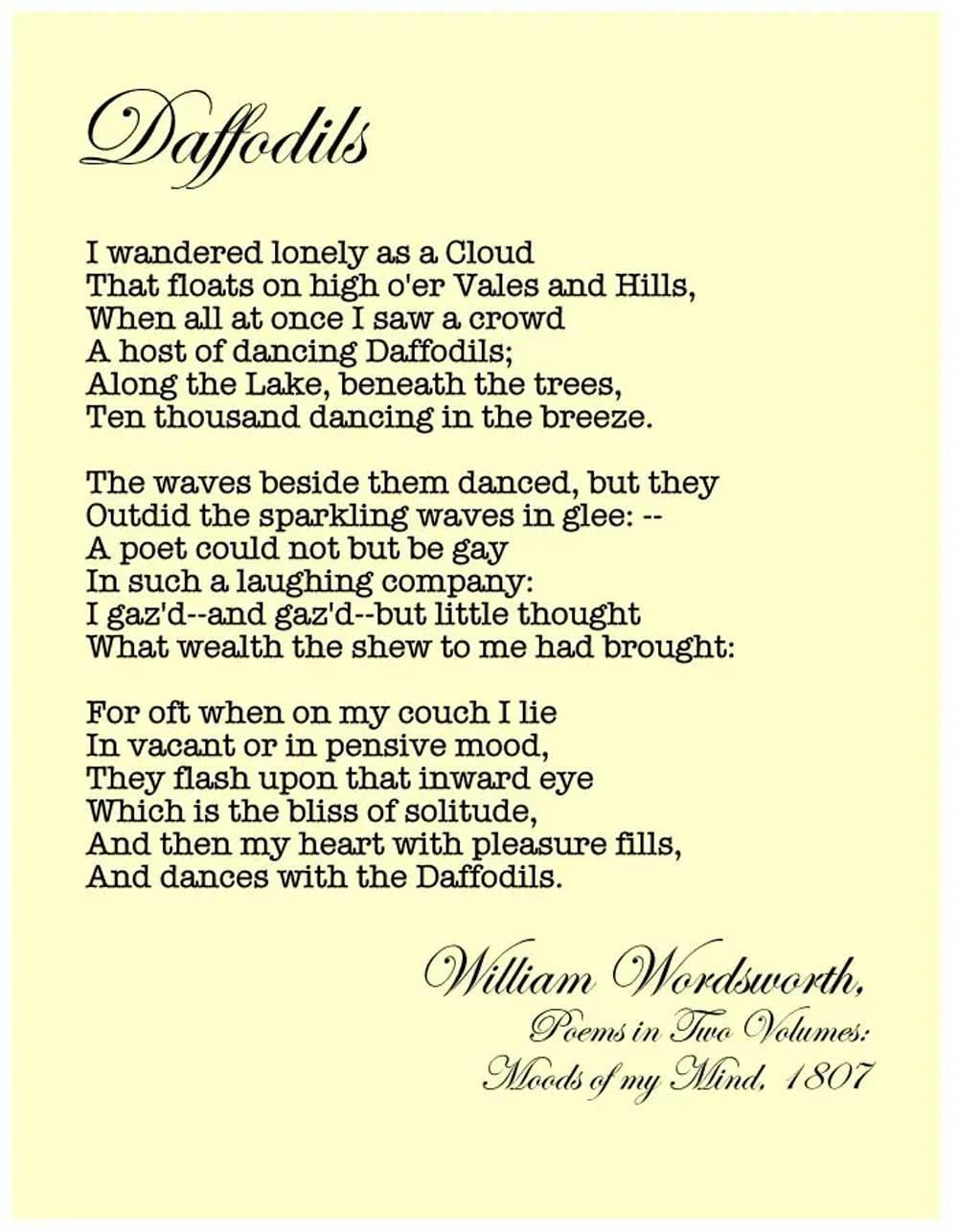
If you asked who my favourite poets are, I would name many muses: William Blake, Maya Angelou, Sylvia Plath, Walt Whitman, and William Wordsworth, to mention a few. From classical to contemporary, I am drawn to eras of lines and stanzas that breathe effortlessly and timelessly. Poetry is an emotion, often intertwined with politics. And when I use the word “politics” here, some of you, my readers, might assume I am referring only to governments, politicians, or political parties.
 But poetry has never been that narrow, and neither has politics. Politics lives in the way a woman is told to lower her voice, in the way a child learns silence before language, in the way grief is carried quietly through generations. It exists in the hunger that is not spoken about, in wars that are debated but never felt by those debating them, and in the small, everyday negotiations of dignity. Poetry, then, becomes the language that dares to feel what is often dismissed as “too much.”
The 21st of March marks World Poetry Day, recognised by UNESCO in 1999 to celebrate the power of poetic expression and to honour poets across the world. But if I am being honest with you, poetry does not belong to a date. It does not wait for a calendar to be acknowledged. Poetry exists in the pause before a confession, in the trembling hands of someone writing a letter they may never send, in the unspoken ache that sits between two people who once knew each other too well.
I personally believe poetry is one of the most honest forms of human expression. It does not try to impress you with perfection; instead, it sits with you in your imperfections. Unlike prose, which often seeks structure and clarity, poetry embraces chaos, contradiction, and ambiguity. It allows you to feel without the burden of explaining why.
There is something deeply intimate about reading a poem. You are not just reading words; rather than using the idiom “putting yourself in someone’s shoes,” I would replace that with stepping into someone else’s mind, their memories, their wounds, and their healing. When Sylvia Plath writes about despair, you feel it in your bones. When William Blake points out religious and societal hypocrisy and exploitation, you feel awakened, empowered enough to raise your voice against injustice. When Maya Angelou rises, you rise with her.
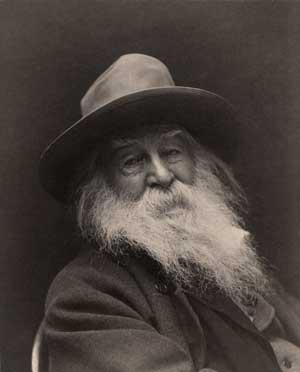
 When Walt Whitman celebrates the self, you begin to question your own existence with a strange kind of comfort. And yet, poetry is often misunderstood. In classrooms, it is reduced to annotations, metaphors boxed into neat explanations, emotions translated into marks on a paper. We are taught to analyse poetry before we are taught to feel it, to listen to it breathe. We are asked what the poet meant, rather than what the poem means to us. Somewhere in that process, poetry becomes distant, almost intimidating, when in reality, it is one of the most accessible forms of art.
You do not need to understand every metaphor to appreciate a poem. You do not need to decode every symbol to feel its impact. Sometimes, a single line is enough to stay with you for years, quietly shaping the way you see the world. For me, poetry became a refuge before it became a craft. It was never about writing something extraordinary; it was about surviving something ordinary, the kind of ordinary that weighs heavily on your chest, the kind that lingers even when everything appears fine on the surface. Writing gave me a space where I did not have to pretend, where I could be as raw and unfiltered as I needed to be.
And perhaps that is why poetry continues to matter, even in a world that is constantly moving, constantly scrolling, constantly forgetting. In an age of fleeting attention spans and digital noise, poetry asks you to slow down. It asks you to sit with a feeling a little longer, to notice the details you would otherwise ignore, to listen to the silence between words. Poetry also has the power to challenge, to disrupt, and to question. It has always been a voice of resistance, a tool for those who refuse to be silenced. From the revolutionary verses of the past to the spoken word performances of today, poetry continues to confront injustice, give voice to the marginalized, and demand change.
 But beyond its political and social significance, poetry is also deeply personal. It is the way you remember someone long after they are gone. It is the way you process love, loss, and everything in between. It is the way you make sense of a world that often feels overwhelming and uncertain. On this World Poetry Day, I do not ask you to become a poet. I do not ask you to analyse verses or memorise stanzas. I simply ask you to feel, to pick up a poem and let it sit with you, even if you do not fully understand it. To write a line or two, even if you think it is not good enough. Because poetry was never meant to be perfect. It was meant to be human.
And in a world that often demands perfection, perhaps choosing to be human is the most radical thing you can do.