Remembering the Sri Lankan Civil War and the Long Road to Healing
By: Nisindi Jayaratne
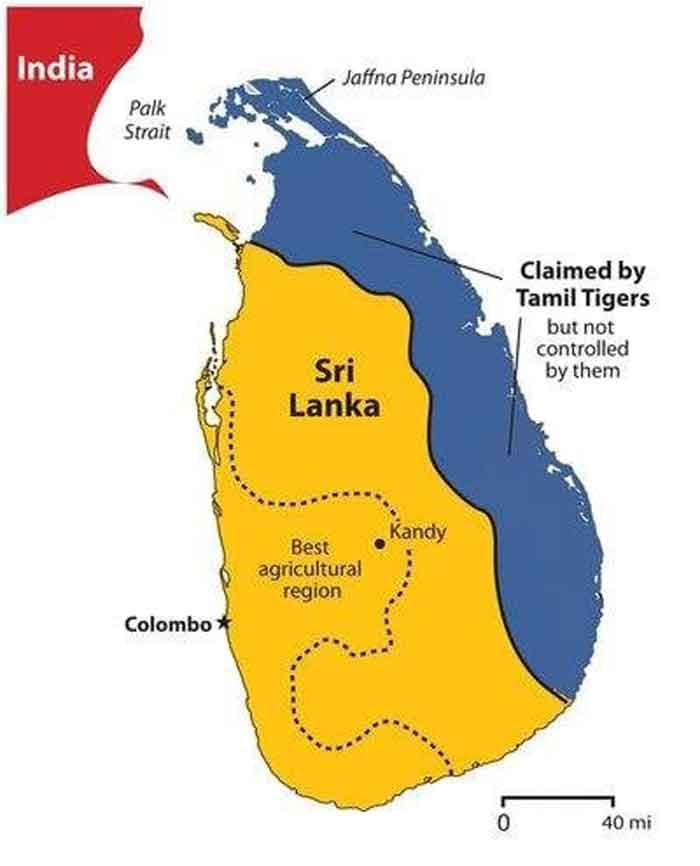
On May 18, 2009, Sri Lanka witnessed the end of one of the longest and bloodiest conflicts in South Asia. After nearly three decades of violence, the Sri Lankan Civil War officially came to an end as government forces defeated the Liberation Tigers of Tamil Eelam (LTTE), a militant separatist organization that had fought for an independent Tamil state in the north and east of the island. For many Sri Lankans, the day marked relief, victory, and the promise of peace after years of fear and uncertainty. For others, however, it also symbolized unbearable grief, loss, unanswered questions, and memories that continue to haunt families even seventeen years later. The 17th anniversary of the end of the Sri Lankan Civil War is not merely a date in history. It is a moment of reflection for an entire nation still attempting to understand its painful past while trying to build a future rooted in reconciliation, equality, and unity. Seventeen years later, Sri Lanka continues to grapple with the consequences of war politically, economically, socially, and emotionally.
The Roots
The Sri Lankan Civil War, which lasted from 1983 to 2009, was rooted in decades of ethnic tensions between the Sinhalese majority and the Tamil minority. Post-independence policies and political decisions deepened divisions between communities, with many Tamils feeling marginalized in education, employment, language rights, and political representation. The Sinhala Only Act of 1956 became a major symbol of this discrimination. Over time, frustration among Tamil youth intensified, leading to the rise of militant groups. The LTTE, led by Velupillai Prabhakaran, became the most dominant organization, demanding a separate Tamil homeland called Tamil Eelam and using armed struggle and suicide bombings to pursue its objectives. The conflict officially escalated in July 1983 following the anti-Tamil riots known as Black July, during which thousands of Tamils were killed, displaced, and targeted across the country after the killing of thirteen Sri Lankan soldiers by the LTTE. Black July became a turning point in Sri Lankan history, pushing the country into full-scale civil war.
Living Through Fear and Violence
Over the next twenty-six years, Sri Lanka became a nation shaped by violence. Bomb explosions, assassinations, disappearances, and fear became part of everyday life. The war claimed tens of thousands of lives, displaced entire communities, and left generations traumatized. The conflict affected every corner of Sri Lankan society. In the north and east, civilians faced displacement and shelling, while in the south, suicide attacks targeted public spaces, buses, temples, and economic centers, spreading fear across the country. The greatest tragedy of the war was the suffering of ordinary civilians. Families lost loved ones, thousands disappeared, and entire generations were psychologically scarred by grief and trauma.
The Final Phase of the War
The final phase of the war in 2009 remains one of the most controversial and painful chapters in Sri Lanka’s history. As the Sri Lankan military intensified its offensive against the LTTE in the north, hundreds of thousands of civilians became trapped in shrinking conflict zones. International organizations, human rights groups, and foreign governments later raised serious concerns regarding civilian casualties, alleged war crimes, enforced disappearances, and violations of international humanitarian law committed during the closing stages of the conflict. For many Sinhalese Sri Lankans, the military victory represented the defeat of terrorism and the restoration of national unity. The end of the war brought relief from fear, revived tourism, and created hopes for a peaceful future. Yet for many Tamils, particularly in the north and east, the end of the war was also a period of mourning. Thousands lost loved ones, homes, and livelihoods, while many families still search for relatives who disappeared during or after the conflict.
Different Memories, Different Narratives
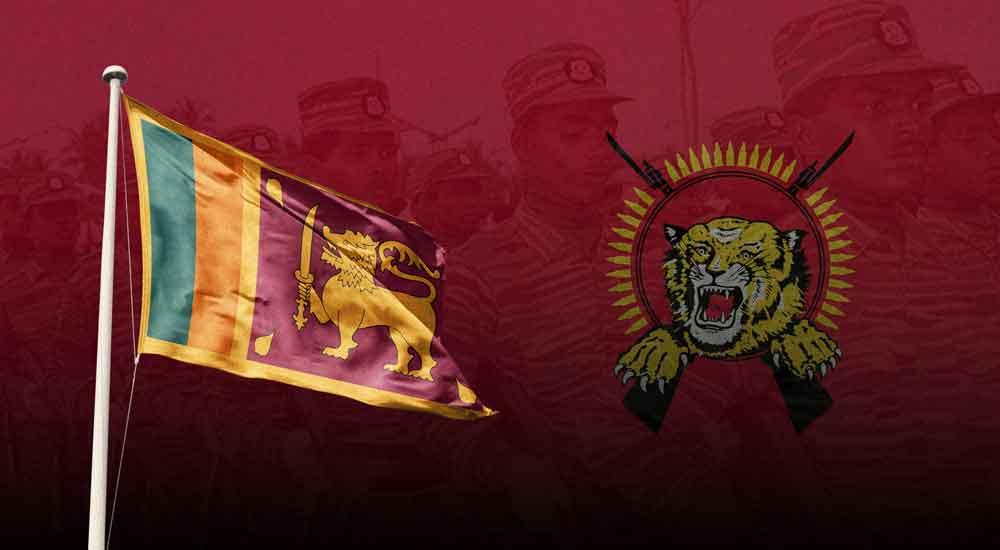
Seventeen years later, the memory of the war continues to divide public discourse in Sri Lanka. Different communities remember the conflict in different ways. For some, May 18 is a day of victory and patriotism. For others, it is a day of remembrance and mourning. These contrasting narratives reveal the complexity of post-war reconciliation.
Accountability and the Search for Justice
One of the greatest challenges Sri Lanka has faced since 2009 is the question of accountability and justice. International organizations such as the United Nations Human Rights Council have repeatedly called for investigations into alleged wartime abuses committed by both the Sri Lankan military and the LTTE. Survivors and families of victims continue to demand truth, justice, and answers regarding disappearances and civilian deaths. However, accountability remains deeply politicized within Sri Lanka. While some argue that investigating wartime abuses is necessary for genuine reconciliation, others believe such efforts undermine the sacrifices made by the armed forces to end terrorism. This tension has created a difficult and emotionally charged national conversation.
Rebuilding a Post-War Nation
Despite these challenges, post-war Sri Lanka has seen major rebuilding efforts. Roads, schools, hospitals, and railways in the north and east have been redeveloped, and many displaced families have returned home, though land and livelihood issues remain unresolved for some. Education and youth engagement have also shaped post-war Sri Lanka. Many young Sri Lankans are increasingly promoting coexistence and dialogue across ethnic and religious lines. At the same time, the legacy of war still influences politics and social attitudes. Ethnic distrust has not disappeared entirely. Political rhetoric often continues to exploit divisions between communities. Questions surrounding devolution of power, minority rights, militarization, land ownership, and memorialization remain unresolved.
National Instability
The economic consequences of the war also continue to shape Sri Lanka’s present. Decades of military expenditure, instability, and destruction weakened the country’s long-term development. Although the post-war years initially saw economic growth, Sri Lanka later faced severe financial and political crises, including the devastating economic collapse of 2022. Many analysts argue that unresolved structural inequalities, corruption, and centralized governance where some of which were intensified during wartime contributed to the country’s broader instability.
The Emotional and Psychological Scars of War
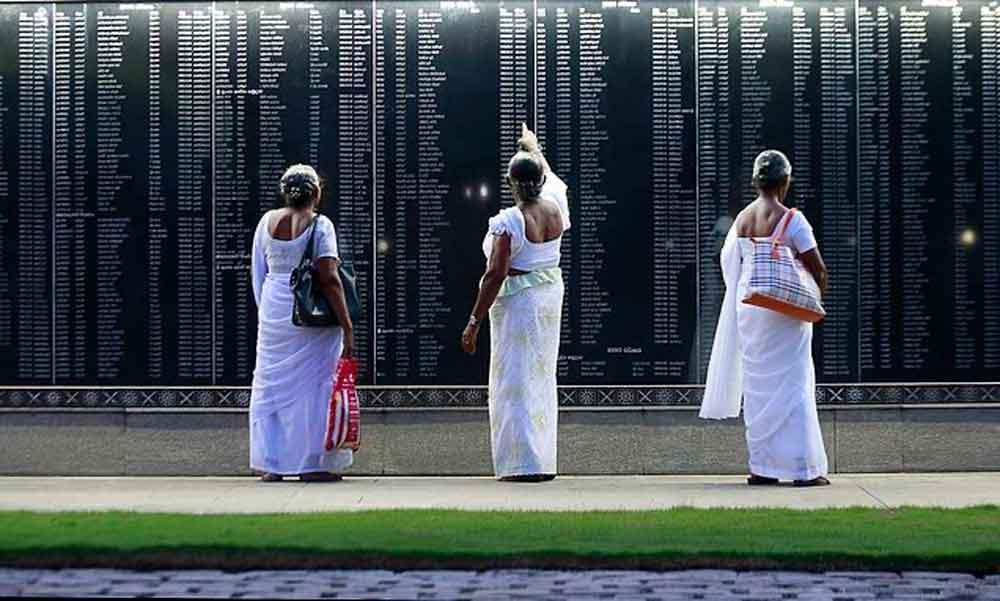
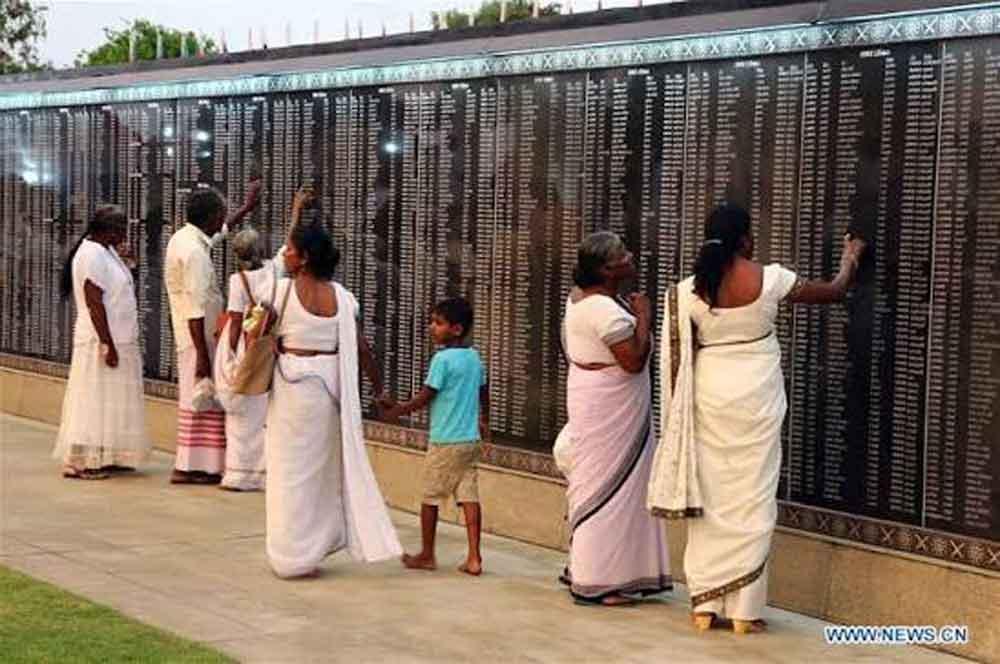
Beyond politics and economics, the emotional wounds of war remain perhaps the hardest to heal. For many Sri Lankan families, the war is not distant history. It lives in photographs hanging on living room walls, in missing names that are never spoken aloud, and in memories that return unexpectedly. Survivors carry invisible scars of trauma, displacement, and fear. Former soldiers continue to cope with psychological wounds. Mothers still search for missing children. Families continue to attend memorials hoping for recognition and closure. Mental health has become an important aspect of post-war recovery. Healing requires more than physical reconstruction; it also demands emotional support, acknowledgment of suffering, and opportunities for dialogue.
The Role of Art, Literature, and Media
Art, literature, cinema, and journalism have become powerful tools in preserving the memory of the conflict and encouraging national reflection. Sri Lankan writers, filmmakers, and photographers have documented stories of survival, loss, and resilience from all communities. These creative expressions help younger generations understand the human realities behind political narratives. The media has also played an important role in shaping post-war conversations. During the war, journalism in Sri Lanka was often dangerous, with reporters facing censorship, intimidation, and violence. Seventeen years later, discussions about media freedom, historical memory, and responsible storytelling remain highly significant.
Reconciliation and the Future of Sri Lanka
Importantly, the 17th anniversary is not only about remembering the past; it is also about examining what kind of future Sri Lanka wishes to create. True reconciliation requires more than silence after war. It requires trust, equality, accountability, and empathy. It demands that all communities feel seen, heard, and protected within the nation. Sustainable peace cannot exist if grievances remain ignored or if certain communities continue to feel excluded. Many peace advocates argue that reconciliation must begin with honest conversations. A nation cannot fully heal by erasing painful memories or avoiding difficult truths. Instead, acknowledging suffering on all sides may create opportunities for compassion and understanding. Religious leaders, activists, educators, and community organizations have increasingly promoted interfaith dialogue and grassroots peacebuilding to bridge divides between communities.
The Responsibility of the Younger Generation
Sri Lanka’s younger generation now carries a unique responsibility. Unlike previous generations shaped directly by war, today’s youth have the opportunity to imagine a country beyond ethnic hatred and conflict. Many young people are increasingly advocating for inclusivity, human rights, and social justice. Social media platforms and digital activism have also allowed diverse voices to participate in national conversations about memory and reconciliation. At the same time, there is concern that younger generations may gradually lose awareness of the realities of war. As memories fade, there is a risk of oversimplifying history or allowing political narratives to dominate without critical reflection. Therefore, education about the conflict taught honestly and sensitively remains essential. Remembering the war should not mean glorifying violence. Instead, it should serve as a reminder of the devastating consequences of hatred, intolerance, and political failure. The lessons of the past must encourage future generations to protect democracy, human dignity, and peaceful coexistence.
Lessons from a Painful History
The Sri Lankan Civil War was never a simple story of heroes and villains. It was a deeply complex tragedy involving historical grievances, political mistakes, militant extremism, nationalism, and immense civilian suffering. Understanding this complexity is essential if Sri Lanka hopes to move toward lasting reconciliation.
Seventeen Years Later: A Nation Still Healing
On this 17th anniversary, Sri Lanka stands at a crossroads between memory and future. The war may have ended militarily in 2009, but the process of healing continues. Peace is not merely the absence of gunfire; it is the presence of justice, equality, trust, and humanity. Across the island, memorials, religious ceremonies, and quiet moments of reflection continue to honor those who lost their lives. Some mourn soldiers who sacrificed themselves believing they were protecting the nation. Others mourn civilians and loved ones whose lives were cut short by violence. Both grief and memory deserve dignity. As Sri Lanka reflects on seventeen years since the end of the conflict, perhaps the most important question is not only how the war ended, but what lessons the nation has learned from it. Can Sri Lanka build a future where diversity is embraced rather than feared? Can political leaders move beyond ethnic polarization? Can communities truly reconcile while painful questions remain unanswered? Can younger generations transform inherited trauma into empathy and unity? These are difficult questions, but they are necessary ones. The story of Sri Lanka after the civil war is ultimately a story still being written. It is a story of survival and sorrow, resilience and division, hope and unfinished healing. Seventeen years later, the echoes of war remain, but so too does the possibility of peace. For a nation that endured nearly three decades of bloodshed, the anniversary should not only commemorate the end of conflict but also renew the commitment to ensuring that such violence never returns again. Because the true victory of peace is not measured by military triumph alone. It is measured by whether future generations can inherit a country where every community feels safe, equal, respected, and free. Only then can Sri Lanka truly say that the war has ended.