Fireflies: hope, illumination and innocence
 Marian de Silva
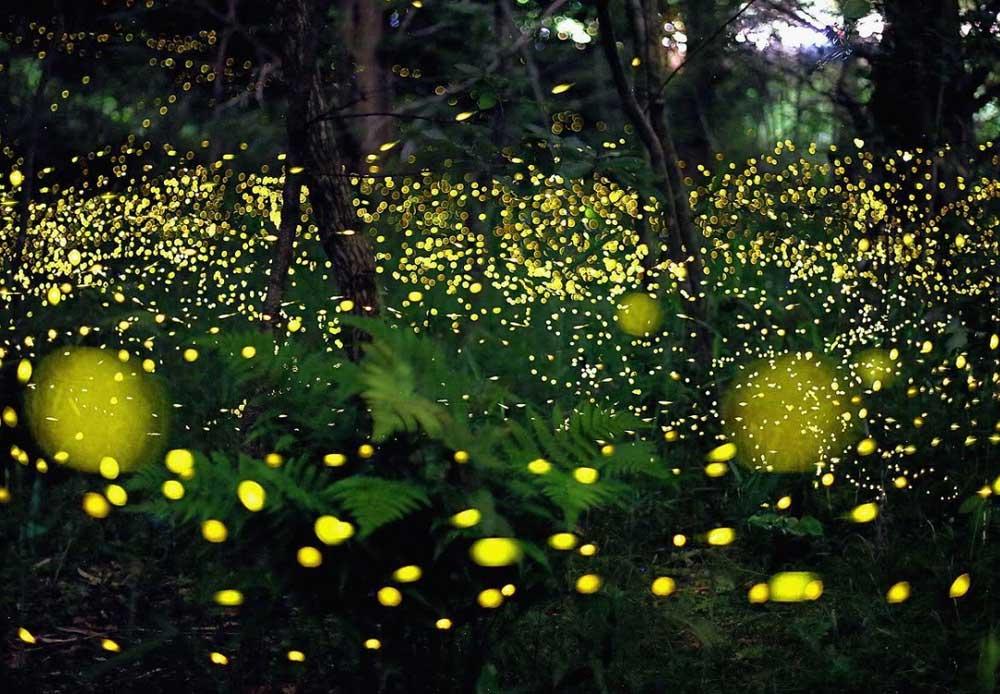
A few years back, when I was very young and even before the pandemic and everything, if there was a sudden power cut during the night, my father and I had the practice of taking two chairs outside and sitting down in the veranda listening to the nature as the man-made world had gone silent for a while. There, I had the keenest privilege of seeing what I call "the floating fluorescent minerals" which unfortunately has gone missing today. Well, I've heard that my generation, Gen-Z was the last to see this absolute gem of the earth with our own eyes. Take a guess, dear reader. Yes, without a doubt, that is the firefly.
Well, today, calling these insects rare is also truly disappointing. Whenever I saw Fireflies as a kid in our garden, I used to be the greatest wonderer, questioner. How is he glowing like that? Is that an LED light on his back? I can remember the nights when fireflies used to come inside to our home through the indoor atrium we had. They really were the light of the night. But now, earth has lost its colours and the light of the darkness.
As I researched thoroughly about the existence and the gradually disappearance of this wonderful animal, I found the answer to one of the biggest questions I had, “How do they emit light!?” Buckle up dear reader, we are going to explore the amazing science behind this wonderful and delightful insect.
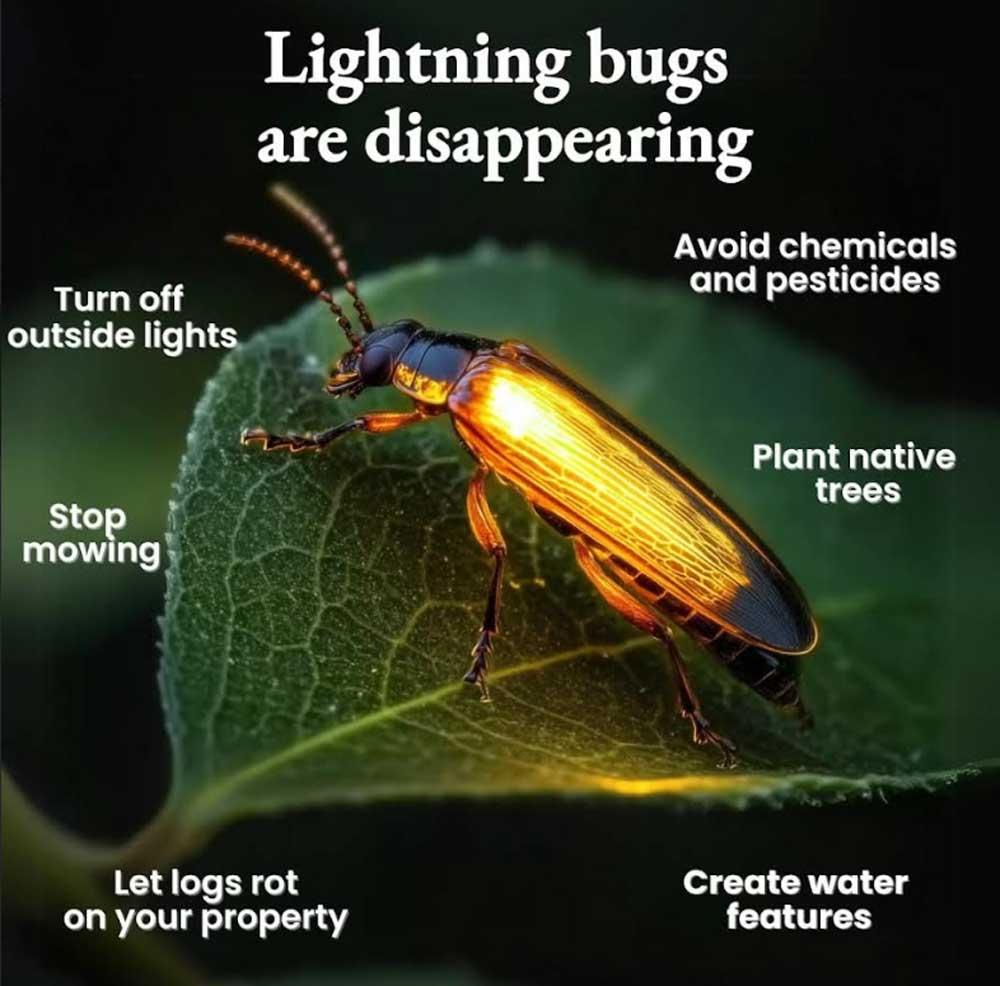
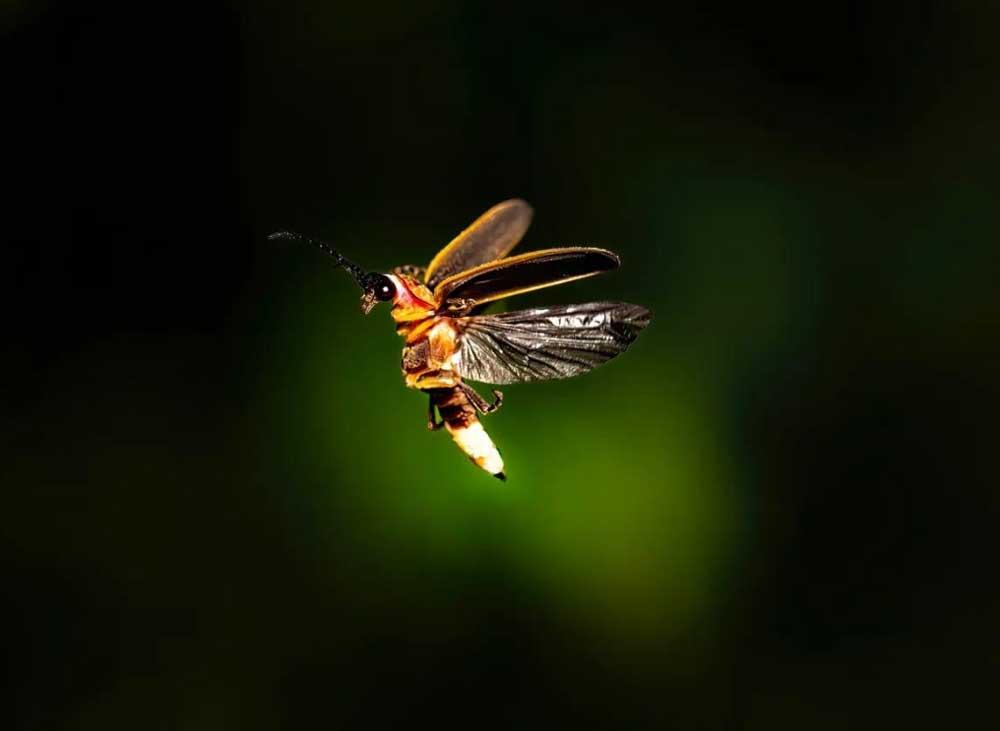
The firefly traditionally acclaimed as "Lightning bugs" is one of the nature's best faces. Even though they are often misunderstood as flies, they are not. These charming insects are called Lampyridae that has been classified under the family of elateroid beetles with more than 2000 described species. Fireflies are known to be significant in biomedical, cultural, biological and economical aspects.
Due to their ability to produce light, they can be also described as masters of bioluminescence, especially with their efficiency in producing light with 100% of their energy compared to a light bulb that wastes 90% of energy.
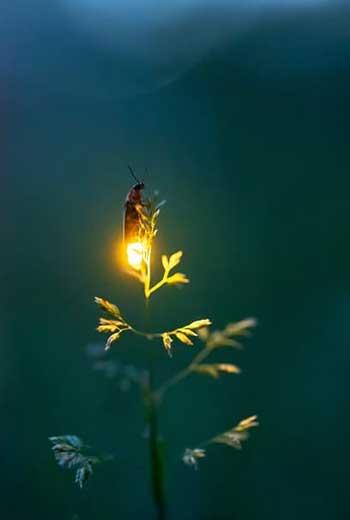
The light that follows him is just as beautiful as his existence. The animal might be small with average life span of 61 days. However, the short life or the small body size doesn’t make him any different from the capabilities he possesses. The chemical reactions inside their tiny abdomen do the magic. The aforementioned term bioluminescence simply describes the procedure of the chemical reaction that happens inside the body of a firefly. When the oxygen reaches firefly’s abdominal light organ, it reacts with calcium, adenosine triphosphate (ATP), and the chemical luciferin, catalysed by the enzyme luciferase to emit the glow.
But what fascinates me the most is not just the science behind the glow, but the purpose of it. That tiny flicker of light, so delicate yet so deliberate, is actually a language. Yes, a silent conversation happening in the dark. Fireflies use their light to communicate, mostly to attract mates. Each species has its own unique pattern of flashing, almost like a coded message sent into the night sky, waiting for the right one to answer. Imagine that, love letters written in light, drifting through the darkness.
There is something deeply poetic about that, isn’t there? In a world that constantly demands noise, speed, and chaos, these tiny creatures rely on silence and patience. They wait, they glow, and they hope to be seen. And somehow, that feels very human.
However, just like many beautiful things in this world, the existence of fireflies is now under threat. The same nights that once belonged to them are now flooded with artificial lights. Streetlamps, neon signs, headlights, and the endless glow of cities have disrupted their natural communication. When the night is no longer dark, their signals are lost. Their love letters remain unread.
Light pollution is considered one of the primary reasons for the decline of firefly populations across the world. Alongside this, habitat loss plays a major role. Fireflies thrive in moist environments such as wetlands, marshes, and gardens with rich soil. But with rapid urbanisation, deforestation, and the conversion of natural lands into concrete jungles, these habitats are disappearing at an alarming rate.
And then comes the silent killer, pesticides. Chemicals used to protect crops and plants often end up harming non-target species, including fireflies. Their larvae, which live in soil and feed on small insects and snails, are especially vulnerable. When the soil is poisoned, their life cycle is interrupted before it even begins.
It is quite heart-breaking when you think about it. Something so magical, something that once defined the beauty of our nights, is slowly fading away, not because it was meant to, but because we failed to protect it.
I sometimes wonder when exactly we stopped noticing them. Was it when we got too busy scrolling through artificial lights on our screens? Was it when we replaced the silence of nature with the constant hum of technology? Or was it when we simply stopped looking up, or rather, looking around?
Because the truth is, fireflies did not just disappear overnight. They faded, slowly and quietly, just like their light. And maybe that is why we did not realise their absence until it became too obvious to ignore.
In many cultures, fireflies are seen as symbols of hope, guidance, and even the presence of souls. In some parts of the world, they are believed to carry messages from the beyond. In literature and art, they often represent fleeting beauty and the innocence of childhood. And perhaps that is why losing them feels so personal. It is not just an ecological loss; it is an emotional one.
For me, fireflies are a reminder of a simpler time. A time when happiness was as simple as sitting on a veranda with my father, listening to the night, and watching tiny lights dance in the dark. They remind me that wonder does not come from complexity, but from attention. From slowing down enough to notice the small miracles that exist around us.
But all hope is not lost. The story of the firefly does not have to end in darkness. There are still ways we can help protect and revive their populations. Reducing light pollution by turning off unnecessary outdoor lights, using warm and dim lighting, and being mindful of how we illuminate our surroundings can make a significant difference.
Creating firefly-friendly habitats in our own gardens is another small yet powerful step. Leaving patches of wild grass, maintaining moist soil, avoiding the use of harmful pesticides, and planting native vegetation can provide them with the environment they need to survive.
Conservation efforts around the world are also working towards protecting these glowing insects. Scientists and environmentalists are studying their patterns, raising awareness, and encouraging communities to reconnect with nature. Because sometimes, saving something as small as a firefly can lead to protecting something as big as our ecosystem.
And maybe, just maybe, one day there will be a power cut again. The world will go silent for a brief moment. And a child will step outside with their parent, sit on a veranda, and witness the quiet magic of lights floating in the dark.
Perhaps they will ask the same question I once did, “How are they glowing like that?”
And perhaps, this time, we will have not only the answer, but also the assurance that they will continue to glow for generations to come.
Because in the end, fireflies are more than just insects. They are living proof that even the smallest light can break through the deepest darkness. And maybe that is exactly what this world needs, a little less noise, a little less brightness, and a little more glow.