Witches vs the fragile masculinity
Marian de Silva
Ever heard of Witches?
A witch is an unbeatable woman. They called her a witch long before she ever learned how to defend herself.
A witch for speaking too loudly.
A witch for refusing to kneel.
A witch for bleeding without shame.
A witch for knowing too much.
A witch for existing beyond the comfort of men.
History has always had a peculiar habit of turning women into monsters whenever they become impossible to control.
And maybe that is where my story begins.
Not on fire.
Not in darkness.
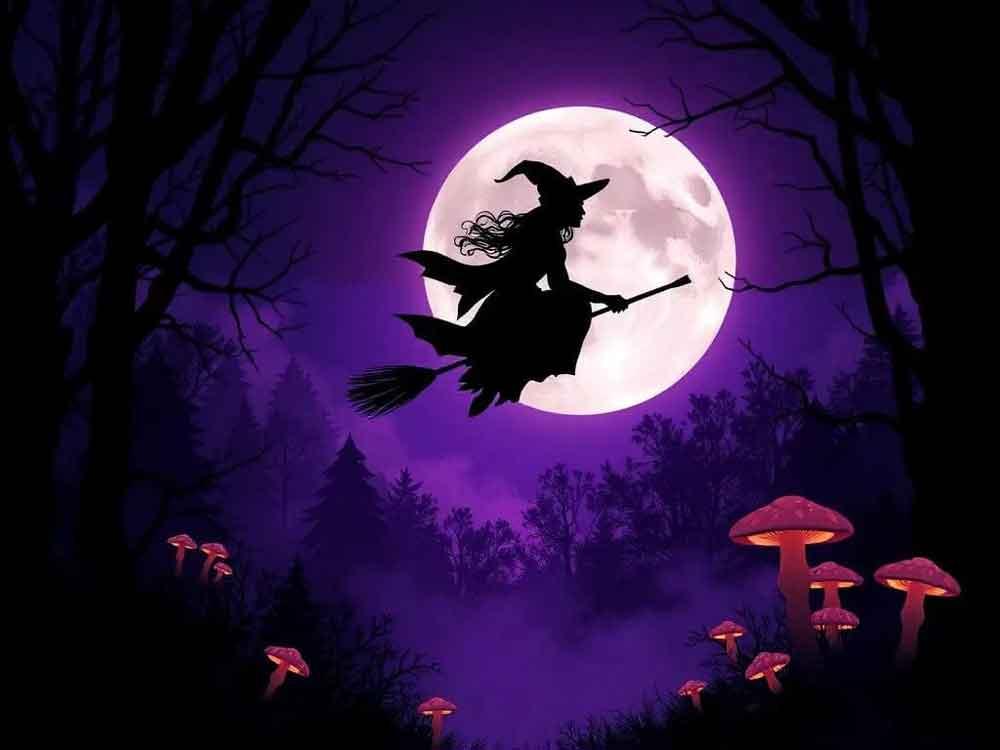
Not in some cursed forest beneath a blood moon.
But in the simple act of a woman deciding she belongs to herself.
The word "witch" was never innocent. It was never merely about spells or black cats or folklore whispered around campfires. It was a weapon sharpened carefully by patriarchal fear. Men built entire civilizations around controlling women's voices, bodies, rage, sexuality, intellect, and freedom. The moment a woman stepped outside the narrow line drawn for her, she became dangerous. And dangerous women needed names.
So they called them witches.
Women who understood herbs and medicine became witches. Women who rejected marriage became witches. Women who spoke openly about desire became witches. Women who challenged kings, priests, husbands, and systems became witches. Women who carried grief too loudly became witches. Women who were simply inconvenient became witches.
The label itself was punishment.
And the terrifying part is how successful they were.
For centuries, women were taught to fear becoming "too much." Too emotional. Too ambitious. Too sensual. Too opinionated. Too educated. Too independent. Too visible. Society conditioned women into shrinking themselves because history showed us exactly what happened to women who refused.
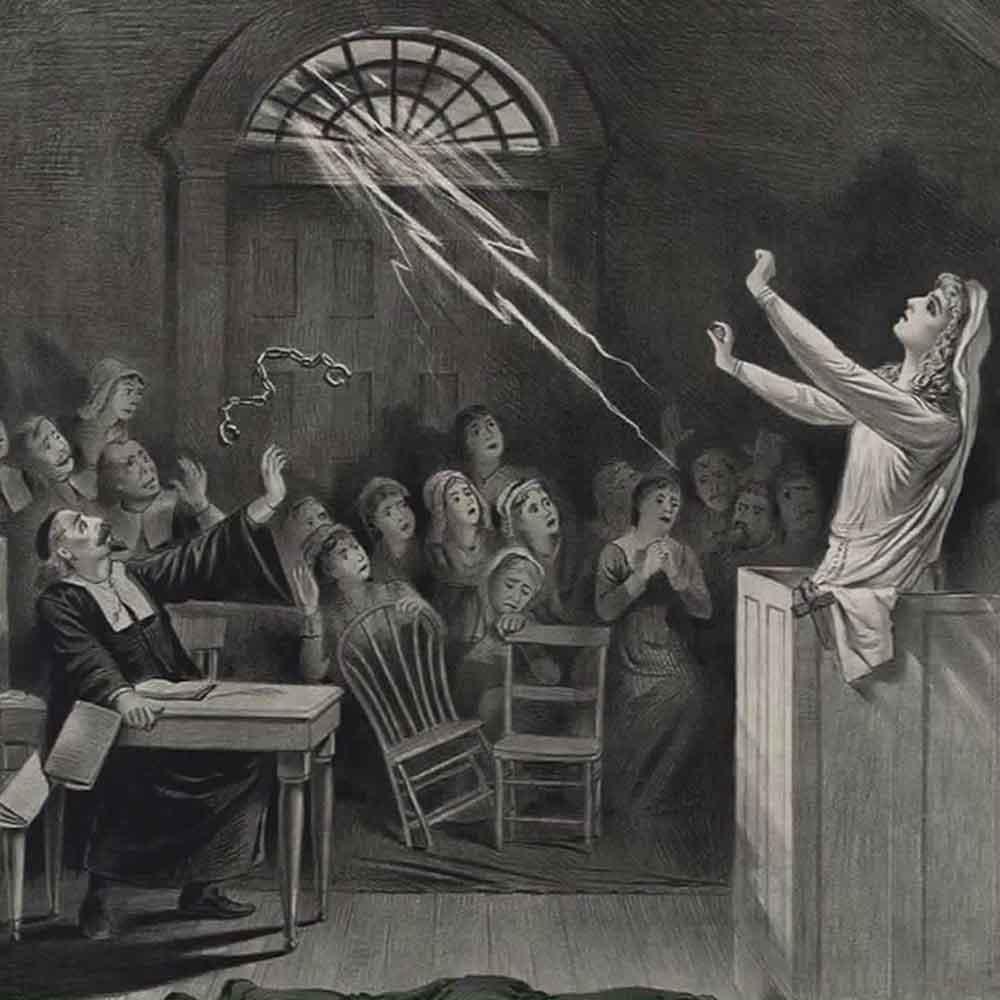
They were burned.
Not always literally. Sometimes socially. Emotionally. Spiritually.
People forget that witch hunts were never truly about religion. They were about power. About disciplining women through fear. About creating an example out of female rebellion. About teaching generations of girls that survival depended on obedience.
Even today, the smoke still lingers.
Modern society pretends it has evolved beyond that brutality, yet women are still demonized the moment they stop being digestible. A soft woman is adored until she develops boundaries. A beautiful woman is worshipped until she realizes her beauty does not exist for male consumption. An intelligent woman is celebrated until her intelligence threatens insecure men. A passionate woman is desired until her passion cannot be controlled.
Then suddenly she becomes difficult. Crazy. Manipulative. Evil.
A witch.
The language changed. The punishment did not.
And I think that is what hurts the most. Realizing how deeply the world fears women who cannot be owned.
I grew up noticing how society romanticizes silent suffering in women. We are taught that goodness lives in sacrifice. That femininity is measured by how much pain we can tolerate quietly. We are praised for being forgiving, accommodating, nurturing, gentle. But the moment we choose ourselves with conviction, people become uncomfortable.
A woman in pain is acceptable.
A woman in power terrifies people.
There is something profoundly political about a woman reclaiming herself. Especially after years of being taught that her body, voice, and identity exist as public property.
And maybe that is why the figure of the witch fascinates me so deeply.
Because the witch represents female autonomy.
She exists outside approval. Outside domestication. Outside male authorship.
She cannot be controlled because she no longer fears isolation.
That is exactly why patriarchal societies feared her.
People often imagine witches as ugly, monstrous creatures lurking in shadows, but historically many "witches" were simply women who possessed knowledge. Midwives. Healers. Widows. Women living alone. Women who inherited land. Women who refused to remarry. Women who understood nature better than the church understood women.
Men feared female knowledge because knowledge creates independence. And independent women are difficult to govern.
So they created stories.
Stories about seductive evil women. Stories about temptresses. Stories about dangerous femininity. Stories designed to make women distrust themselves. Distrust their instincts. Distrust their sexuality. Distrust other women.
Because divided women are easier to control.
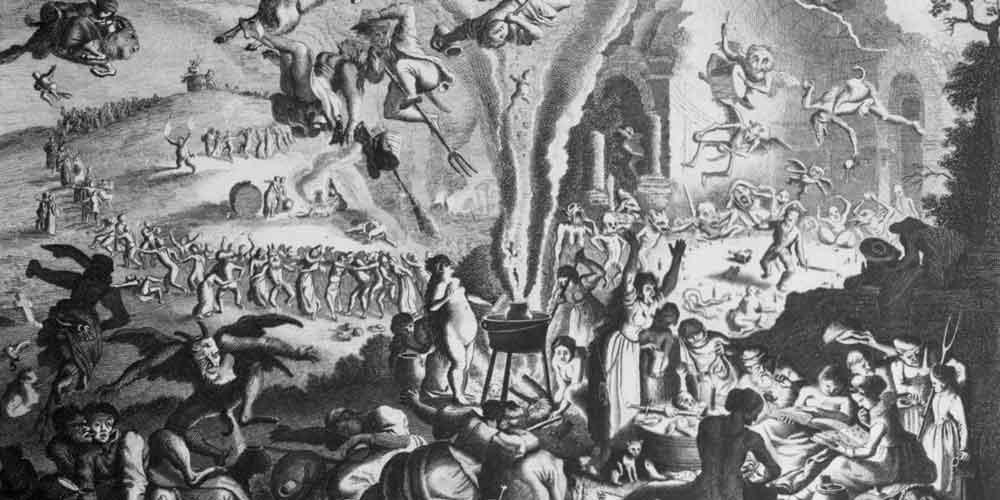
And the tragedy is how often women internalized these narratives. How often society teaches women to police each other on behalf of patriarchal expectations. Women are constantly forced into impossible binaries. Be desirable but not sexual. Be confident but not intimidating. Be smart but not threatening. Be independent but still make men feel needed.
The line is always moving because the point was never balance. The point was exhaustion.
An exhausted woman has no energy left to rebel.
But somewhere throughout history women kept surviving anyway.
They survived inquisitions. They survived forced silence. They survived marriages that felt like prisons. They survived laws that treated them as property. They survived centuries of being erased from literature, science, politics, religion, and art. They survived being taught to hate themselves.
And still they created. Still they loved it.
Still they wrote poetry.
Still they painted.
Still they danced barefoot beneath moons that religions tried to shame them for admiring.
There is something immortal about women. Something ancient. Something terrifyingly resilient. Maybe that is the real magic.
Not supernatural powers.
Not curses.
Not broomsticks.
But survival itself.
I think every woman carries remnants of the "witch" within her. The parts of herself the world tried to suppress. The anger she was taught to apologize for. The sensuality she was taught to hide. The intelligence she was told to soften. The ambition she was warned would make her undesirable.
Every woman knows what it feels like to monitor herself for safety.
To calculate the volume of her voice.
To rethink her outfit before leaving home.
To laugh politely when uncomfortable.
To swallow rage because rage in women is treated like a public emergency.
And honestly, there is something deeply sinister about how society romanticizes female silence while punishing female honesty.
Women are expected to endure everything beautifully.
Even heartbreak.
Especially heartbreak.
People love tragic women as long as they remain aesthetically wounded and non-threatening. But the second a woman transforms her suffering into power, people panic. Suddenly she is bitter. Dramatic. Angry. Unstable.
A witch again.
The pattern repeats endlessly.
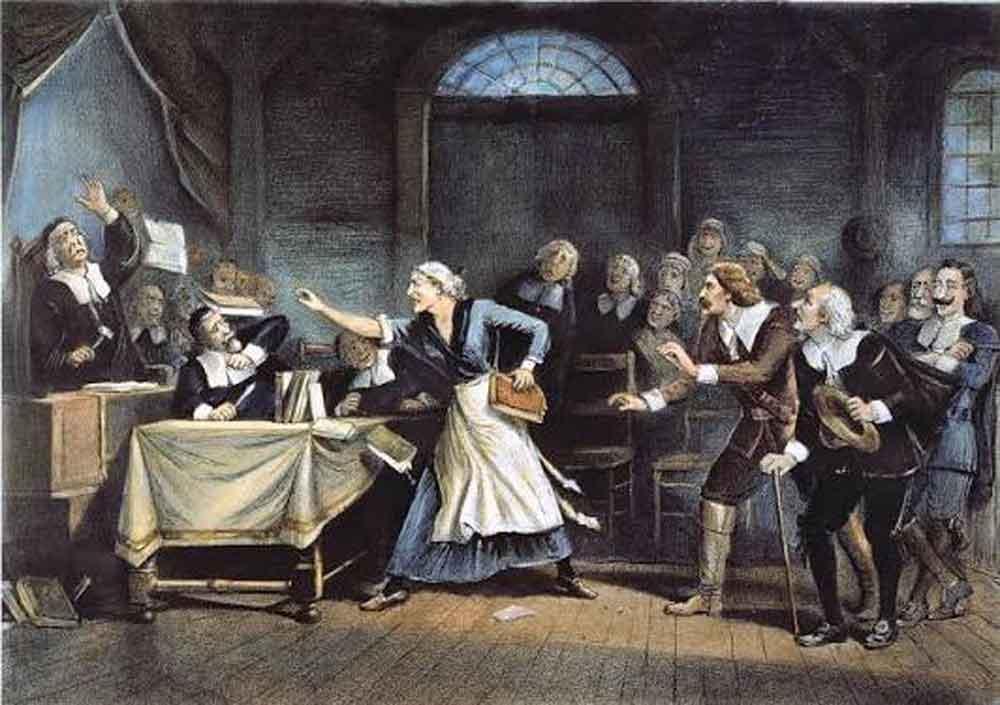
And maybe that is why I no longer fear the label.
Maybe women should stop fearing it too.
Because if history called powerful women witches, perhaps being a witch simply means refusing oppression.
Perhaps it means seeing clearly through systems built to suffocate you.
Perhaps it means choosing yourself in a world that profits from female self-destruction.
I think about all the women before me who were silenced for less than what modern women say online daily. Women who died without ever experiencing freedom. Women whose names disappeared entirely because history preferred obedient heroines over rebellious ones.
And I ache for them.
I ache for the women burned not because they practiced dark magic, but because men feared female influence more than male violence.
The irony is almost unbearable.
History has always treated male cruelty as human nature while portraying female resistance as monstrosity.
Men started wars, colonized nations, enslaved populations, exploited bodies, wrote laws denying women autonomy, yet women were branded dangerous for possessing intuition and independence.
The accusation was never logical.
It was strategic.
Even now, women who speak openly about misogyny are mocked as overdramatic. Women who refuse male validation are called arrogant. Women who discuss sexual violence are accused of ruining reputations. Women who prioritize careers are criticized for being unfeminine. Women who age naturally are discarded. Women who remain unmarried are pitied.
There is always punishment waiting for women who step outside prescribed femininity. And still women continue stepping outside it.
That is courage.
Not the sanitized kind sold in inspirational quotes. Real courage is choosing authenticity despite knowing society may punish you for it. Real courage is refusing to shrink after generations of conditioning designed to make women small.
I think modern feminism is not merely about equality. It is about reclamation.
Reclaiming language.
Reclaiming bodies.
Reclaiming rage.
Reclaiming pleasure.
Reclaiming history.
Because patriarchal history robbed women not only of freedom but also of narrative. Women were rarely allowed to tell their own stories. Men told stories about women instead. Stories that conveniently justified domination.
The witch narrative was one of the most effective.
Turn powerful women into monsters and suddenly their oppression becomes righteous.
But women are rewriting those stories now.
And that changes everything.
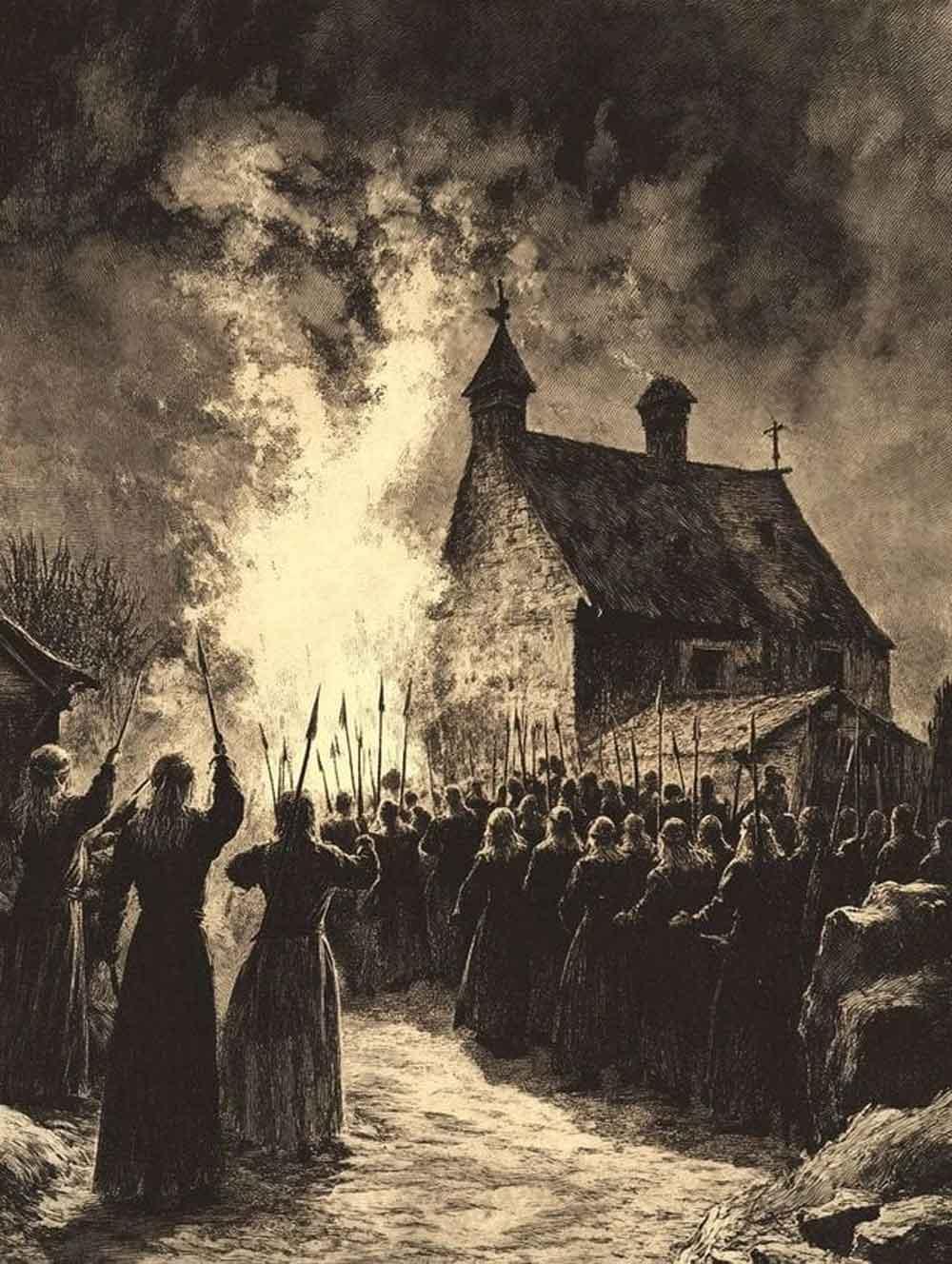
I see women embracing the "witch" archetype today not because they believe in fantasy stereotypes, but because the figure itself has transformed into a symbol of rebellion. A refusal to be controlled. A celebration of feminine intuition, intellect, creativity, sensuality, and autonomy. It is women saying:
You tried to make me fear myself.
It failed.
And honestly, there is something breathtaking about that.
There is something sacred about women finally understanding that they were never inherently evil for wanting freedom.
I want girls growing up today to know that there is nothing monstrous about ambition. Nothing shameful about boundaries. Nothing cruel about self-respect. Nothing dangerous about intelligence. Nothing sinful about female desire.
You do not owe the world softness at the expense of your survival.
And if defending yourself makes people uncomfortable, let them choke on their discomfort. Women were never put on this earth merely to endure. We were put here to live.
Fully. Loudly. Authentically.
The world often portrays feminism as bitterness because liberated women threaten systems that benefit from female insecurity. A woman who loves herself deeply becomes harder to manipulate. Harder to exploit. Harder to silence.
That is why self-love in women is revolutionary.
Not the commercialized version sold through beauty industries. I mean genuine self-possession.
The kind where a woman stops apologizing for existing fully.
That woman changes everything around her.
And yes, people may call her difficult. Intense. Too much.
Or perhaps, if history repeats itself, they may call her a witch.
But maybe witches were never the villains.
Maybe they were simply women who saw through the lie.
Women who understood that obedience would never save them anyway.
Women who chose freedom despite the flames waiting for them.
And honestly?
I would rather burn as a Witch who spoke her truth than live forever as one who swallowed it.