Is Chinese Cuisine Something No One Actually Hates?
By Yashmitha Sritheran
Chinese cuisine has always felt like more than just food to me. It is something I turn to when life feels overwhelming, stressful, or emotionally exhausting. There are meals people eat simply because they are hungry, and then there are meals that become part of comfort, routine, and emotional stability. For me, Chinese food belongs to the second category. It is not only about satisfying cravings but about creating a feeling of calm in moments when everything else feels rushed and chaotic. Whenever I need something familiar, warm, and emotionally grounding, I find myself craving a plate of Chinese style fried rice, a bowl of sweet corn soup, crispy spring rolls, soft dumplings, or comforting wontons. Together, these dishes have quietly become my personal comfort system.
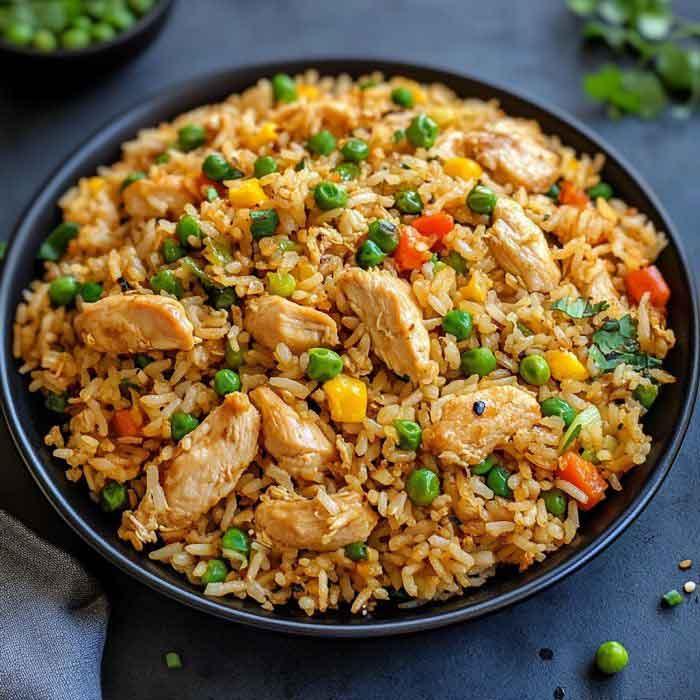
One of the dishes that always brings immediate comfort is fried rice. There is something deeply satisfying about its simplicity. The aroma of soy sauce mixed with the slight smokiness from stir frying instantly creates a feeling of warmth and familiarity. The combination of vegetables, egg, and sometimes chicken or prawns feels complete without being overwhelming. Fried rice has a balance that makes it emotionally comforting as much as physically satisfying. It fills you without making you feel heavy, and it somehow creates a sense of stability after a stressful day. On difficult days, when thoughts feel scattered, and emotions feel messy, fried rice feels organized and dependable. Every ingredient comes together in harmony, and perhaps that is why it feels so calming. It reminds me that even simple things can create comfort when everything else feels uncertain.
Another dish that holds a special place in this comfort ritual is sweet corn soup. Unlike loud or heavily flavoured dishes, sweet corn soup offers a gentler kind of comfort. The warmth of the soup feels almost therapeutic from the very first spoonful. It does not rush the experience of eating. Instead, it encourages stillness and calmness. The sweetness of the corn mixed with the soft texture creates a sense of emotional relief that is difficult to explain but easy to feel. Soup has always carried a kind of emotional softness, and sweet corn soup especially feels like a quiet pause in the middle of a stressful day. When the mind feels crowded with responsibilities, deadlines, and endless thoughts, the simplicity of soup creates a moment where everything slows down. It does not try to impress anyone with complexity. It simply comforts, and sometimes that is exactly what people need the most.
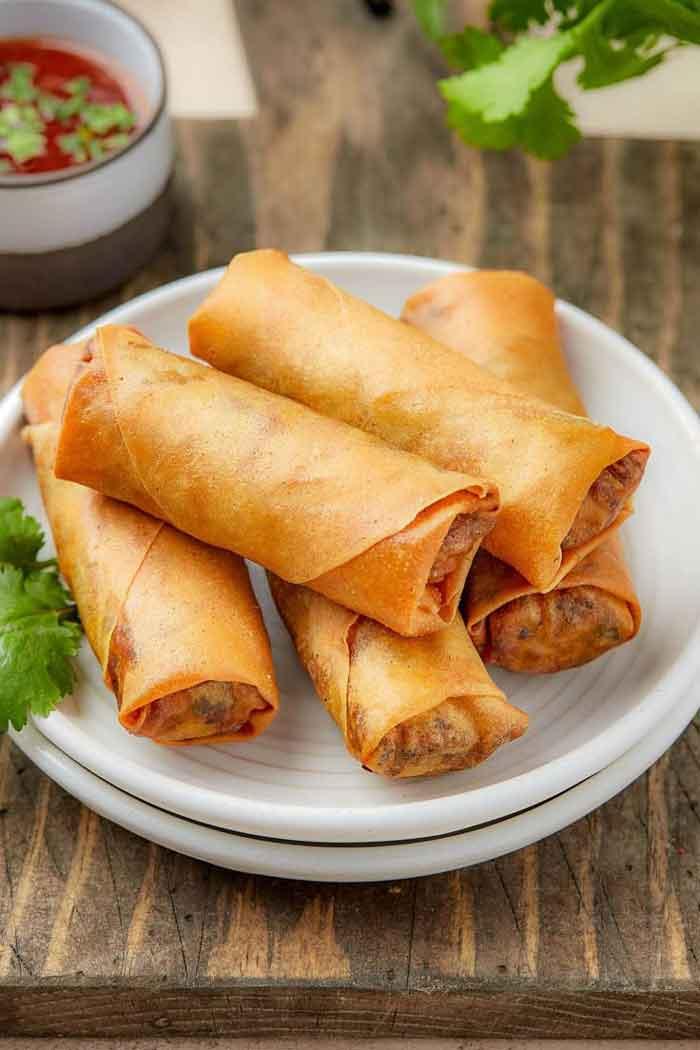
Spring rolls bring a completely different kind of satisfaction. After something warm and soft like soup, the crispiness of a spring roll creates an almost therapeutic contrast. The sound of the crunch, the warmth of the filling, and the texture of the crispy wrapper combine to create a surprisingly comforting experience. Stress often builds up quietly in the body and mind, and somehow crunchy food feels like a small release of that tension. It may not be something scientifically proven, but emotionally it feels very real. Eating spring rolls feels like breaking through heaviness, even if only for a few moments. They are quick, satisfying, and slightly addictive in the best possible way. There is joy in their simplicity, and that joy feels important during difficult moments.
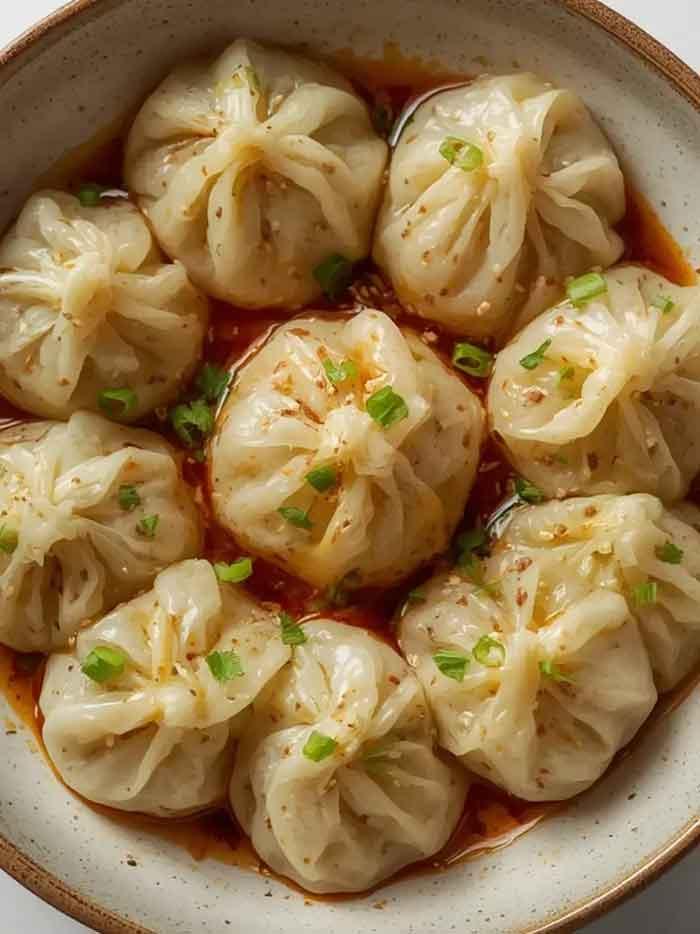
Dumplings, however, feel even more personal and emotionally meaningful. There is something intimate about dumplings because they seem to carry patience within them. Each one is carefully folded, shaped, and filled, which gives them a sense of care and intention. Whether steamed or pan fried, dumplings feel like food that was made slowly and thoughtfully. That sense of patience becomes comforting in itself. In a world where everything feels rushed, dumplings remind me to slow down. They are not food you eat mindlessly. You take your time with them, enjoying each bite and each flavour. That process naturally calms the mind. Every dumpling feels like a small moment of peace. When life feels overwhelming, they remind me that comfort can exist in small things and that simple moments can still feel complete and meaningful.
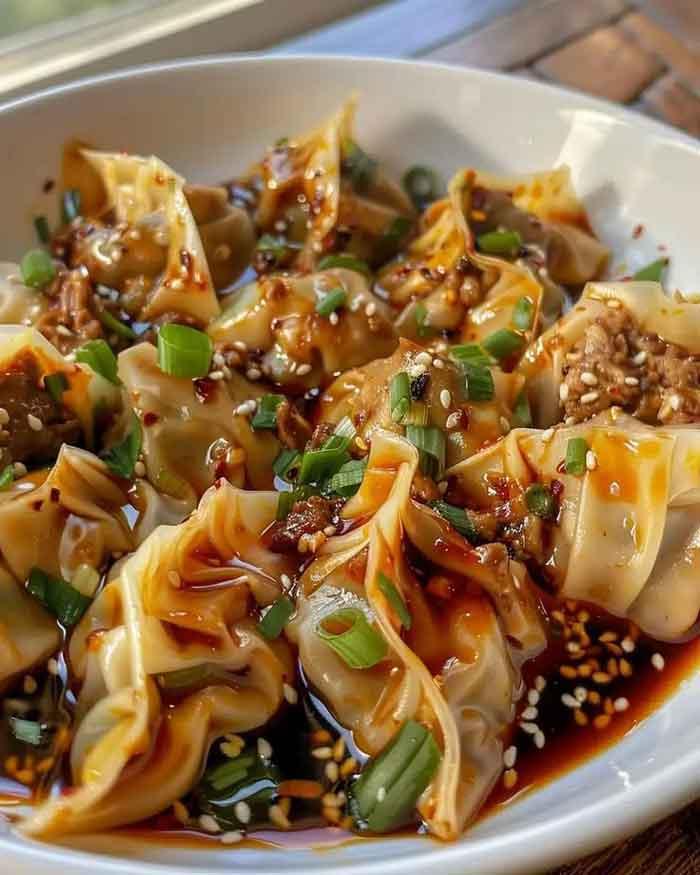
Wontons create another layer of comfort, especially when served in soup. They feel softer, lighter, and emotionally gentle. The delicate wrapper, the soft filling, and the warm broth together create a feeling of calmness that is difficult to replace. Wontons do not feel dramatic or attention seeking. They simply exist quietly, doing exactly what comfort food is supposed to do. They warm you, slow you down, and create a feeling of emotional safety. There is something beautiful about that simplicity. In many ways, wontons feel like food that understands you without needing explanation. They do not try too hard to impress, and perhaps that is why they feel so comforting.
Over time, I have realized that one of the reasons Chinese cuisine feels so emotionally satisfying is because of the balance it naturally offers. The flavours, textures, and temperatures all work together in harmony. There is always contrast. Softness exists beside crunchiness. Rich flavours exist beside lighter, gentler ones. Warmth exists beside freshness. This balance mirrors what people emotionally search for during stressful times. When life feels overwhelming, people do not usually crave extremes or unnecessary complexity. They crave stability, familiarity, and emotional grounding. Chinese cuisine provides that balance effortlessly. It feels steady and dependable, which is why it becomes such a source of comfort for so many people.

Familiarity also plays a huge role in why these dishes feel so comforting. Fried rice, sweet corn soup, spring rolls, dumplings, and wontons are not confusing foods. You know what to expect each time you order or prepare them. That predictability becomes emotionally reassuring when life itself feels unpredictable. Stress often comes from uncertainty, and familiar meals create a small sense of control and consistency. Even the process of ordering Chinese food has become part of the comfort itself. Waiting for the food to arrive, opening the containers, smelling the warmth, and taking the first bite all become part of a familiar ritual. That routine creates emotional relief because it feels safe and known. In difficult moments, small familiar experiences can become deeply important.
What I appreciate most is that Chinese food does not try to solve emotional struggles. It does not claim to fix stress, sadness, or exhaustion. Instead, it creates a pause. It offers a small break from everything else happening in life. For a short while, the focus shifts away from responsibilities, deadlines, messages, and worries. The only thing that matters in that moment is the warmth, flavour, and comfort of the meal in front of you. That pause may seem small, but it can feel incredibly powerful. Sometimes people do not need immediate solutions to all their problems. Sometimes they simply need a moment to breathe, slow down, and feel comforted. Food can create that space, and Chinese cuisine does it beautifully.
Everyone has their own version of comfort food. For some people it may be pasta, curry, or homemade desserts. For me, Chinese cuisine has quietly become one of the most reliable forms of comfort. Not because it is luxurious or dramatic, but because it is steady.
Fried rice, sweet corn soup, spring rolls, dumplings, and wontons all feel like small reminders that comfort can still exist in the middle of busy and stressful lives. They do not change the world or erase problems, but they make difficult moments feel softer and easier to manage.
In the end, I think that is what comfort food truly means. It is not about perfection or extravagance. It is about finding something that brings calmness, familiarity, and emotional warmth when life feels heavy. Chinese cuisine does that in a way that feels natural and effortless. Whenever everything becomes too overwhelming, I always find myself returning to the same comforting truth. Sometimes peace does not come from solving every problem at once. Sometimes it comes from sitting quietly with a warm plate of food that reminds you to slow down, breathe, and simply enjoy the moment.