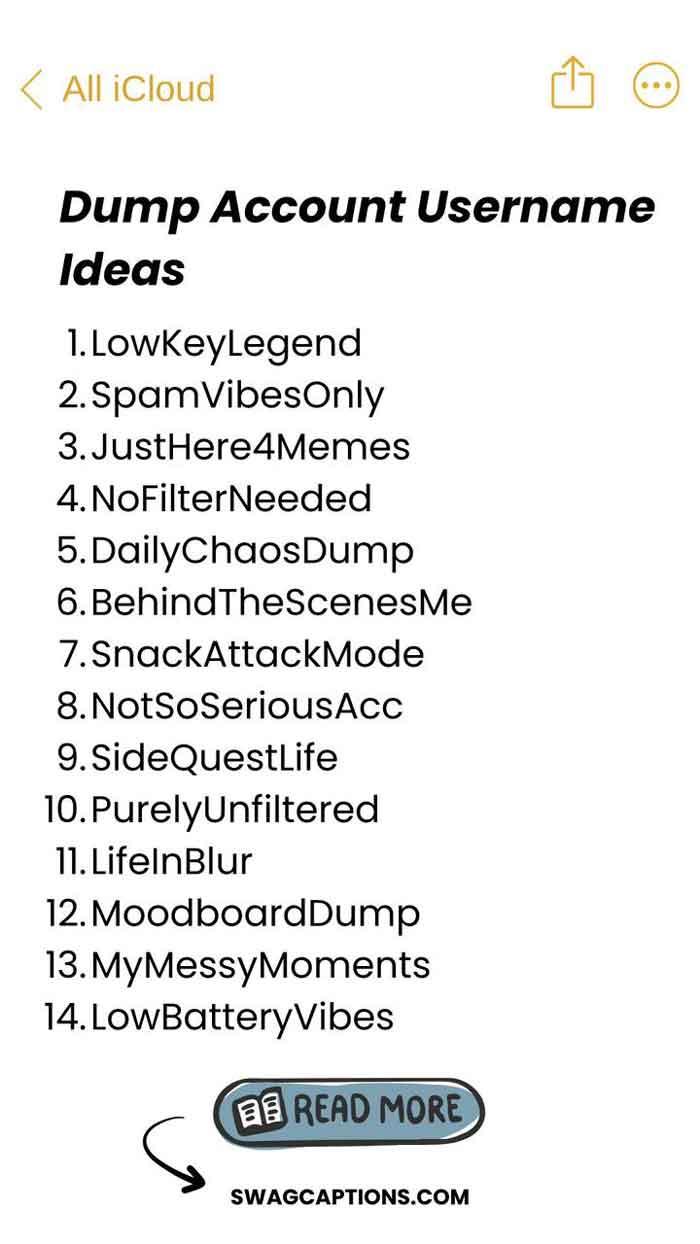
Why Spam Accounts Became More Real Than Main Accounts

By Yashmitha Sritheran
Social media was once a place where people shared their lives without overthinking every detail. In the early years of platforms like Facebook, Instagram, and Twitter, users uploaded random pictures with friends, blurry selfies, screenshots of conversations, food photos, and small everyday moments simply because they wanted to. Posts felt spontaneous and natural. People were less concerned about creating a perfect image online because social media was still viewed as a casual extension of real life.
Over time, however, the culture of social media changed dramatically. Platforms that originally encouraged free expression slowly evolved into highly curated digital spaces where appearance and presentation became increasingly important. Instead of posting whatever they wanted, users began carefully selecting what should appear on their profiles. Photos were edited repeatedly, captions were rewritten several times, and entire feeds were designed around aesthetics and trends. Social media stopped feeling relaxed for many people and instead became something performative.
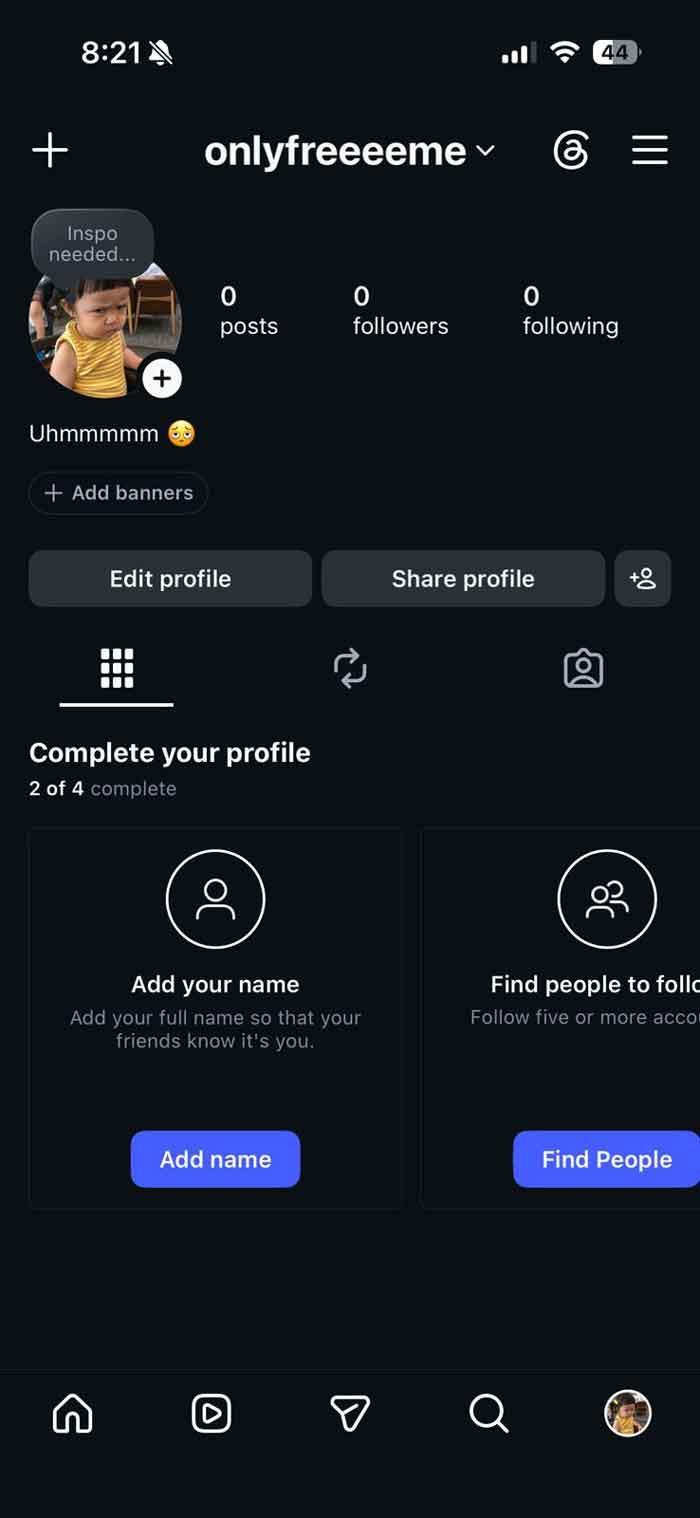
As this pressure grew, another type of online space quietly became more popular among younger users. Spam accounts, once considered meaningless secondary profiles, slowly transformed into places where people felt far more comfortable expressing themselves honestly.
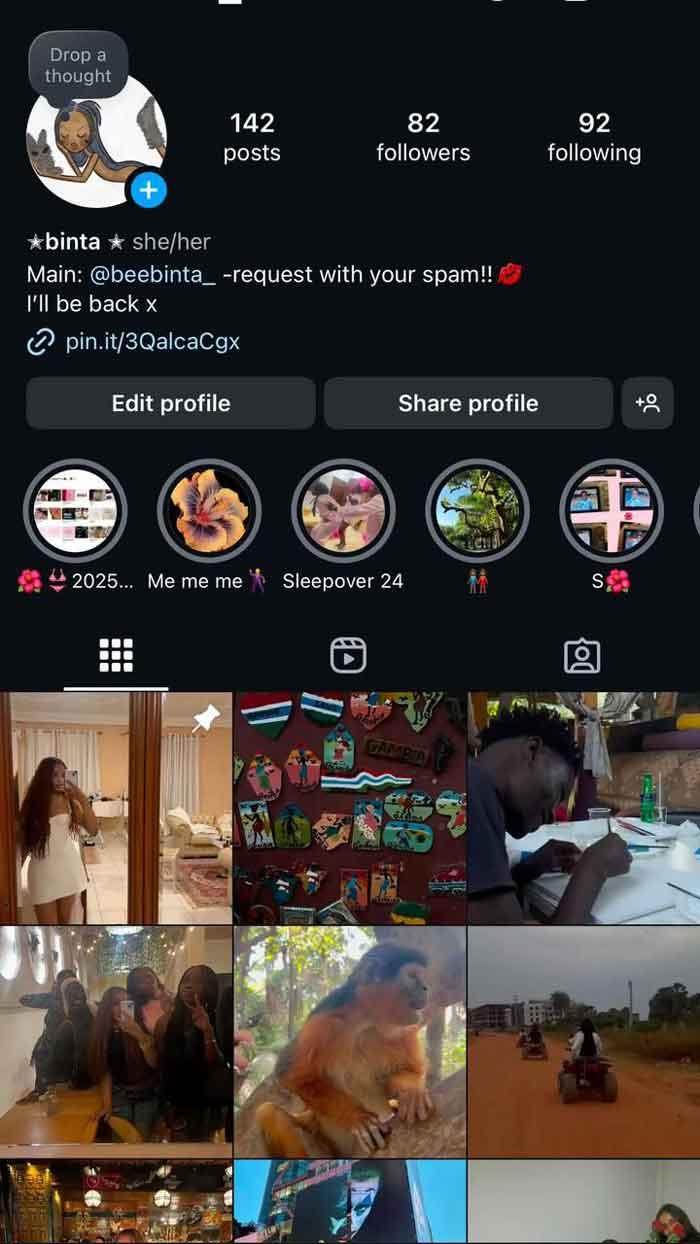
Originally, spam accounts existed mainly for unserious content. People used them to post awkward selfies, chaotic memes, random thoughts, screenshots, inside jokes, or embarrassing photos that they did not want connected to their carefully managed public profiles. These accounts were usually private and followed only by close friends. At first, they were treated almost like joke accounts or side spaces with no real importance.
Yet over the years, spam accounts evolved into something much more personal and emotionally significant. For many people, especially Gen Z users, spam accounts became safer spaces than their main profiles. Ironically, the less polished and less public account often became the place where people felt most authentic.
One of the main reasons behind this shift is the pressure attached to maintaining a main account today. Social media now functions almost like a digital stage where people constantly feel observed. Every post can be judged, compared, criticised, or ignored. Users think carefully about how they appear online because they know their content can be seen by classmates, colleagues, relatives, acquaintances, strangers, and sometimes even future employers.
This constant awareness changes the way people behave online.
Many users spend hours editing photos before posting them. They analyse lighting, angles, filters, captions, and even the order of pictures within a carousel. Some hesitate to upload content because they worry it will not match the aesthetic of their profile. Others archive or delete photos that fail to receive enough likes or attention.
Social media engagement has become deeply connected to validation, making many users feel anxious about how their content performs. As a result, main accounts often feel less like genuine personal spaces and more like carefully constructed identities.
For influencers and content creators, this pressure is even stronger because their online image is directly connected to popularity, income, and public reputation. However, even ordinary users who are not influencers experience similar expectations. Young people especially feel pressure to appear attractive, successful, funny, socially active, fashionable, confident, and productive all the time.
This creates an exhausting cycle. People no longer simply share moments because they want to. Instead, many feel the need to constantly manage how they are perceived by others. Social media becomes less about connection and more about performance.
Spam accounts offer the complete opposite experience. Unlike polished main profiles, spam accounts are intentionally messy and unfiltered. Users post sleepy selfies, blurry pictures, emotional thoughts, screenshots of private conversations, random memes, awkward videos, and updates that would never appear on a carefully curated public page. There is usually far less concern about appearance or perfection because the audience is much smaller and more trusted.
That sense of privacy changes the entire atmosphere. When people feel less judged, they behave more naturally. Conversations become more relaxed, captions become funnier, and interactions feel more genuine. Users stop trying to impress strangers and instead focus on communicating honestly with people they actually care about.
Many young people even admit that they feel emotionally closer to friends through spam accounts than through their main profiles. Main accounts often showcase only the highlights of someone’s life, vacations, parties, achievements, and carefully selected happy moments. Spam accounts, however, reveal the emotions behind those moments. They show stress, loneliness, boredom, confusion, heartbreak, anxiety, excitement, exhaustion, and vulnerability.
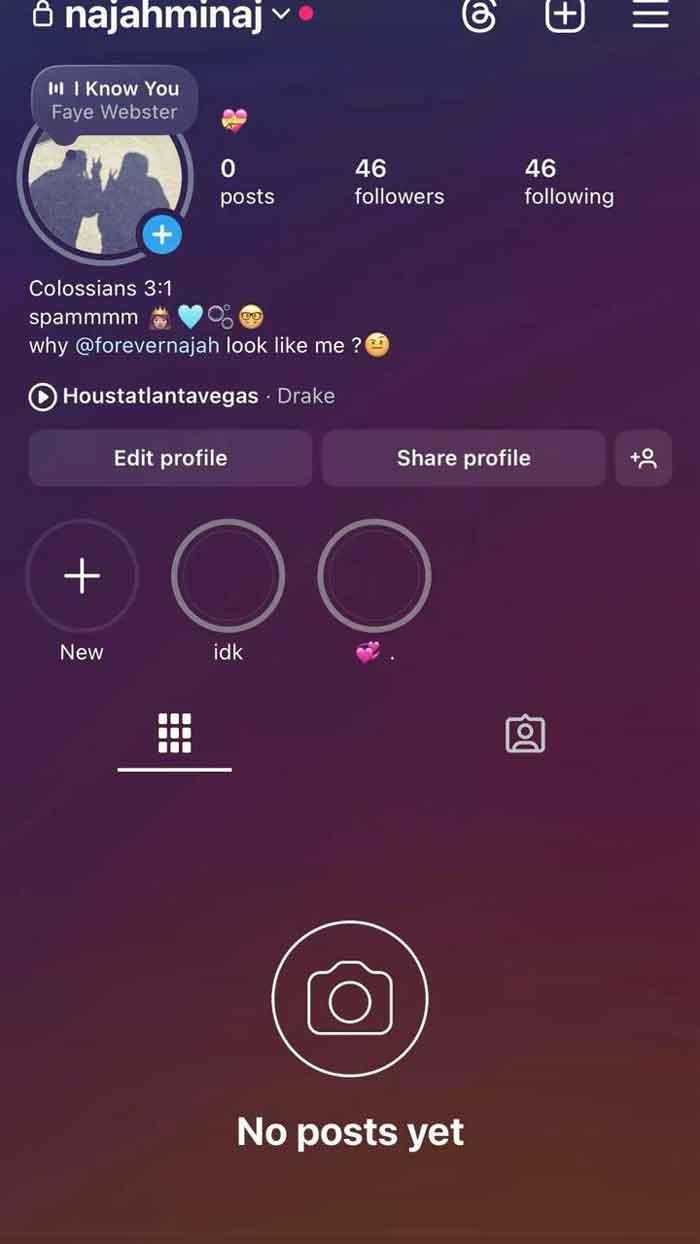
In many ways, spam accounts function like modern digital diaries. This trend also reflects a broader shift in how younger generations think about authenticity online. Gen Z audiences are becoming increasingly drawn to content that feels real and relatable rather than perfectly polished. Influencer culture still dominates many platforms, but at the same time, there is growing exhaustion with unrealistic beauty standards, luxury lifestyles, and highly curated feeds.
Perfect content can sometimes feel distant and artificial. Imperfect content feels human. That is one reason why trends such as casual photo dumps, blurry pictures, unedited videos, voice notes, spontaneous posts, and messy aesthetics have become more popular in recent years. Many users are starting to value personality and honesty more than perfection. Spam accounts fit perfectly into this cultural shift because they prioritise emotional honesty over visual perfection.
At the same time, the rise of spam accounts says a lot about the emotional complexity of modern social media. The fact that users feel the need to create entirely separate spaces just to relax online reveals how overwhelming public platforms can sometimes become. Many people no longer feel fully comfortable expressing themselves on their main profiles because social media audiences have expanded so widely. Family members, professors, colleagues, classmates, former friends, and strangers often exist in the same digital space. This creates pressure to constantly filter behaviour.
Something funny that might appeal to close friends may seem inappropriate to relatives. An emotional post might feel too vulnerable for professional contacts. A silly photo might not fit a carefully maintained aesthetic. Spam accounts solve this problem by creating smaller and more controlled online communities.
Within these smaller circles, users often feel safer sharing emotions and personal experiences. This creates stronger feelings of intimacy and trust between friends. Instead of speaking to hundreds or thousands of people at once, users communicate within a much smaller environment where they feel understood. Another major feature of spam account culture is humour.
Spam accounts are filled with chaotic memes, dramatic captions, ironic jokes, exaggerated reactions, and intentionally unserious content. This reflects the current style of internet humour, especially among younger generations. Modern online humour often mixes absurdity, sarcasm, emotional honesty, and self-awareness. For many users, humour is not just entertainment. It is also a coping mechanism. People use memes and jokes to deal with stress, awkwardness, loneliness, academic pressure, relationship problems, and emotional exhaustion. Sharing relatable humour within private online circles helps users feel less alone in their experiences.
Spam accounts therefore become emotional support systems in subtle ways. Friends communicate through memes, inside jokes, reaction pictures, and dramatic captions that outsiders may not fully understand. These interactions strengthen friendships and create shared online identities.
In many ways, spam culture represents a return to what social media originally felt like before algorithms, influencer branding, and monetised content became dominant. Early internet culture was chaotic, playful, and less concerned with perfection. Spam accounts bring some of that energy back. Instead of performing for a massive audience, people simply interact with their friends. However, spam accounts are not entirely free from problems.
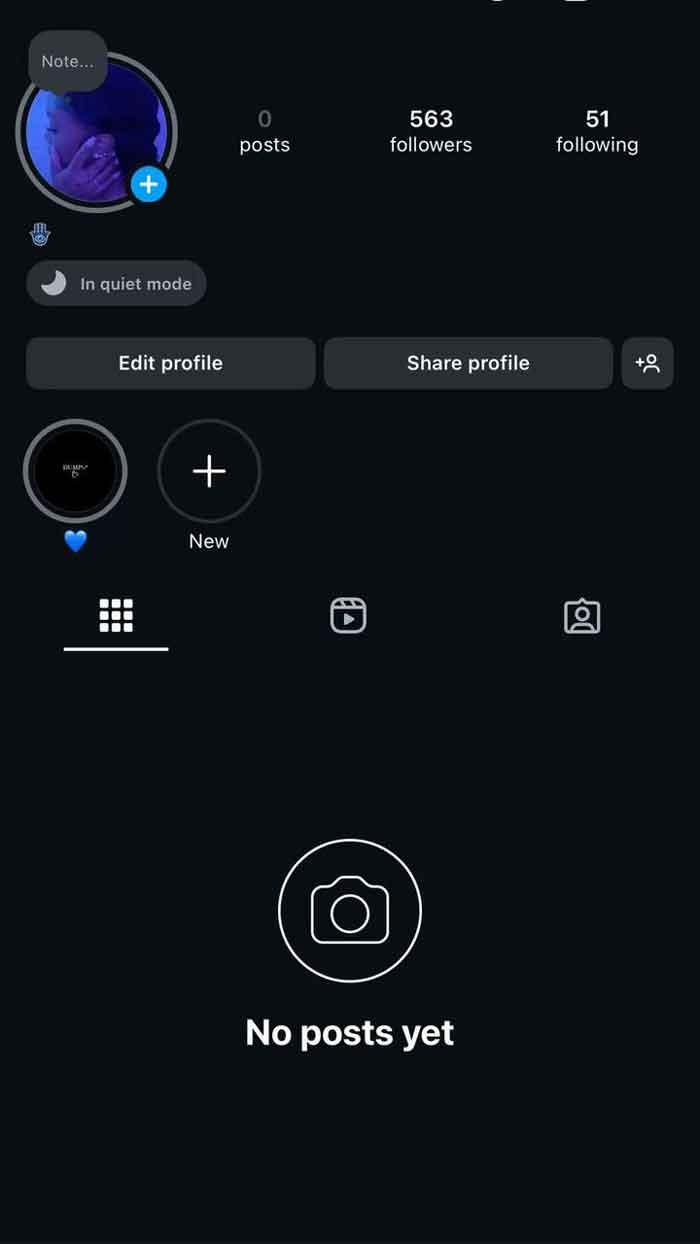
Even within private spaces, social comparison can still exist. Some users continue to seek validation through likes, reactions, and attention from close friends. Others may feel pressure to stay entertaining or emotionally available online at all times. There is also the issue of oversharing. Because spam accounts feel more private and emotionally safe, some users become far more vulnerable online than they would in real life. Emotional boundaries can become blurred when people constantly share personal struggles, relationship issues, or mental health experiences online.
In some situations, spam culture can create unhealthy dependence on digital validation from close social circles.
Privacy is another concern. Although spam accounts are usually private, screenshots and shared content can still spread beyond intended audiences. Users sometimes forget that even supposedly safe digital spaces are never completely secure. Despite these concerns, the popularity of spam accounts continues to grow because they fulfil something many people are desperately searching for online.
Authenticity. Today, being genuinely real on social media has become surprisingly difficult. Most major platforms reward visibility, trends, beauty, aesthetics, and constant engagement. Algorithms often prioritise polished content that keeps users watching for longer periods of time.
As a result, social media can sometimes feel artificial and emotionally draining. Spam accounts quietly resist this culture. They allow users to be awkward, emotional, dramatic, funny, chaotic, imperfect, and vulnerable without worrying constantly about public image. They create spaces where people can exist without carefully performing a version of themselves for approval.
This is why spam accounts matter more than many people expected. What originally started as a random secondary profile has evolved into something deeply meaningful for an entire generation. For some users, spam accounts are comfort zones. For others, they are personal diaries, emotional outlets, or spaces where close friendships become stronger.
Most importantly, they provide freedom. Freedom from aesthetic pressure. Freedom from constant judgment. Freedom from the exhausting need to appear perfect online. In a digital world dominated by filters, algorithms, influencer culture, and curated identities, spam accounts remind people that authenticity still has value.
At the end of the day, the strongest online connections are rarely built through perfection. People connect through honesty, humour, vulnerability, and personality. They connect through moments that feel real rather than carefully manufactured. That is why spam accounts became more authentic than main accounts. Not because they are flawless, but because they allow people to stop pretending to be.