Epigenetics: Can Your Lifestyle Change Your Genes?
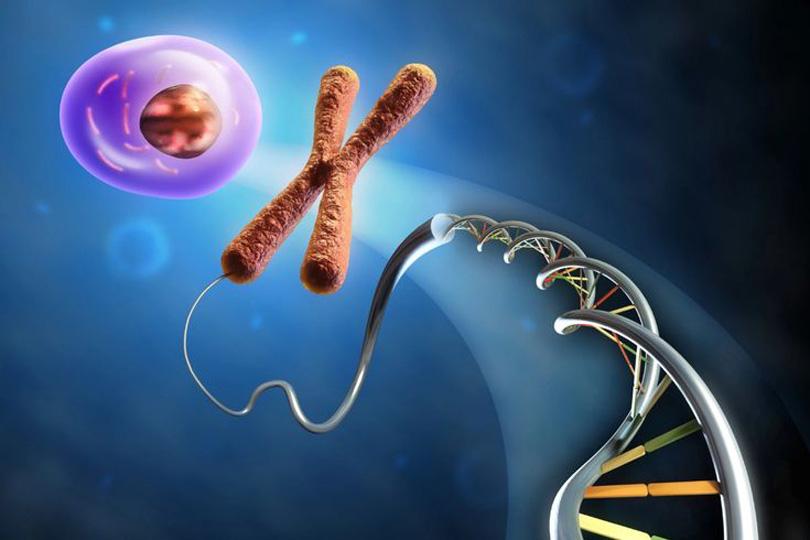
For decades, many people believed that DNA was destiny. The genes inherited from our parents were thought to determine everything from physical traits to health risks, and there was little anyone could do to change them. Height, eye colour, predisposition to diseases, and even aspects of personality were seen as largely predetermined. This perspective made genetics feel rigid, almost like a script written before birth that could not be rewritten. However, modern science has revealed a far more complex and fascinating picture. While the underlying DNA sequence remains largely unchanged throughout a person’s life, the way genes are turned on or off can vary dramatically. This dynamic layer of gene regulation is the focus of a field known as epigenetics. In essence, epigenetics studies how lifestyle, environment, and life experiences can influence gene activity without altering the actual genetic code. It provides a new lens through which to understand how the choices we make and the environments we inhabit can affect our biology.

Understanding Epigenetics
Every cell in the human body contains the same DNA, yet the functions of different cells are strikingly diverse. A nerve cell operates in ways that a skin cell never could, and a muscle cell has properties that neither of the other two possess. This variation arises not from differences in DNA itself but from differences in which genes are active in each cell type. Epigenetic mechanisms are the tools the body uses to control this process. They involve chemical modifications that act as molecular tags on DNA or on the proteins around which DNA is wrapped. These tags can turn genes on, switch them off, or adjust their activity levels, allowing cells to respond to internal signals and external conditions. According to the National Institute of Environmental Health Sciences, epigenetics refers to reversible changes that affect gene expression without altering the DNA sequence itself. These modifications can be influenced by a variety of factors, including the surrounding environment, diet, exposure to toxins, and even psychological experiences. Epigenetics allows organisms to adapt to changing conditions while preserving the integrity of the genetic code. It also helps explain how identical twins with nearly identical DNA can develop different health outcomes over time, as their life experiences and environments shape which genes are active and which remain silent.
Lifestyle and Gene Activity
One of the most compelling aspects of epigenetics is the role that everyday lifestyle factors can play in influencing gene expression. Research suggests that nutrition, physical activity, stress management, sleep patterns, and environmental exposures all have the potential to leave epigenetic marks. While these changes do not rewrite DNA, they can significantly alter how genes function, which in turn can influence health outcomes. Diet is a particularly well-studied factor. Certain nutrients, including folate, vitamin B12, choline, and compounds involved in cellular metabolism, participate in biochemical pathways that regulate DNA methylation, one of the primary epigenetic processes that control gene activity. DNA methylation involves the addition of chemical groups to DNA molecules, often silencing specific genes or adjusting their expression levels.
Other dietary components can influence histone modification, another type of epigenetic regulation, which affects how tightly DNA is packaged and whether genes are accessible for activation. In this way, the food consumed daily may play a subtle yet meaningful role in shaping genetic activity, potentially impacting processes such as metabolism, inflammation, and even susceptibility to certain diseases. Physical activity also interacts with gene expression. Exercise has been shown to influence epigenetic markers related to muscle function, energy metabolism, and immune response. Studies have suggested that regular movement can promote beneficial modifications that enhance cellular efficiency and resilience. Sleep patterns, too, may leave epigenetic imprints, as disrupted or insufficient sleep has been associated with changes in the regulation of genes involved in circadian rhythms, stress response, and metabolic health.
Stress and Epigenetic Changes
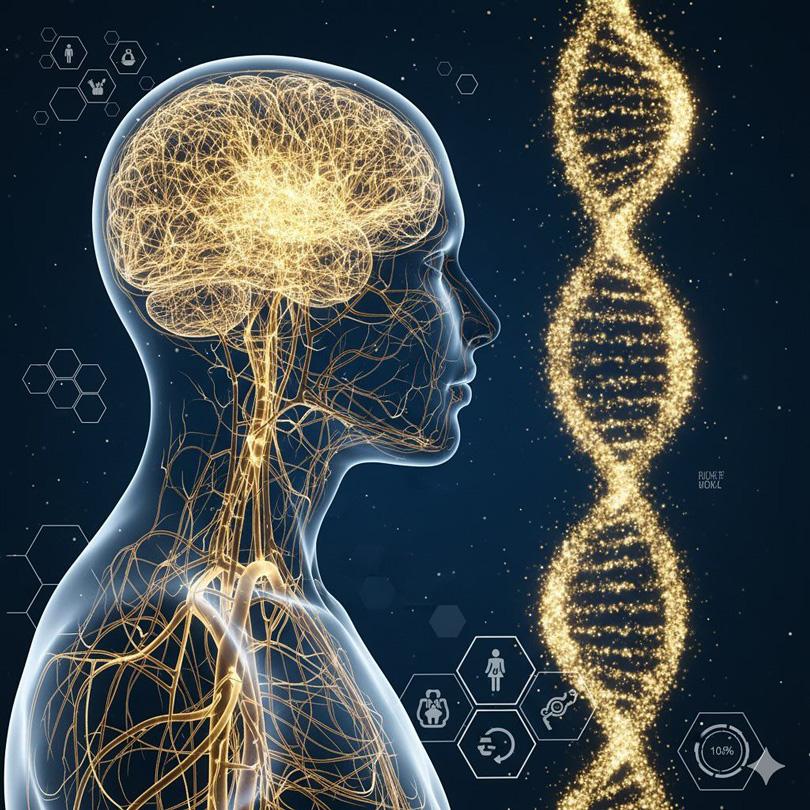
Stress is another area of significant interest in epigenetic research. Chronic stress and traumatic experiences can influence the expression of genes related to the body’s stress response, including those that regulate cortisol production and other hormonal pathways. Research conducted by the National Institutes of Health has shown that prolonged stress can alter the activity of genes responsible for immune function, metabolism, and neurodevelopment, sometimes through epigenetic mechanisms. Animal studies have illustrated that high stress levels can lead to epigenetic changes that persist over time, potentially affecting behaviour and physiological function. In humans, studies have found links between early life stress, such as childhood adversity or trauma, and modifications in genes involved in mood regulation, inflammation, and cognitive function. While these findings are still being explored, they underscore the idea that our experiences can reach deep into our biology, shaping not only how our genes function today but potentially influencing long-term health outcomes. Scientists caution, however, that the relationship between stress and epigenetic changes is complex and influenced by multiple factors, including genetics, environment, and social support. More research is needed to fully understand how these interactions manifest over a lifetime.
Can Epigenetic Changes Be Inherited?
One of the most debated questions in epigenetics is whether these modifications can be passed from one generation to the next. Animal studies have provided compelling evidence that environmental exposures, such as changes in diet, stress, or toxins, can sometimes influence epigenetic patterns in offspring. This process, known as transgenerational epigenetic inheritance, suggests that the experiences of one generation may affect the biology of the next without altering the DNA sequence itself. In humans, evidence is more limited but still intriguing. Historical studies examining populations exposed to famine or extreme environmental stress have indicated that children and even grandchildren of affected individuals may show altered health outcomes. For example, research on the Dutch Hunger Winter, a famine during the Second World War, suggested that prenatal exposure to severe malnutrition influenced metabolic and cardiovascular health in later generations. Scientists emphasize, however, that inheritance of epigenetic changes in humans is complex and involves many variables, including timing of exposure, type of epigenetic mark, and interactions with other genes. While the findings are compelling, more longitudinal research is needed to clarify the extent to which epigenetic modifications are heritable.
Implications for Medicine
Epigenetics is also reshaping how scientists think about disease prevention, diagnosis, and treatment. Alterations in epigenetic regulation have been linked to a wide variety of conditions, including cancer, metabolic disorders, neurological diseases, and autoimmune conditions. In cancer research, for instance, abnormal epigenetic patterns can silence genes that normally protect cells from uncontrolled growth or activate genes that promote tumour development. Recognizing these patterns has opened the door to a new class of treatments known as epigenetic therapies. These therapies aim to restore normal gene activity by targeting the chemical modifications that regulate gene expression rather than the DNA itself. Beyond treatment, understanding epigenetic mechanisms could also inform prevention strategies and public health interventions. Lifestyle factors such as diet, exercise, and stress management may be leveraged to influence gene expression in ways that reduce disease risk. Researchers are also exploring how epigenetic markers might serve as early indicators of disease, enabling earlier detection and more personalized medical approaches. This perspective emphasizes that health outcomes are not solely predetermined by DNA but emerge from ongoing interactions between genes and environment, highlighting the potential for intervention throughout life.
A New Perspective on Genes
The rise of epigenetics has fundamentally altered the traditional view of genetics as something fixed and unchangeable. Genes remain crucial in shaping human biology, but they operate within a flexible system that responds to the environment and experiences. This does not imply that lifestyle choices can completely override genetic risks. Some conditions are strongly influenced by inherited genes, and certain diseases may have unavoidable genetic components. However, epigenetics highlights that life experiences, habits, and exposures can influence how these genes are expressed, potentially modifying risk, resilience, and overall health. Epigenetics encourages a more dynamic view of biology. Rather than seeing genes as a static blueprint, it suggests that our genetic code functions more like a responsive system, continually interacting with the world around us. This perspective opens the door to new strategies for maintaining health, emphasizing the importance of nutrition, exercise, stress management, and social environment. Each of these factors may leave subtle but meaningful marks on gene expression, influencing physical and mental wellbeing over the course of a lifetime.
As research in epigenetics continues to grow, it offers both promise and caution. The promise lies in the potential to harness lifestyle and environmental interventions to promote health and prevent disease. The caution is in recognizing the complexity of the system. Gene expression is influenced by a multitude of factors, including genetic predisposition, developmental stage, and exposure history. The interplay between these elements is intricate, and the long-term effects of modifying epigenetic marks are still being explored. Ultimately, epigenetics represents a paradigm shift in the understanding of human biology. It moves the conversation beyond deterministic notions of genes and embraces a model in which biology is a dynamic interplay between inherited DNA and life experience. This perspective has profound implications for personal health, public policy, and medical practice, offering a more hopeful and actionable view of how individuals can influence their own biological destiny.
While we cannot control every factor in our lives, the emerging science of epigenetics suggests that many aspects of health are influenced by the choices we make and the environments we create for ourselves. Eating well, staying active, managing stress, and cultivating supportive social connections may do more than improve quality of life; they may influence the activity of our genes in ways we are only beginning to understand. Rather than seeing DNA as an unchangeable fate, epigenetics invites us to view it as a living system, responsive and adaptable, that interacts continuously with our experiences. Our genes are not simply a script handed down from previous generations but a dynamic framework capable of responding to the world around us. By paying attention to lifestyle and environment, it may be possible to shape biological outcomes in ways that enhance resilience, health, and wellbeing.
In a world where medical and scientific knowledge is constantly expanding, epigenetics provides a powerful reminder of the interplay between nature and nurture. It underscores that while we inherit our genes, we are not entirely at their mercy. Our choices matter, our experiences count, and our biology is not as fixed as we once believed. Epigenetics is more than a scientific concept. It is a lens through which we can view the potential for human health, longevity, and adaptation. By understanding how genes interact with life, we gain insight into the profound connections between mind, body, and environment. This field continues to evolve, but one lesson is clear: our genes are not destiny, and the way we live our lives may leave a lasting mark on our biology and potentially on the generations that follow.