Are We Becoming Too Dependent on Social Media for News?
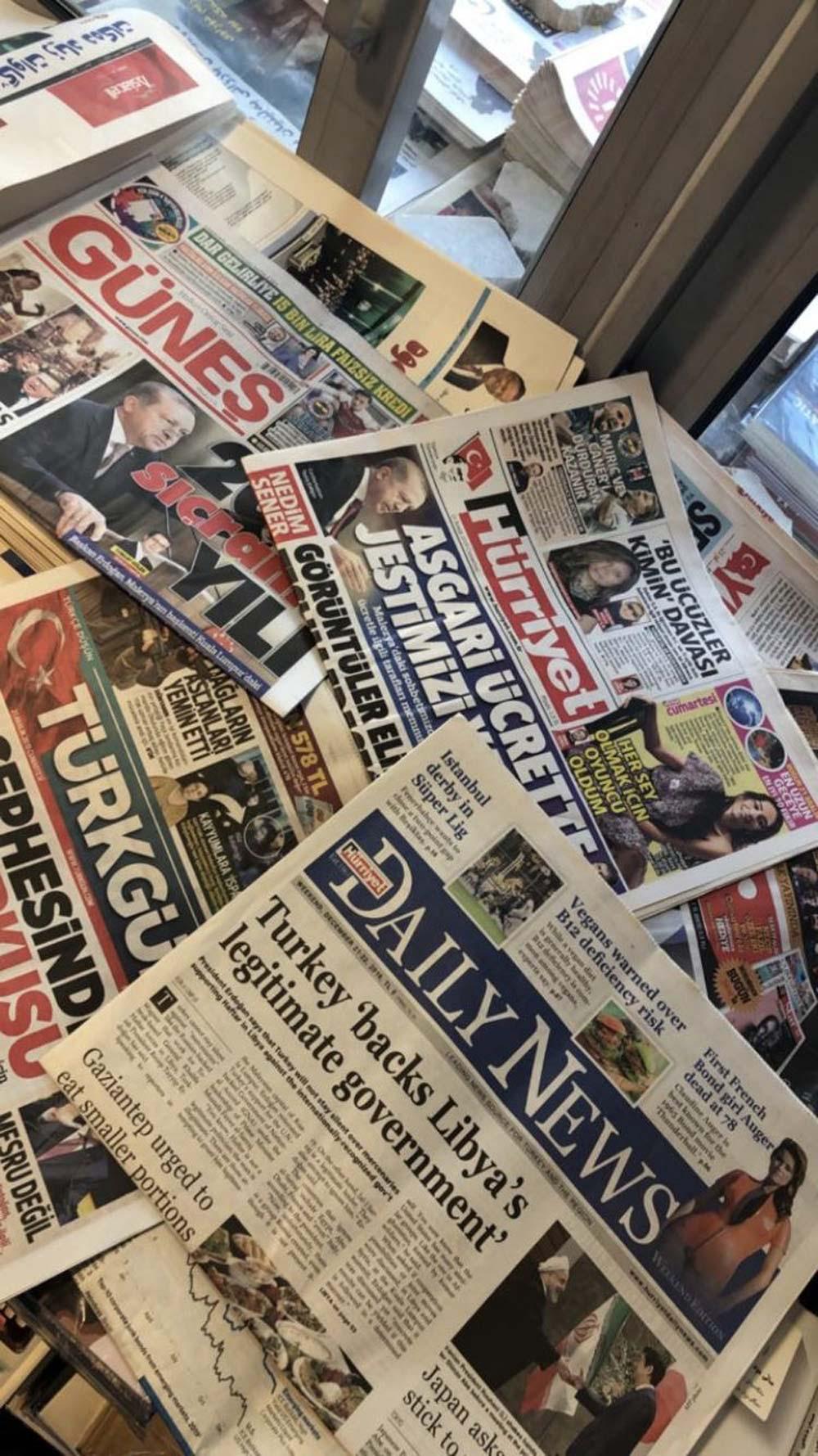
There was once a time when people began their mornings by unfolding a newspaper over breakfast or listening to the familiar voice of a radio broadcaster summarizing the day's most important events. Families gathered around televisions in the evening to watch scheduled news bulletins, trusting journalists and editors to provide accurate information about local and global developments. News consumption followed a predictable rhythm, allowing people to absorb information thoughtfully and at a manageable pace.
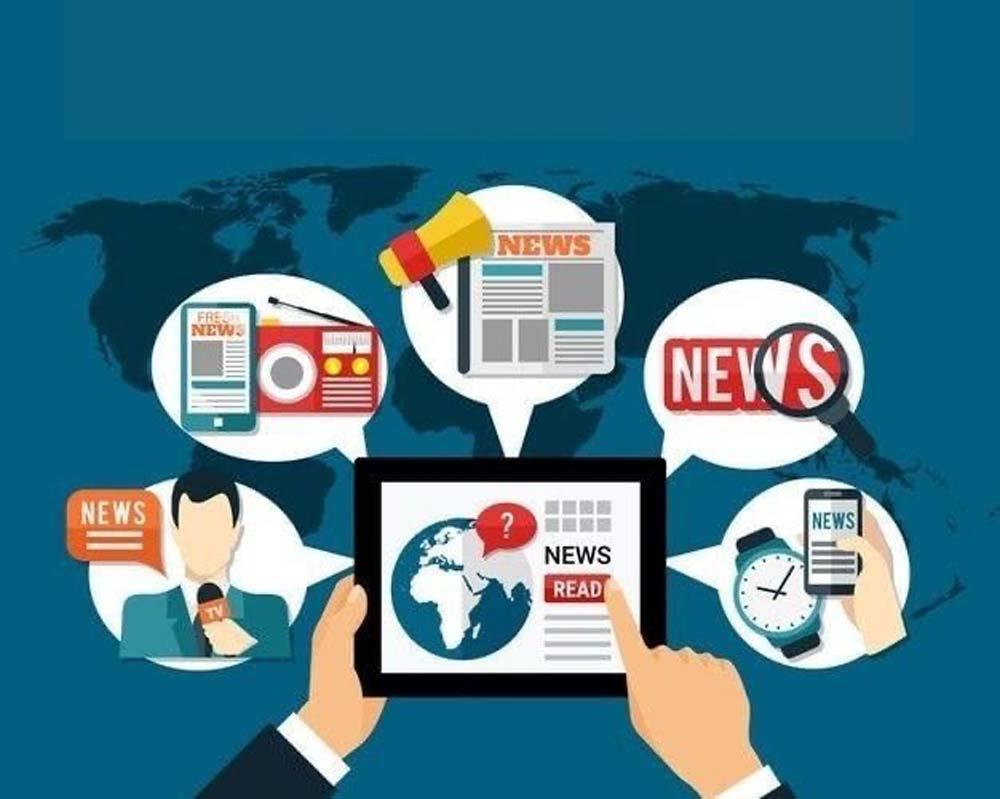
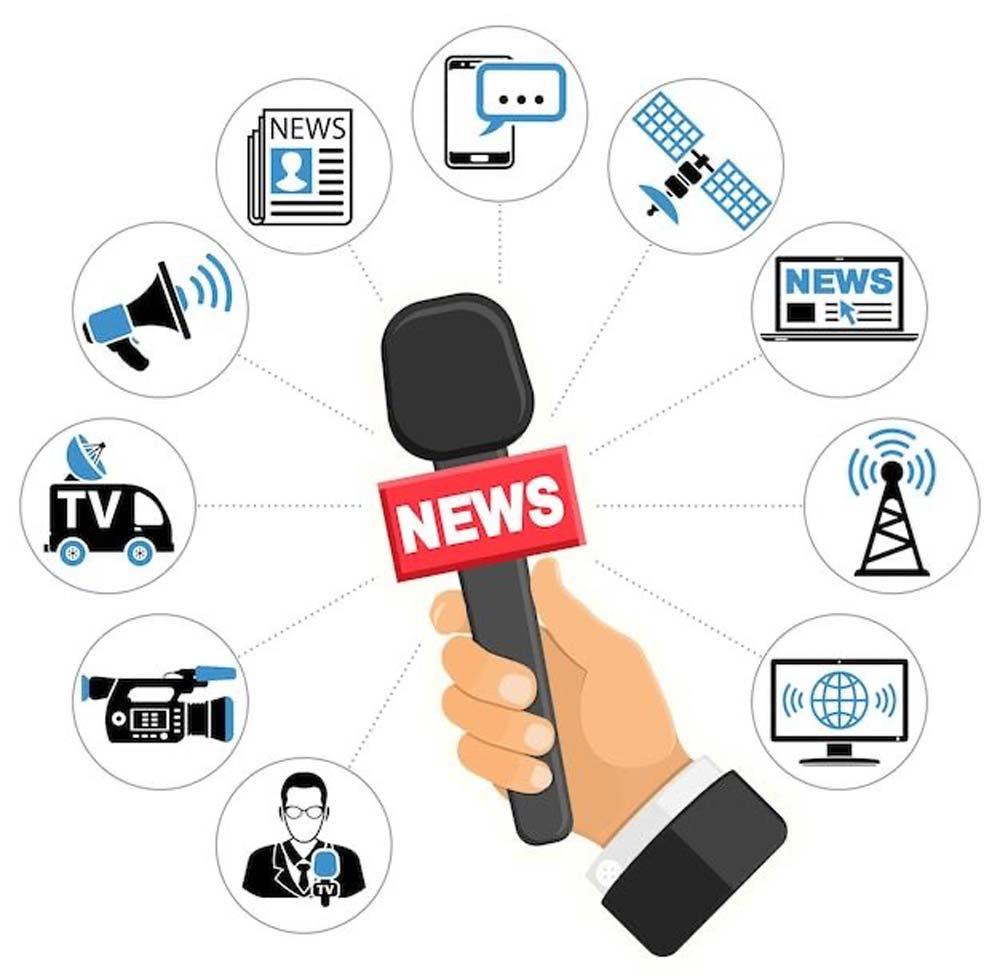
Today, that landscape has changed dramatically. The digital revolution has transformed the way information is produced, shared, and consumed. News no longer arrives according to a schedule. Instead, it appears instantly on smartphones through notifications, social media feeds, short videos, live streams, and viral posts. Platforms such as Facebook, Instagram, TikTok, X, and YouTube have become major gateways through which millions of people access information every day. For many individuals, especially younger generations, social media has become the primary source of news, often replacing traditional newspapers, television broadcasts, and radio programs.
This shift raises an important and increasingly relevant question: are we becoming too dependent on social media for news?
 There is no doubt that social media has revolutionized access to information. Never before has news been so immediate and accessible. A breaking event occurring in one part of the world can be seen by millions of people within seconds. Whether it is a political announcement, a natural disaster, a public protest, or a sporting achievement, information spreads rapidly across digital platforms. During emergencies, this speed can be invaluable. Social media allows authorities, journalists, and citizens to share updates in real time, helping people stay informed and make important decisions quickly.
For many people, social media also provides convenience. Instead of actively seeking information from multiple sources, users can simply open an application and receive a continuous stream of updates. News is integrated into daily routines, appearing alongside personal messages, entertainment content, and social interactions. This ease of access has increased public awareness of events that might otherwise have gone unnoticed. It has also enabled greater participation in discussions about important social, political, and economic issues.
In countries such as Sri Lanka, social media has become an especially influential platform for information sharing. News about elections, government policies, economic developments, weather conditions, and public emergencies often reaches people through their phones before it appears on traditional media channels. As internet access and smartphone use continue to grow, social media's role in shaping public understanding of current events becomes increasingly significant. However, while the advantages of social media are undeniable, its growing dominance as a news source presents several serious concerns.
One of the most significant challenges is the issue of accuracy. Traditional journalism operates through systems designed to verify information before publication. Reporters gather evidence, editors review content, and fact checkers examine claims to ensure accuracy and fairness. Although mistakes can still occur, professional journalism generally follows established standards that prioritize credibility.
Social media functions very differently. Anyone with an internet connection can publish content instantly and potentially reach a massive audience. Information can spread rapidly without undergoing any form of verification. As a result, false or misleading content often circulates widely before corrections are issued. In some cases, corrections never reach the same audience that saw the original misinformation.
A misleading headline, an edited image, a manipulated video, or an unverified claim can easily influence public opinion. Many users share content without checking its source or accuracy, allowing misinformation to spread even further. This phenomenon becomes particularly dangerous during elections, public health emergencies, economic crises, and periods of social unrest. In such situations, inaccurate information can create fear, confusion, and division among communities.
The problem is compounded by the speed at which social media operates. Users are often encouraged to react immediately rather than carefully evaluate what they are seeing. Emotional content tends to attract more attention and engagement, which means that sensational or controversial posts frequently spread faster than balanced and factual reporting. As a result, public perception can be shaped by incomplete or inaccurate information long before the full facts become available.
Another important concern is the influence of algorithms. Unlike traditional news outlets, which generally present a broad range of stories based on editorial judgment, social media platforms rely on algorithms to determine what users see. These algorithms are designed to maximize engagement by showing content that aligns with individual interests, preferences, and past behavior. While personalization may seem convenient, it can create what experts describe as "echo chambers." Within these digital environments, users are repeatedly exposed to viewpoints that reinforce their existing beliefs while encountering fewer perspectives that challenge them. Over time, this can limit understanding and reduce exposure to diverse opinions.
The consequences of this trend extend beyond individual users. When large groups of people receive information primarily from ideologically similar sources, societies can become increasingly polarized. Public debates become less focused on facts and more centered on defending personal beliefs or group identities. Constructive dialogue becomes more difficult because people are no longer operating from a shared understanding of reality. Social media's influence on mental health is another growing concern. Unlike traditional forms of news consumption, which often involve dedicated periods of reading or viewing, social media delivers a constant stream of information throughout the day. Users may encounter reports of war, crime, natural disasters, political conflict, economic uncertainty, and personal tragedies within minutes of opening their feeds.
This continuous exposure to negative and emotionally charged content can be overwhelming. Many people experience anxiety, stress, and emotional fatigue as a result. The human brain is not naturally equipped to process an endless flow of global crises and distressing events. Yet social media encourages constant engagement, making it difficult for users to disconnect. Research has shown that excessive exposure to negative news can contribute to feelings of helplessness and pessimism. People may begin to perceive the world as more dangerous or unstable than it actually is because they are constantly confronted with dramatic and alarming stories. This phenomenon can affect emotional wellbeing and influence how individuals view society as a whole.
The issue of depth and context also deserves careful consideration. Social media platforms are largely built around short, attention grabbing content. News stories are often condensed into brief captions, headlines, memes, or videos lasting less than a minute. While these formats are effective for attracting attention, they are not always suitable for explaining complex issues. Many important topics require detailed analysis and context. Economic policies, international relations, legal reforms, environmental challenges, and public health issues cannot always be fully understood through simplified summaries. When complex subjects are reduced to a few sentences or seconds of video, important nuances may be lost.
As a result, people may develop a surface level understanding of significant events. They may know that something happened but lack a deeper understanding of why it happened, how it developed, and what its long term consequences might be. This can lead to oversimplified opinions and misunderstandings about important public issues. Despite these concerns, it would be unfair to portray social media as entirely negative. In many ways, social media has democratized access to information and created opportunities that did not previously exist. Independent journalists, citizen reporters, activists, and smaller media organizations can now reach audiences without relying on traditional gatekeepers. Social media has helped bring attention to stories that may have been overlooked by mainstream media outlets. It has exposed corruption, highlighted social injustices, amplified marginalized voices, and encouraged greater public participation in civic discussions. During times of crisis, ordinary citizens often provide valuable firsthand information that contributes to public understanding of unfolding events.
The challenge, therefore, is not social media itself but the way it is used. Dependence becomes problematic when social media replaces critical thinking, careful verification, and engagement with credible sources. The danger lies not in accessing news through social media but in accepting everything encountered online as truth. A balanced approach is essential. Social media should serve as one source of information among many rather than the sole source. Traditional journalism continues to play a vital role in providing verified reporting, investigative work, and detailed analysis. Established newspapers, reputable broadcasters, and professional news websites remain important pillars of informed societies.

At the same time, individuals must develop stronger media literacy skills. In today's digital environment, the ability to evaluate information critically is more important than ever. Users should ask important questions whenever they encounter news online. Who created this content? Is the source credible? What evidence supports the claim? Has the information been verified by multiple reputable outlets? Could the content be misleading or taken out of context?
These simple habits can significantly reduce the risk of being misled by false information. Educational institutions, workplaces, governments, and media organizations all have important roles to play in promoting digital literacy and critical thinking skills. Teaching people how to navigate the modern information landscape is becoming as essential as teaching traditional reading and writing skills. Ultimately, the question is not whether social media should be used for news. Social media has become an integral part of modern communication and information sharing, and its influence is unlikely to diminish anytime soon. The more important question is whether we are using it responsibly and thoughtfully.
Dependency becomes a problem when convenience replaces verification, when speed replaces accuracy, and when constant updates replace meaningful understanding. Social media is a powerful tool with enormous potential for both positive and negative impact. Like any tool, its value depends on how it is used. As society continues to navigate the digital age, finding the right balance will be crucial. We need a world where information remains fast but accurate, accessible but credible, engaging but responsible. Achieving that balance will require effort from technology companies, journalists, educators, policymakers, and individual users alike. Until then, one important question remains worth asking every time we scroll through our feeds: are we genuinely informed, or are we simply being constantly updated?