The Meaning and Global Significance of Easter Sunday and Easter Monday
The Spiritual Heart of Easter
By: Giselle Gunewardene
Easter is one of the most important celebrations in Christianity, marking the resurrection of Jesus Christ from the dead. Easter Sunday stands at the very centre of the Christian faith, symbolising hope, renewal, and the triumph of life over death. According to the New Testament, Jesus rose from the tomb on the third day after his crucifixion, an event that Christians believe confirms his divine nature and promises eternal life to believers. The period leading up to Easter Sunday is known as Holy Week, which includes Good Friday, the day of Jesus’ crucifixion, and Holy Saturday, a time of quiet reflection. Easter Sunday then arrives as a moment of joy and celebration. Churches around the world hold special services, often beginning at sunrise to represent the moment of resurrection. Bells ring, flowers decorate altars, and hymns of victory are sung. Easter Monday, observed the day after Easter Sunday, extends the celebration. While it holds less theological weight, it is still significant as a time for rest, community gatherings, and cultural traditions. In many countries, it is a public holiday, allowing families to come together and continue the festive spirit.
Symbols and Traditions of Easter
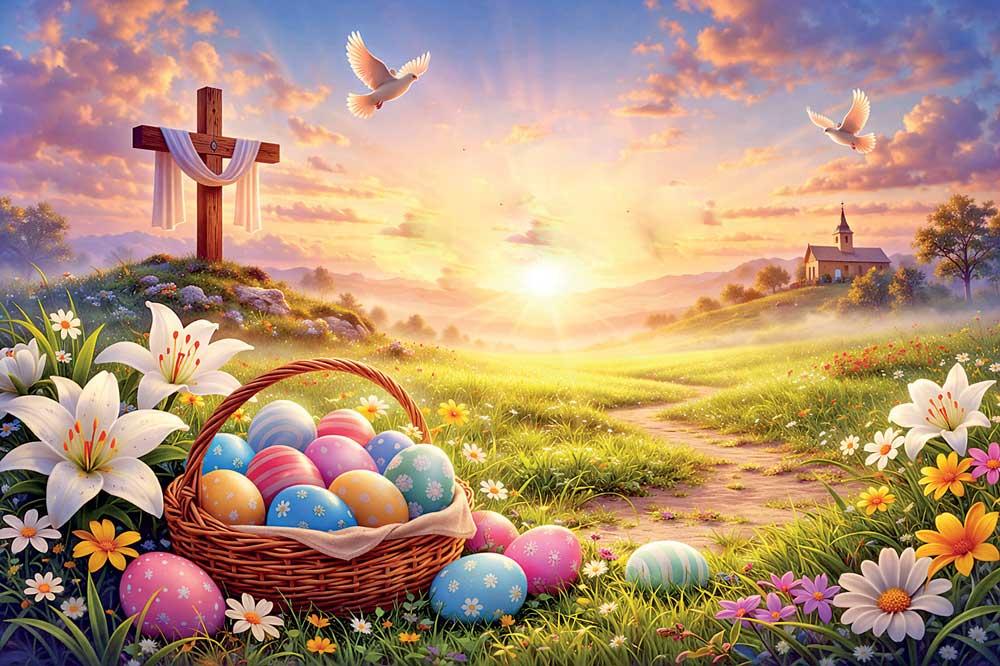
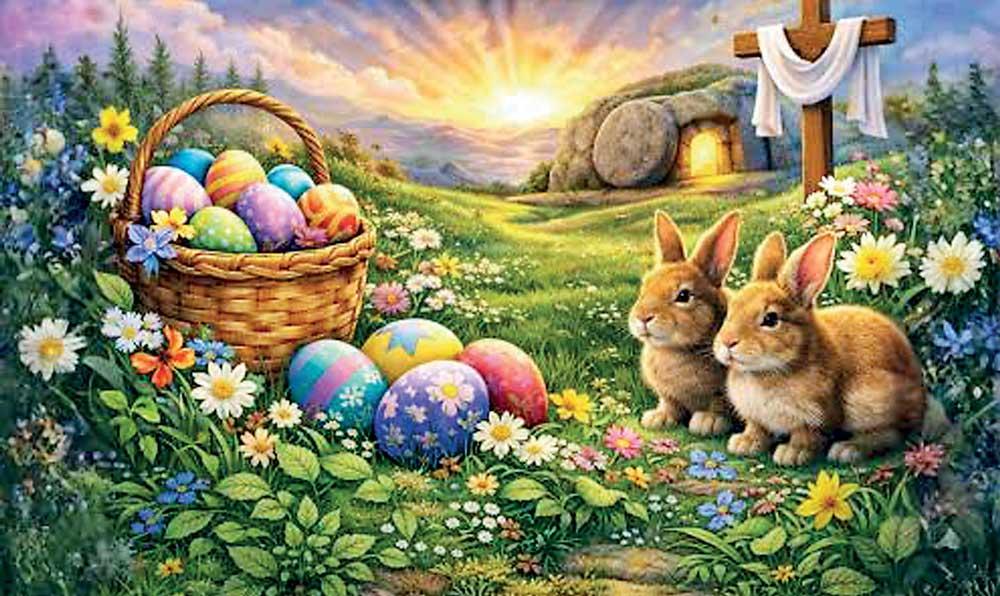
Over time, Easter has developed a rich blend of religious and cultural symbols. Eggs, for example, represent new life and rebirth, echoing the resurrection. In many cultures, eggs are decorated in bright colours or hidden for children to find in Easter egg hunts. The Easter Bunny, a more modern symbol, is associated with fertility and springtime renewal. Food also plays a central role. In many countries, people enjoy special meals that include lamb, symbolising sacrifice, and sweet breads or pastries such as hot cross buns. These traditions reflect both religious meaning and seasonal celebration, as Easter coincides with spring in much of the world.
Easter in Europe
Europe is home to some of the most historic and elaborate Easter traditions. In the United Kingdom, Easter Sunday is marked by church services, family meals, and the exchange of chocolate eggs. Easter Monday is a bank holiday, often spent outdoors enjoying springtime activities. In Italy, Easter is deeply rooted in religious observance. Large crowds gather in Rome for the Pope’s Easter Mass at St Peter’s Basilica. Spain is famous for its Semana Santa processions, where participants carry religious statues through the streets in solemn and dramatic displays of devotion. In Poland, Easter Monday is known as Śmigus Dyngus, or Wet Monday, where people playfully splash each other with water. This custom symbolises cleansing and renewal. Across Europe, the blending of faith, folklore, and community creates a rich tapestry of Easter celebrations.
Easter in South Asia
In South Asia, Easter is celebrated by Christian communities in countries such as India, Sri Lanka, and Pakistan. Though Christians are a minority in these regions, the festival is marked with great devotion and vibrant local traditions.
In India, churches are beautifully decorated with flowers and lights. Midnight or early morning services are common, and families gather afterward for festive meals. In states like Kerala and Goa, where Christian populations are larger, Easter is particularly lively. Sri Lanka combines solemn religious observance with community celebration. Special prayers, hymns, and processions are held, followed by gatherings that include traditional foods. Hot cross buns are especially popular during the Easter season. In Pakistan, Easter Sunday is marked by church services and charitable acts, with many communities distributing food and gifts to those in need. Easter Monday is often a time for picnics and family outings, reflecting a blend of religious and cultural practices.
Easter in East Asia
Easter is less widely observed in East Asia, but it is still significant among Christian communities. In the Philippines, a predominantly Christian country, Easter is a major event. One of the most unique traditions is the Salubong, a pre-dawn ritual reenacting the meeting of the risen Christ with his mother Mary. It is a powerful and emotional ceremony that draws large crowds. In South Korea, churches hold early morning services followed by communal meals. Congregations often decorate their spaces with flowers and banners celebrating the resurrection. In Japan, Easter is not a public holiday, but it has gained some popularity as a seasonal event, particularly in urban areas. Decorations, themed products, and small celebrations are becoming more common, though they are largely cultural rather than religious. In China, Easter is observed by Christian communities through church services and quiet gatherings. While not widely recognised nationally, it remains an important spiritual occasion for believers.
Easter in Africa
Africa’s Easter celebrations are diverse and deeply rooted in faith. In Ethiopia, Easter, known as Fasika, follows a period of fasting and is celebrated with overnight church services and feasting. The Ethiopian Orthodox Church plays a central role, and the atmosphere is both solemn and joyful. In Nigeria, Easter is marked by lively church services featuring music, dancing, and colourful attire. Communities come together for large gatherings, and Easter Monday is often spent visiting friends and relatives. In Kenya and South Africa, Easter combines religious observance with social activities. Families attend church and then enjoy meals together, often outdoors. In South Africa, it is common for people to go on holiday trips during the long weekend. Across the continent, Easter is a time of unity, faith, and celebration, reflecting both local cultures and shared Christian beliefs.
Easter in the United States
In the United States, Easter is celebrated with a mix of religious and secular traditions. Easter Sunday is marked by church services, often attended by families dressed in their finest clothing. It is also common to have large family meals featuring dishes such as ham, lamb, and seasonal vegetables. One of the most famous events is the White House Easter Egg Roll, a tradition that dates back to the nineteenth century. Children gather on the White House lawn to roll decorated eggs, symbolising the joy and playfulness associated with the holiday. Easter egg hunts are a central part of the celebration for children across the country. Parks, gardens, and homes become sites of excitement as children search for hidden eggs filled with sweets or small toys. Easter Monday is not a federal holiday in the United States, but it is still observed informally by some communities as a continuation of the weekend’s celebrations.
The Universal Message of Easter
Despite the diversity of customs and traditions, the core message of Easter remains the same across the world. It is a celebration of hope, renewal, and the promise of new beginnings. Whether marked by solemn church services, joyful gatherings, or cultural festivities, Easter brings people together in a shared moment of reflection and celebration. Easter Sunday represents the victory of life over death, a message that resonates beyond religious boundaries. Easter Monday extends this joy into everyday life, encouraging rest, connection, and community. From the grand cathedrals of Europe to the vibrant churches of Africa, from the quiet gatherings in East Asia to the festive celebrations in the United States, Easter continues to inspire millions. It is both a deeply spiritual occasion and a universal celebration of life’s enduring power. In a world often marked by uncertainty, Easter offers a timeless reminder that renewal is always possible, and that light can emerge even from the darkest moments.