The Cold Porridge and the Women
“What Women’s Day? We’re just cleaning so our families can avoid going hungry.”
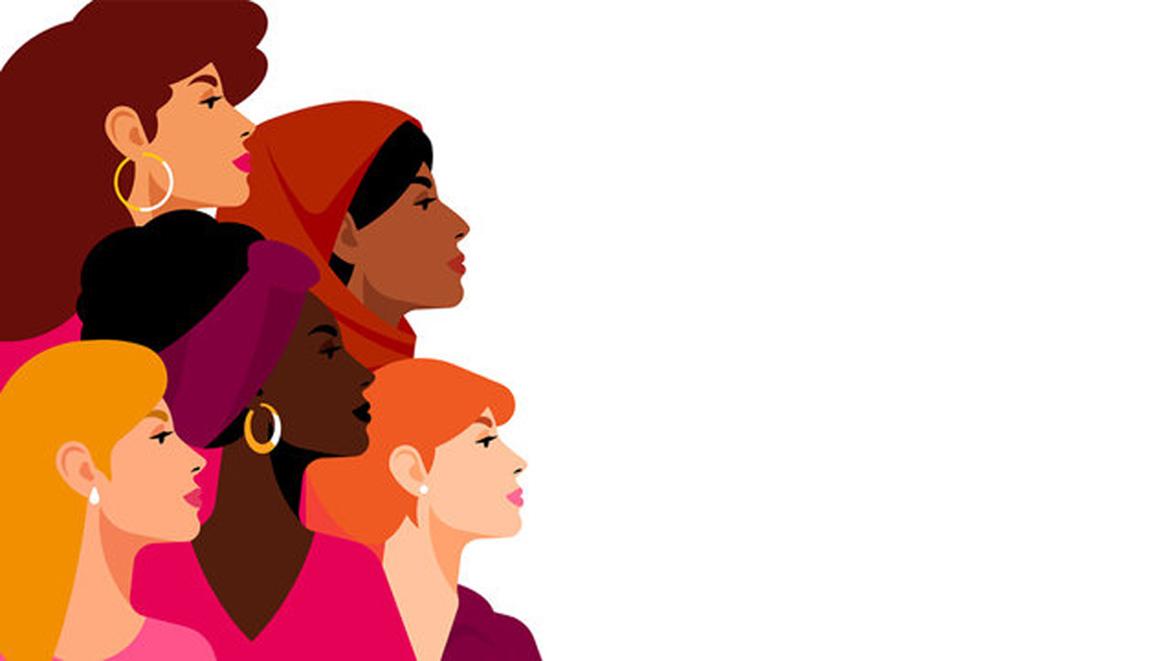
Well, some might’ve celebrated Women’s Day, with flowers, corporate discounts, and social media posts decorated with pastel graphics and inspirational quotes. For others, it was simply another ordinary day that passed without much notice. Because the existence of women should not require a single date on the calendar to be acknowledged. A woman’s contribution to family, society, economy, and culture does not magically appear on the 8th of March and disappear the next morning. If anything, the need for a designated day sometimes exposes a deeper problem: that recognition of women is still treated as an occasional gesture rather than an everyday reality.
 From my perspective, it should be just another day, because we do not need a specific day to remind people of the existence of women. According to recent research by IPSOS in partnership with the Global Institute for Women's Leadership at King's College London, 31% of Gen Z men believe a wife should always obey her husband, while one third (33%) say a husband should have the final word on important decisions. The global study surveyed 23,000 people. Your readership might wonder why I have decided to start this article with the headline “The Cold Porridge”.
When I was in kindergarten, I spent hours reading the small, colourful Ladybird storybooks that many children of my generation grew up with. Among them, one of my favourites was the classic fairy tale Goldilocks and the Three Bears. The story is simple and familiar. A curious little girl enters the home of a family of bears while they are away and tastes three bowls of porridge. One bowl is too hot, another is too cold, and the third is just right. Like many children, I loved the story for its playful simplicity. But recently, I picked up those same Ladybird books again out of nostalgia. Reading them now as an adult, I noticed something I had never thought about as a child.
- Daddy Bear’s porridge was too hot.
- Baby Bear’s porridge was just right.
- But Mommy Bear’s porridge? It had gone cold.
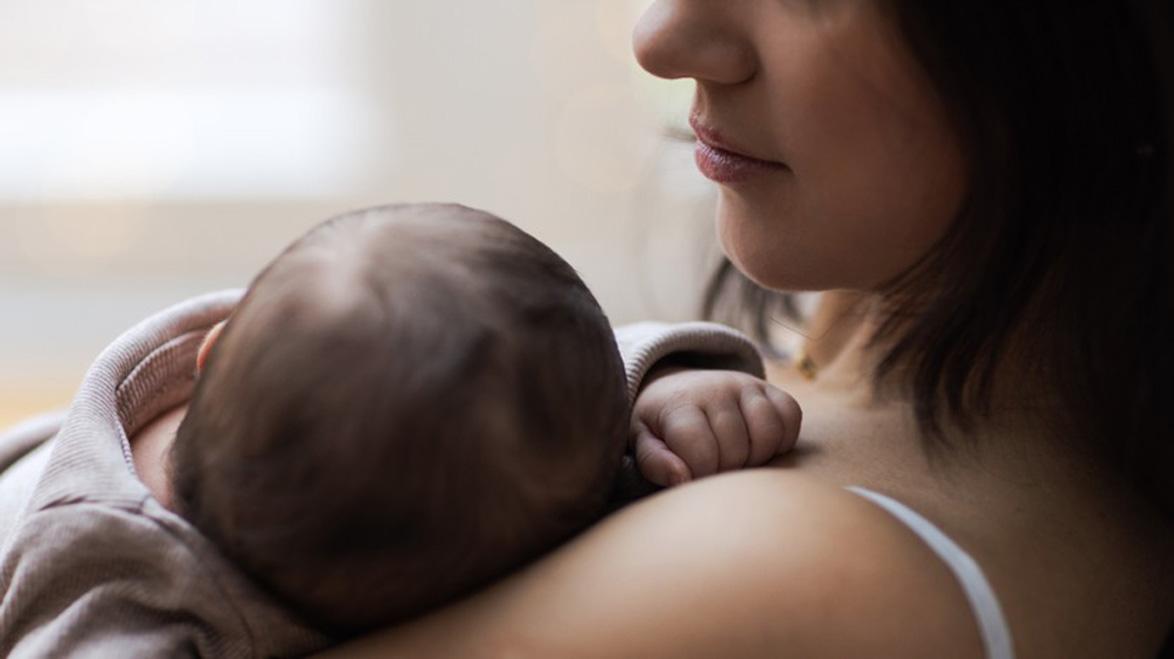
Of course, in a children’s story, this detail means nothing. It is simply part of the narrative rhythm. Yet when we read it again through the lens of everyday life, it begins to resemble something very familiar. Across cultures, households, and generations, we have often seen the same quiet pattern repeated. The father’s needs are urgent. The children’s needs are precious. But the mother’s needs quietly wait until everyone else has been taken care of. And sometimes, by the time she returns to her own plate, the food has gone cold. This is not merely about porridge in a fairy tale. It is about an unspoken expectation that has shaped the lives of women for centuries.
- We have all seen the small, ordinary moments that reflect it.
- The mother who serves food to everyone at the table before she finally sits down.
- The woman who takes the smallest portion and insists she is not hungry.
- The wife who postpones her own ambitions to support the careers of others in the household.
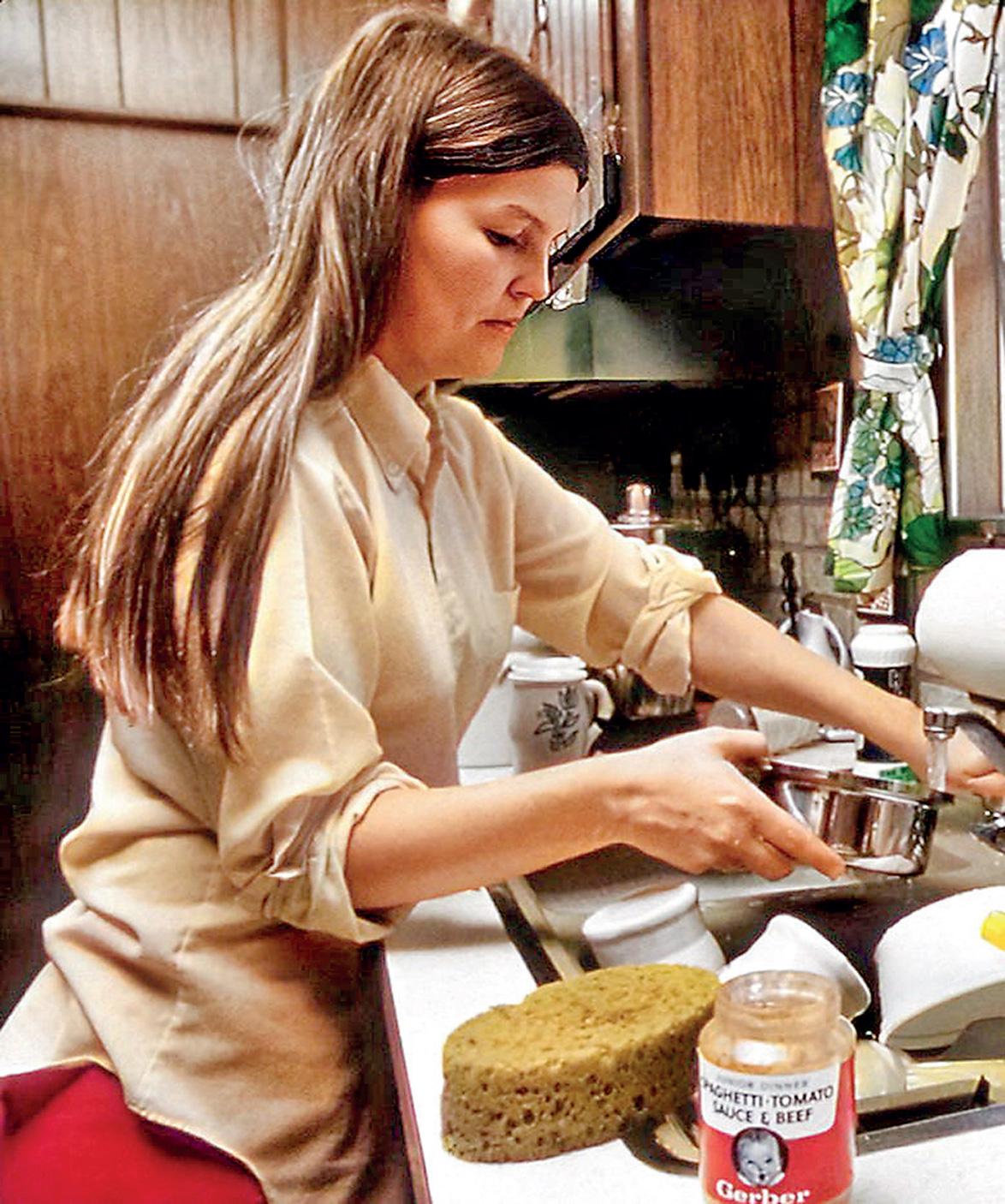
None of these gestures appear dramatic. They are often performed quietly, even lovingly. Many women themselves insist that they do it willingly. But willingness does not erase the pattern. In many households, the mother’s plate is often an afterthought. She cooks, she serves, and she makes sure everyone else is comfortable. By the time she sits down, the food has gone cold, just like Mommy Bear’s porridge. And yet, it is not something we question. It is simply something we accept. Women’s Day arrives every year with bright flowers, discounted spa packages, social media posts, motivational quotes, and cheerful advertisements celebrating “the strength of women.” Corporations suddenly remember women exist. Brands turn their logos purple. Restaurants offer a “special Women’s Day menu.” Offices organise small ceremonies with cupcakes and a few polite speeches.
And then the next day, everything quietly returns to normal. Perhaps that is why some of us struggle to take this celebration entirely seriously. Because if a society truly valued women, would it need a single day to remind itself to do so? It is easy to celebrate women symbolically. It is harder to confront the quiet, everyday habits that still place them second. The statistics I mentioned earlier about Gen Z men might surprise some people. After all, Gen Z is often portrayed as the most progressive generation, the generation of social awareness, activism, and equality. Yet when asked whether a wife should always obey her husband, nearly one third agreed. This is not a statistic from the 1950s. This is today.
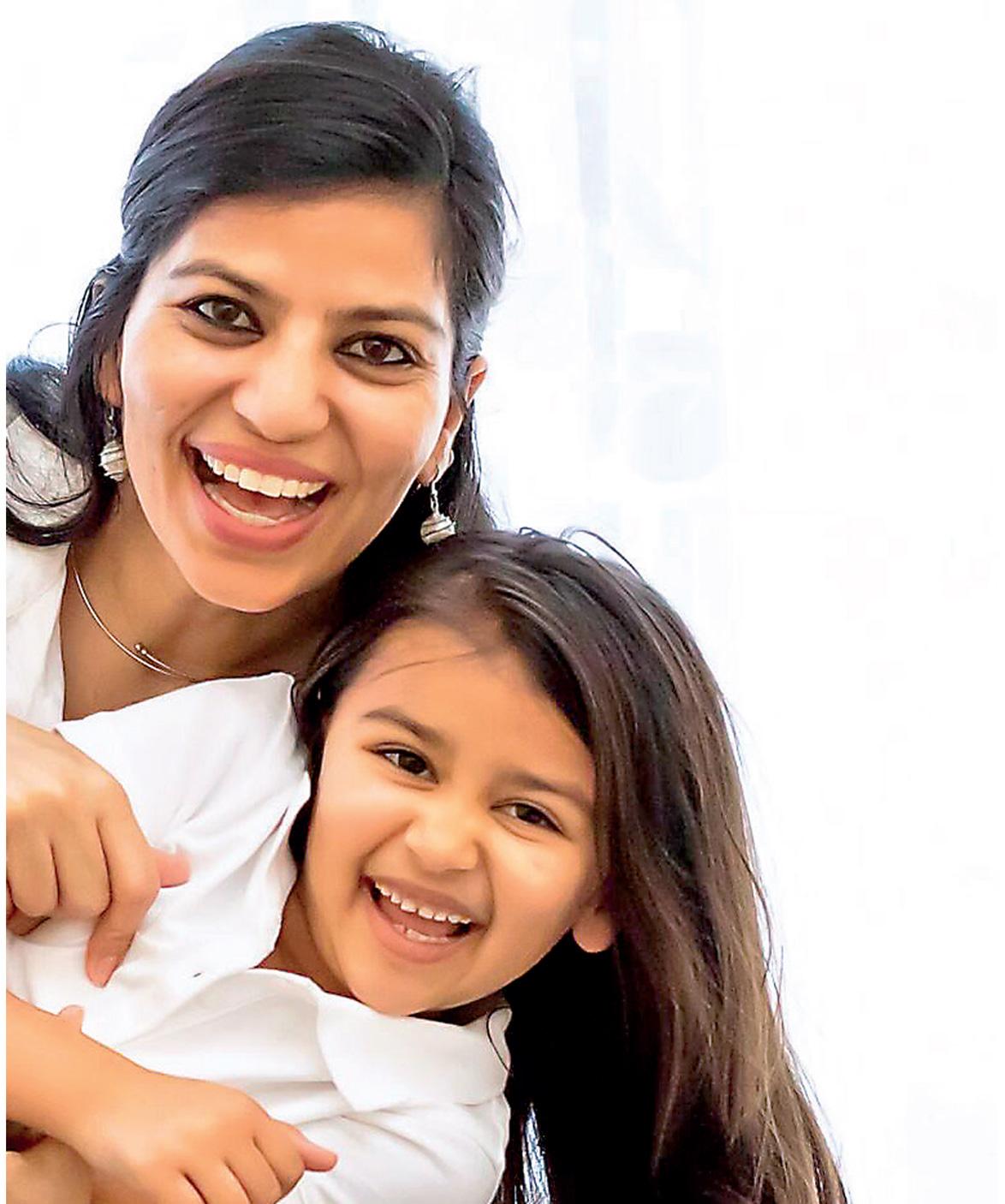 The interesting question is not merely why such attitudes still exist, but how quietly they continue. They are rarely expressed in dramatic declarations anymore. Instead, they exist in smaller, subtler ways. In expectations. In assumptions. In traditions that nobody bothers to question. For instance, when a family gathers for dinner, who automatically gets up to refill everyone’s plates? Who clears the table even after working the entire day? Who remembers birthdays, school meetings, doctor appointments, grocery lists, and the thousand invisible responsibilities that hold a household together? These tasks rarely appear in grand discussions about equality. Yet they shape everyday life more than any speech or slogan ever could. We live in an era where women are encouraged to pursue education, careers, independence, and ambition. And rightly so. Women today are doctors, engineers, writers, entrepreneurs, scientists, politicians, and leaders across every imaginable field.
But there is an unspoken expectation that quietly follows them home. They must succeed professionally. And still carry the invisible weight of everything else. A woman can work the same hours as her partner, earn the same salary, and still return home to what sociologists often call the “second shift”: cooking, cleaning, childcare, and emotional labour. None of this is particularly dramatic. No protests. No headlines. Just cold porridge. And perhaps that is the most effective way inequality survives, not through loud oppression, but through quiet normalisation. It begins early. Children observe the patterns around them long before they fully understand them. A little girl notices who cooks dinner every night. A little boy notices who gets served first. Nobody explicitly teaches them these roles; they simply absorb them. Stories, cartoons, advertisements, and everyday conversations reinforce the same message in subtle ways.
- The father is tired after work.
- The mother is responsible for the home.
- The father deserves rest.
- The mother manages everything.
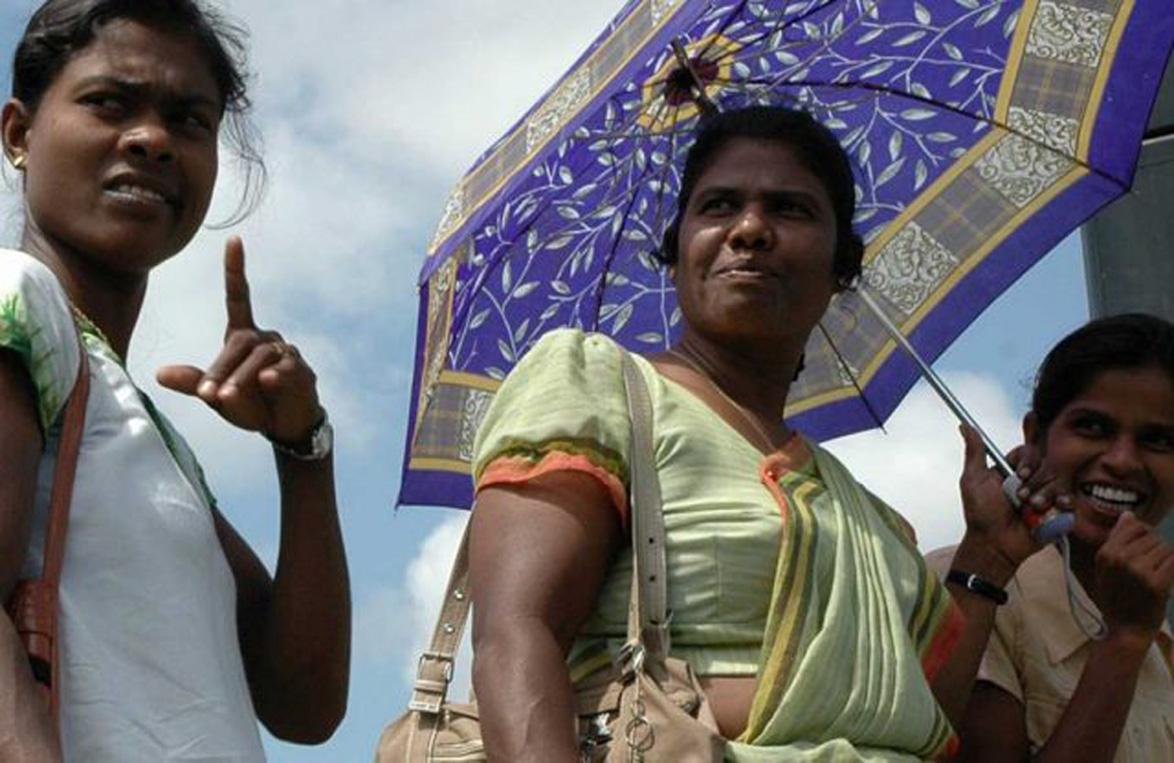
Of course, this does not apply to every family. Many households today share responsibilities far more equally. Many fathers cook, clean, and actively participate in parenting. Many mothers pursue demanding careers and leadership roles. But the cultural script still lingers in the background. That is why the image of the cold porridge feels oddly symbolic. Women’s Day celebrations sometimes feel similar. A grand moment of appreciation that arrives once a year, while the deeper questions remain untouched.
- Do we truly value women’s time?
- Do we truly respect their autonomy?
- Do we truly share responsibilities equally?
- Or do we simply decorate the idea of women once every March?
Marketing campaigns have become incredibly skilled at packaging empowerment. Slogans about strength, independence, and confidence fill our screens. Brands proudly declare their support for women while simultaneously benefiting from industries that still rely heavily on female labour, beauty standards, and consumer pressure. It is not that celebrating women is wrong. Recognition is important. But recognition without reflection becomes performance. Perhaps the real purpose of Women’s Day should not be celebration at all. Perhaps it should be discomfort.
- A day where we ask questions that are not entirely comfortable to answer.
- A day where we examine the small habits that quietly shape our society.
- A day where we notice the cold porridge.
Because real change rarely begins with dramatic revolutions. It begins with awareness, with noticing the patterns that previously felt too ordinary to question. It begins with a father serving his own plate. With a son learning to cook dinner. With a husband understanding that partnership means participation, not supervision. And with a society that recognises women not as occasional symbols of admiration, but as equal participants in everyday life. Until then, Women’s Day risks becoming what many holidays eventually become: a carefully packaged reminder that lasts for exactly twenty-four hours. And then the porridge goes cold again. Perhaps the real question we should ask ourselves after Women’s Day has passed is quite simple. Who is still eating last? And why? I have also heard a familiar question surface every year around this time. Some people argue, “Why don’t we have a day dedicated to men?” Yes. Why? Do we really need to celebrate a day for men? It is an interesting question, but perhaps not for the reason it is usually asked. Because the real point of Women’s Day was never about creating a competition between men and women. It was not designed as a festival where one gender receives flowers while the other waits for its turn. Historically, the day emerged to highlight inequalities that women faced in areas such as voting rights, labour conditions, and political participation. In other words, it existed because something was missing.
When women marched, protested, and demanded recognition over a century ago, they were not asking for a bouquet of roses or a discounted lunch. They were asking for something far more fundamental: the right to be seen as equal participants in society. So, when someone asks, “Where is Men’s Day?”, the question unintentionally reveals something quite telling.
Men have never needed a day to be recognised in most societies because their presence in positions of authority, leadership, and decision-making has historically been the norm. The structures of power, from politics to religion to corporate leadership, were largely built with men at the centre. Recognition was already embedded in the system. That does not mean men do not face struggles. They certainly do. Mental health challenges, societal expectations of masculinity, pressure to provide, emotional isolation, these are serious issues that deserve attention and compassion. But acknowledging these realities should not require dismissing or competing with conversations about women’s rights. Equality is not a limited resource. When one group receives attention, it does not mean another group loses it. Yet the question about “a day for men” often appears not as genuine concern for men’s wellbeing, but as a reflexive response whenever women’s issues are discussed, almost like an instinctive interruption. Imagine attending a discussion about improving road safety and someone suddenly standing up to ask, “But what about airplane safety?” Yes, airplane safety matters too. But that was not the discussion we were having.
The same logic applies here. Conversations about women’s rights do not exist to diminish men. They exist to highlight experiences that have historically been overlooked, underestimated, or normalised. And perhaps that is exactly why the cold porridge metaphor feels so fitting. Nobody intentionally decided that Mommy Bear should eat last. No one in the story openly declares that her breakfast does not matter. It simply happens quietly, almost naturally, without discussion. That is often how inequality survives. Not through loud declarations of superiority, but through quiet habits that nobody thinks to question. Perhaps that is the real challenge after Women’s Day passes, not the hashtags, not the marketing campaigns, not even the speeches. But the small moments inside homes, offices, classrooms, and relationships. Who speaks the most during meetings? Who gets interrupted more often? Who carries the invisible emotional labour? Who is expected to adjust? These questions rarely trend on social media. They are too subtle, too ordinary, too embedded in daily life. But they are precisely where change begins. Because equality, much like the porridge in that old childhood story, is not about being too hot or too cold. It is about finally being just right.