THE LONELIEST GENERATION: CONNECTION, COMPARISON AND THE QUIET COST OF SOCIAL MEDIA

BY SHALEEKA JAYALATH
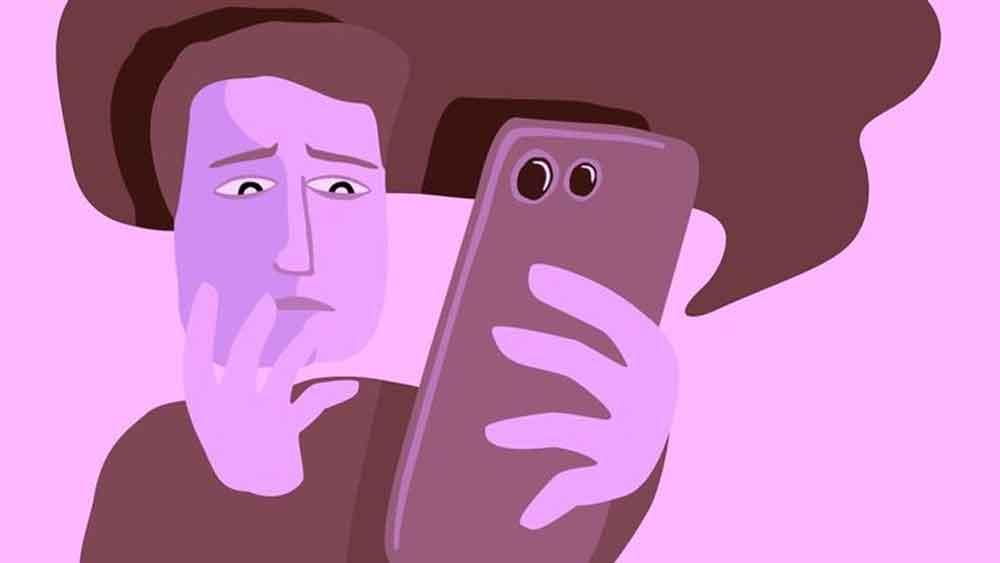
If doomscrolling has quietly altered how teenagers think, social media has equally transformed how they feel. For all the promises of connection made by the digital age, the emotional landscape of adolescence has become increasingly complicated. Teenagers today are able to communicate with more people, more quickly, than any generation before them. Messages travel instantly. Photographs appear within seconds. Entire conversations unfold across screens throughout the day. And yet, many young people report feeling more isolated than ever.
The paradox is difficult to ignore. A teenager may exchange hundreds of messages in a day, maintain multiple online conversations simultaneously, and still experience an underlying sense of loneliness. Because what appears to be connection is, in actual fact, a constant exchange of short interactions that rarely develop into the kind of relationships that sustain emotional wellbeing. Real relationships require time, attention and presence. They involve listening, interpreting tone, observing expressions, and responding with empathy. Digital communication, by contrast, is often stripped of these subtleties. Messages are brief to the point of being acronyms. Emojis and random stickers end up being a substitute for emotions. Misunderstandings arise easily, and reassurance is often sought through immediate replies. The expectation of instant response has created its own quiet anxiety. When a message remains unanswered, teenagers frequently begin to question the relationship itself. Silence becomes suspicious. A delayed reply can feel like rejection. In an environment where communication never truly stops, even brief pauses can feel unsettling.
Alongside this constant communication runs another powerful psychological force: comparison. Social media has effectively turned adolescence into a public stage. Friendships, achievements, holidays, celebrations and even moments of ordinary life are photographed, edited and displayed. What appears on screen is rarely the full story; it is the highlight reel, the most flattering version of events. But teenagers viewing these images are rarely reminded that they are witnessing a performance. Instead, they see what looks like evidence that everyone else is happier, more successful, more socially connected. And the mind begins to fill in the gaps. A photograph of friends standing outside a cinema becomes proof that one was not invited. A group picture from a party suggests that others are living a more exciting life. A classmate’s academic success quietly fuels self-doubt. None of these conclusions may be accurate, yet the emotional impact can be very real. Psychologists have given this experience a name: the fear of missing out, or FOMO. It is the persistent feeling that life is happening elsewhere and that one is somehow absent from it. For teenagers whose identities are still forming, such comparisons can be particularly powerful. Adolescence has always involved a search for belonging, but social media has amplified the process dramatically. Instead of comparing themselves with a small circle of classmates or neighbours, teenagers now compare themselves with hundreds of peers, and worse, with influencers and celebrities whose lives are carefully curated to appear effortless and extraordinary. The result is, more often than not, a gradual erosion of self-confidence.
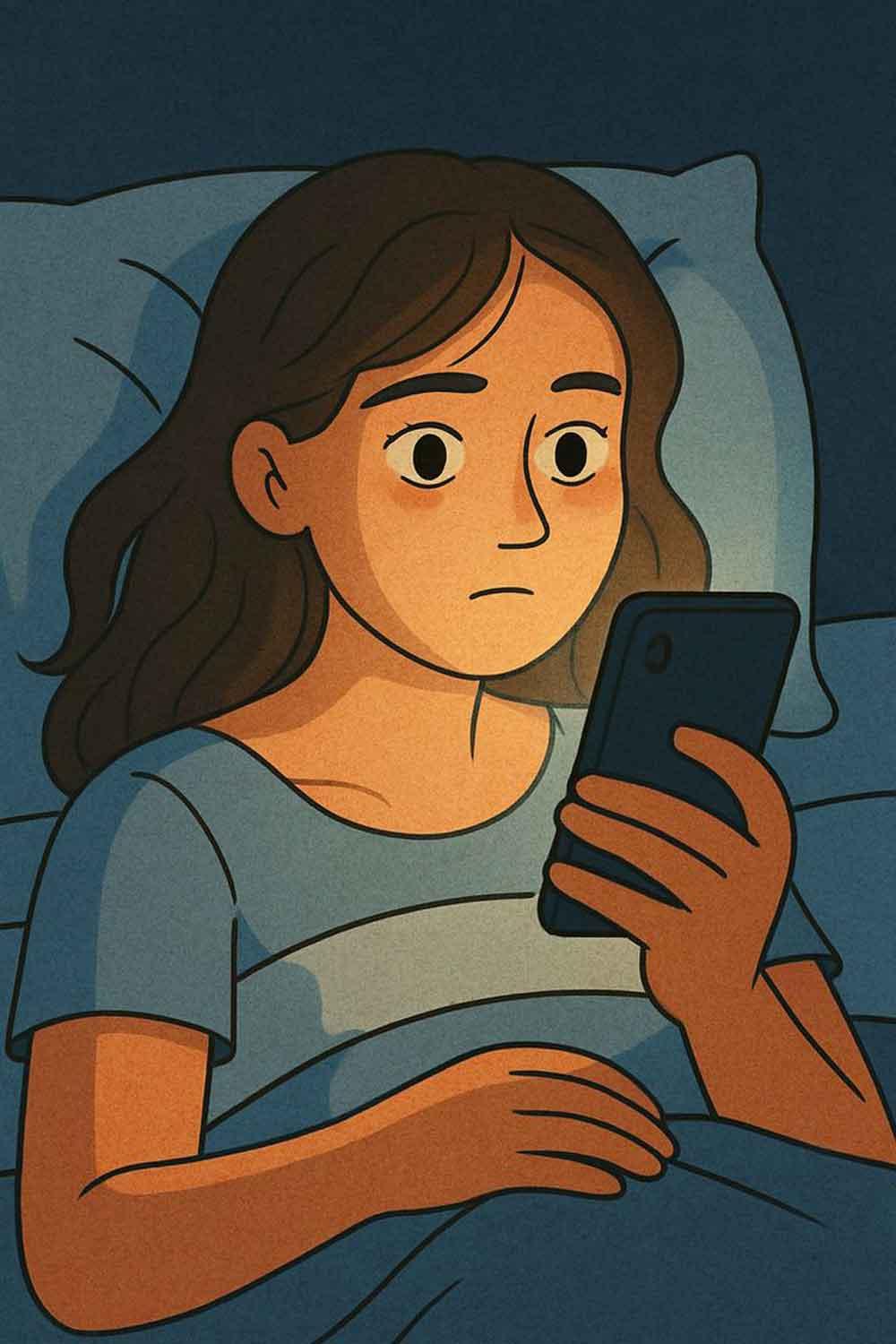
Peer pressure, too, has evolved in the digital age. Where once it might have been confined to the playground or classroom, it now extends into online spaces that operate around the clock. Messages, comments and posts can be shared, reshared and preserved indefinitely. Cyberbullying, in particular, has become one of the darker consequences of this digital environment. Unlike traditional bullying, which ended when the school day ended, online harassment follows teenagers home. The phone in their pocket becomes the vehicle through which criticism, exclusion or ridicule continues long after the classroom is left behind.
The emotional toll of such experiences should not be underestimated. Anxiety, depression and low self-esteem have increasingly been linked to excessive social media use among adolescents, particularly when online interaction begins to replace real-world relationships.
None of this means that technology itself is inherently harmful. Social media can provide genuine opportunities for connection, creativity and self-expression. It allows young people to discover communities that share their interests, learn about the wider world, and maintain friendships across distance. The challenge lies in how these platforms are used. When social media becomes the primary space in which teenagers measure their worth, seek validation and interpret their place in the world, it begins to exert a powerful influence over emotional wellbeing.
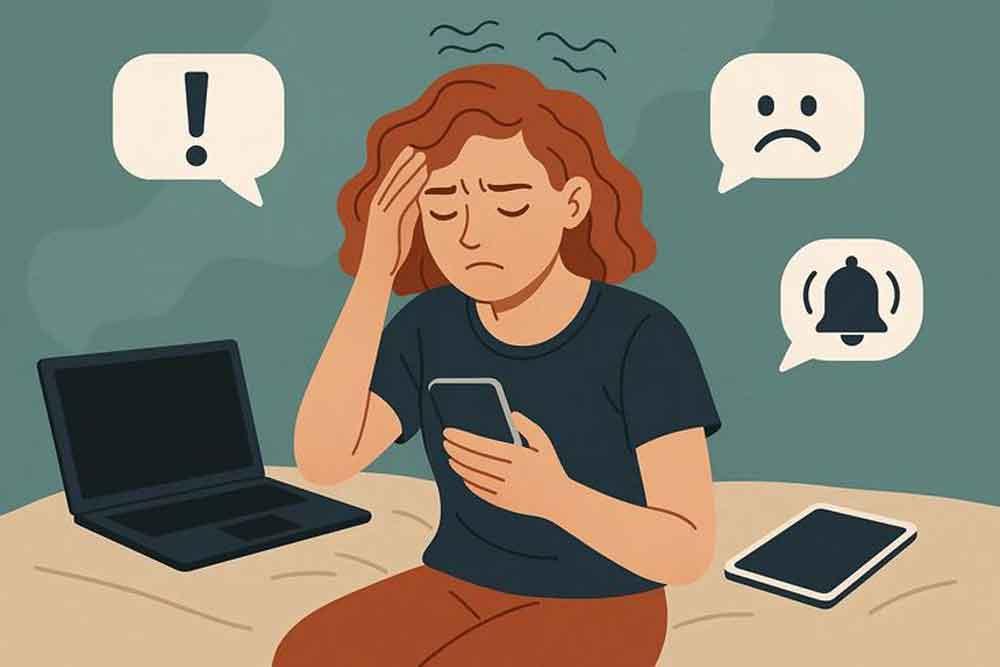
This is where parents and educators face a difficult but essential task. Simply banning devices is unlikely to succeed in a world where digital communication is woven into everyday life. What young people need instead is guidance, not merely about how to use technology responsibly but also about how to maintain a healthy relationship with it. Encouraging face-toface interaction, setting reasonable limits on screen time, and modelling balanced digital habits at home can also make a significant difference. Perhaps most importantly, adults must create spaces where teenagers feel safe discussing their experiences online without fear of dismissal or judgement. For behind the endless notifications and carefully curated profiles are young minds still learning how to navigate identity, friendship and belonging.
The digital world may promise connection at every moment. But the deeper work of growing up still happens, as it always has, in conversation, in shared experiences, and in the quiet reassurance that one truly belongs.