Plot Twist: We’re the Most Dreaded History Lesson
Sometimes it hits in the most random moment. You’re scrolling through the news before bed, half-awake, half-numb to another headline about conflict, inflation, climate disasters, or technological breakthroughs. And then suddenly, a strange thought appears: Are we… living inside someone’s future history exam?
Picture a classroom in 2070. A student flipping through a textbook chapter titled “The Turbulent 2020s.” Bullet points about pandemics, wars, economic shocks, artificial intelligence revolutions, and climate tipping points. Dates to memorize. Events to summarize. Essay questions about global power shifts. For them, it will be a chapter. For us, it’s just another Tuesday. The strange thing about living through history is that it rarely feels historic while it’s happening. There are no dramatic soundtracks. No narrator explaining the significance of the moment. Instead, there are meetings to attend, bills to pay, traffic to sit through, and grocery prices quietly climbing. Life keeps moving even while the world is shifting beneath it.
Yet when we zoom out, really zoom out, it becomes impossible to ignore how unusually dense this moment in time actually is. Take geopolitics. The escalating tensions between Iran and the United States are once again shaking global stability, sending ripples through energy markets and international alliances almost overnight. What may seem like a distant conflict quickly becomes personal. When tensions rise in the Middle East, oil prices surge, shipping routes grow uncertain, and supply chains tighten. Fuel becomes more expensive, transportation costs rise, and everyday essentials, from food to clothing, begin to feel the impact. Oil tankers, sanctions, and strategic routes may sound like the language of diplomats, but they quietly determine the price of groceries, electricity, and economic stability far beyond the conflict zone.
These events might feel distant depending on where we live, but their ripple effects rarely stay contained. Global markets react instantly. Governments adjust foreign policies. Airspaces close. Trade routes shift. And suddenly, the world feels smaller, more interconnected, and more fragile than we realised. But geopolitics is only one layer of this unfolding chapter.
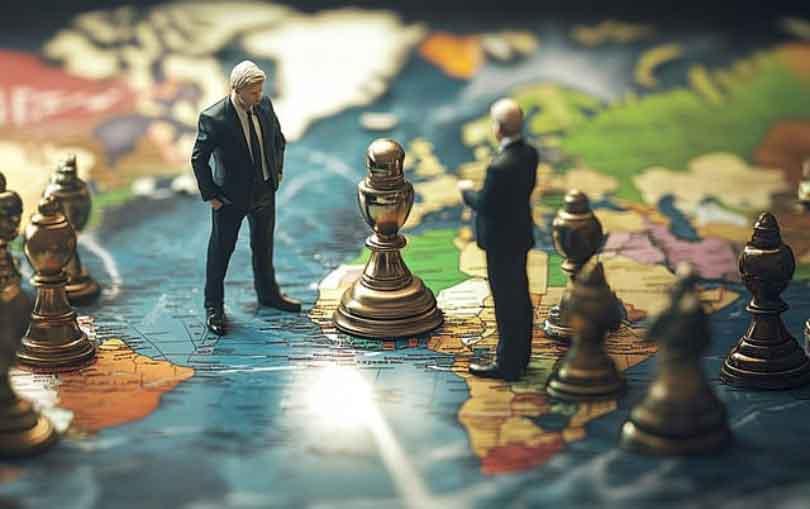
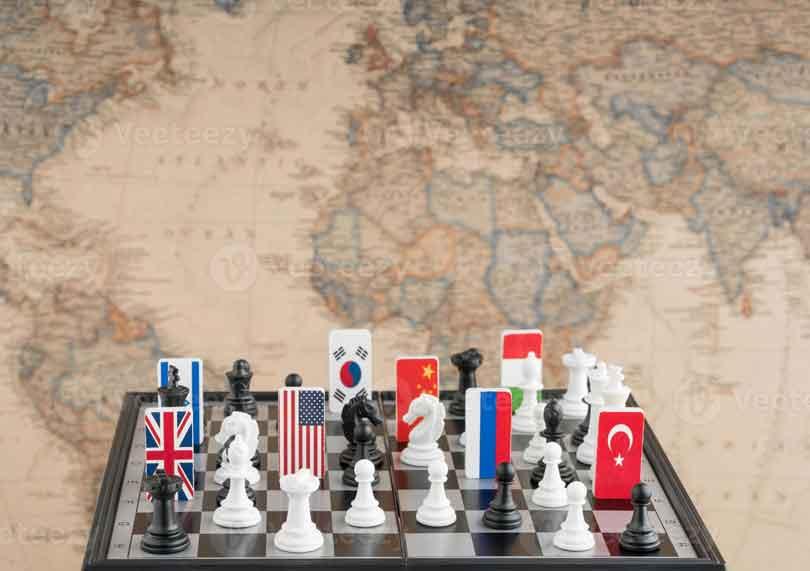
Another transformation is happening quietly but rapidly in technology. The rise of Artificial Intelligence is not just a technological upgrade; it’s a societal shift. Tools developed by organisations like OpenAI are changing how people write, design, code, research, and even think. For decades, automation has mostly replaced physical labour. Today, AI is stepping into spaces once considered uniquely human: creativity, analysis, and communication. Entire industries are trying to figure out what work looks like in an era where machines can assist with thinking tasks. Some people see opportunity. Others see uncertainty. Most of us see both. And then there’s the global power dynamic quietly evolving in the background. The strategic rivalry between the United States and China is shaping everything from trade policies to semiconductor supply chains to global diplomacy. Technology, manufacturing, military strategy, and even cultural influence are all part of this competition.
Again, this might sound like something reserved for political analysts and international relations experts. But its effects appear in everyday life, in the technology we buy, the apps we use, the goods we import, and the economic stability of entire regions. And that’s before we even touch on climate. Wildfires. Floods. Heatwaves. Droughts. Record-breaking temperatures seem to appear in headlines with unsettling regularity. Scientists have been warning about environmental tipping points for decades, but now many communities are experiencing them directly. Insurance systems are struggling to keep up with climate risks. Cities are redesigning infrastructure. Entire industries are reconsidering their environmental footprint.
For future historians, climate change will likely be a defining storyline of this era. For us, it’s the reason summers feel hotter, storms feel stronger, and conversations about sustainability have moved from activist circles into boardrooms and government policy. What makes this moment particularly strange is not just the number of events happening, it’s the speed at which we experience them. Previous generations often waited days, weeks, or months to understand global developments. Today, news travels instantly. Social media ensures that events unfolding anywhere in the world can dominate conversations everywhere within minutes.
We are constantly aware of global crises, even those far beyond our immediate control. A war in one region. A political shift in another. A financial shock somewhere else. Our minds absorb all of it, even when our daily lives continue in parallel. This constant exposure creates a sense that the world is perpetually unstable, even though humanity has always lived through turbulent periods. In fact, history is full of eras that probably felt just as chaotic to the people living in them.
The Industrial Revolution reshaped economies and labour systems. World wars redrew borders and ideologies. The Cold War created decades of global tension. Social movements redefined rights and freedoms. Each of those periods eventually became chapters in textbooks. What feels overwhelming now may later be described in neat paragraphs and simplified timelines.
But here’s the surprising part: living through a historic moment doesn’t necessarily mean living through constant catastrophe. It often means living through transformation. The 2020s, chaotic as they may seem, are also an era of extraordinary innovation and adaptation. Renewable energy technologies are advancing rapidly. Medical science continues to extend human life and improve the quality of care. Digital connectivity has allowed ideas, education, and opportunities to travel across borders faster than ever before. Even in the middle of global uncertainty, people continue to build, create, collaborate, and imagine better futures. History textbooks tend to focus on crises because crises create clear turning points. But the quieter progress happening between those turning points is just as important. And perhaps that’s the most grounded perspective to hold while living through what feels like a complicated chapter in human history.
Yes, the world is experiencing geopolitical tension, technological disruption, environmental pressure, and economic uncertainty. Yes, these forces shape our lives in ways we don’t always notice immediately. But they also represent a period of transition, a moment where old systems are being questioned, and new possibilities are emerging. Future students studying this era may see patterns we cannot yet see. They may understand which events truly reshaped the world and which ones only felt significant in the moment.
For them, it will be an analysis. For us, it’s simply life unfolding in real time. So, the next time a headline makes you pause and wonder whether you’re living inside the hardest section of someone’s future history exam, remember this: History is not just made by world leaders, wars, or economic shifts. It is also made quietly by millions of ordinary people navigating uncertainty, adapting to change, and continuing their daily lives in the middle of it all. And in that sense, every one of us is not just living through history. We’re writing it.