Kataragama Mosque: One of Sri Lanka’s Hidden Spiritual Treasures
By Shamika Ismail
An Unexpected Spiritual Journey
During the recent Vesak weekend, we had the privilege of visiting the Kataragama Mosque, an experience that can only be described as an unexpected and profoundly moving spiritual journey. What began as a simple trip connected to a charity event in Kirinda, organized by the Charities Network, evolved into an encounter with one of Sri Lanka's most fascinating and little-known religious landmarks. Our group had initially decided to visit Kataragama merely to make productive use of our time after the charity programme. We expected to see a famous pilgrimage town and perhaps experience its vibrant atmosphere. However, what we encountered was far more meaningful. We found ourselves immersed in stories of faith, history, healing and coexistence that left us deeply moved and inspired. The visit became much more than a stop along our journey. It offered us an opportunity to discover a side of Sri Lanka's spiritual heritage that remains largely unknown to many. More importantly, it reminded us that some of the country's most remarkable treasures are often hidden in plain sight, quietly preserving traditions and stories that deserve to be shared with a wider audience.
A Sacred Destination for All Faiths
Kataragama has long held a unique place in Sri Lanka's religious landscape. It is one of the few places in the country where people of different faiths gather in large numbers, each paying homage according to their own traditions while sharing the same sacred environment. Buddhists, Hindus, Muslims and devotees of various spiritual paths converge here throughout the year. This remarkable coexistence is not merely symbolic. It is a living reality witnessed daily in the town. As we walked through Kataragama, observing pilgrims from different backgrounds moving respectfully among one another, we were reminded that Sri Lanka possesses an extraordinary example of unity amidst diversity. In a world increasingly divided by differences, Kataragama stands as a powerful testament to the possibility of mutual respect and peaceful coexistence. The atmosphere within the town is unlike anything one experiences elsewhere. Despite the different rituals, customs and beliefs represented there, a sense of shared reverence unites everyone. It demonstrates that people can remain deeply committed to their own faiths while appreciating and honouring the traditions of others. This spirit of understanding is perhaps one of Kataragama's greatest strengths and one of the reasons why it continues to attract pilgrims from across the island and beyond.
An Underrated Monument of Islamic Heritage
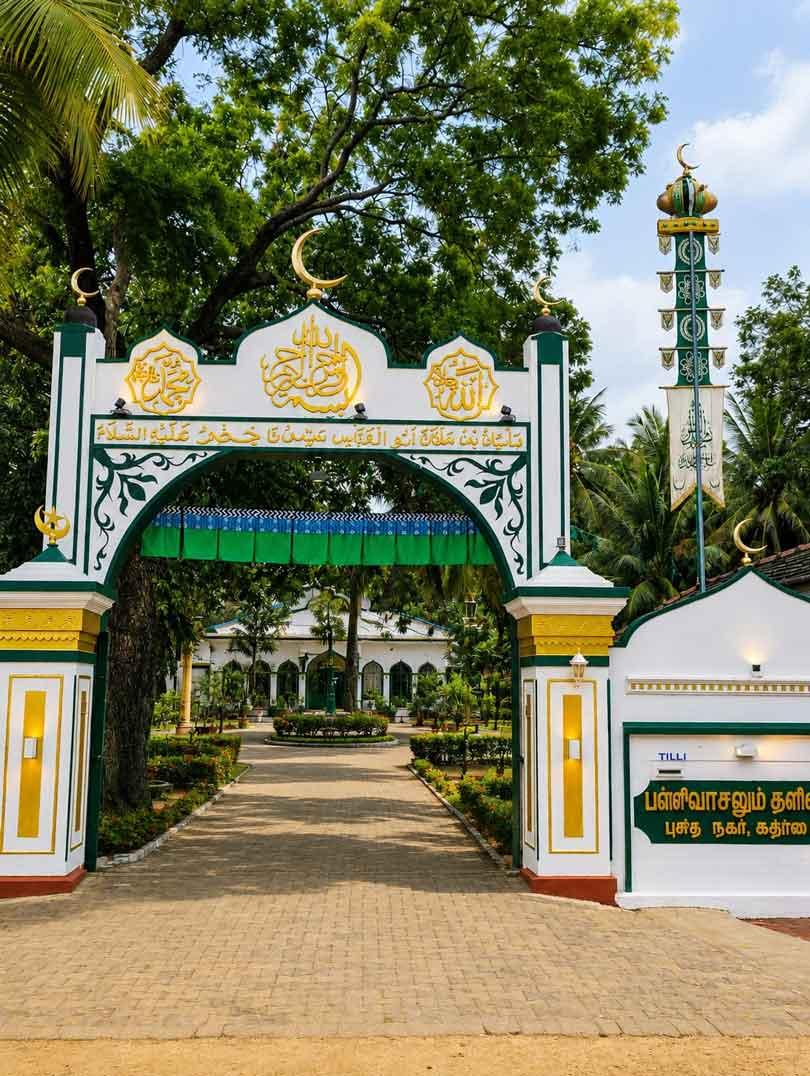
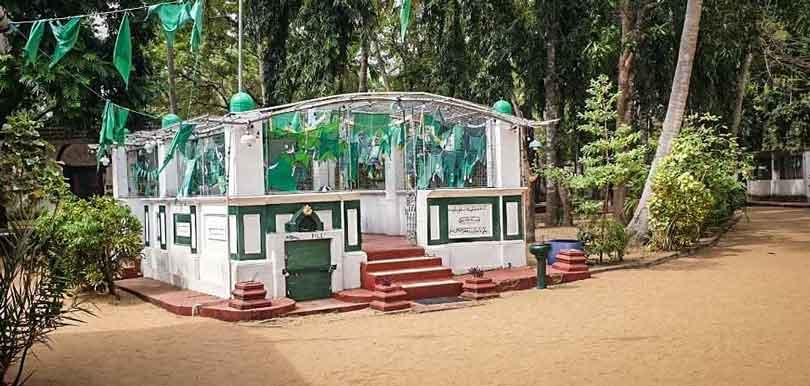
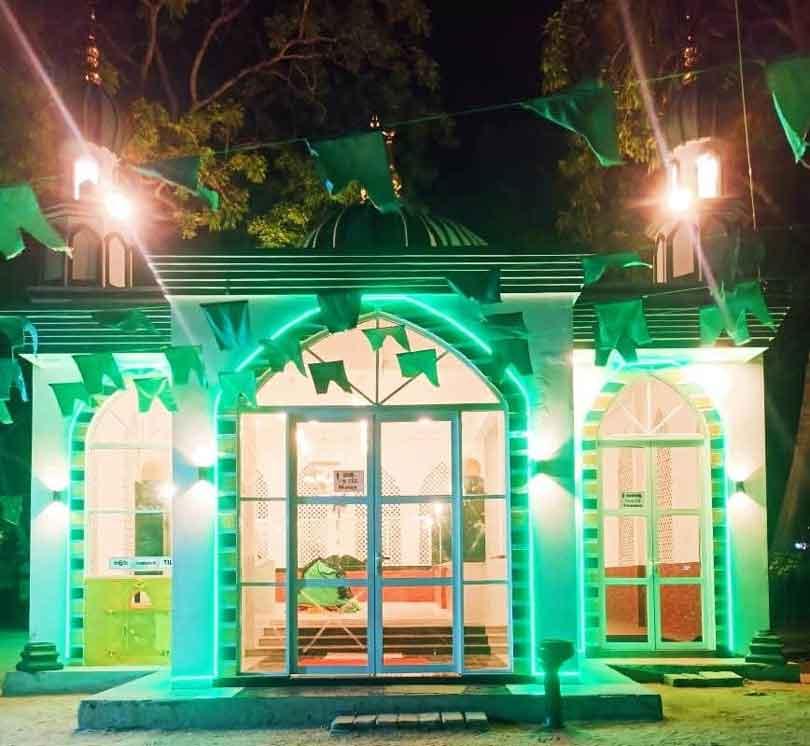
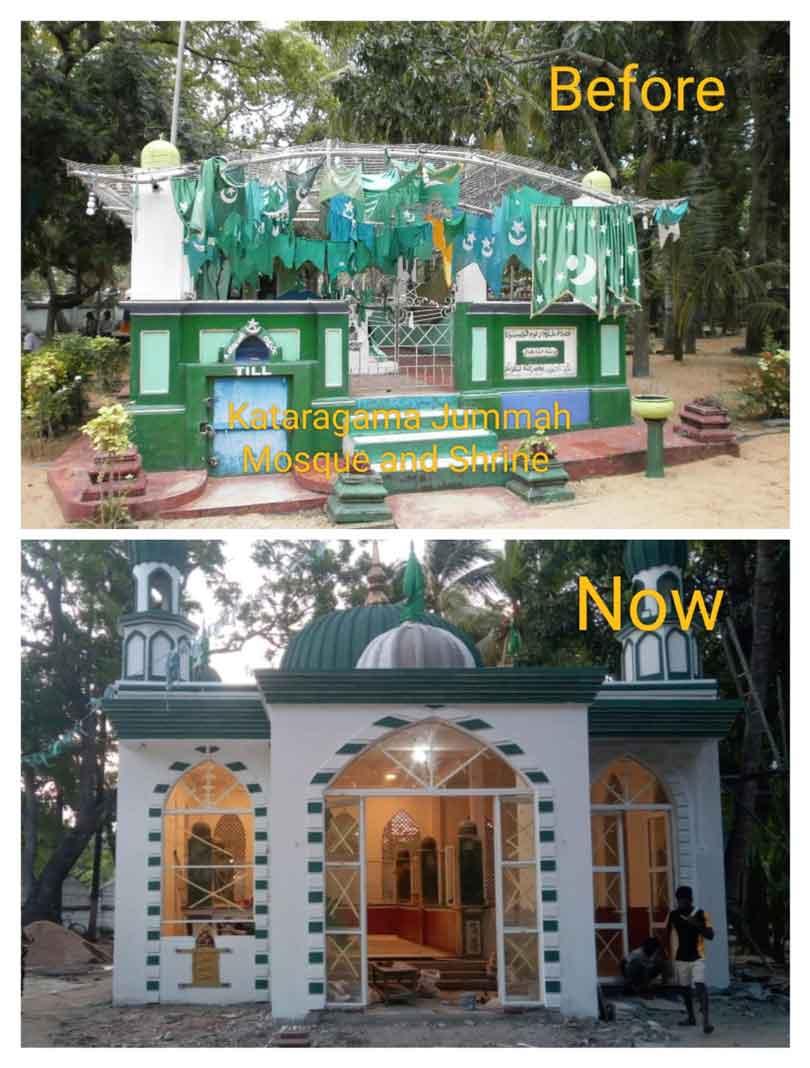
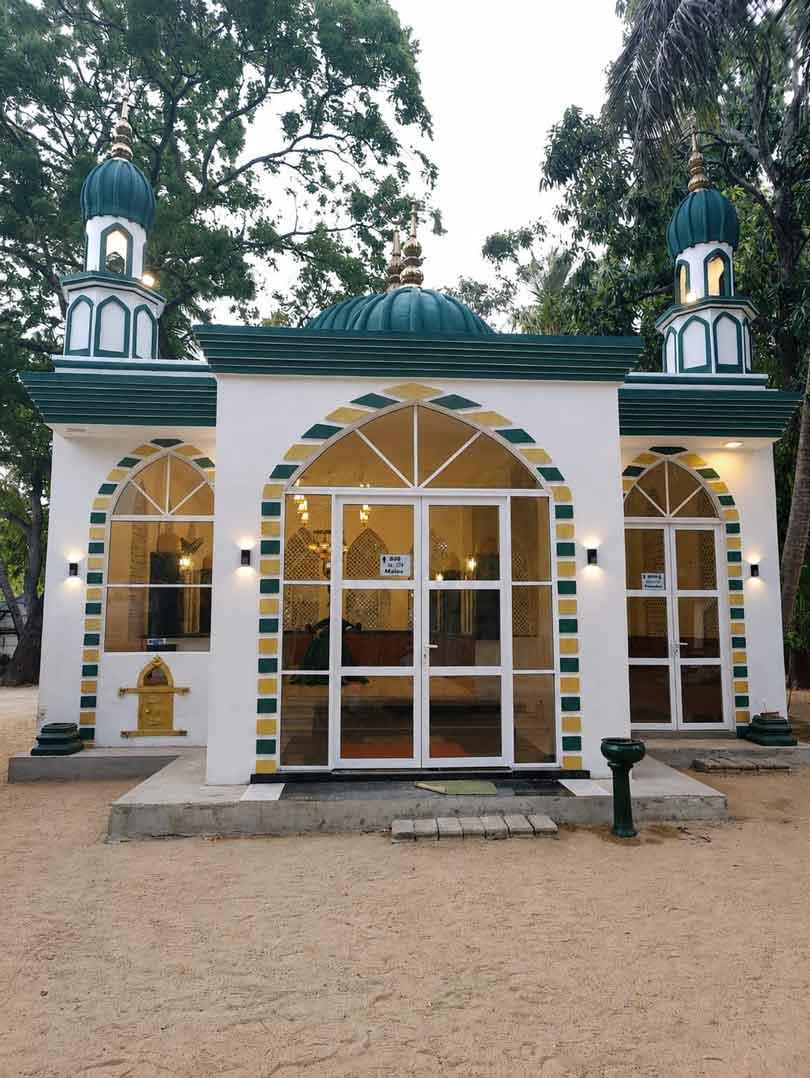
Among the many sacred sites in the town, the Kataragama Mosque and Shrine occupies a special place. While it is well known among certain circles of Muslim devotees both locally and internationally, many Sri Lankan Muslims themselves remain unaware of its significance. Known to many pious Muslims around the world as ‘Khidrgama,’ the shrine is associated with the revered figure of Al Khidr and carries a rich spiritual heritage that deserves far greater recognition. The mosque stands as an important part of the broader religious tapestry of Kataragama. Yet despite its historical and spiritual significance, it often receives less attention than other religious sites in the area. This lack of awareness makes it one of the most underrated religious monuments in Sri Lanka.
For centuries, travelers, scholars, saints and ordinary worshippers have visited the shrine seeking spiritual guidance and blessings. The site continues to maintain a special place in the hearts of devotees who view it as a center of spirituality and devotion.
Stories Preserved Through Generations
Our guide for the evening was the mosque's trustee, who welcomed us warmly and generously shared his extensive knowledge. A well-travelled individual with a deep understanding of Islamic history, hadith and culture, he guided us through the mosque premises while narrating stories that revealed the site's remarkable past. His passion for preserving and sharing this heritage was evident in every detail he shared. As we listened to his accounts, it became clear that the mosque is not merely a place of worship but also a repository of history, tradition and collective memory. Many of the stories associated with the shrine have been passed down through generations. These narratives continue to shape the identity of the site and strengthen the spiritual connection that devotees feel towards it. The trustee's dedication to documenting and preserving these accounts serves as an important contribution to ensuring that this heritage is not lost to future generations.
The Land of Al Khidr
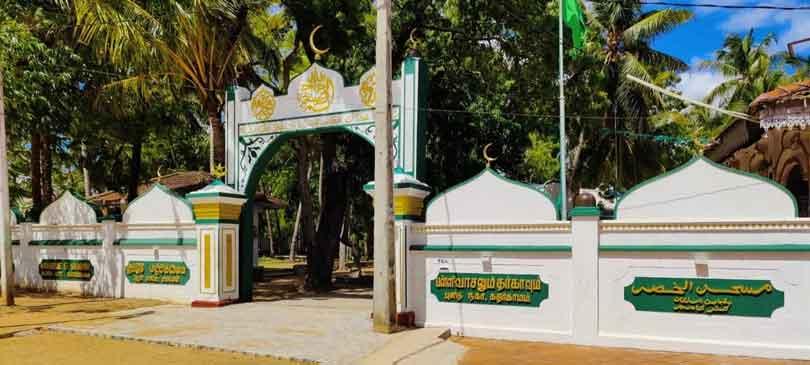
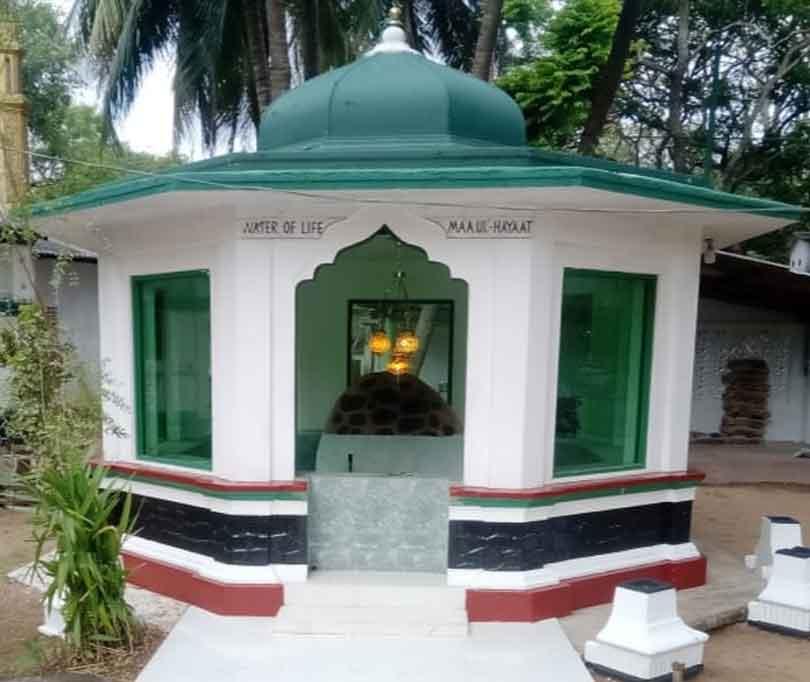
One of the most fascinating aspects of our visit was learning about the Islamic significance attached to Kataragama. According to Islamic tradition, Kataragama is referred to as the Land of Khidr. Al Khidr, often known as The Green Man, occupies a unique place in Islamic spirituality. He is mentioned in the Holy Quran, particularly in Surah Al Kahf, where he appears as a mysterious servant of Allah endowed with divine wisdom and identified as the teacher of Prophet Musa, peace be upon him. His story has inspired generations of Muslims and continues to hold a special place in Islamic thought. Islamic tradition also associates Al Khidr with the concept of Ma'ul Hayat, or the Water of Life, and he is often referred to by the title Hayat Nabi, meaning the Living Prophet. For many devotees who visit the shrine, the spiritual presence of Al Khidr is considered deeply connected to the site. Whether viewed through the lens of faith, history or spirituality, this association gives the mosque a distinctive significance unlike any other religious monument in Sri Lanka. It is this connection that has drawn pilgrims and seekers to Kataragama for centuries.
The Legacy of Hayathu and the Early Muslim Presence
The trustee explained that the earliest Islamic presence at Kataragama is linked to a pious man named Hayathu. According to local tradition, his humble dwelling gradually evolved into the mosque that stands today. Over the centuries, generations of Muslim saints, faqirs, Sufi masters and spiritual seekers are believed to have journeyed to this sacred location, drawn by its association with Al Khidr and the spiritual atmosphere surrounding it. These traditions have contributed to the enduring reputation of the shrine as a place of reflection and spiritual discovery. The continued presence of devotees from various parts of Sri Lanka and abroad demonstrates the lasting influence of these beliefs. For many visitors, the shrine represents a connection to a long and rich spiritual lineage that has been carefully preserved through centuries of devotion.
The Healing Stone and Stories of Faith
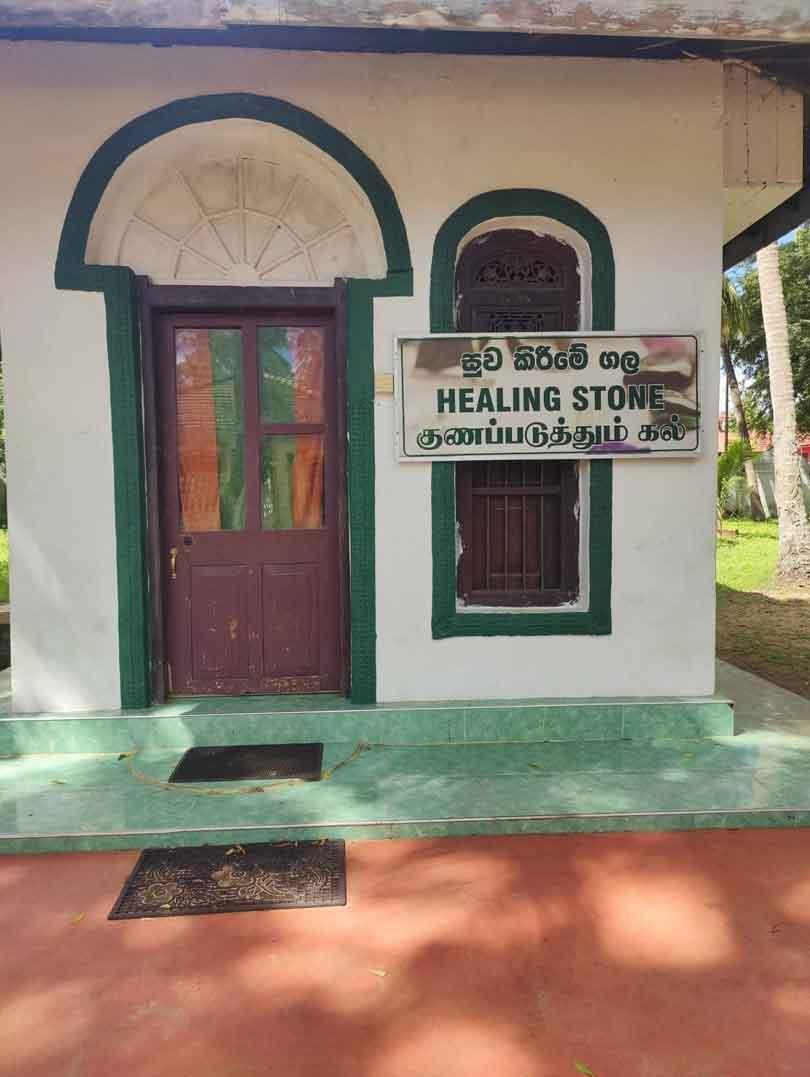
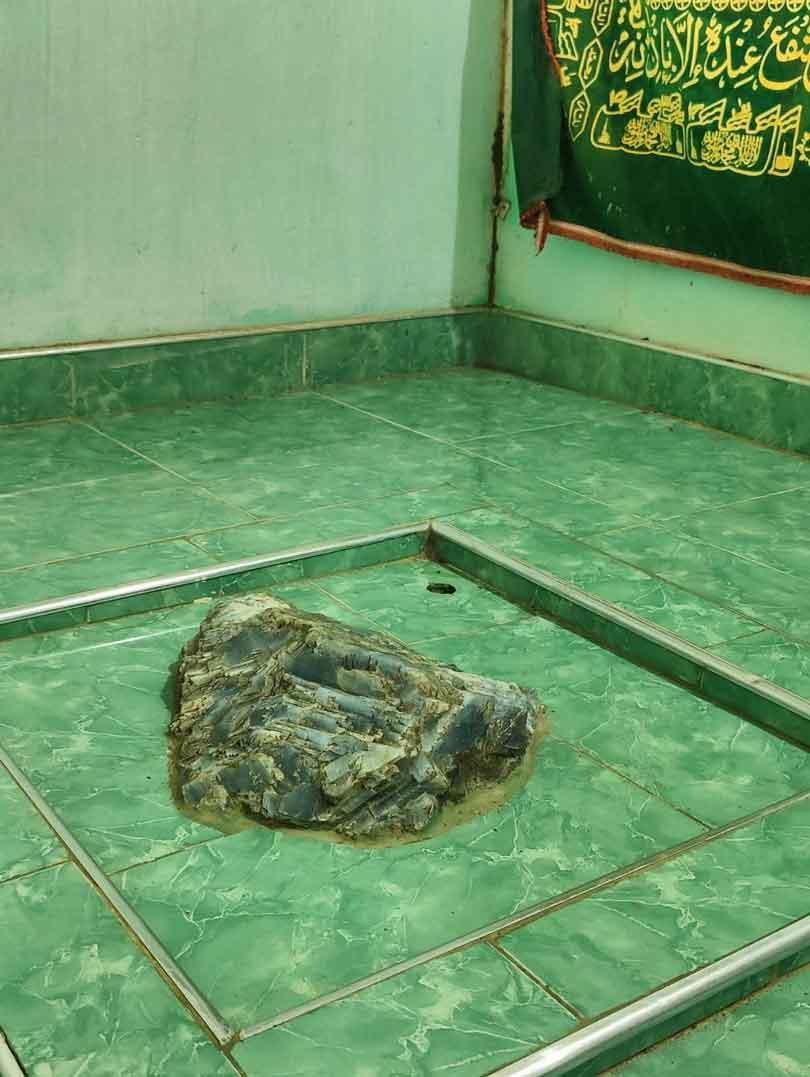
Perhaps the most intriguing feature of the mosque complex is a small room that houses a stone believed by many devotees to possess healing properties. The existence of this stone remains largely unknown to much of the Sri Lankan public. Yet people from different religious backgrounds continue to visit it, drawn by stories of healing and personal transformation that have circulated for generations. What makes the phenomenon particularly remarkable is the diversity of those who seek its blessings. The mosque welcomes visitors regardless of faith, and individuals from various communities come with prayers, hopes and personal struggles. For many, the stone represents not merely a physical object but a symbol of faith and spiritual comfort. Some arrive seeking relief from illness, while others come searching for peace, guidance or strength during difficult periods in their lives. Whether viewed through a spiritual, cultural or historical perspective, the significance of the stone lies in the hope and comfort it provides to those who visit. The stories surrounding it continue to be shared among devotees and remain an important part of the shrine's identity.
A Pilgrimage We Never Planned
As our visit drew to a close, we reflected on how unexpected the experience had been. What started as a casual detour during a charitable trip had become one of the most spiritually enriching journeys many of us had ever undertaken. Beyond the stories and historical accounts, it was the atmosphere of harmony and openness that left the deepest impression. The experience reminded us that spiritual journeys are often found in places we least expect. We departed with a renewed appreciation for the cultural and religious diversity that makes Sri Lanka unique. The visit also reinforced the importance of preserving and promoting sites that contribute to the nation's shared heritage.
A Living Symbol of Unity and Spiritual Heritage
The Kataragama Mosque and Shrine deserves to be better known, more widely visited and more deeply appreciated. It is far more than a historical monument. It is a living testament to faith, healing, tolerance and the enduring spiritual heritage of our beloved Motherland. In an age when stories of division often dominate public discourse, places like this remind us that unity, respect and shared humanity continue to thrive among us. The shrine stands as a powerful symbol of coexistence, demonstrating how people from different backgrounds can come together in mutual understanding and reverence. For those who visit Kataragama seeking spiritual fulfilment, cultural understanding or simply a deeper appreciation of Sri Lanka's unique heritage, the mosque offers an experience that is both enlightening and memorable. Hidden within one of the island's most famous pilgrimage towns, the Kataragama Mosque remains one of Sri Lanka's most remarkable yet underappreciated treasures, waiting to be discovered by many more who seek inspiration in its story.