Curious Facts: Your Brain Is Lying to You All the Time
Marian de Silva
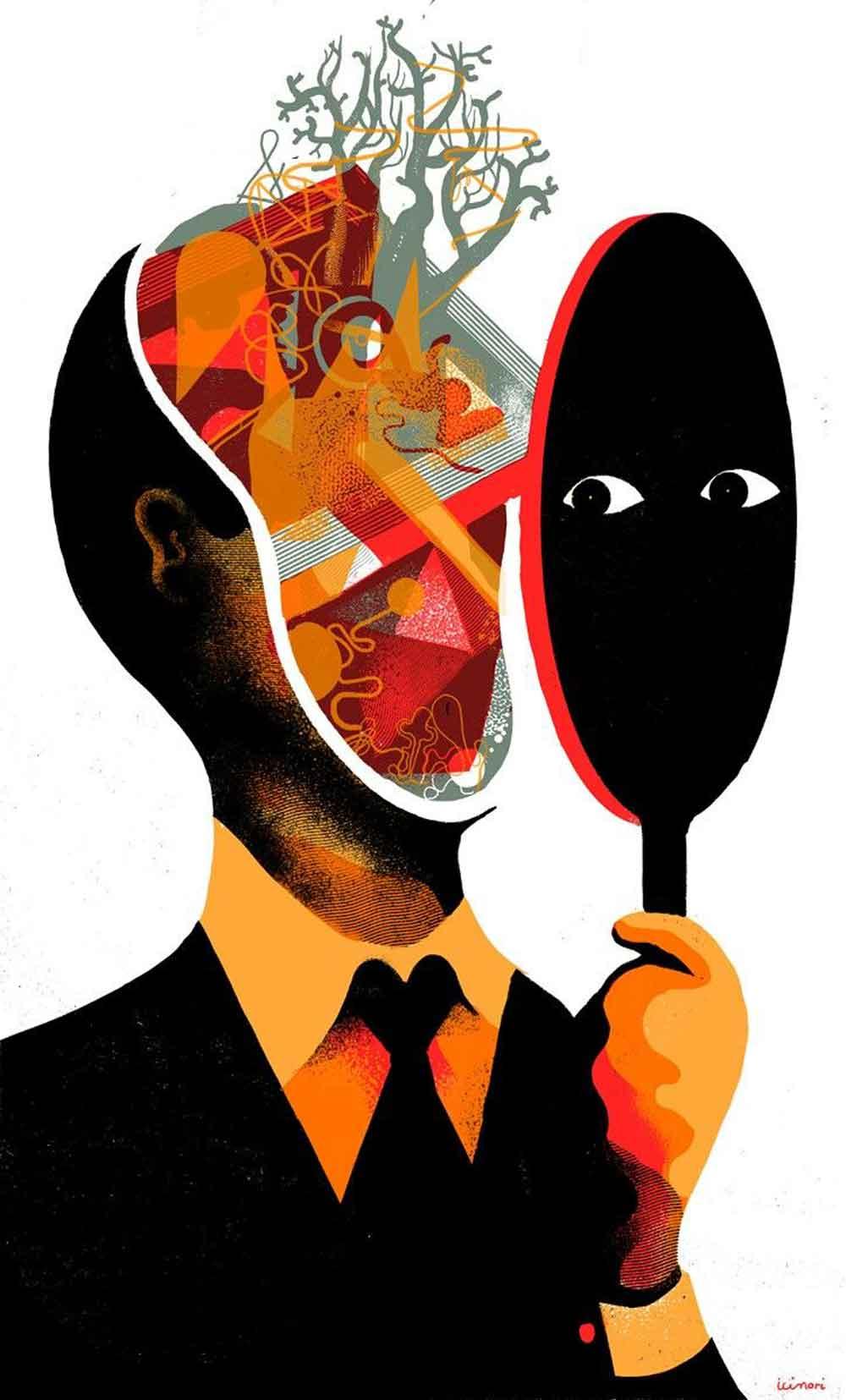
You trust your brain more than you trust almost anything else. You trust it to recognise faces, remember conversations, understand what people are saying, tell you where you are and help you make decisions. It is, after all, the organ responsible for practically everything you experience. But here is the strange part: your brain does not simply show you reality. It creates your version of it. And sometimes, it gets things completely wrong.
That sounds slightly terrifying, especially when you consider how confidently we move through the world believing that what we see, hear and remember is exactly what happened. But your brain is not a camera recording every moment with perfect accuracy. It is more like an extremely busy editor. It receives information from your senses, compares that information with everything it already knows, makes predictions, fills in missing pieces and then produces what you experience as reality. Most of the time, this happens so efficiently that you never notice it.
Take your vision, for example. You might think that your eyes continuously provide your brain with a perfectly detailed picture of everything in front of you. They do not. Your eyes collect enormous amounts of visual information, but your brain has to process and interpret it. There are gaps in your visual field, including the area where the optic nerve leaves the eye. Yet you do not walk around with a noticeable black hole in your vision. Your brain fills in the missing information based on what is around it.
This is one of the reasons optical illusions can be so fascinating. They demonstrate that seeing is not simply a matter of your eyes detecting something and your brain accepting it without question. Your brain is constantly interpreting patterns, shapes, colours, movement and depth. When the available information can be interpreted in more than one way, your brain makes its best guess. Sometimes that guess is completely different from what is physically there.
Your brain also has a remarkable ability to ignore things that are technically right in front of you. You probably do not consciously notice your nose throughout the day, despite the fact that it occupies part of your visual field. You also stop noticing the feeling of your clothes against your skin, the pressure of your shoes on your feet or the constant background sounds around you. Your senses are still receiving this information, but your brain decides that it is not important enough to keep bringing into your conscious attention.
Imagine if your brain did the opposite. Imagine being constantly aware of every sound, every texture, every smell, every sensation and every tiny movement happening around you. You would probably struggle to have a conversation because your attention would be competing with thousands of other pieces of information. Your brain protects you from this overload by filtering what it considers unnecessary.
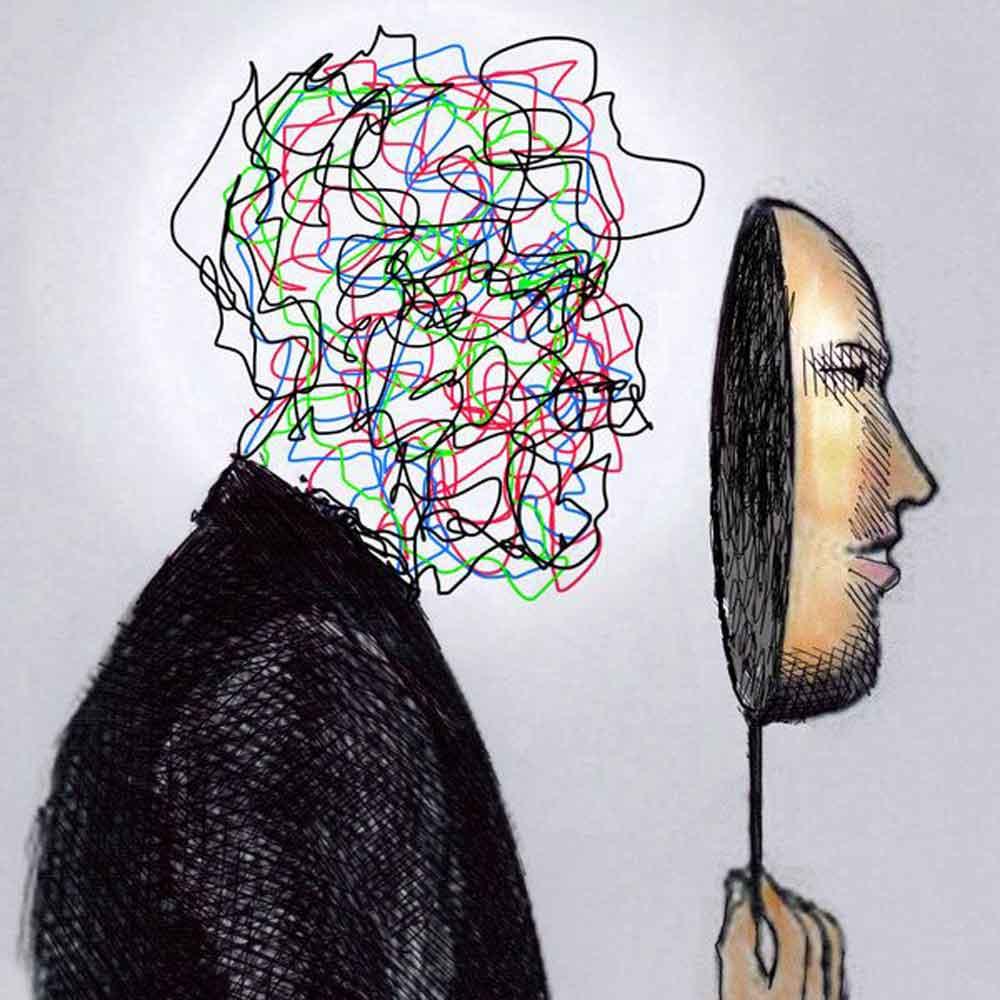
But the really interesting part is that your brain does not only filter information. It also predicts. When you hear someone beginning a familiar sentence, your brain can often anticipate what they are about to say before they finish speaking. When you walk into a room, your brain immediately makes assumptions about where objects are located and how you can move around them. When you recognise a familiar face from a distance, your brain may identify the person before you can consciously process every detail of their face.
This predictive ability is incredibly useful. Without it, everyday life would be painfully slow. Your brain would have to analyse every single situation from scratch. Instead, it uses previous experiences to make educated guesses about what is happening now. The problem is that predictions can be wrong.
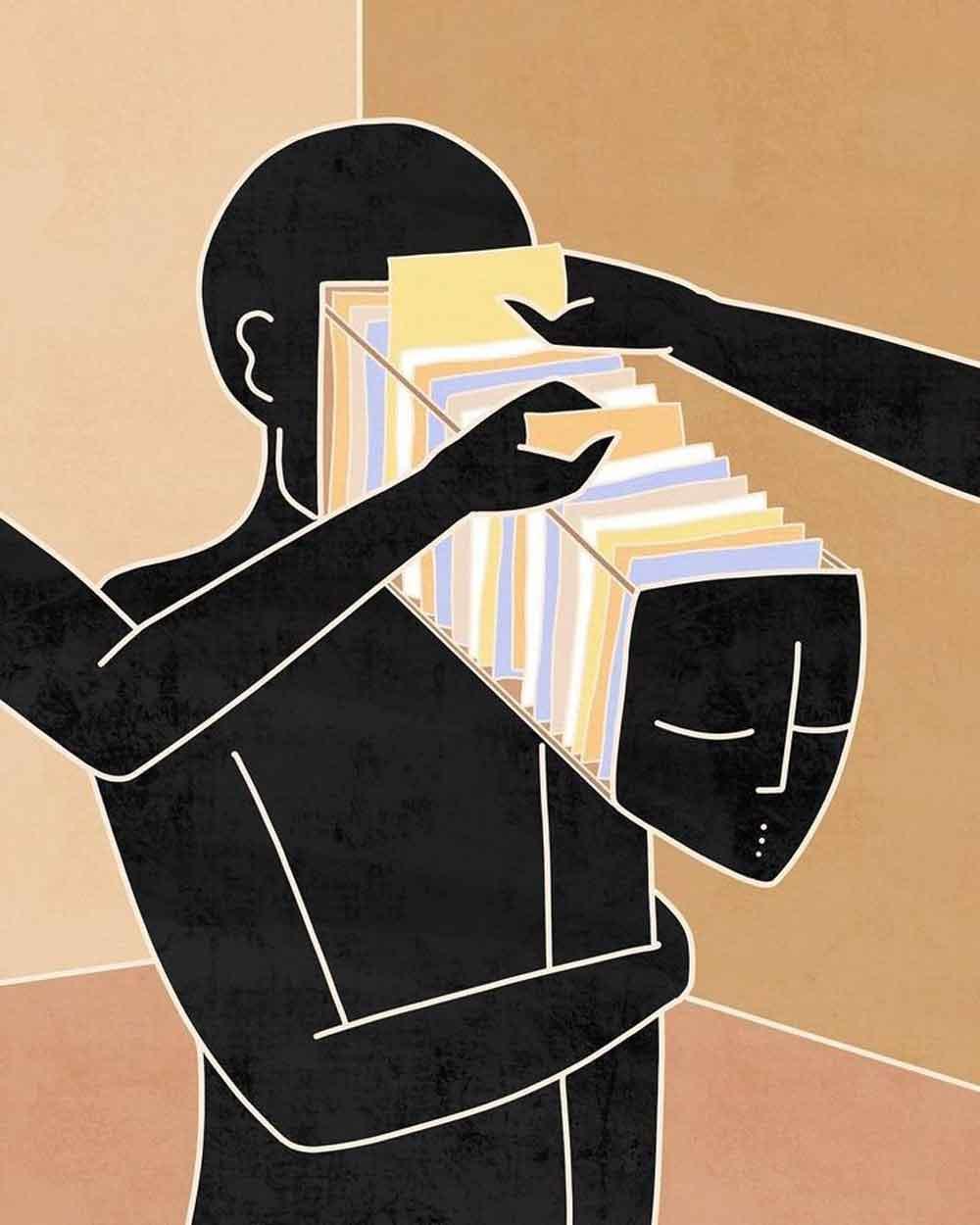
This becomes particularly obvious when it comes to memory. Most people imagine memory as a mental storage system. Something happens, the brain stores it, and later you retrieve the exact recording. Unfortunately, human memory does not work quite like that.
Every time you remember something, your brain reconstructs the memory. It uses fragments of the original experience, information you have learned since then, emotions, expectations and other memories to rebuild what happened. That means memories can change over time without us realising it.
You can therefore be completely confident about something that did not happen exactly the way you remember it. Confidence does not automatically equal accuracy. This is one reason eyewitness testimony can be complicated. Someone can genuinely believe they saw a particular person, object or event while still being mistaken. They are not necessarily lying. Their brain has simply reconstructed the experience differently from what actually happened. And your emotions can influence this process too. A frightening experience may feel incredibly vivid because of the emotional impact it had on you. Yet vividness does not guarantee perfect accuracy. Your brain remembers what it considers important, but it does not promise to preserve every detail exactly as it occurred.
Your brain can even make you believe you noticed something that you never consciously saw. One of the most famous demonstrations of this is inattentional blindness. When people are concentrating heavily on one task, they can completely fail to notice something obvious happening directly in front of them. In the well-known “invisible gorilla” experiment, participants were asked to focus on people passing a basketball. A person in a gorilla suit walked through the scene, and a significant number of participants failed to notice the gorilla because their attention was focused elsewhere.
The important lesson is not that people have poor eyesight. They do not. The information can enter their visual field without becoming part of their conscious experience. Seeing something and consciously noticing something are not necessarily the same thing.
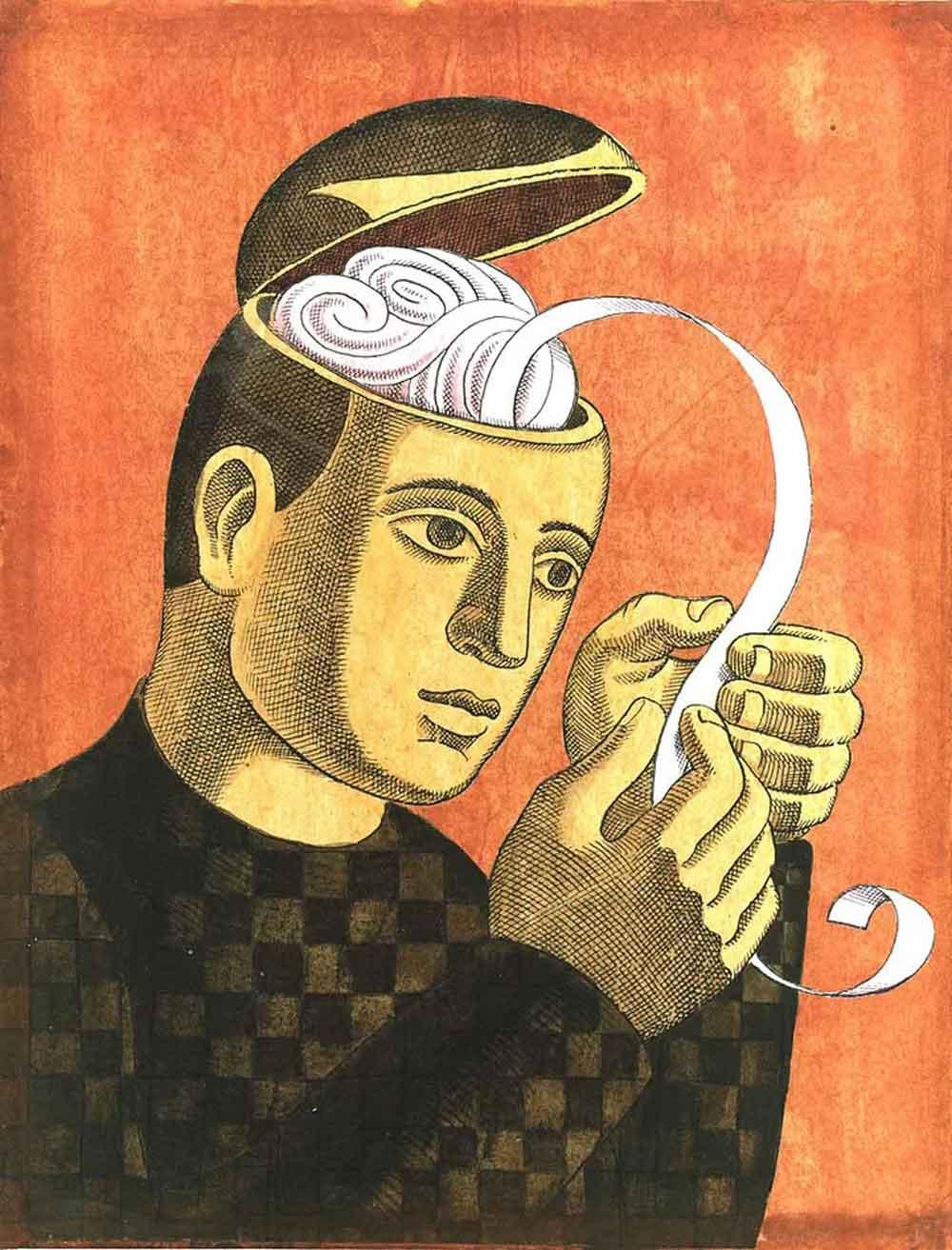
Think about how often this happens in everyday life. You can walk through a familiar street without remembering every shop you passed. You can read a page and realise you have no idea what you just read because your mind wandered. You can be speaking to someone while simultaneously thinking about something completely different. Your brain is receiving information, but your attention determines what becomes important enough to reach your conscious awareness. And perhaps this is why two people can experience the same event and walk away with completely different versions of what happened.
Each person's brain brings its own expectations, experiences, emotions and assumptions into the situation. We like to think that we are simply observing the world as it is, but we are actually interpreting it through everything we have already experienced. This does not mean that reality is imaginary or that you cannot trust anything you perceive. It simply means that perception is more complicated than it feels. Your brain has evolved to help you navigate the world efficiently, not to provide you with a perfectly objective documentary of every moment.
In fact, this strange ability is part of what makes the human brain so powerful. The same system that can create illusions, distort memories and miss obvious details also allows you to recognise patterns, imagine possibilities, understand language, predict events and make sense of an incredibly complicated world.
Your brain is constantly working behind the scenes, making thousands of decisions about what deserves your attention and what can be ignored. It is filling gaps you never knew existed, predicting what might happen next and using the past to interpret the present. So, the next time you are absolutely certain that you saw something, remembered something perfectly or understood exactly what someone meant, perhaps pause for a second. Your brain may be telling you the truth. But it may also be giving you its best interpretation of the truth. And the strangest part is that you usually have no idea it is happening. You simply experience the final version and call it reality.