THE COFFEE IS NOT THE POINT: PARENTING, ASPIRATION AND GROWING UP IN MODERN COLOMBO
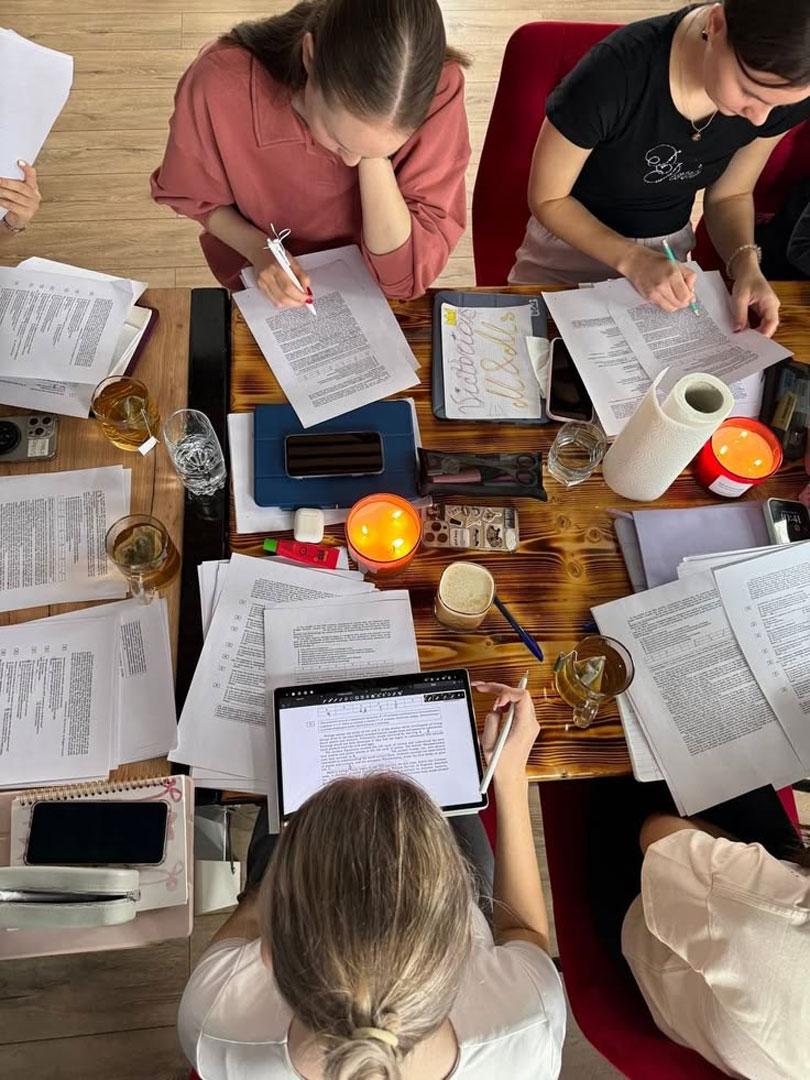
It is increasingly apparent when one walks into a café in Colombo after school hours have ended that the city’s students are not necessarily going home. They are sitting at tables with laptops open, notebooks spread out, textbooks beside them and, more often than not, a frappucino or iced coffee within reach. They are not necessarily there to socialise. They are studying. And increasingly, they are choosing to study somewhere other than home.
The immediate question, particularly for parents, is a fairly practical one: who’s paying the bill? Because studying over coffee sounds wonderfully sophisticated until somebody starts adding up the coffees (and the rupees!). If a student is spending several hundred rupees every time they sit down to study, several times a week, the cost of the environment can quickly become considerably greater than the cost of the education itself. But perhaps we are asking the wrong question. Perhaps the more interesting question is not why students are buying coffee to study, but why they feel they need to leave home in order to learn. And the answer may have surprisingly little to do with coffee.
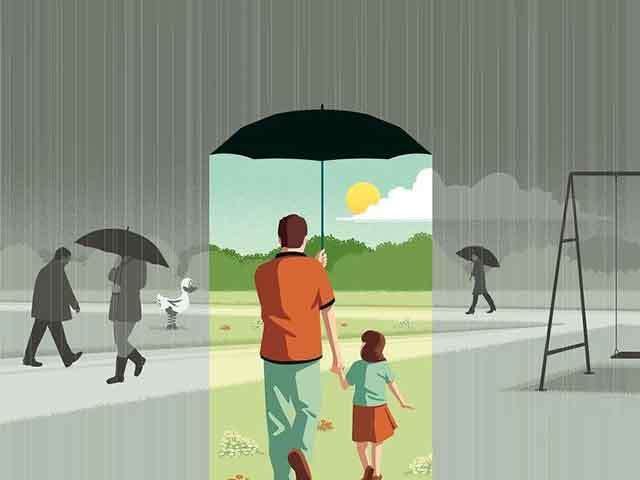
There is something happening here that is larger than Colombo’s growing café culture. It is about a changing urban society and, more importantly, a changing generation. The child who once came home from school, changed out of school uniform and disappeared into a bedroom to do homework is not necessarily the same child we are raising today. Young people are growing up in a city that offers them more places to go, more experiences to consume and more opportunities to construct an identity outside the home. Home is no longer automatically the centre of their social, intellectual and recreational lives.
That change is not necessarily a bad thing. But it is a change, and parents who refuse to recognise it risk creating a generational distance that has very little to do with age.
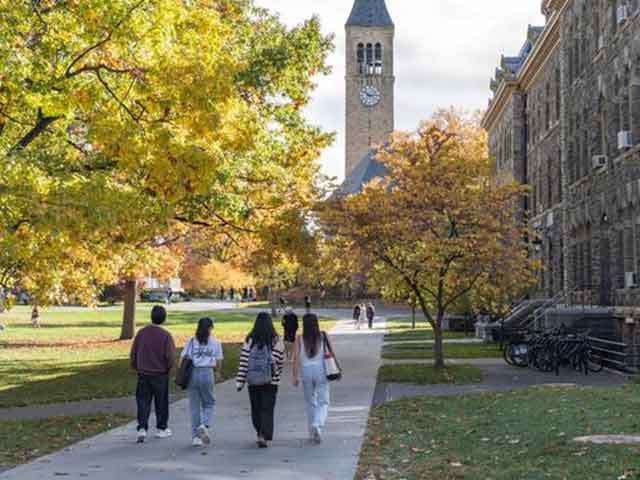
There was a certain simplicity to urban life in Sri Lanka that many of us remember. A walk along the beach could constitute an evening out. A picnic in a park was an occasion. A book could provide an entire afternoon. Children could ride bicycles, meet friends, sit under a tree, play a game or simply wander around talking, without anyone having to spend very much money at all. A change of environment did not necessarily require a change of lifestyle.
There is something worth remembering about that simplicity, without romanticising the past. Earlier generations did not necessarily have better childhoods simply because they had fewer choices. They had different choices. The beach was the beach. The park was the park. The experience did not need to be packaged, photographed or purchased in order to be considered worthwhile.
Today’s young people inhabit a very different world. The modern Colombo teenager has grown up surrounded by images of experiences. Social media has transformed not merely how young people communicate but how they understand what life can look like. Cafés, restaurants, coworking spaces, travel, fashion and leisure are no longer simply places or activities. They have become part of an aspirational vocabulary. The environment itself can become a statement.
This is where we need to be careful. Is the student sitting in a café genuinely concentrating better, or does studying in a café simply look like the kind of life he or she wants to lead? Is the coffee necessary, or is it the ritual surrounding the coffee that creates the psychological shift? Is the young person seeking productivity, independence and a change of environment, or has productivity itself become something that must be performed in an aesthetically pleasing setting? The answer, of course, may be all of the above.
We should not dismiss the genuine psychological benefit of changing environment. Not every student can study effectively at home. For some, home means noise, interruptions, siblings, television, phones, household responsibilities or simply the psychological association of the bedroom with sleep rather than concentration. Not every student is suited to a library either. Some find the silence oppressive; others need a little movement and background activity to remain focused. For such students, leaving home can be a deliberate study strategy rather than an indulgence.
There is a reason that people are increasingly talking about studying smarter rather than studying harder. Sitting at a desk for six hours does not automatically constitute six hours of learning. A student who spends two highly focused hours in an environment that encourages concentration may achieve considerably more than one who spends an entire afternoon at home moving between a textbook and a mobile phone.
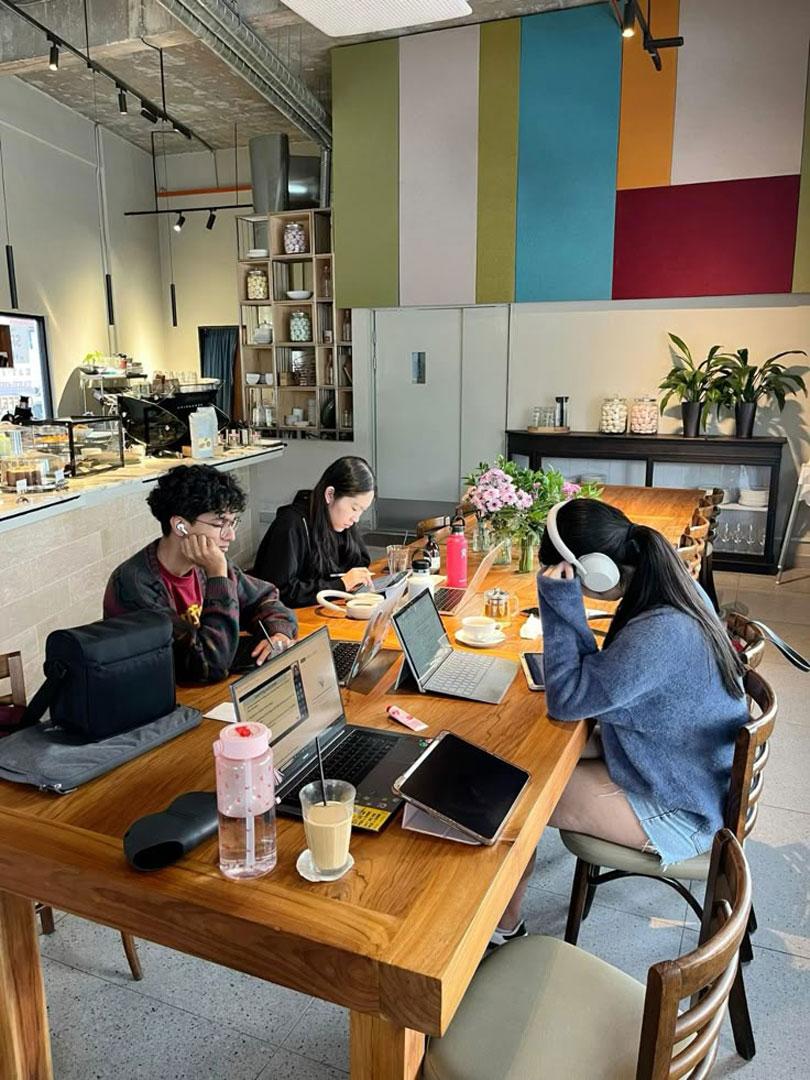
The same is increasingly true of adults. Walk through Colombo’s cafés during working hours and the students are joined by professionals with laptops, people conducting meetings, freelancers working remotely, readers sitting quietly with books and individuals simply looking for somewhere other than home or office to think. The café has become something of an urban hybrid: part workplace, part social space, part reading room and part refuge. Perhaps that tells us something important about modern Colombo. We are becoming a city that increasingly values environments as much as destinations. People are not merely asking where they can eat or drink. They are asking where they can work, study, meet, read, think, create or simply be.
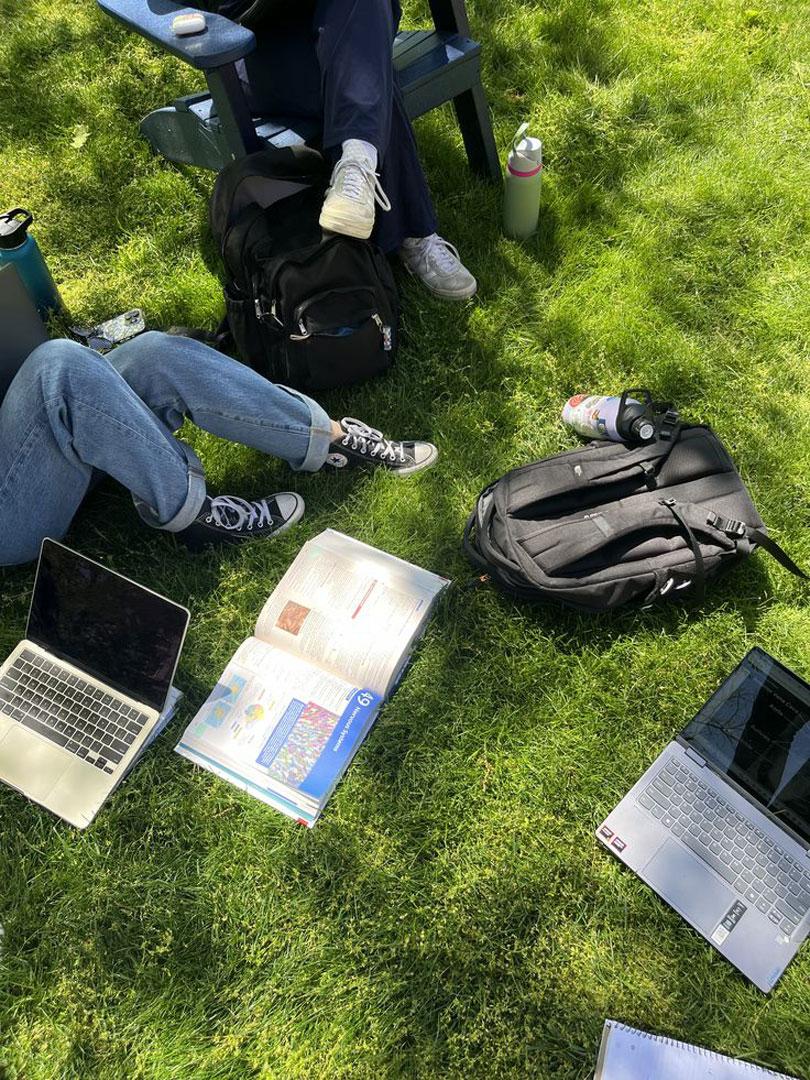
But there is another question we must ask: how much of this is genuine need and how much is aspiration?
There is nothing wrong with aspiration. Young people should want more for themselves. They should experience different environments, discover new places and learn to move confidently through the world. But aspiration becomes problematic when we begin to believe that ordinary experiences are no longer enough.
Perhaps this is where the older generation has something valuable to offer. Not a lecture about how much better things were “in our day”. Not an insistence that children should be satisfied with whatever we were satisfied with. And certainly not a condemnation of cafés, technology or modern lifestyles. Rather, an understanding that the human need beneath all of this may not have changed very much at all. Children still need stimulation. They still need companionship. They still need independence. They still need novelty, movement, conversation and a change of environment. They still need places where they can think. What has changed is the form in which those needs are being expressed. The answer, therefore, may not be to tell today's young people to return to yesterday. Perhaps it is to give them the best of both worlds. Take them for coffee if they enjoy it. But also take them to the beach. Have the picnic. Walk through the park. Sit somewhere and talk without a phone between you. Give them experiences that do not come with a bill.
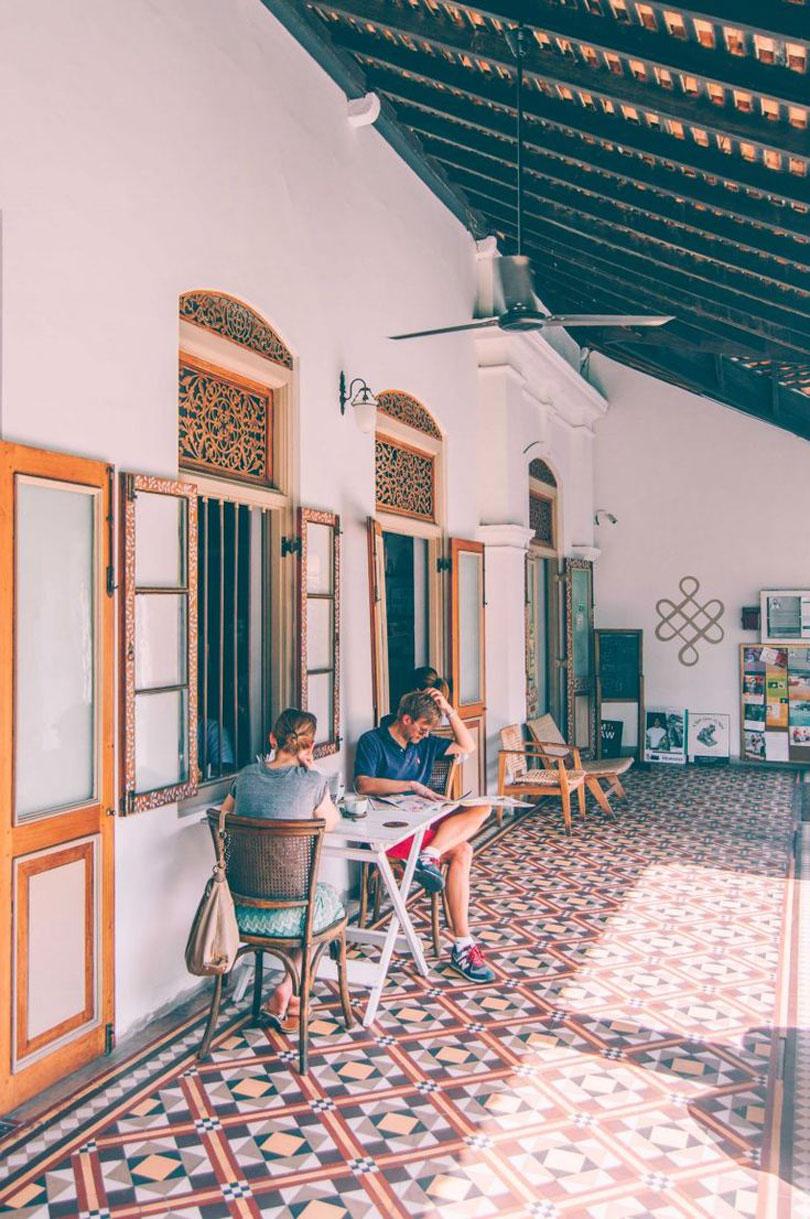
And perhaps parents need to understand that if they want to remain connected to their children, they cannot insist that the world should continue to look the way it did when they were young. Parents do not necessarily have to choose between surrender and prohibition. There is a middle ground. If a child genuinely believes that studying in a café helps, allow the experiment, but introduce boundaries. Give them a reasonable pocket-money allowance rather than an openended budget and let them decide whether that coffee is worth the cost. In doing so, parents are teaching something more valuable than whether a café is an appropriate place to study: they are teaching budgeting, choice and consequence. And if the study session runs late, an offer to pick them up can provide independence without abandoning parental responsibility. The message becomes, “I trust you to make choices, but I am still here.” Perhaps that is the balance modern parenting needs more of.
Parental responsibility is not to approve of every new habit; rather, it is to understand it. The student in the café may be spending money on a cup of coffee. But perhaps what he or she is really buying is a change of environment, a sense of independence and the psychological permission to concentrate. Perhaps the adult doing the same thing is looking for exactly that. And perhaps the real lesson for parents is not that children today have become too demanding. It is that the world has changed, and with it the ways in which young people find space to learn, work, socialise and breathe. The coffee is not necessarily the point; the environment is.
And perhaps, somewhere between the café of today and the park bench of yesterday, there is a lesson worth rediscovering: sometimes we do not need more things. We simply need a different place in which to see the things we already have.