WHEN THE MUSIC IS ALIVE: NAADHA GAMA AND THE POWER OF BEING PRESENT
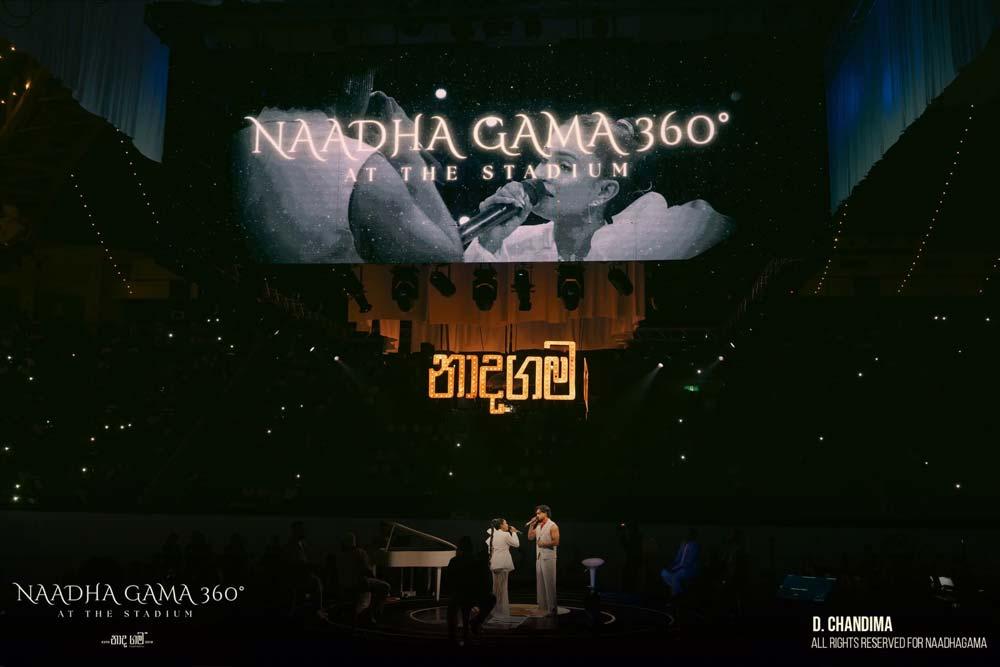

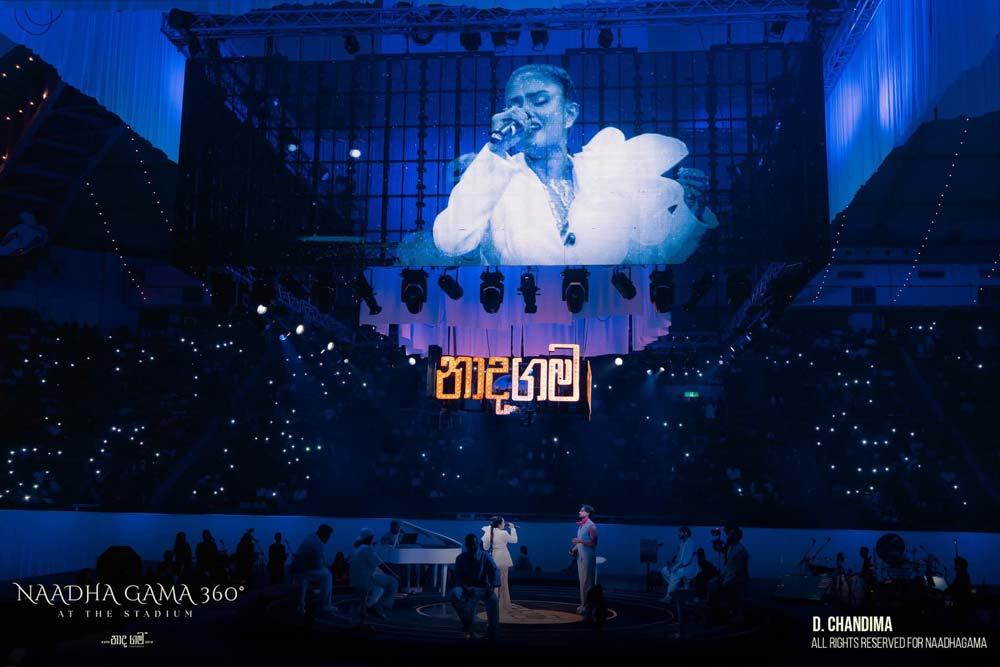
There are concerts one goes to because one likes the music, and there are concerts that remind us why music exists in the first place. Naadha Gama 360ᵒ, held at the Sugathadasa Stadium on August 27 and 28, was, for the most part, the latter.
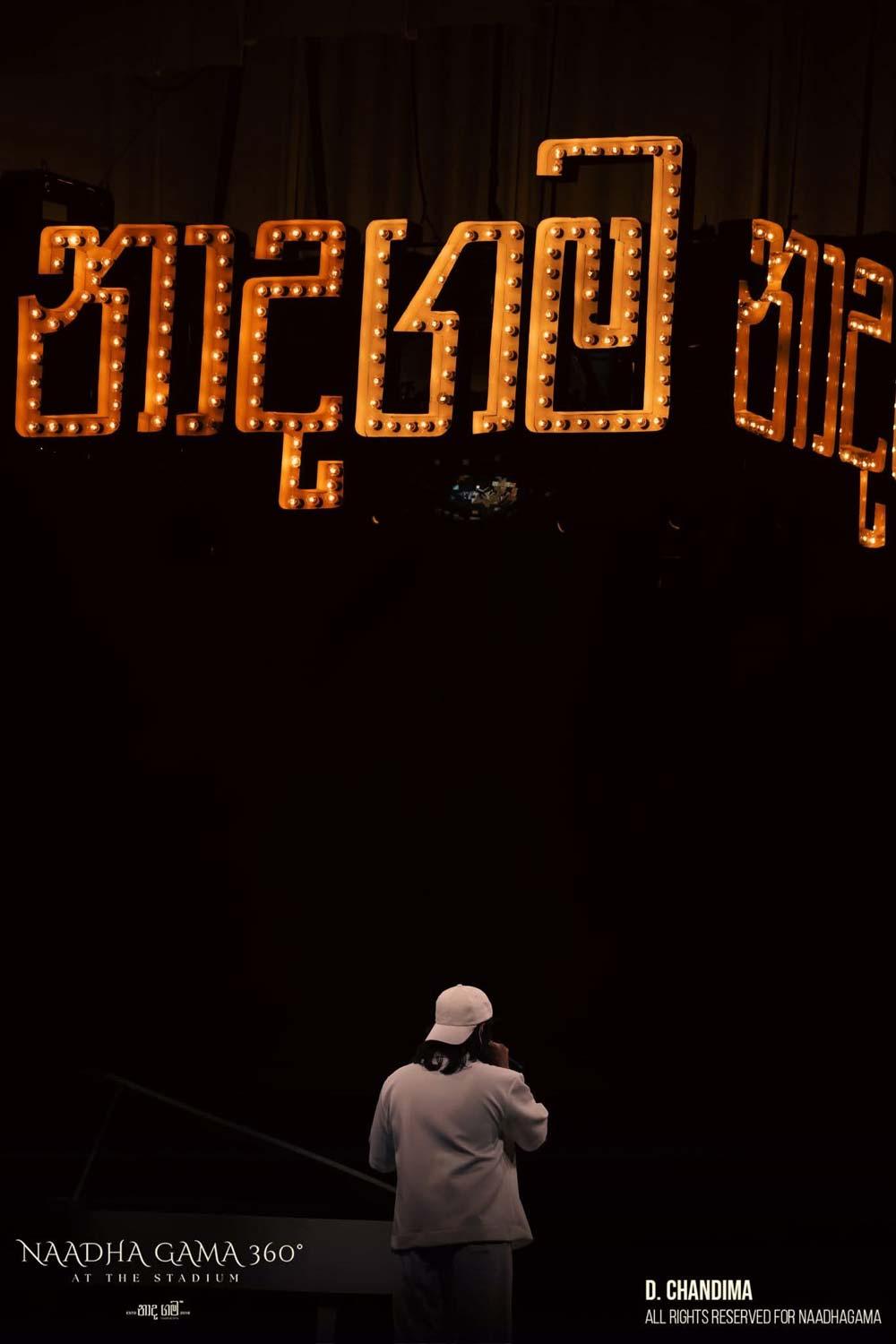
The name itself seemed particularly appropriate. Nāda suggests sound, musical tone or resonance, while gama means village, a place where people gather. Sri Lanka also has a traditional form of musical theatre known as Nādagama, in which music, performance and community came together in a shared experience. Whether or not the modern Naadha Gama takes its name directly from that older tradition, the resemblance is striking. From its beginnings eight years ago at Dutchman’s Street in Matara, Naadha Gama has been built around the idea that music is not simply something to be heard, but something around which people gather.
The original concept was deliberately informal: an outdoor event in which music was interspersed with conversation and interaction with the performers. Over the years, it grew from Matara to Colombo, Nuwara Eliya and eventually Melbourne, Australia. The audiences became larger, the venues bigger and the productions more sophisticated. Yet the challenge remained: how do you retain the feeling of a gathering when the “gathering” becomes thousands of people? Naadha Gama 360ᵒ was, in many ways, the answer.
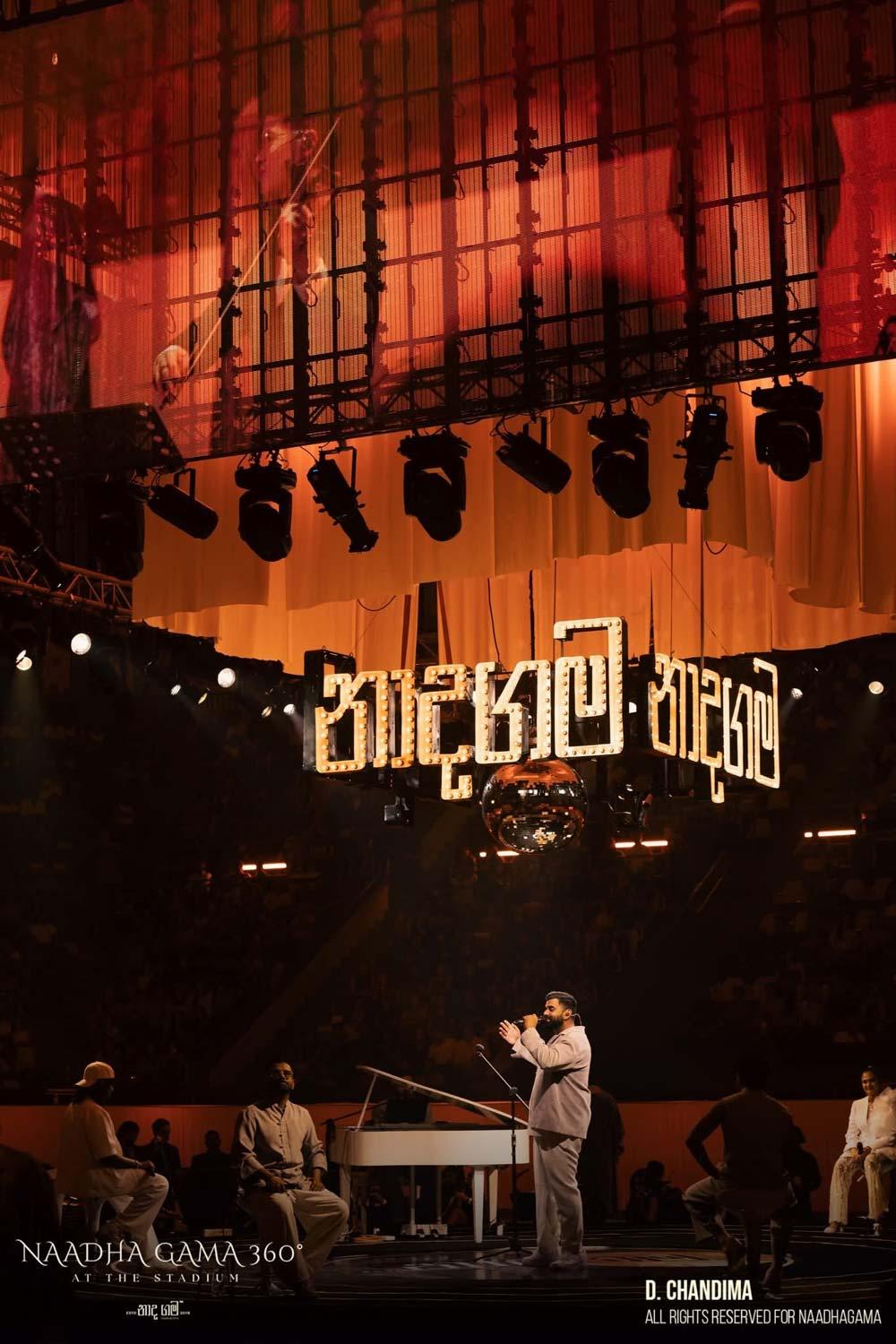
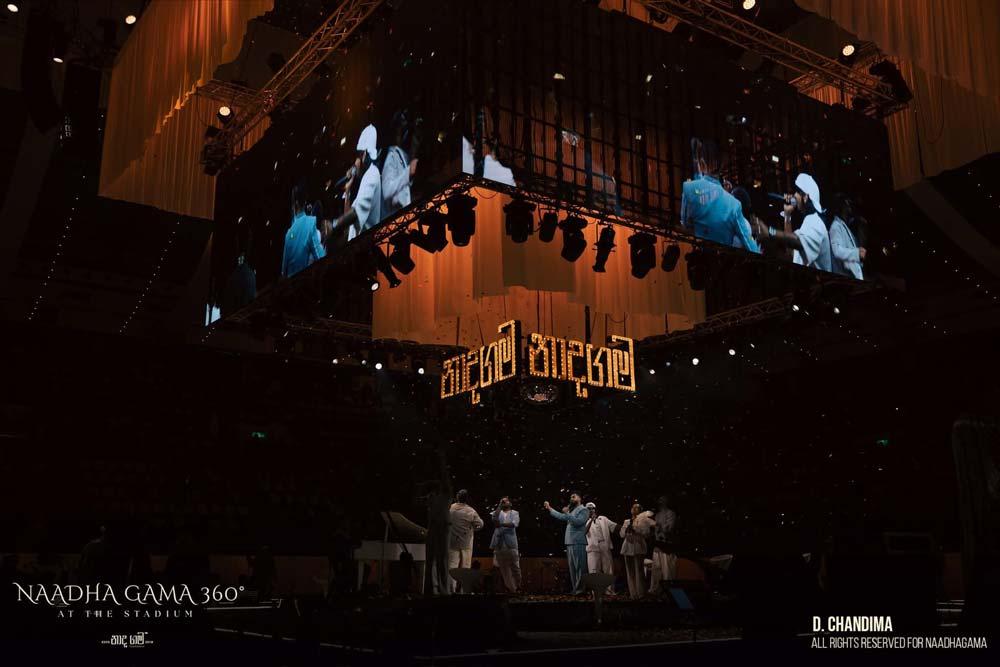
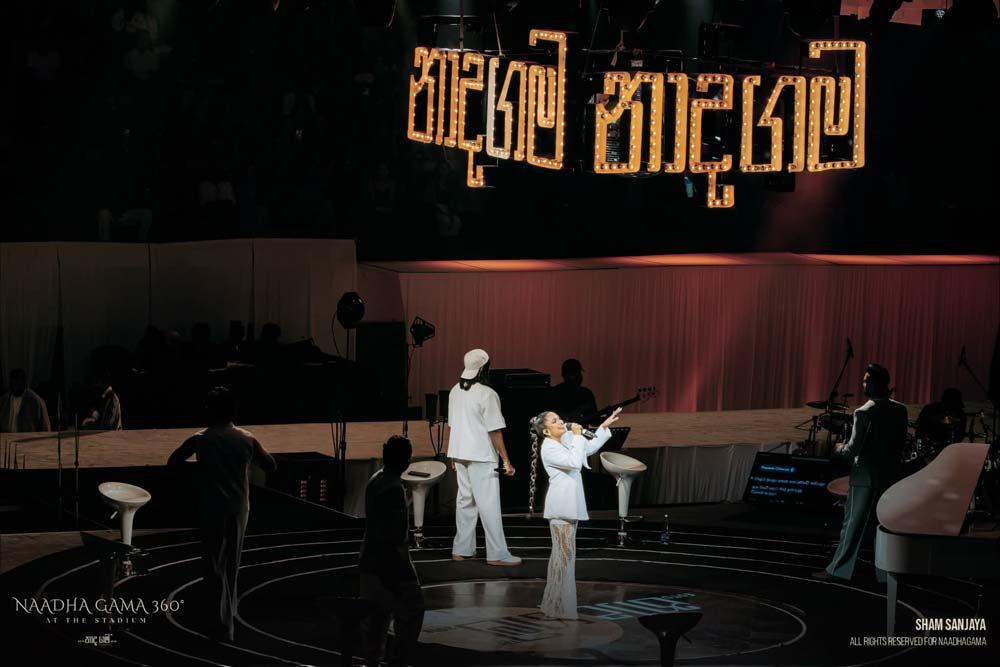
Unlike the usual concerts at Sugathadasa Stadium, this one did not feel as though the audience was merely watching something happening on a distant stage. The raised and expanded stage, its revolving platform, four digital screens and twelve or so cameras (from where I was sat in the audience) created a remarkable sense of involvement. Wherever one sat, there was always a close-up view of what was happening on stage. Technology was not simply being used to make the concert spectacular; it was being used to reduce the distance between performer and audience, a particularly important aspect because Naadha Gama, as the bringing together of music, performance and community, has never really been just about the songs.
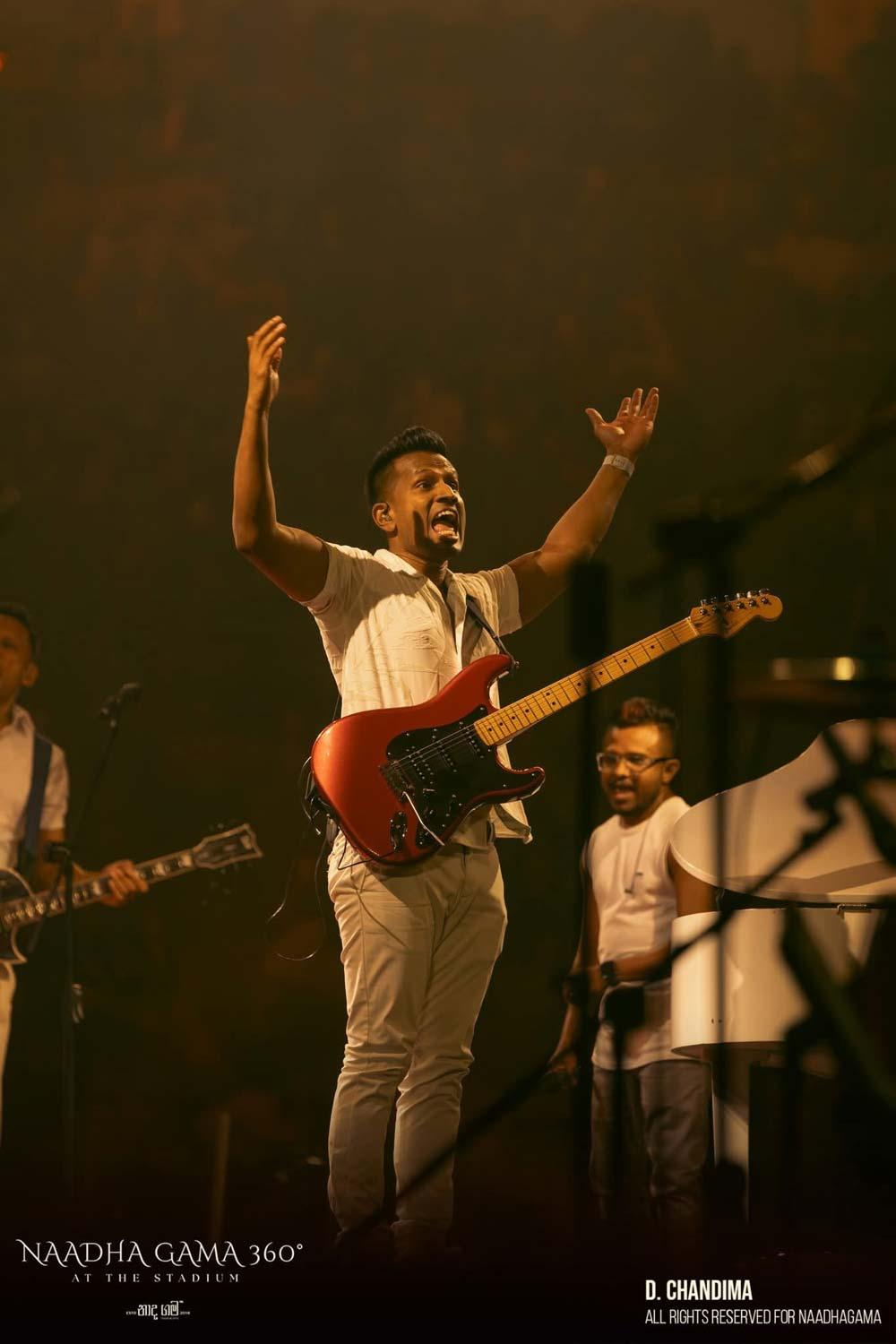
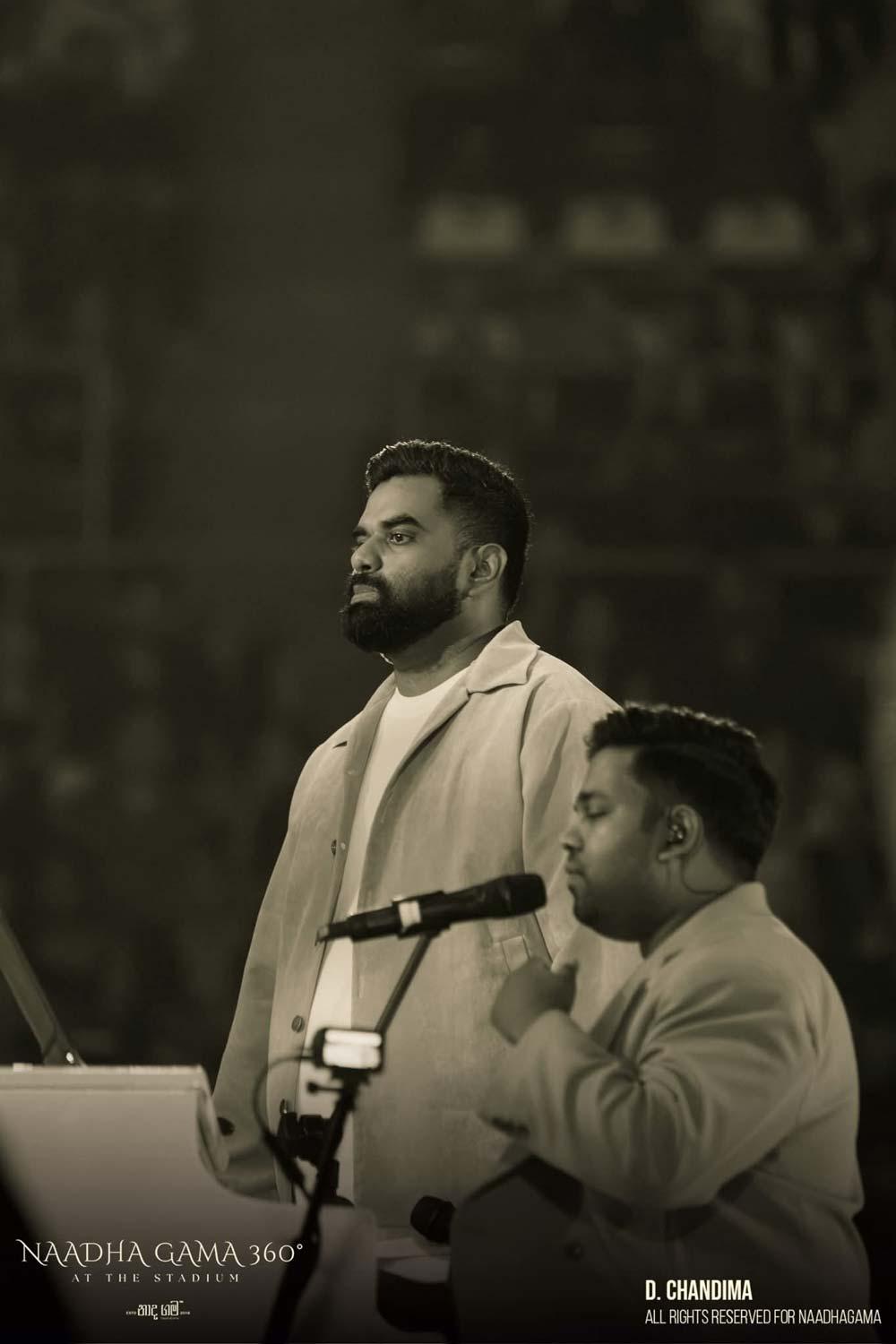
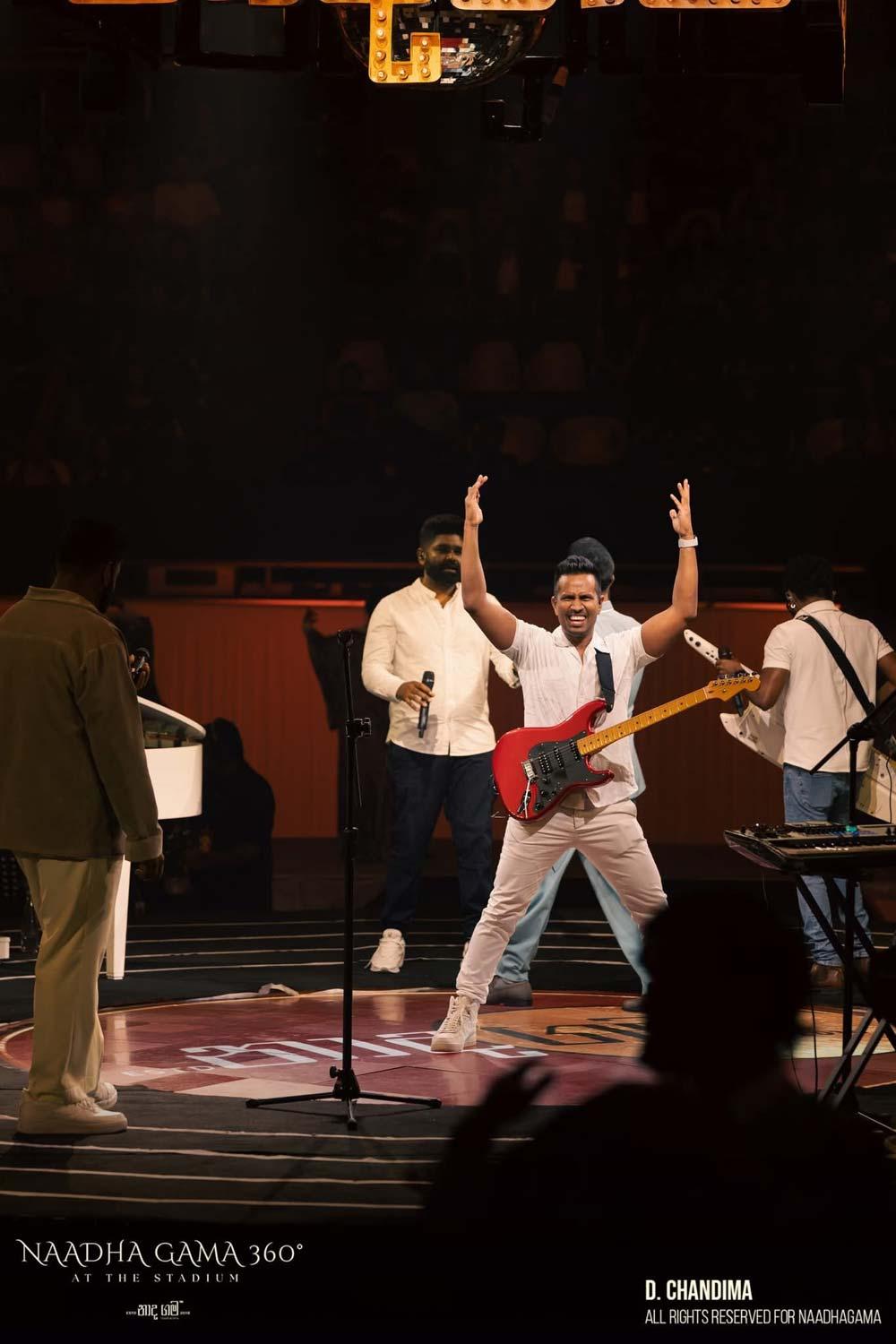
The musicians, positioned in the four corners of the expanded stage along with the choir, could have presented an enormous challenge to the sound engineers. Instead, the coordination was impressive. Led by Eshan Denipitiya on piano, the musicians were of a calibre that deserved to be heard, and their playing was one of the great strengths of the evening. There was, however, one weakness in an otherwise technically accomplished production. When the volume increased, the singers were at times drowned out by the orchestra. Those familiar with the songs could fill in the missing words; those attending Naadha Gama for the first time might understandably have struggled to follow the lyrics. Some audience members did leave within the first hour, and one could hardly blame someone unfamiliar with the music for doing so.
But for those prepared to simply listen, there was much to savour. Eshan himself provided one of the evening's outstanding musical moments in his piano-and-violin arrangement with David Loke of the Game of Thrones and Pirates of the Caribbean themes. Both classically trained performers, Eshan and David played with an energy and passion that made the performance far more than a clever arrangement of familiar themes. The lighting and sound balancing enhanced the effect, but the excitement was already in the musicianship. It was a powerful reminder that technical brilliance and emotional engagement need not be opposites, and that live music at its best gives us both.
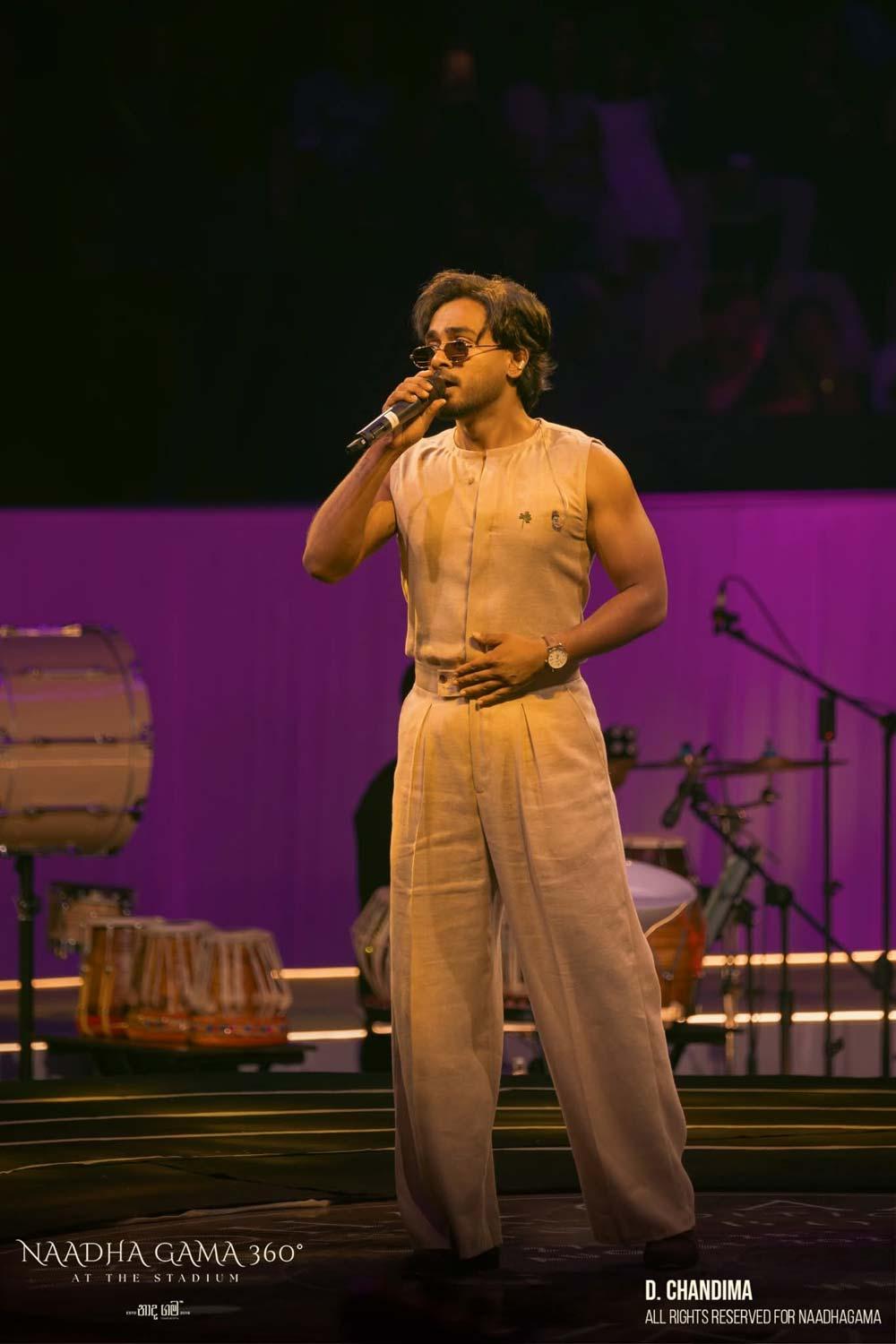
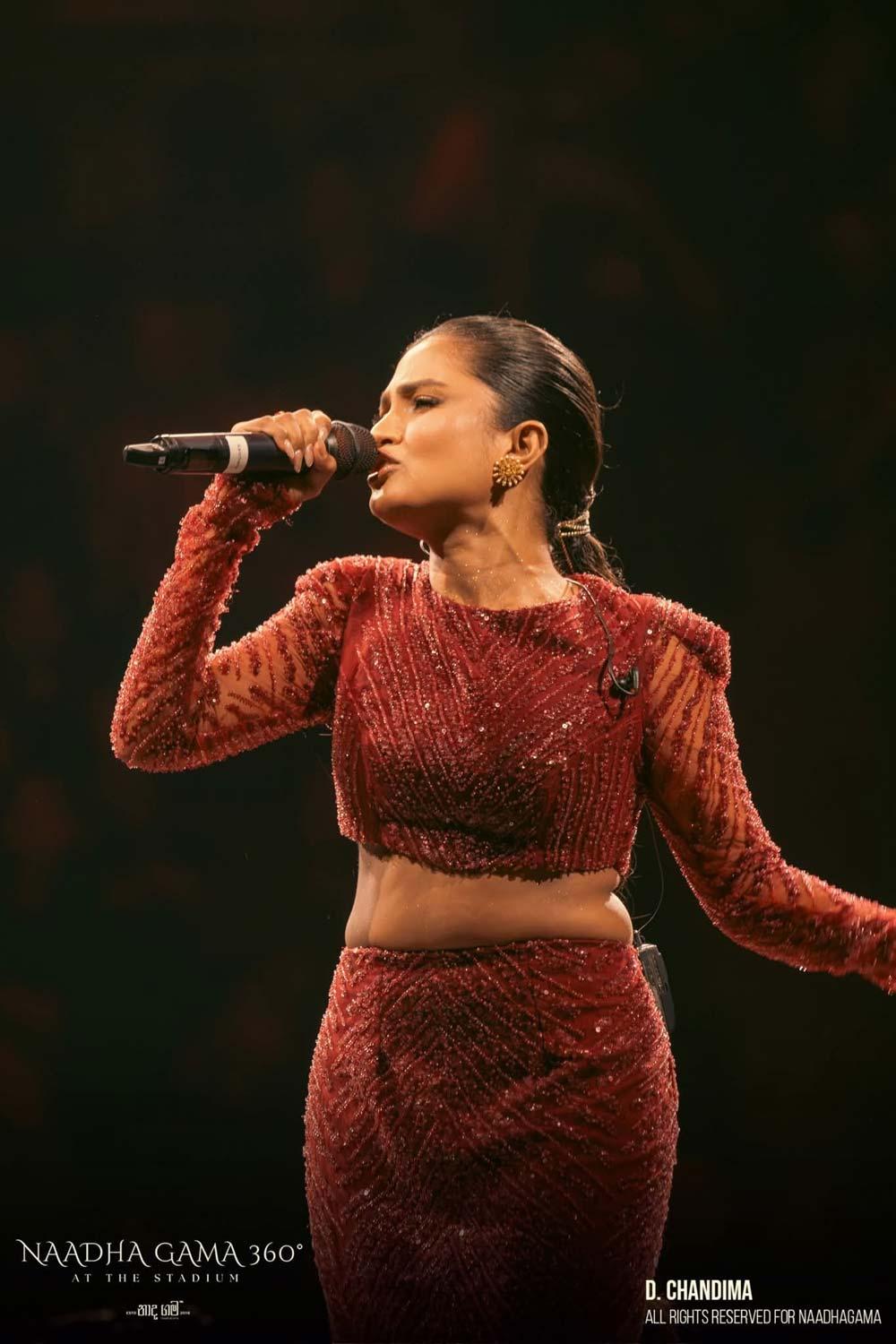
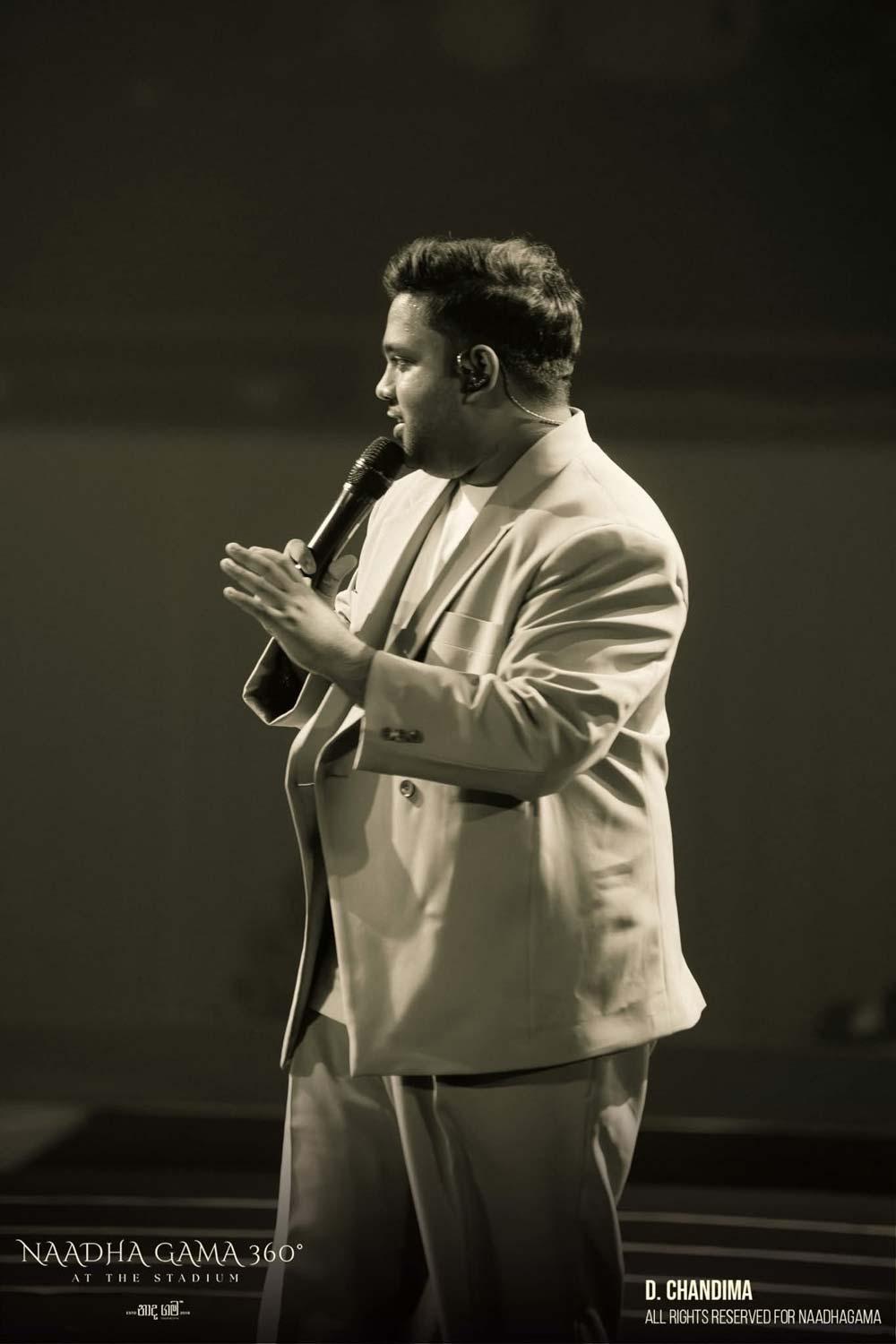
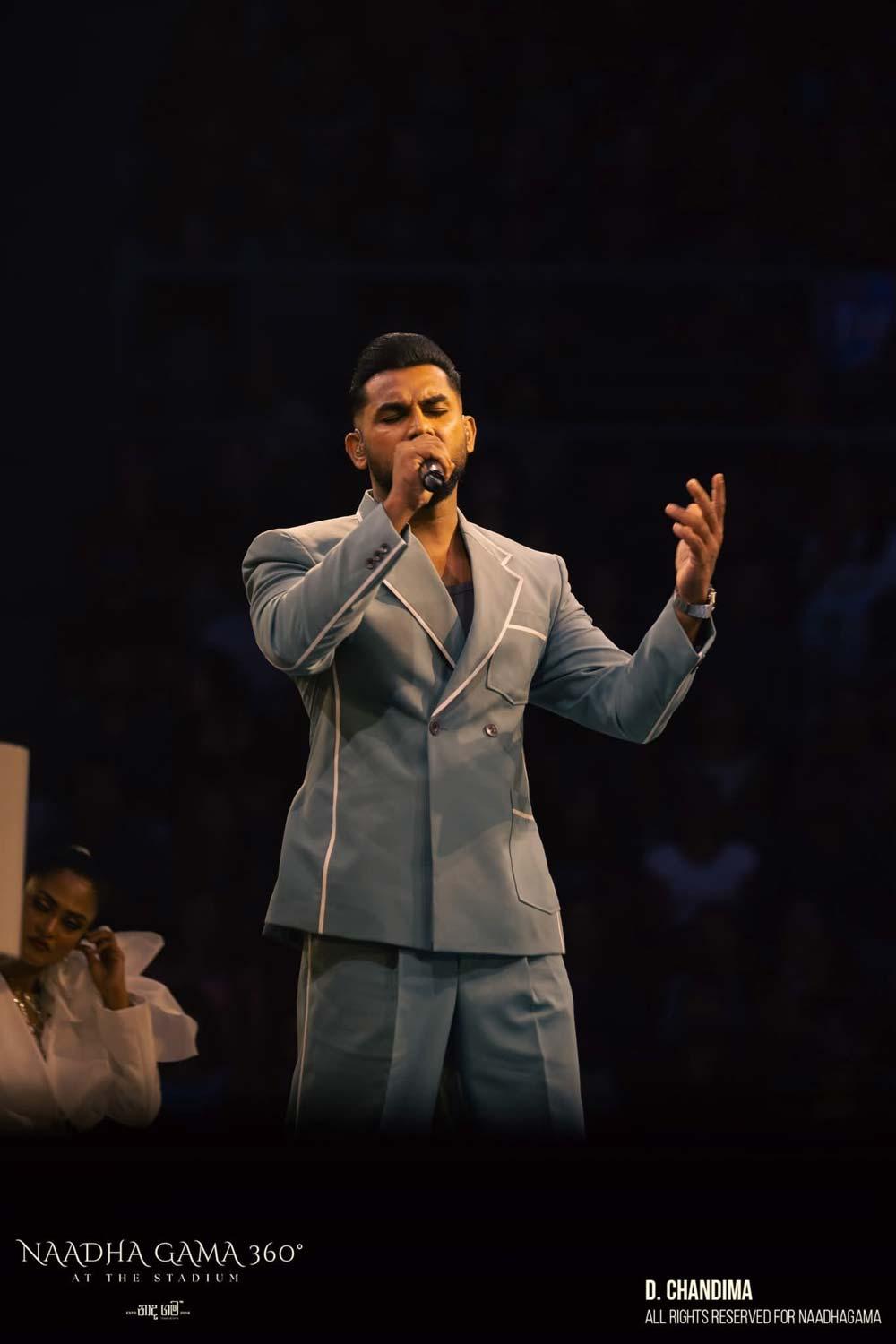
The evening however took some time to reach that point. A few of the opening performances did not immediately speak to the heart. Whether that was nervousness, the difficulty of warming up a large audience or simply the inevitable unevenness of a long programme is difficult to say. But something changed when the seven principal performers – Methun SK, Dhanith Sri, Dinesh Gamage, Ridma Weerawardena, Kanchana Anuradhi, Supun Perera, and Eshan Denipitiya – finally appeared together on stage with compere Manuranga Wijesekera. Almost as though they drew energy from one another, the real Naadha Gama came alive.
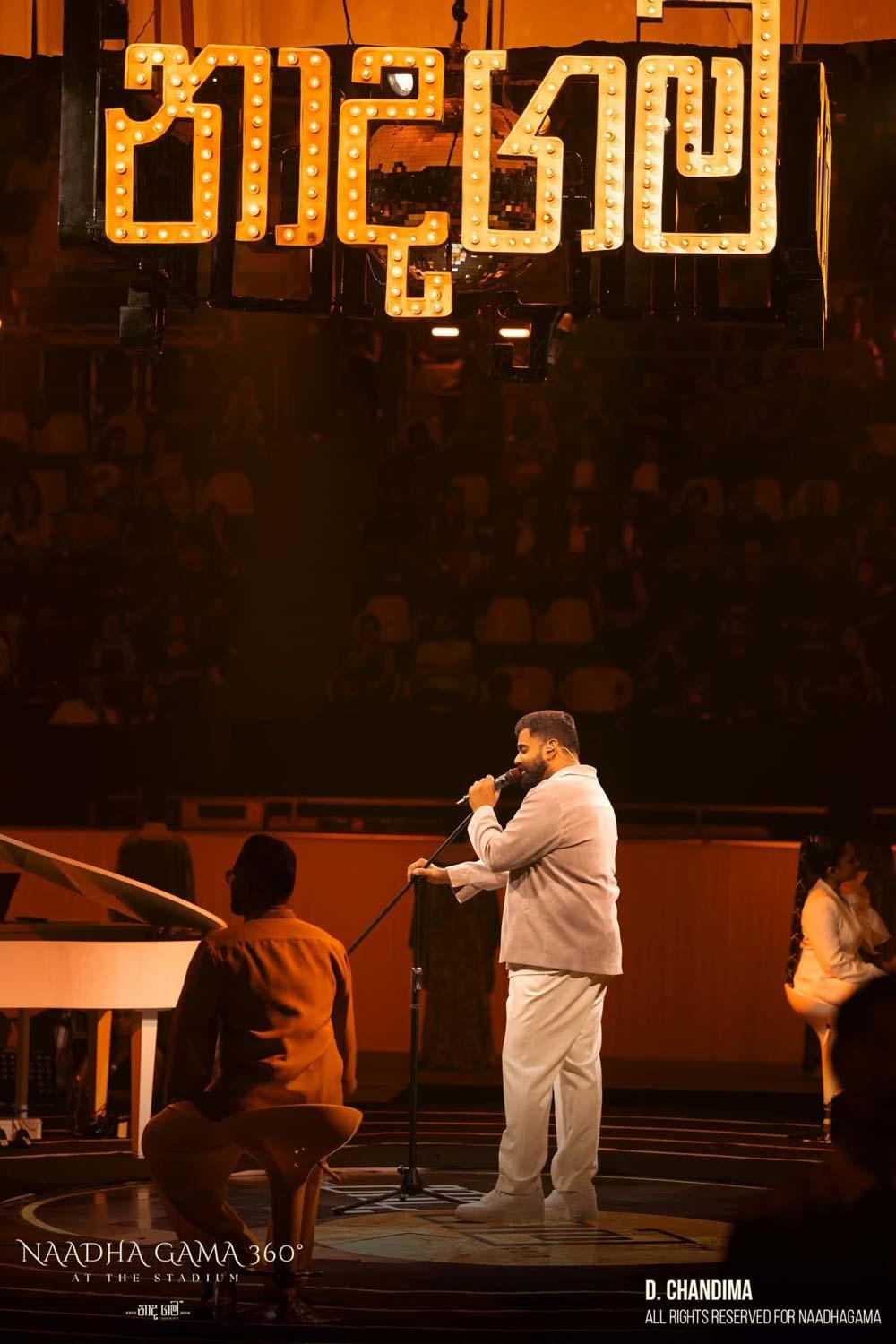
There was something revealing in that transformation. The performers seemed to support one another, and that sense of camaraderie travelled into the audience. Dhanith Sri's Pandama and Methun SK's Handa Allanna Asa Gamane were among the evening's musical highlights, and added to those moments in which the boundary between stage and audience disappeared altogether. Daddy's guest appearance with Chandrayan Pidu, accompanied by hundreds of mobile-phone lights held aloft by the audience, was an almost guaranteed tug at the heartstrings. More poignant still was the tribute to Patrick Denipitiya, with Mahesh Denipitiya sitting in the audience listening as his son Eshan played at the keyboards. The six singers took turns performing, while the audience joined in. It was a tribute not merely to one musician but to a generation of musicians whose work has become part of the collective memory of another.
There was something deeply heartwarming about seeing that gratitude made visible. Talent was being acknowledged by talent, one generation was listening to another, and an audience was being allowed to participate in the remembering.
Perhaps this is also why live music affects us differently from recorded music. Recent neuroscience research suggests that the brain responds more strongly and consistently to live music than to recordings. A University of Zurich study found greater activity in the amygdala, the part of the brain involved in processing emotion, when people listened to live rather than recorded performances. More recent research has also found stronger synchronisation between the brain's activity and the musical rhythm during live performance, associated with greater pleasure and engagement.
The science is fascinating, but perhaps anyone who has sat in a concert hall already knows the feeling. There is something about the physical presence of the musician, the sound waves reaching us directly, the knowledge that the performance is unfolding only once, and the reaction of the people sitting around us that a recording cannot quite reproduce.
I was reminded of this two weeks earlier at the Church of St Paul the Apostle on Kynsey Road, where the Diocese of Colombo presented Let All Who Are Thirsty Come, an evening of hymns and reflection. It could not have been more different from Naadha Gama 360ᵒ. There were no giant screens, revolving stages or twelve cameras. Instead, there was a choir trained and conducted by Mr Sanchitha Wickremesooriya, whose musical sensitivity, precision and ability to draw depth and expression from the voices under his direction were evident throughout the evening. The remarkable feeling one got as a member of the congregation was that the choristers were not simply performing hymns but opening their hearts to God, which is perhaps how music in a church was always meant to sound, with the building itself becoming part of the music.
Churches and cathedrals were historically designed with acoustics in mind. Hard surfaces reflect sound, while large spaces and long reverberation allow successive notes to overlap and blend, creating the soaring quality associated with choral music. The architecture does not merely contain the music; rather, it participates in it, and enables the congregation to resonate with it.
Two concerts, two very different settings, two very different purposes - and yet the same essential lesson: music is not simply sound. It is sound given human expression. It is performance made meaningful by an audience. And it is community created, however briefly, by people experiencing the same thing at the same time.
We have become extraordinarily good at making music available everywhere. We can stream almost anything, at any hour. We can pause it, replay it, skip it, increase the volume and carry thousands of songs in our pockets. What we cannot reproduce is the knowledge that something is happening now, between the person making the music and the people listening to it.
That may be why, for a few hours at Naadha Gama 360ᵒ, the outside world disappeared. There were no headlines, no arguments, no problems waiting to be solved. There was simply music being made and music being received. And perhaps that is what a gama has always been: not merely a collection of people living in the same place, but people gathering around something that belongs to all of them. Naadha Gama may have grown from a small outdoor gathering in Matara into a technologically sophisticated production at a stadium, but its greatest achievement may be that it has not lost that original idea. It still gathers people.
Recordings preserve music. Concerts, on the other hand, preserve the moment. And in a world increasingly lived through screens, perhaps the ability to be physically present, to listen together, to remember together and to be moved by something that exists only while we are there is not an old-fashioned luxury. Perhaps it is something we need now more than ever.