Craft: A Counterbalance to Fast Living

We live in a culture that moves quickly. Faster production, faster shipping, faster trends, faster lives. Everything is optimized for speed. We scroll faster, buy faster, replace faster. The systems around us reward immediacy. If something takes time, we often assume it is inefficient. But there are still places in the world where time moves differently. One of my earliest memories of craft comes from my grandparents’ home in the hill country village of Bandarawela. I must have been around eight years old. In their garden there was a spiky plant that I had always assumed was purely decorative. One day I asked my grandmother what it was. She told me it was hana, and that people used it to make bags and mats. To my surprise, she said the yarn itself came from the plant.
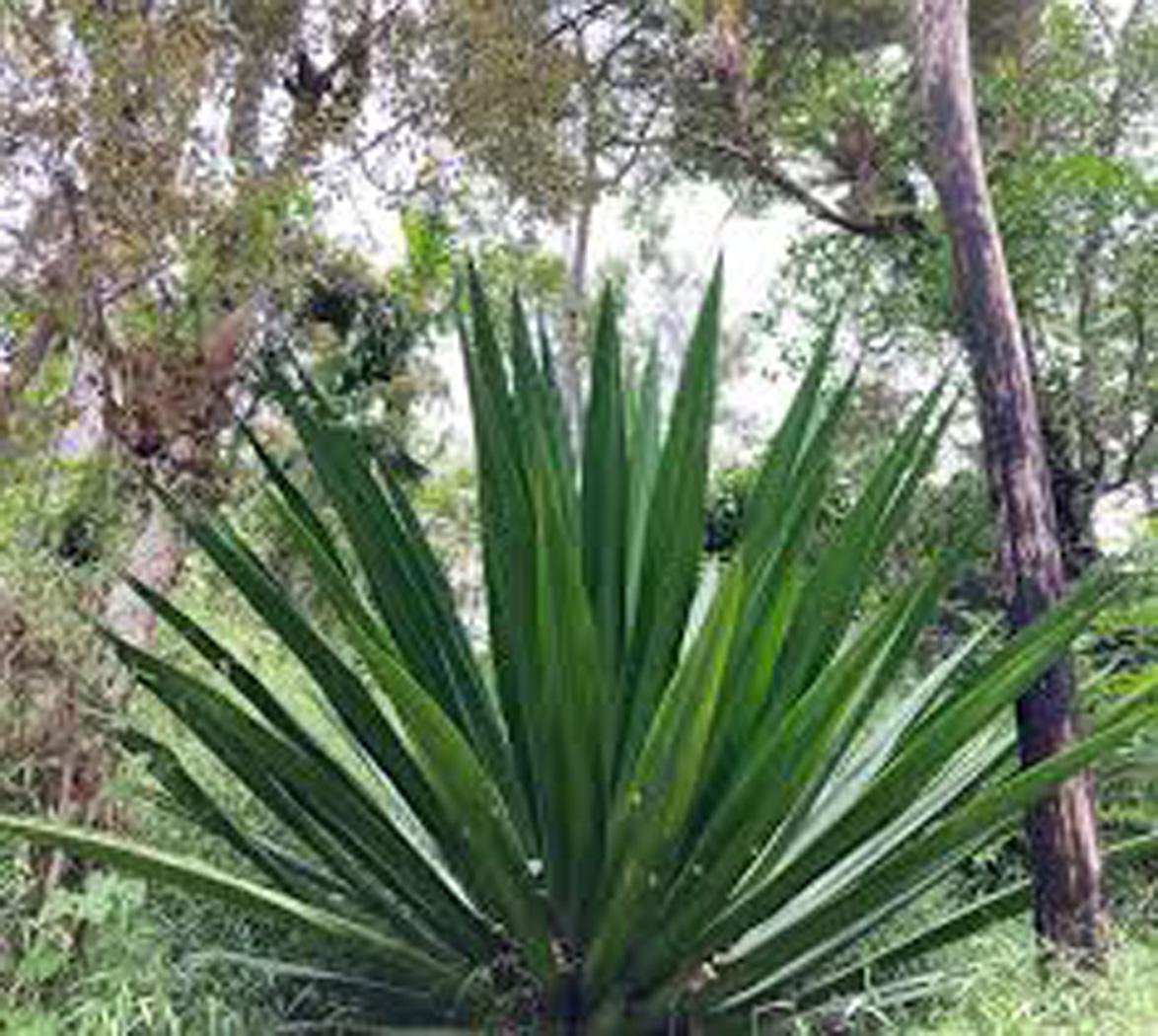 During that school holiday, she decided to show me how it was done. With the help of our housemaid, whom we affectionately called Adelene Nandha, we went into the garden and cut a few of the long hana leaves. The process that followed fascinated me. First, the thorny edges and tips of the leaves were carefully trimmed away. I remember the leaves being left on the wet floor for some time, though I cannot recall exactly how long. Then each leaf was scraped, removing the fleshy pulp and slowly revealing the strong inner fibers hidden inside. What had looked like an ordinary plant suddenly began to transform into something entirely different. The fibers were then washed thoroughly in water to remove the remaining plant matter. Afterwards they were hung in the sun to dry, swaying gently in the mountain breeze. Once dry, the strands were combed out and gathered into soft bundles of fiber.
To my eight-year-old self, they looked like pure gold. I remember taking a bundle and placing it on my doll’s head, delighted that it looked exactly like the long golden hair of Goldilocks from the story Goldilocks and the Three Bears. The fibers flowed over the doll’s shoulders just like the illustrations in my storybook. At that age, I did not realize I was witnessing something extraordinary. I thought it was simply a fun holiday activity with my grandmother. Looking back now, I understand that moment differently. It was the first time I saw how something ordinary, a plant growing quietly in a garden, could be transformed through patience, knowledge and skilled hands into something useful and beautiful.
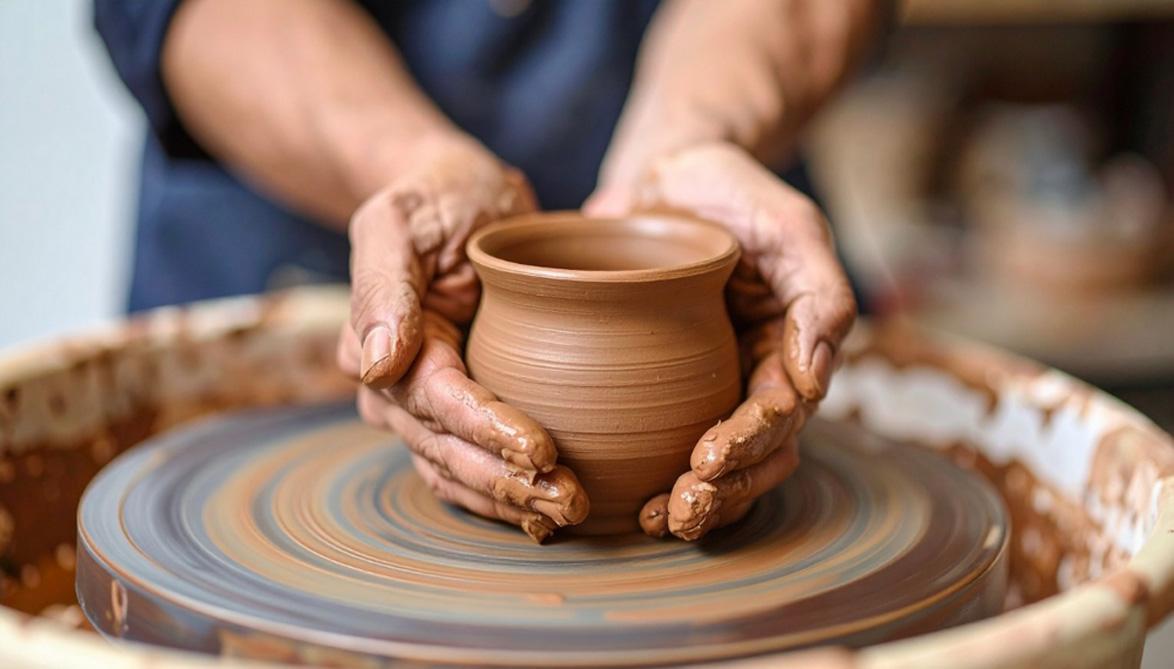
Craft does not rush. It cannot. A hand cannot move at the speed of a factory line. A loom does not care about next day delivery. A needle pulling through fabric carries its own rhythm. Craft exists in a slower register, one that sits slightly outside the tempo of modern life. And that difference is precisely what makes it valuable. Craft reminds us that some things are not meant to be instant. When we speak about handmade work, we often focus on aesthetics. The beauty of the piece, the intricacy of the embroidery, the texture of the weave. But the deeper value of craft lies in something less visible. It lies in time, attention and presence. A handmade object is not simply produced. It is brought into existence. Hours accumulate inside it. Sometimes days. Sometimes months. Each step leaves a small trace of the person who made it.
The rhythm of their work becomes part of the object itself. In fast fashion, the relationship between maker and object is often invisible. Production is fragmented across supply chains and optimized for volume and speed. Garments move through systems designed to reduce time and cost at every step. The goal is efficiency. Craft works differently.
In craft traditions, the maker is present throughout the process. The hand guides the material, adjusts to its irregularities and works with it rather than forcing it into uniformity. Slight variations appear. Tiny imperfections surface. These are not flaws. They are signatures. They remind us that a human being was there. When you hold a handcrafted object, you are not only holding the material. You are holding the time it took to make it. You are holding someone’s skill, patience and learned knowledge. In many cases, you are also holding generations of technique passed from one person to another. Craft carries memory. This is why handmade pieces often feel different. They hold presence. In a culture defined by speed, this presence becomes quietly radical because it asks us to slow down in return. Fast consumption thrives on detachment. When products arrive instantly and are easily replaced, our relationship to them becomes shallow. They pass through our lives quickly. We wear them, use them, discard them and move on.
Craft disrupts that cycle. When something has clearly taken time to make, we instinctively treat it differently. We pause. We notice the details. We handle it with care. The object asks for attention, and in giving that attention we form a relationship with it. Connection begins to replace consumption. This shift may seem small, but it matters. Our current culture often frames slowness as a problem to be solved. We install faster internet, faster transport and faster logistics. Entire industries compete over who can deliver things most quickly. Yet speed is not always synonymous with progress.
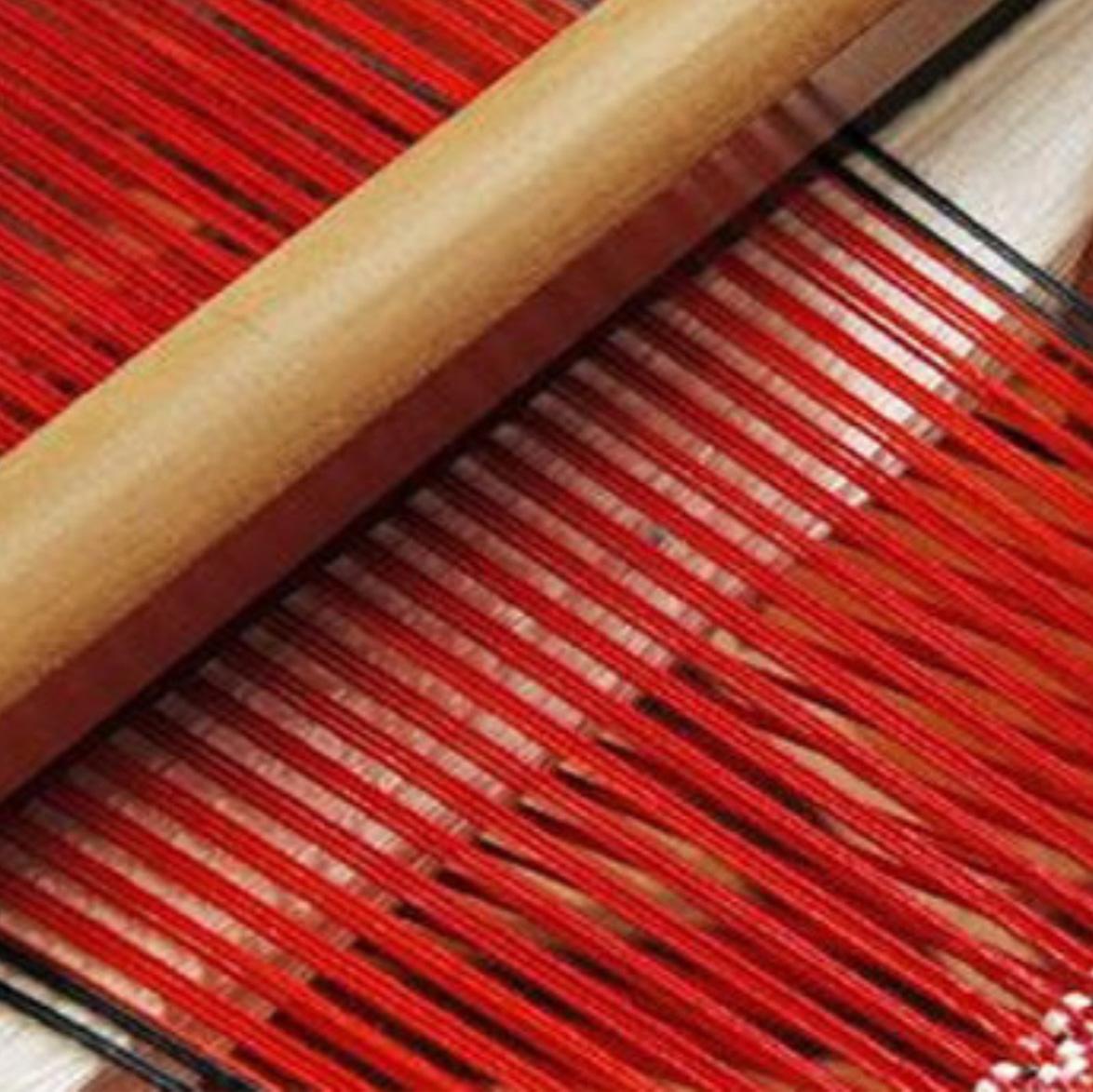 There are areas of life where speed removes something essential. Food that is rushed loses depth of flavour. Conversations that are hurried lose meaning. Objects that are mass produced at high velocity often lose their sense of permanence. Craft offers a counterbalance. It reminds us that care takes time. Skill takes time. Beauty often takes time. A handwoven textile, for instance, carries the rhythm of each pass of the shuttle across the loom. The maker must maintain tension, balance patterns and correct small shifts in the threads. The process cannot be automated without losing the very qualities that make it special.
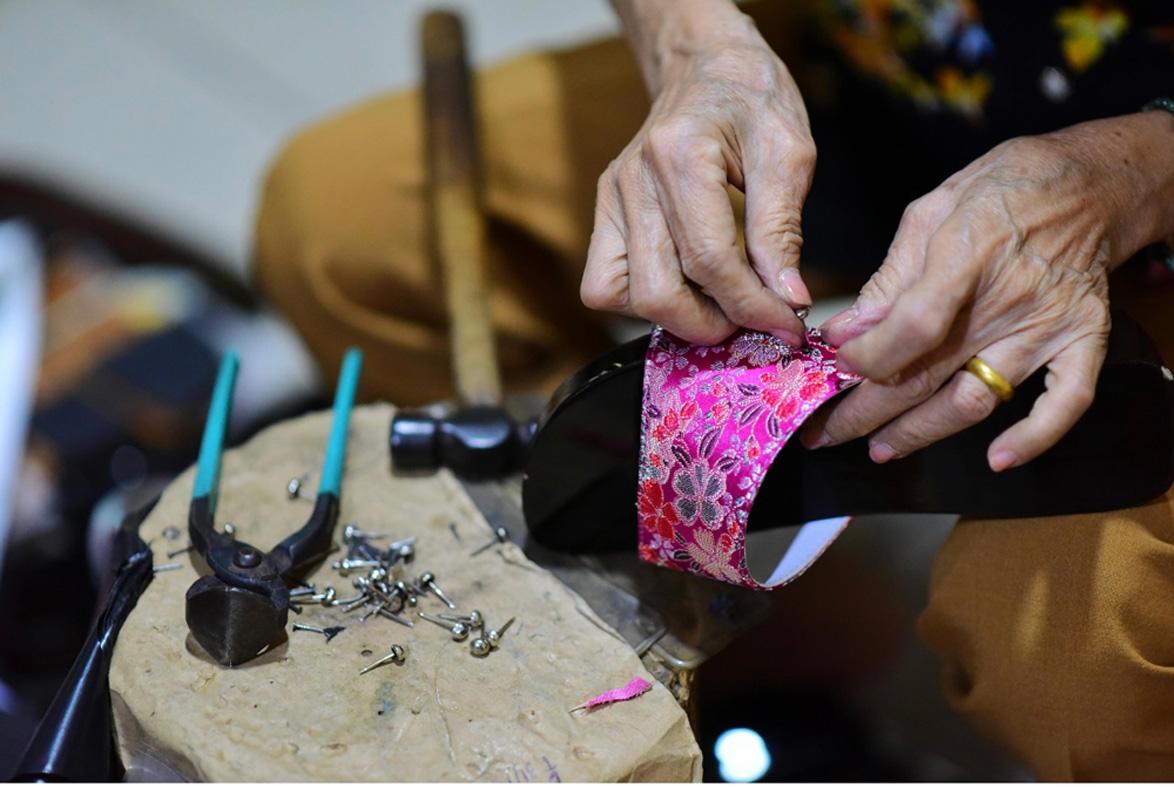
Similarly, intricate hand embroidery is built stitch by stitch. Each movement of the needle is deliberate. The maker constantly adjusts for texture, pattern alignment and tension in the thread. The work evolves gradually, almost like drawing with fiber. None of this can be rushed without compromising the result. In a sense, craft is a quiet refusal of the logic of instant gratification. Perhaps that is why people are increasingly drawn to it again, not just as consumers but as participants.
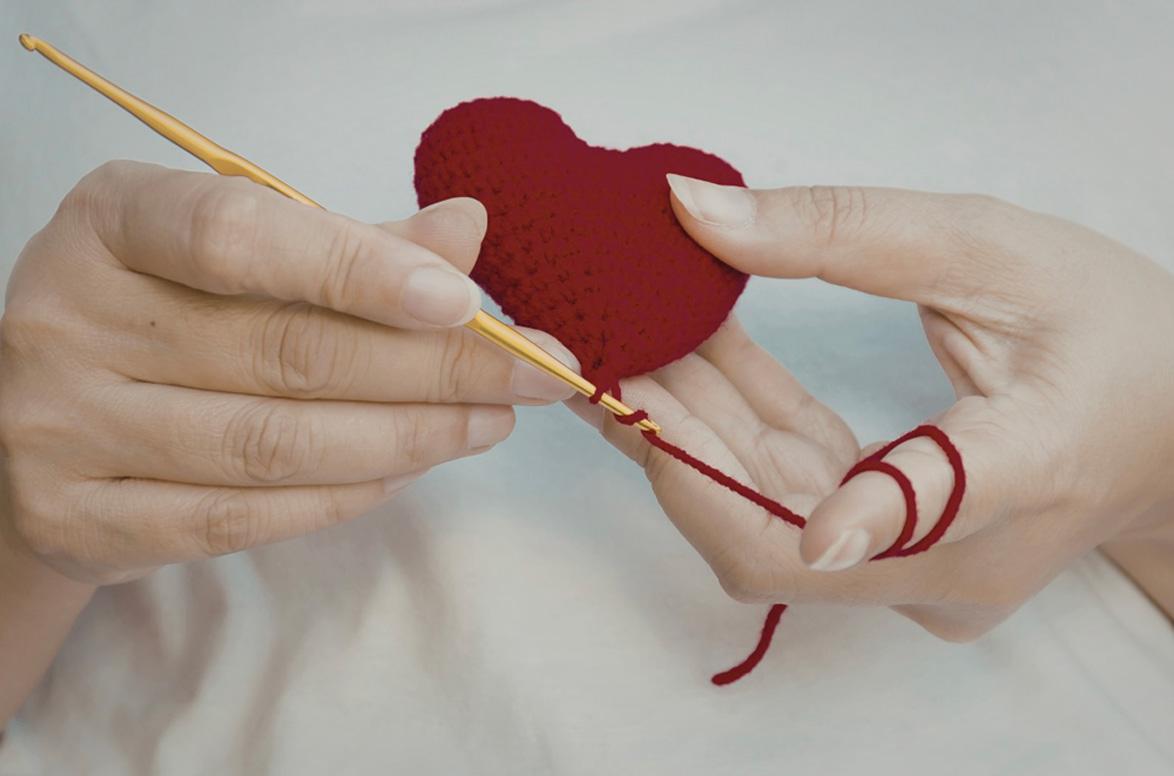
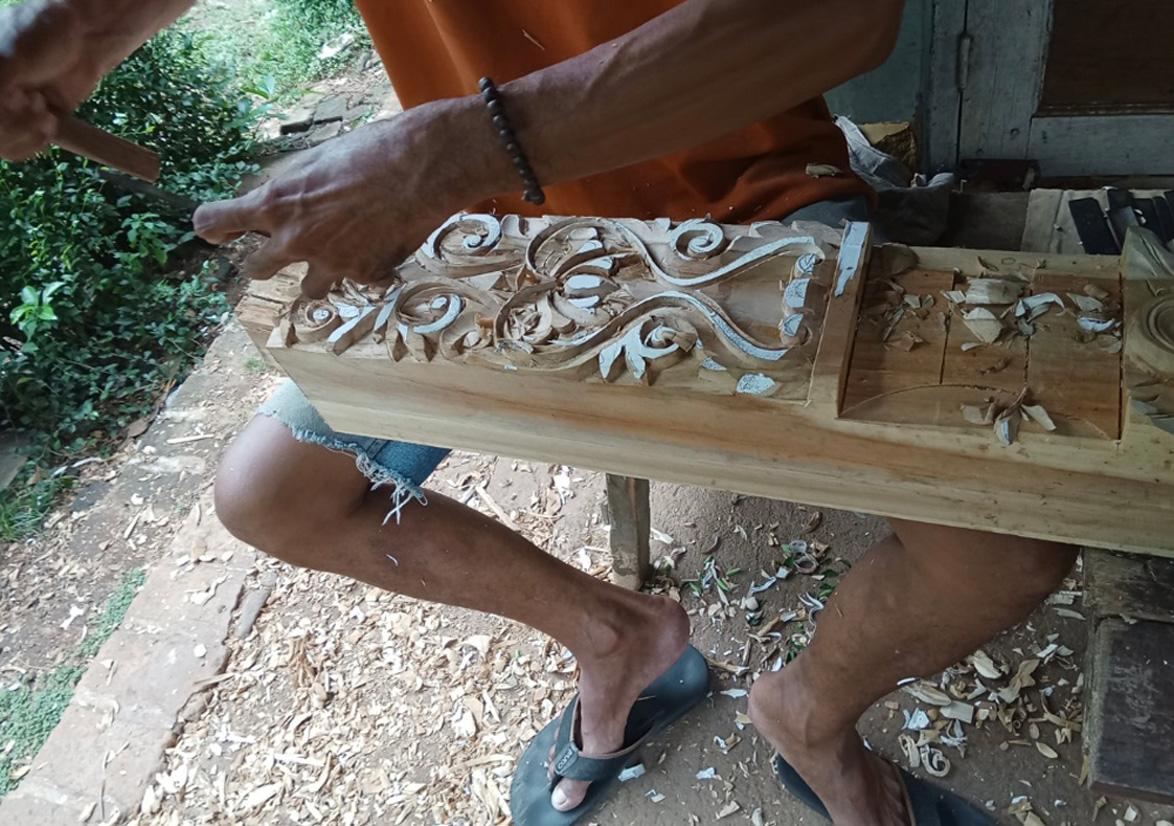
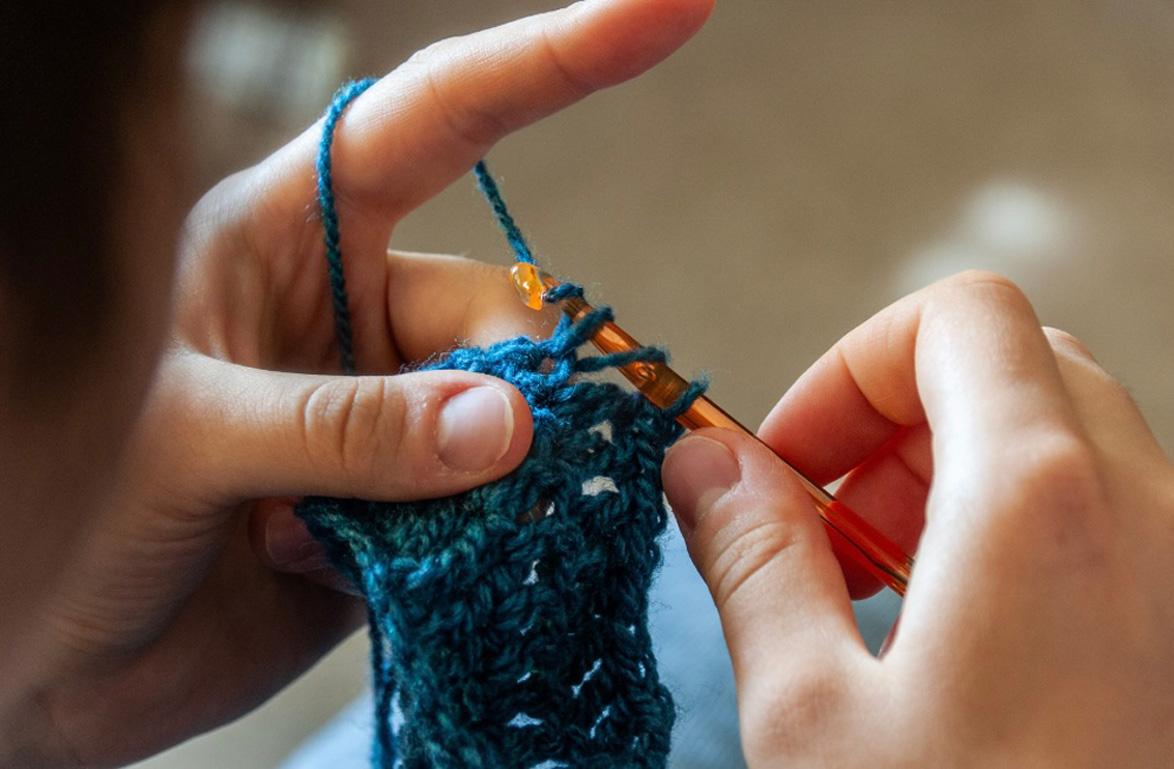
Across the world, more people are learning to sew, knit, weave, carve or repair. These practices are not merely hobbies. They are ways of reclaiming a different relationship with time and material. When you make something with your hands, you immediately understand the value of effort. You understand why quality matters. You also begin to see objects differently. The world stops being a collection of disposable products and becomes a landscape of processes.
You start noticing how things are made. This awareness changes how we consume. Suddenly, a cheaply made garment looks different when you realize the steps involved in constructing it. A piece of careful craft becomes more meaningful when you recognize the skill behind it. Respect begins to replace indifference. And with respect comes responsibility.
If we truly value craft, we cannot treat it as just another aesthetic trend. Craft is not simply a decorative category in fashion or homeware. It represents entire ecosystems of knowledge: artisans, communities, regional techniques and cultural histories. These systems survive only if they are practiced, supported and passed on. That means paying fairly for handmade work. It means giving artisans time instead of demanding unrealistic speed. It means recognizing that authentic craft cannot compete with mass production on price or volume, and it should not be expected to. Craft operates under a different set of values. It prioritizes quality over quantity, longevity over novelty and meaning over immediacy.
In many ways, this philosophy feels almost revolutionary today. When we slow down enough to appreciate craft, we also slow down enough to question other parts of our lives. Do we really need constant novelty? Do we need wardrobes that change every month? Do we need objects designed to be replaced so quickly? Craft quietly suggests another possibility.
- A life where we choose fewer things but choose them well.
- A life where objects are kept, repaired and valued rather than discarded.
- A life where the story behind something matters as much as the thing itself.
This does not mean rejecting modern life or technology. Speed has its place. Convenience can be valuable. But when speed becomes the only metric of value, we risk losing something deeply human. Craft reminds us of that humanity. It reconnects us with patience, skill and the beauty of process. It brings the maker back into the story of the object. Perhaps most importantly, it invites us to participate in a slower rhythm of living, even if just for a moment. In a world that is constantly accelerating, that moment of slowness is not a weakness. It is a form of balance. And sometimes, balance is exactly what we need.