Paris Said Yes. And I Don’t Think Fashion Will Ever Be the Same Again.
By: Emb Hashmi
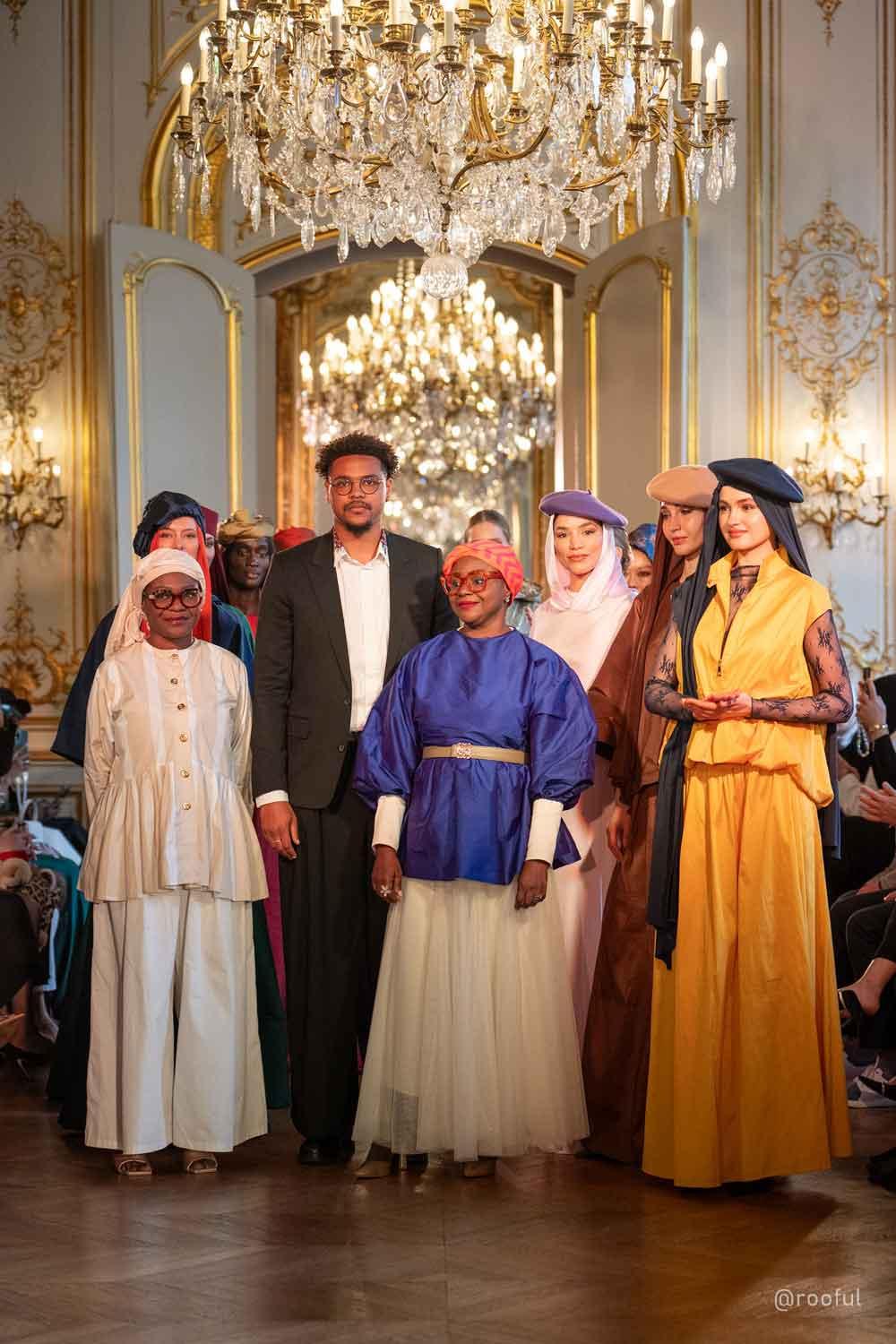
There are moments in fashion when you know, instantly, that something has shifted. Not a passing trend. Not a seasonal colour palette. Something deeper. A cultural recalibration that changes the direction of the conversation entirely. I felt that shift in Paris this April. Not during the traditional Paris Fashion Week calendar that dominates September headlines every year. Not at one of the historic couture houses where fashion editors queue with military precision outside velvet ropes. The moment happened quietly, elegantly and completely unapologetically inside Hotel Le Marois during Paris Modest Fashion Week 2026. And the world is still talking about it.
Paris in spring has always had a certain theatre to it. The light spills differently across the city in April. The Champs Elysees feels cinematic. Women move through the streets as though the entire city has agreed to dress beautifully in unison. It is a place where fashion is not simply worn. It is lived. This year, however, Paris welcomed a new kind of audience. Designers from Nigeria, Indonesia, Turkey, Qatar, Kuwait, Serbia, Uzbekistan, Kazakhstan, the UAE, the United States, France and beyond arrived carrying collections that represented something the fashion world can no longer afford to ignore. Women want elegance without exposure. They want fashion that honours identity, movement, culture, comfort and self-expression all at once.
And they are no longer asking for permission.
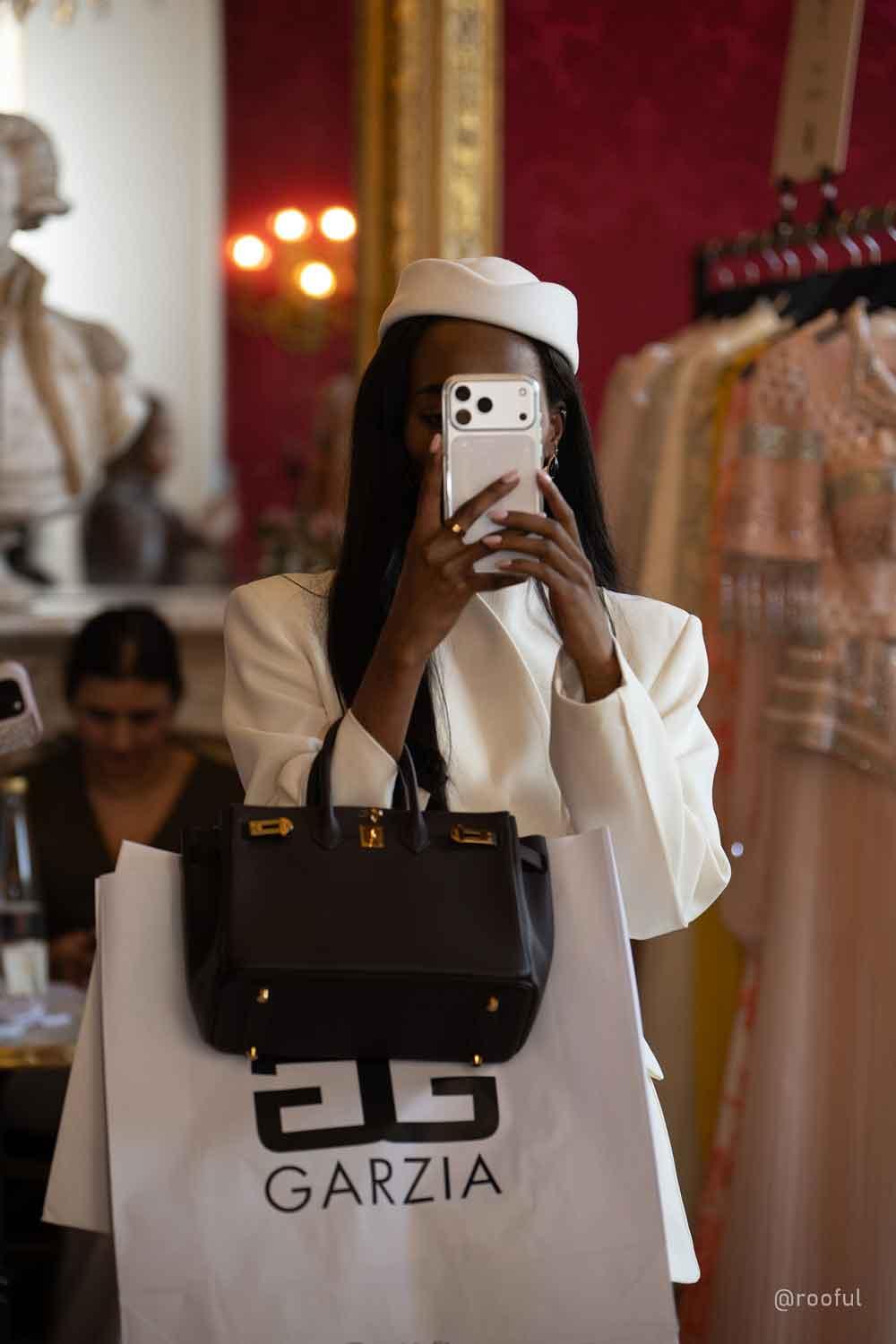
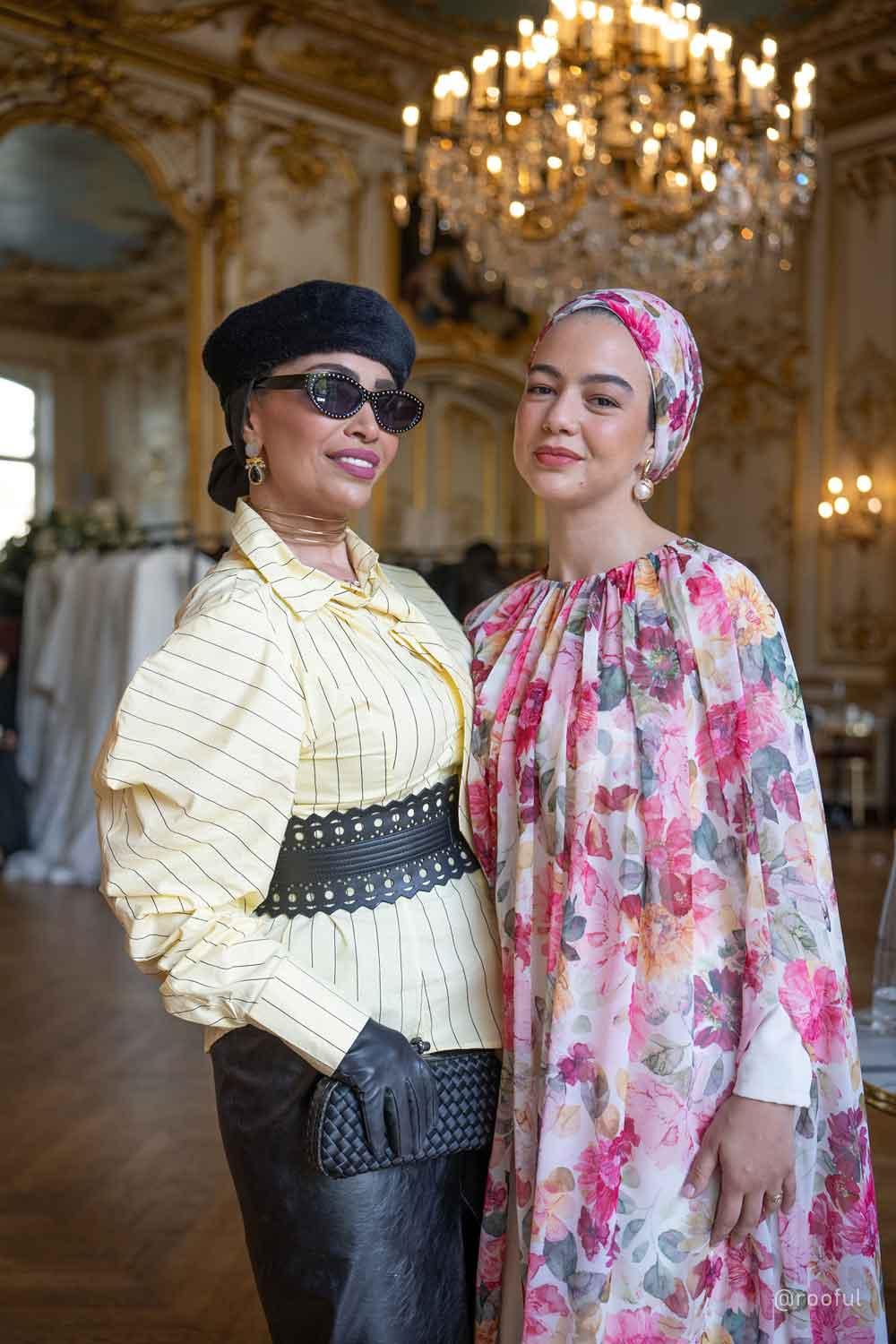
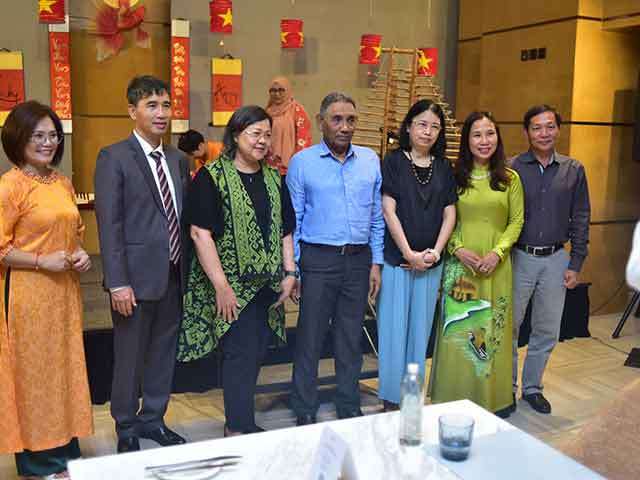
 Walking into Hotel Le Marois for the first time felt electric. There were diplomats standing beside buyers from luxury retail. Editors speaking three languages at once. Influencers from Dubai filming alongside creatives from London and Lagos. Women in sculptural abayas. Women in oversized tailoring. Women in turbans, silk scarves and wide leg silhouettes. Some covered completely. Some not at all. Yet everyone somehow understood the assignment.
This was not niche fashion. This was global fashion finally catching up with reality. Over three days, Paris Modest Fashion Week hosted thirty runway shows and eight major industry conferences. The atmosphere was sophisticated, international and commercially serious. Nobody there behaved as though modest fashion was an emerging category anymore. The industry has moved beyond that conversation entirely. What struck me most was how modern everything felt.
There remains a lazy stereotype in parts of Western fashion media that modest dressing exists outside trend culture. That it is somehow restrictive, conservative or disconnected from creativity. Paris demolished that assumption within minutes. The collections were directional, sharp and deeply luxurious.
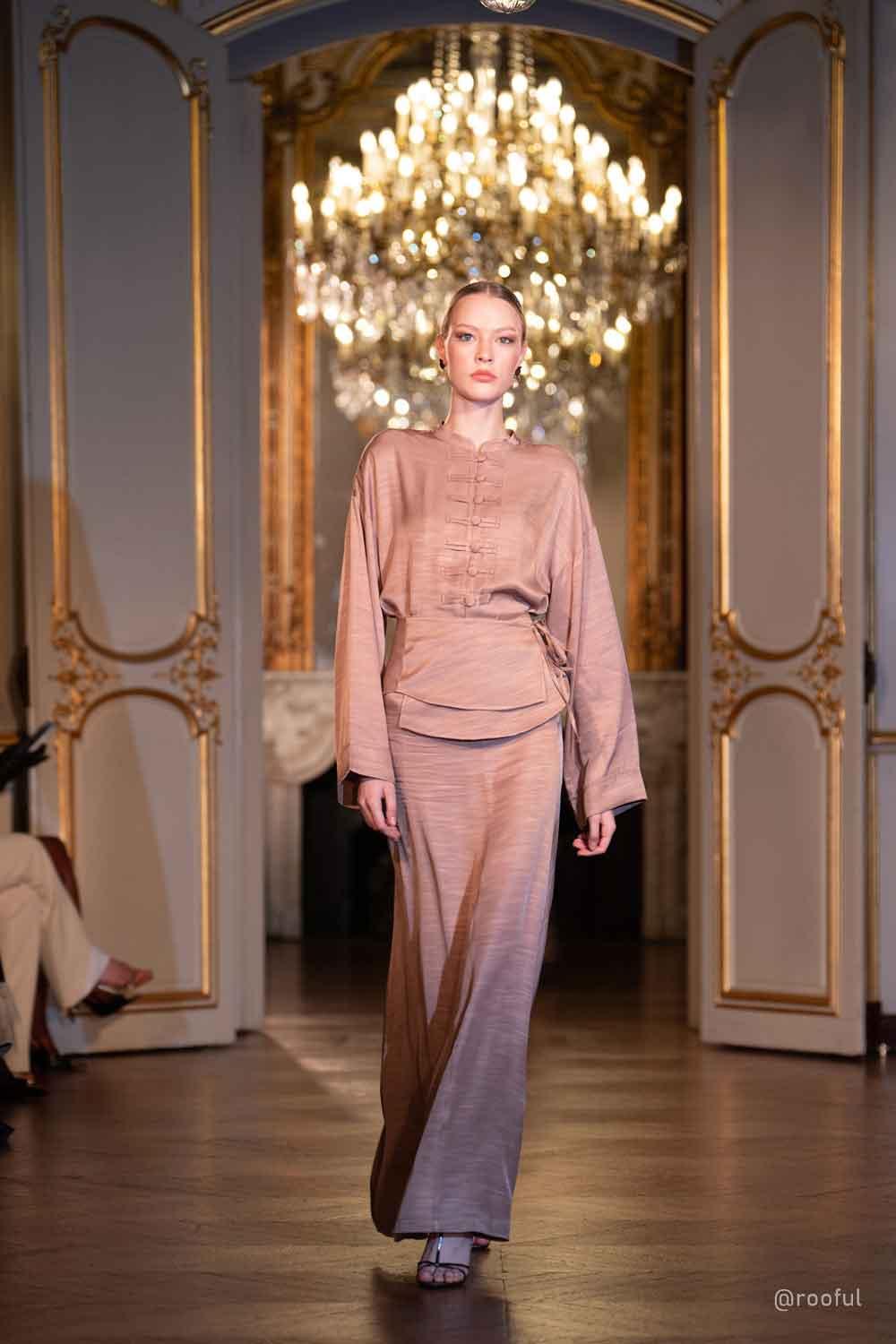
Turkish label Miha presented eveningwear so refined it genuinely rivalled the elegance of established European luxury houses. Soft florals drifted across gowns with extraordinary precision. The silhouettes moved beautifully. Every detail felt considered. Watching the models walk, I remember thinking that this was the exact kind of collection fashion insiders claim to want. Feminine. Contemporary. Emotional. Intelligent.
Then came Afrik Abaya from Nigeria, which brought a completely different energy to the runway. Rich geometric prints exploded across flowing abayas in sunset tones and architectural cuts. The collection carried the confidence of African textile heritage while feeling entirely future facing. It was impossible not to look.
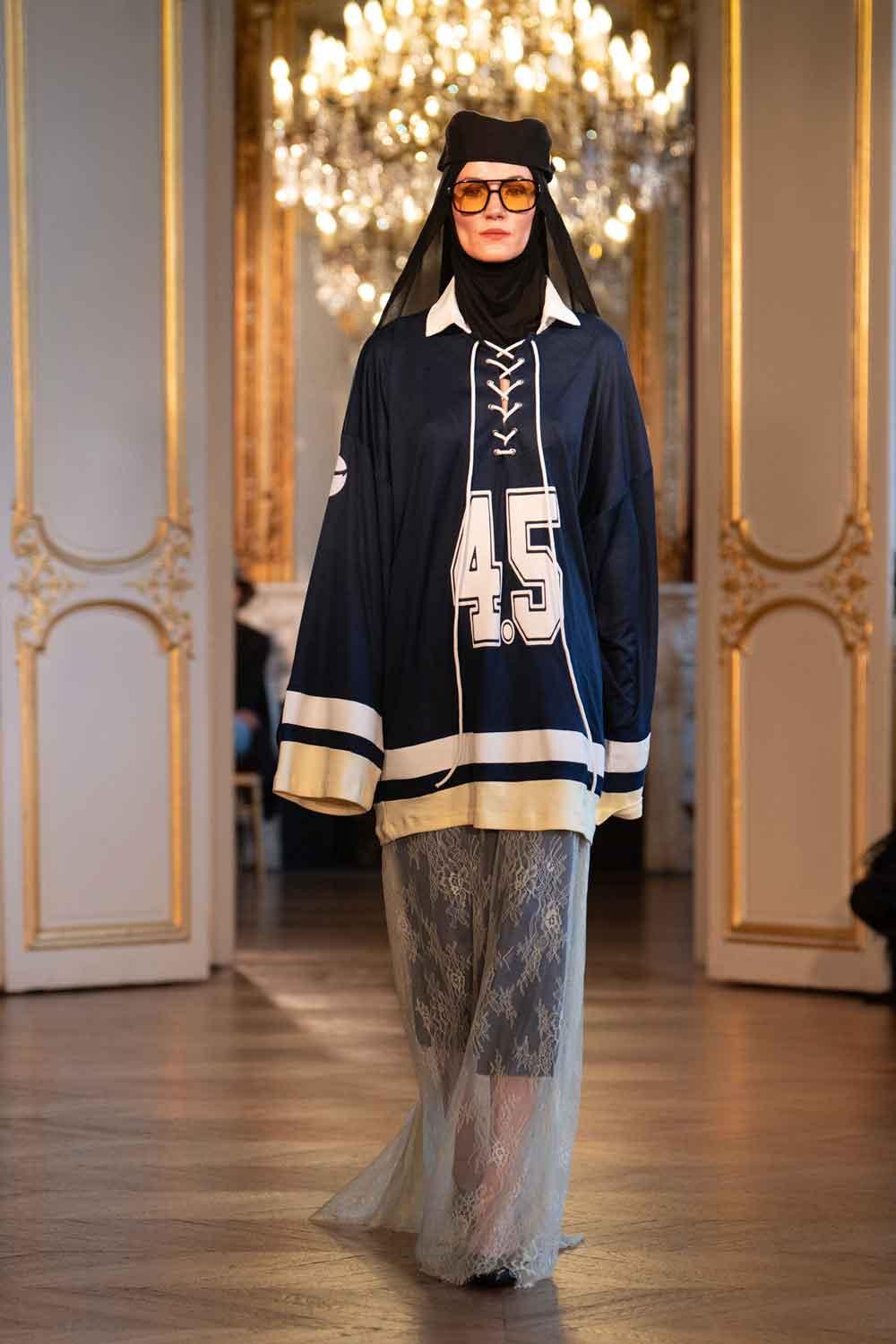
Indonesia’s Nada Puspita offered softness and fluidity. Serbia’s Sedzda Couture delivered gold detailing and dramatic structure. France’s own Soutoura injected streetwear influences into modest dressing with oversized shirts, midi skirts and relaxed tailoring that felt unmistakably Parisian.
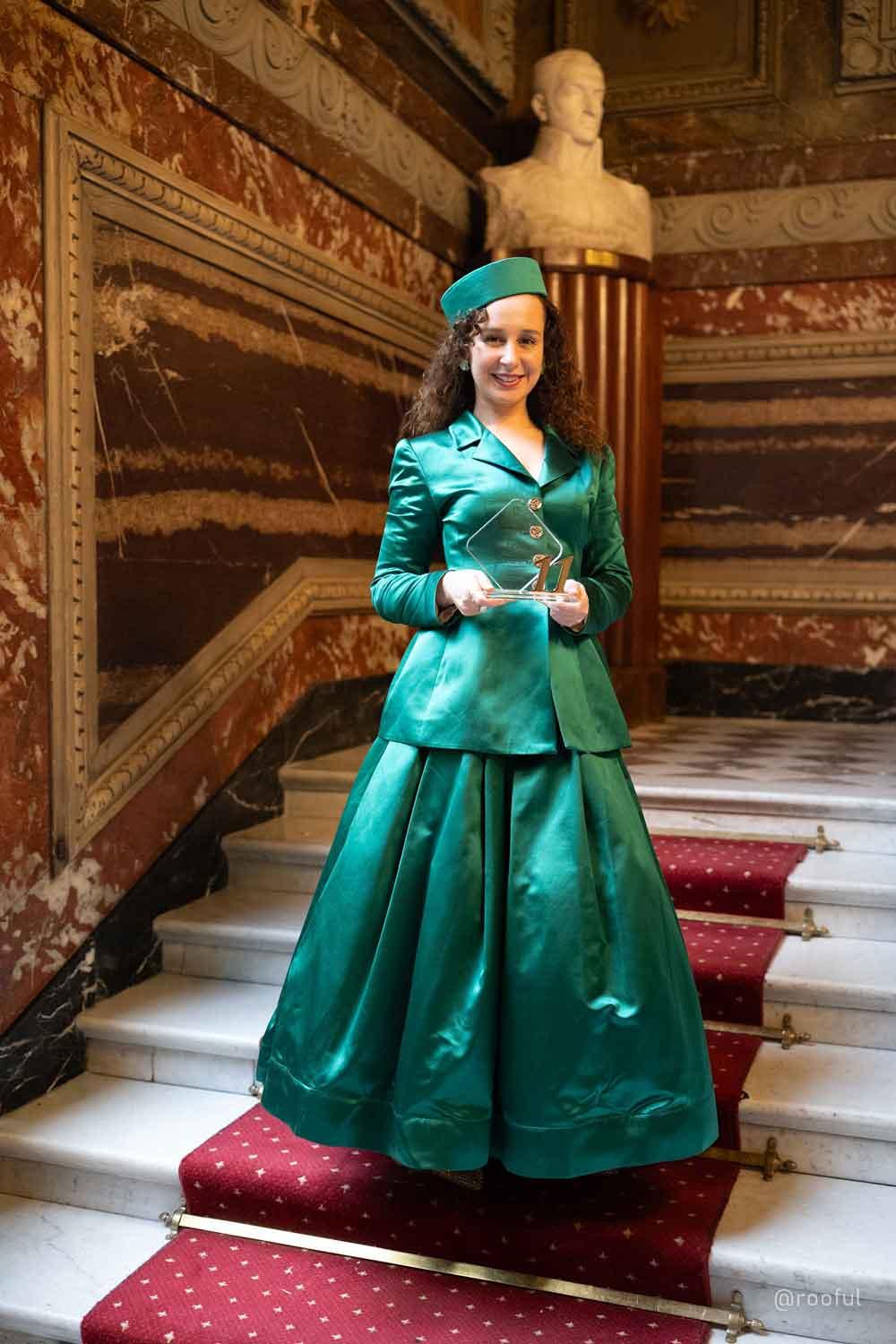
Every show challenged the audience to rethink what modest fashion actually means. Because modest fashion is not one look. It is not one religion. And it certainly is not one type of woman. That became increasingly clear throughout the week as I watched women from every possible background interpret modest dressing in entirely different ways. Some wore hijab. Others did not. Some embraced maximalism with layering and colour. Others leaned into monochrome minimalism. Yet there was a common thread running through every collection and every conversation.
Intentionality. Women dressing for themselves. Women choosing shape, movement and identity over performance. As someone who has spent twelve years in journalism and storytelling, I found myself thinking constantly about the narratives women have inherited around fashion. For decades, so much of mainstream style has centred around visibility. Exposure. Display. The idea that confidence is directly linked to how much of yourself you reveal.
Paris Modest Fashion Week challenged that framework completely. The women I met there were some of the most confident women I have ever encountered. Powerful CEOs. Creatives. Designers. Investors. Journalists. Women who understood themselves deeply and dressed accordingly. There was freedom in that. I felt it myself throughout the week.
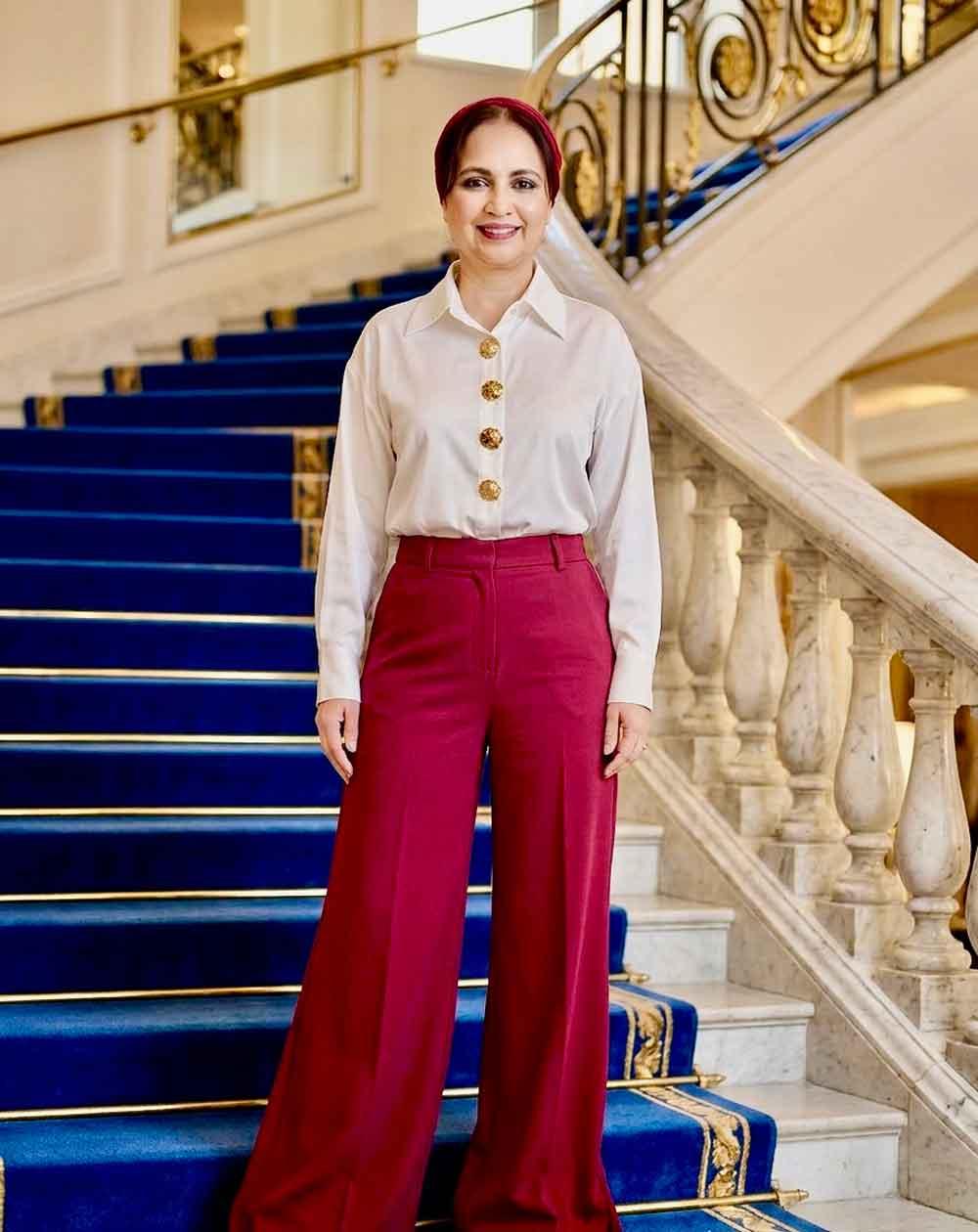
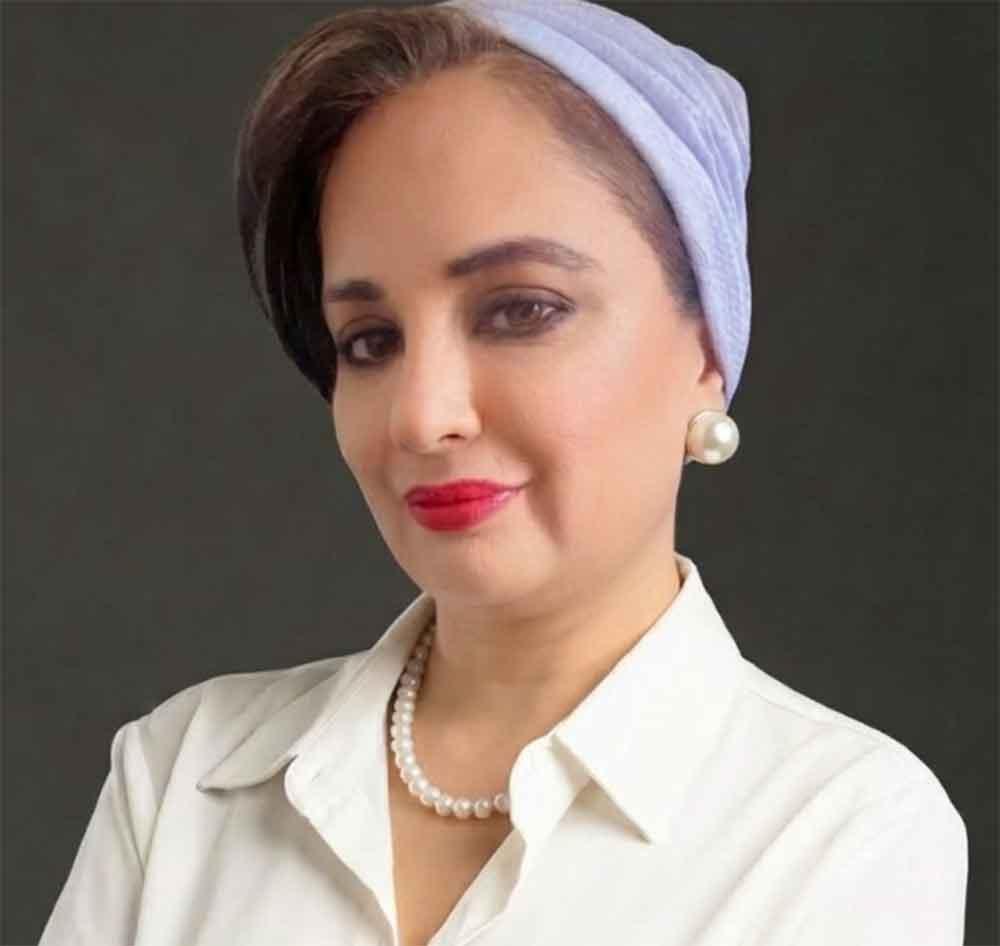
For one evening on the terrace at Hotel Le Marois, I wore wide leg white trousers with a bold fuchsia textured cardigan, layered pearls and a red turban headscarf. Relaxed but intentional. Comfortable but polished. One of the things I loved most about being in Paris during this event was the complete absence of compromise. Nobody was asking women to dilute themselves in order to participate in fashion. Inside the shows, I wore a black pleated maxi dress beneath an oversized pinstripe blazer with a vivid pink scarf and red lipstick. Standing beneath the gilded interiors of the hotel, surrounded by women from every corner of the world, I realised something very clearly.
We were no longer explaining modest fashion to the industry. The industry was finally responding to us. That distinction matters enormously. For years, modest fashion existed in parallel to mainstream fashion rather than inside it. Women built their own solutions because traditional retail failed to serve them properly. Sleeves were added. Necklines altered. Skirts layered. Creativity flourished precisely because women were forced to innovate around an industry that rarely designed with them in mind.
Now the global market has caught up. And the numbers explain why. The modest fashion industry is currently valued at hundreds of billions globally. Luxury houses have taken notice. Retailers have invested heavily. International campaigns increasingly feature women styled modestly because brands finally understand something consumers have known for years.
Coverage does not diminish style. In many ways, it enhances it. Long silhouettes create drama. Layering creates texture. Tailoring becomes more important. Accessories become storytelling devices. The eye travels differently across an outfit when styling is built around composition rather than exposure. That evolution was visible everywhere in Paris.
What also moved me deeply was how universal the conversation felt. As a woman with South Asian heritage, I kept thinking about how naturally modest dressing exists across cultures that are rarely included in mainstream fashion narratives. Muslim women. Hindu women. Buddhist women. Orthodox Jewish women. Women who cover for faith. Women who cover for comfort. Women who simply prefer elegance over exposure. The audience in Paris looked like the world. And for many women watching online, perhaps for the first time, it also looked like them. That representation matters more than people realise.
Fashion has always been about aspiration, but aspiration becomes transformative when people finally see themselves reflected within it. The women sitting front row in Paris reminded me so much of women from Colombo, Birmingham, Dubai and countless other cities where modest dressing has long existed beautifully without validation from Western fashion capitals. Paris simply amplified what women already knew.
One of the most impressive figures behind the entire movement is Ozlem Sahin, whose vision brought the event to Paris after years of building the global Modest Fashion Week platform. Speaking with designers and attendees throughout the week, her impact was impossible to ignore. This was not simply an event. It was infrastructure. An ecosystem connecting designers, buyers, manufacturers, media and consumers across continents. Serious business with serious commercial ambition behind it. And perhaps that is why Paris mattered so much. Because Paris remains fashion’s ultimate symbolic approval. It is the city where trends become movements. Where aesthetics gain legitimacy. Where the industry decides what deserves global attention.
This April, Paris said yes to modest fashion. Not cautiously. Not conditionally. Completely. As I left Hotel Le Marois after the final runway show, I remember pausing outside beneath the Paris evening light and thinking about how different the industry will look in five years because of moments like this. The next generation of designers already understands what older fashion systems struggled to grasp. Women are not a monolith. Fashion cannot survive by designing for one narrow standard of femininity anymore. Consumers want flexibility. They want identity. They want clothing that allows them to move through the world on their own terms. And increasingly, they are finding it within modest fashion. I returned home from Paris energised creatively and professionally. The week reminded me that storytelling matters because culture shifts first through narrative before it shifts commercially. Fashion changes when enough people begin seeing beauty differently.
That is exactly what happened in Paris this April. The conversation is no longer whether modest fashion belongs within the global industry. That question has already been answered. The real question now is how far this movement will go. And after what I witnessed in Paris, I suspect the answer is everywhere.
About The Writer
Emb Hashmi is an award-winning journalist, presenter, and storyteller with over 12 years of experience across the BBC, including Radio 4, the World Service, and the BBC News Channel.