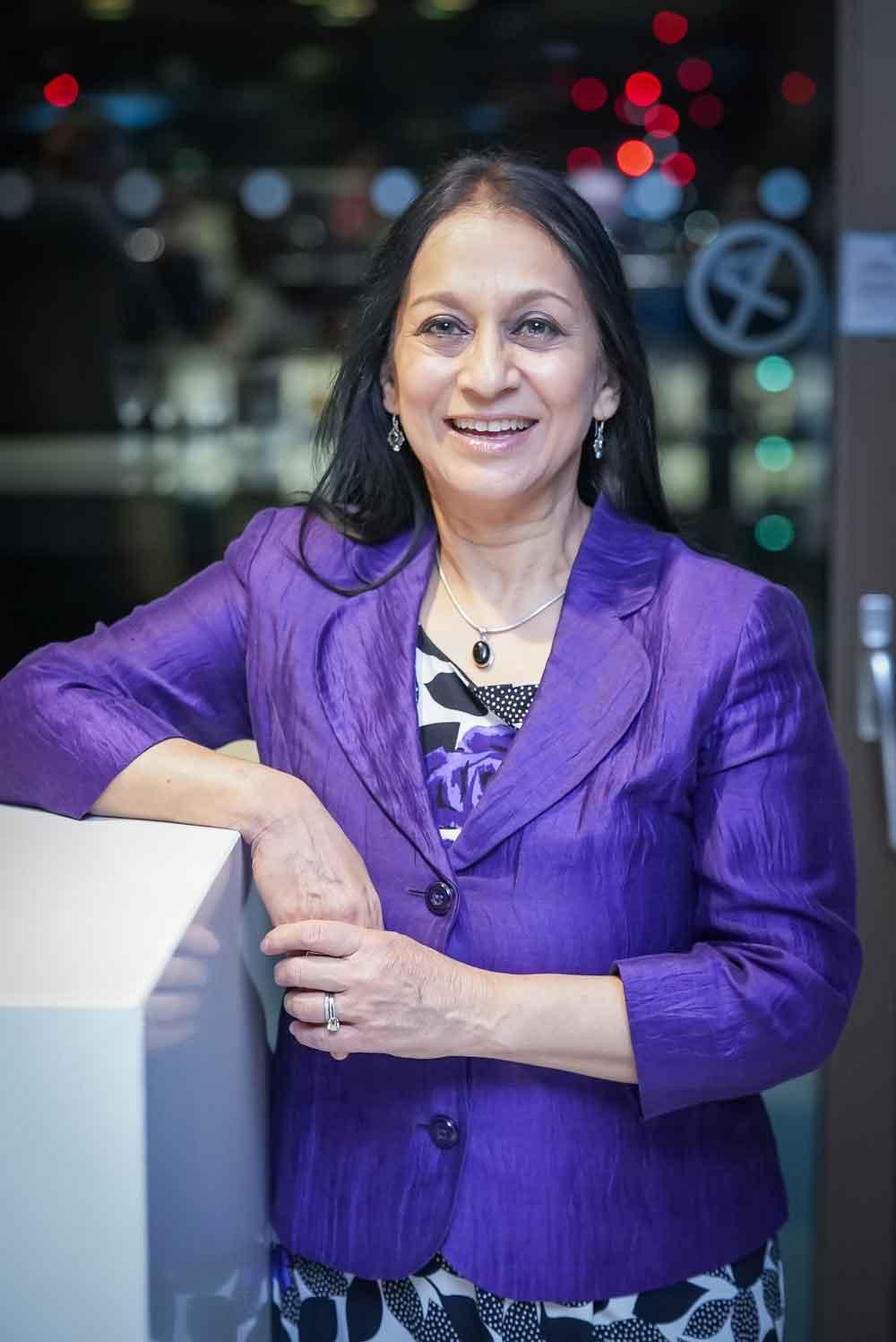
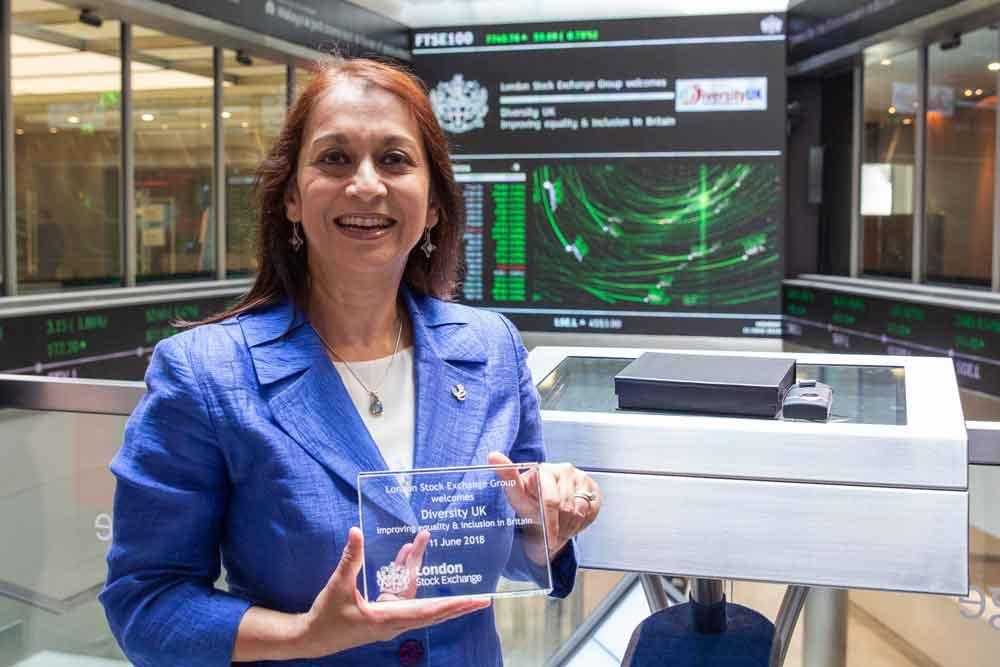
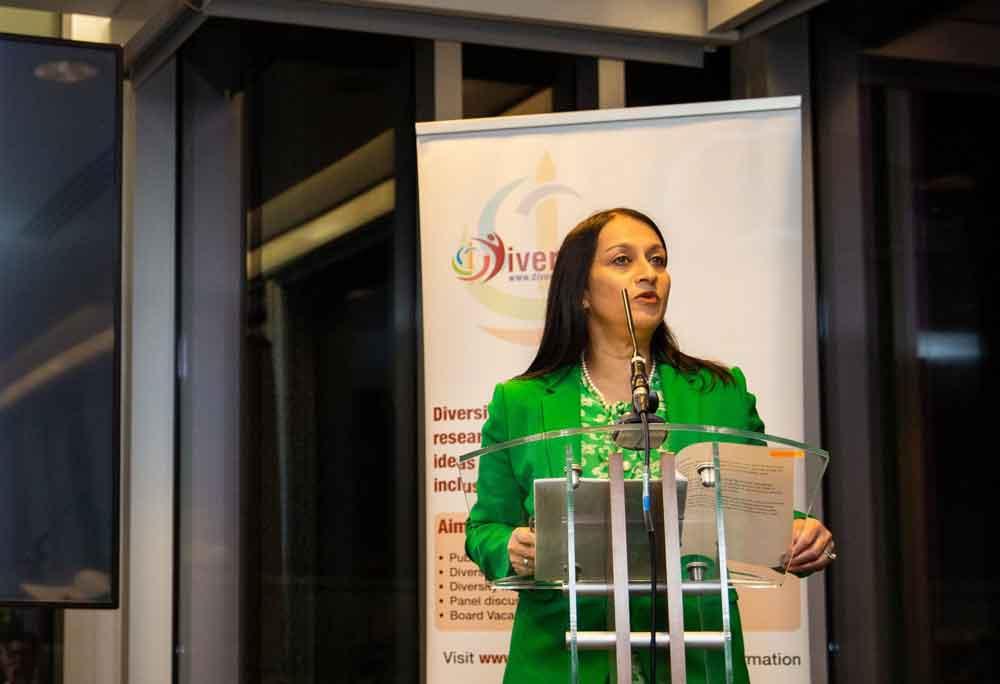
LOPA PATEL, MBE CHAIRPERSON, DIVERSITY UK
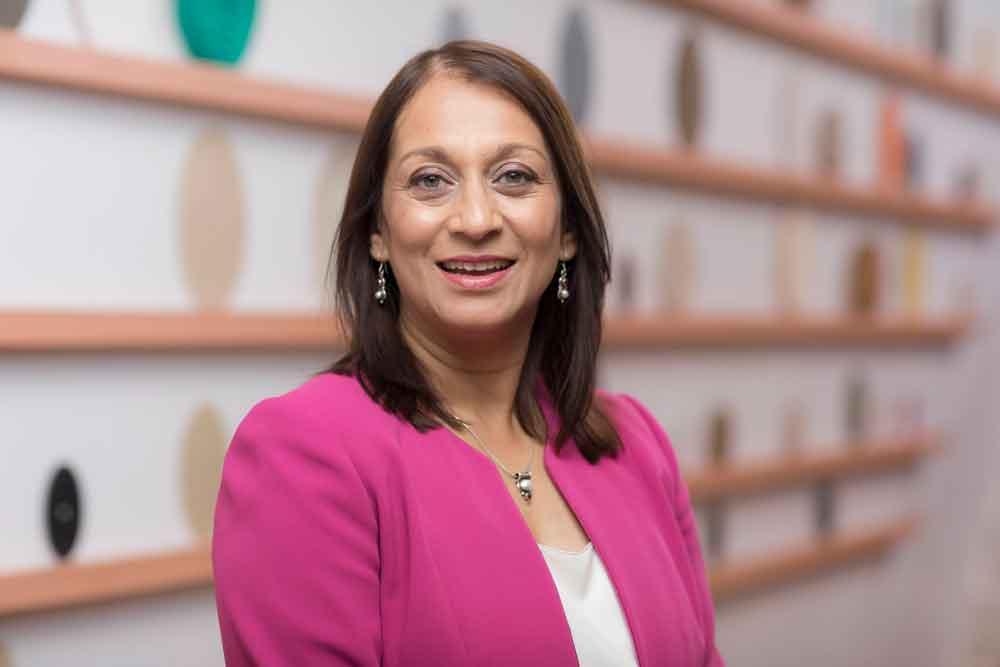
SHE CAN BY RISHINI WEERARATNE
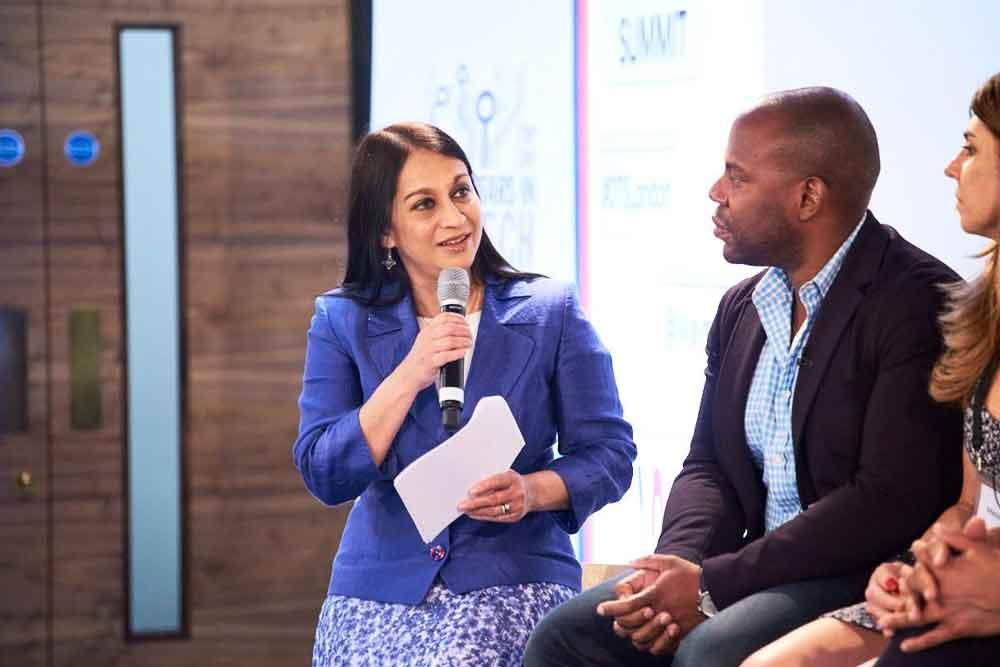
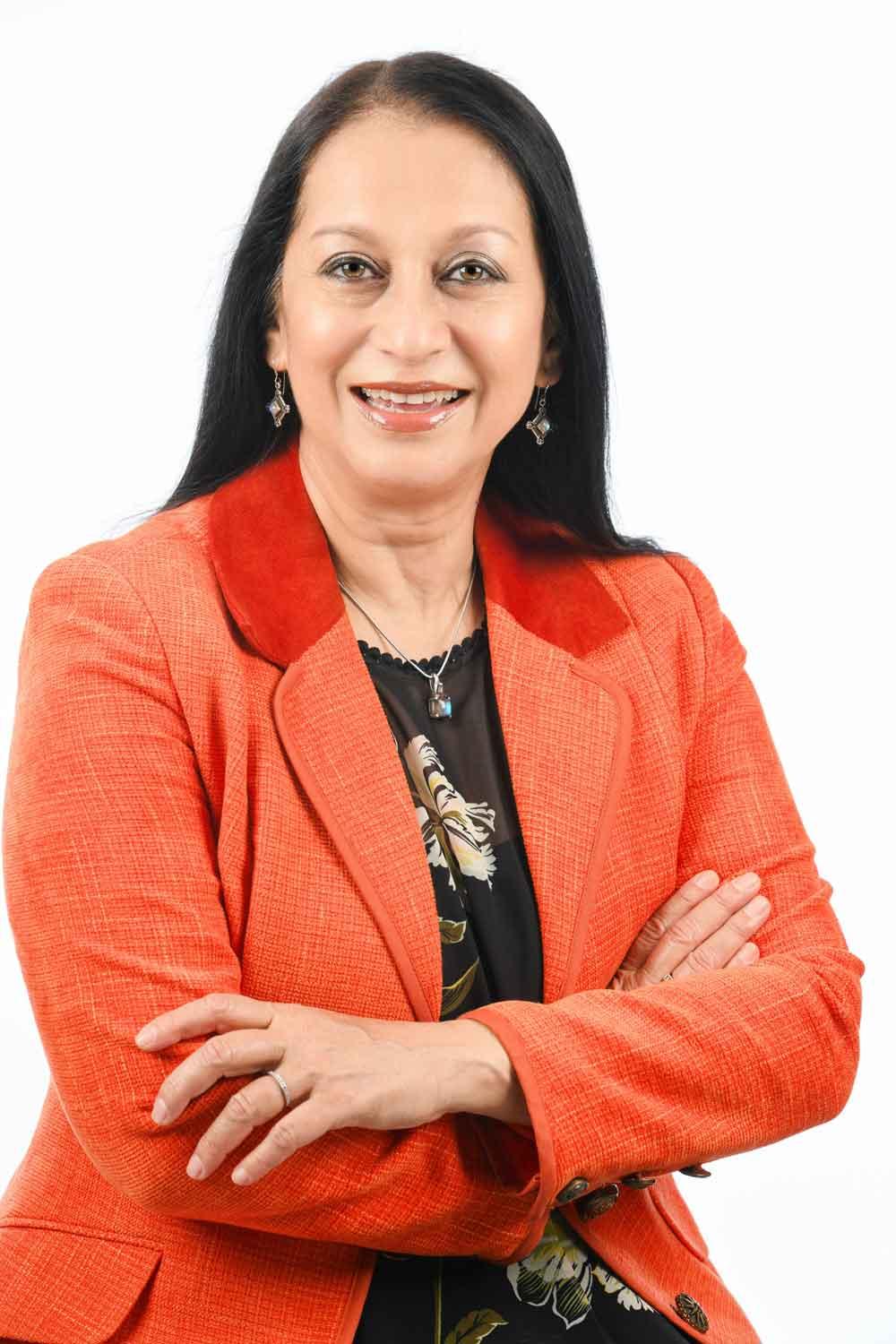
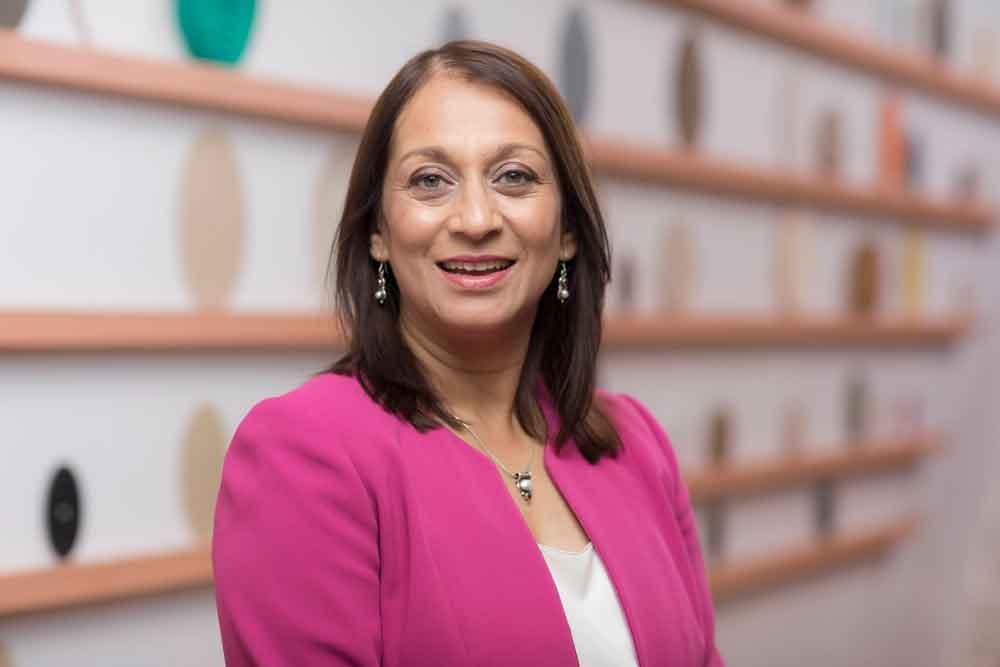
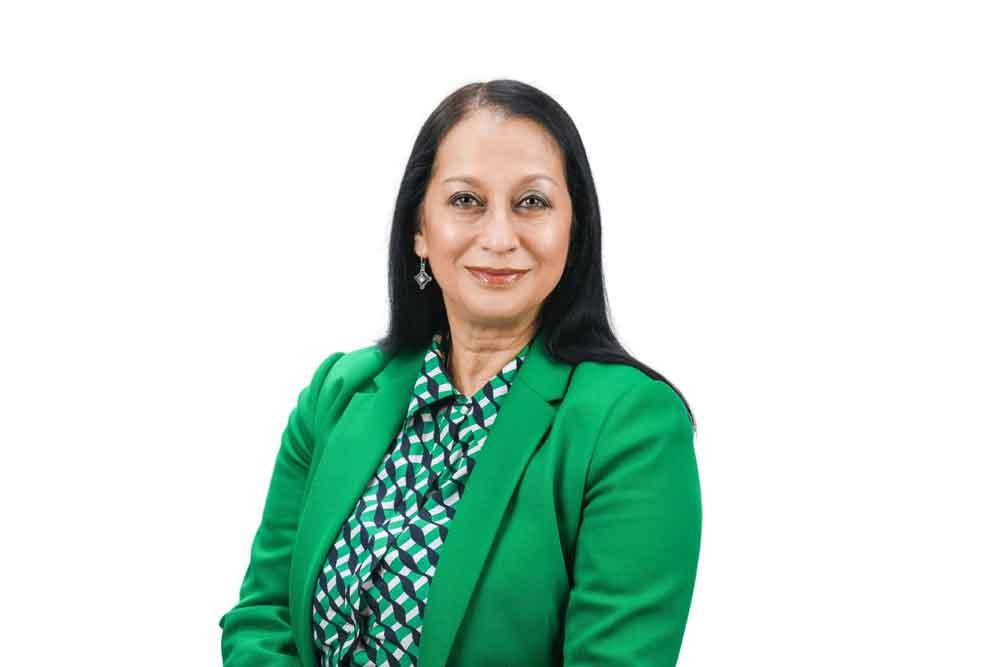
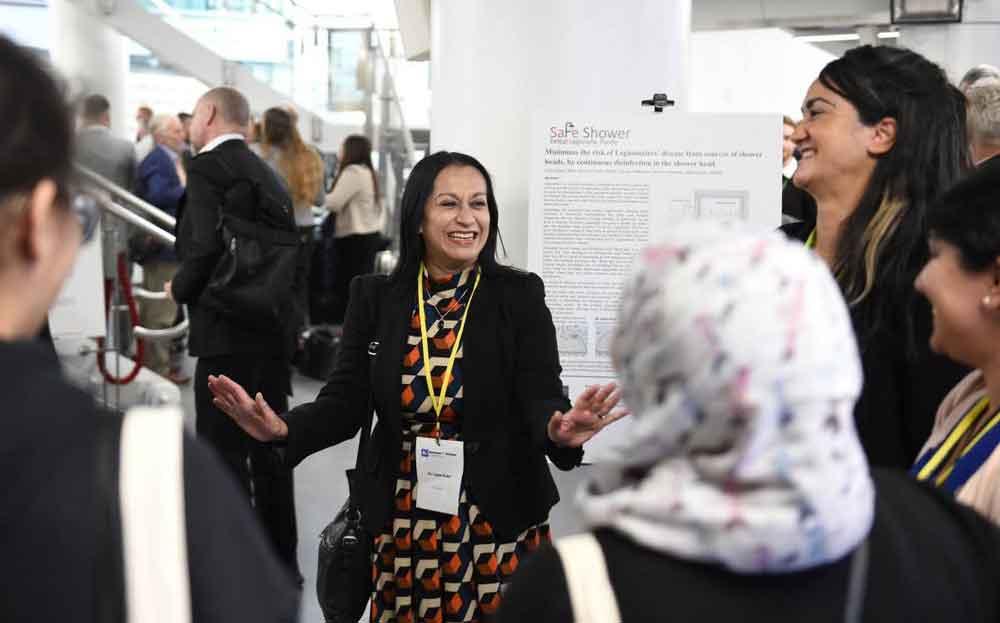
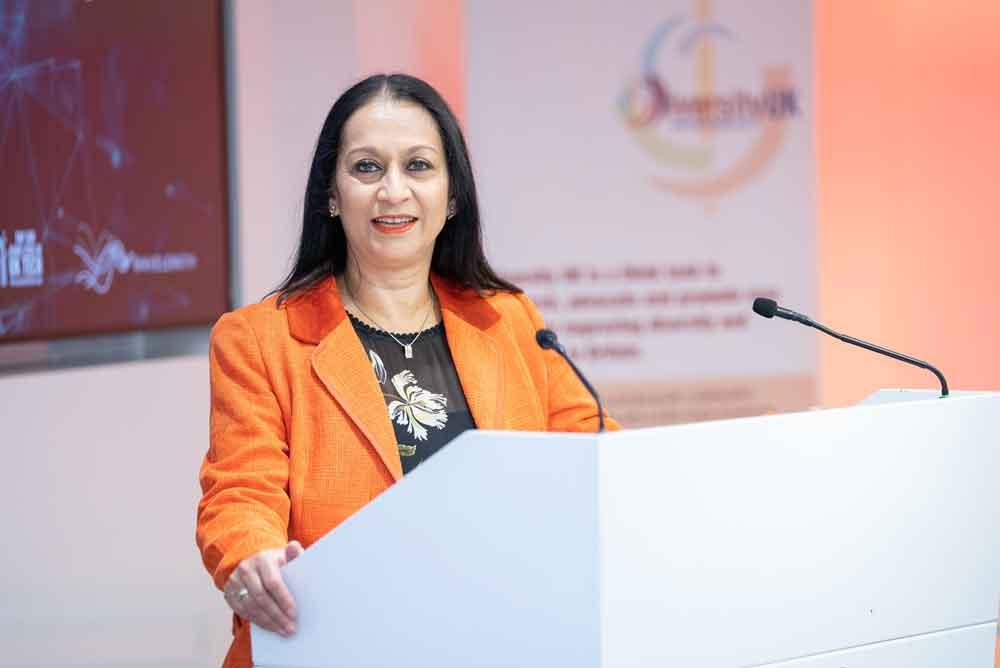
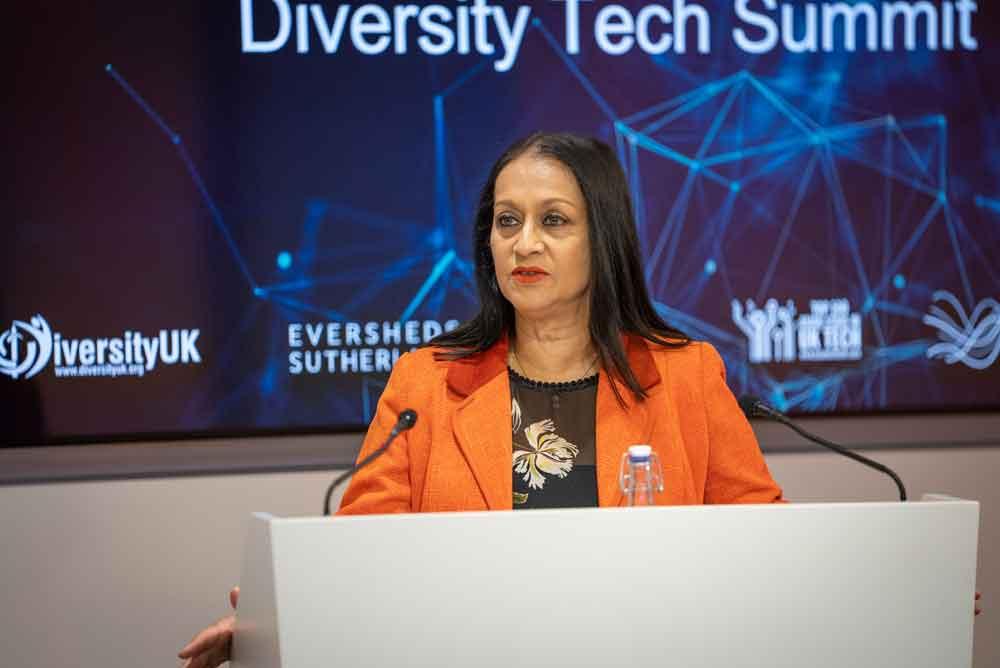
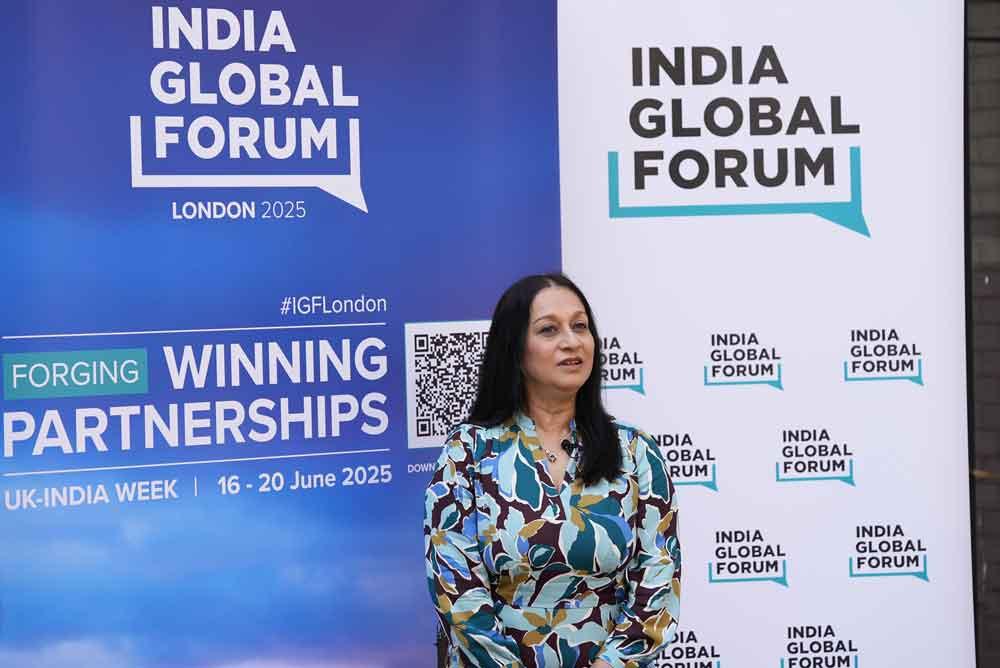
 I was first introduced to digital media entrepreneur Lopa Patel by Daily Mirror columnist Farzana Baduel at an Indiaspora reception held at the House of Commons during Diwali in 2025. What began as a brief introduction amid the festive bustle soon led to a more reflective conversation weeks later over tea at Maison Estelle. Sitting across from Lopa that afternoon, it is difficult to believe that the confident digital pioneer before me was once so shy that a secondary school teacher assumed she could not speak English. Ironically, Lopa has always loved the English language and was educated entirely in it. For more than two decades, Lopa built an influential career in journalism and digital publishing, creating diaspora platforms such as RedHotCurry.com, known for its mix of curry recipes, Bollywood gossip and cultural commentary, and the New Asian Post, which reported on community news and business. When RedHotCurry launched in 2001 it quickly became a sensation, earning a “Site of the Week” nomination from Yahoo! and attracting hundreds of thousands of readers. Yet her journey began in quieter circumstances. The third child of traditional Gujarati Indian parents in Kenya, Lopa grew up in a household where daughters were expected to remain modest and unseen. Following the political upheavals of East Africa in the early 1970s, her family migrated to Britain and built a life around a small corner shop, instilling in her an early understanding of resilience and hard work. Today, Lopa is a Chair, Non-Executive Director and Trustee recognised for her strengths in technology, governance and risk oversight. She currently serves as Chair of the Audit & Risk Committee and Independent Non-Executive Member of the NHS South-West Peninsula Cluster Board, Chair of the Finance & Performance Committee and Non-Executive Member of The National Archives Board, and Chair of equality charity Diversity UK. With a lifelong passion for science and technology, she champions innovation, AI and STEM, and has been recognised with numerous honours including an MBE, the Queen’s Award for Enterprise Promotion and an honorary doctorate from The Open University.
Share with us in summary your journey from classroom to boardroom?
My journey has been far from linear. I grew up in North London as the daughter of immigrant parents who ran a small shop. Like many children of immigrant families, education was seen as the main path to security and stability. Yet I was incredibly shy and often hesitant to speak up, something that shaped my early years. My professional journey began unexpectedly when I took a printing business. That experience became a powerful training ground in entrepreneurship. From there, I gradually transformed the business into a database management and direct marketing company, which exposed me to the power of data and communications. Later, I moved into journalism and digital media, creating platforms that served diaspora communities.
Over time, this work expanded into advocacy, board roles and leadership positions focused on inclusion. The journey from classroom to boardroom has really been about learning to find my voice and helping others do the same.
Share with us a summary of your personal journey?
Personally, my journey has been about overcoming invisibility. Growing up in a traditional immigrant household, there were expectations about how a “good girl” should behave; quiet, modest and not overly ambitious. Those cultural expectations sometimes made it difficult to imagine a leadership role for myself. Yet curiosity and determination pushed me forward. Journalism gave me a platform to ask questions, tell stories and highlight issues affecting communities that were often overlooked. Through my work in media and diversity advocacy, I gradually built networks and confidence. What started as a search for my own voice evolved into a mission to amplify the voices of others. That personal transformation, from someone who struggled to speak up to someone advocating for representation, has been the most meaningful part of my journey.
You began your career by taking over a printing business and transforming it into a database-management and direct-marketing company. What inspired you to take that first leap into entrepreneurship, and what lessons still guide you today?
The leap into entrepreneurship was partly necessity and partly curiosity. Taking over a printing business meant stepping into responsibility at a relatively young age. But it also gave me an opportunity to innovate. I realised early on that the future of marketing would depend on data and targeted communication rather than traditional mass printing. That realisation led me to pivot the business toward database management and direct marketing services. It was a risk, but it allowed the business to evolve with changing technology. The lesson that still guides me today is the importance of adaptability. Markets change, technology evolves, and consumer behaviour shifts rapidly. Entrepreneurs need to remain curious and open to transformation. Another key lesson was resilience, when you build something yourself, setbacks are inevitable, but they also become powerful learning experiences.
What inspired you to launch RedHotCurry.com?
RedHotCurry.com was born from a desire to connect communities and celebrate culture in a digital space. At the time I launched the website in 2001, the internet was still relatively new, and diaspora communities were underrepresented online. I wanted to create a platform that combined culture, food, entertainment and community stories in a way that felt authentic and engaging. The website quickly resonated with audiences because it reflected the interests and identities of people who were often overlooked by mainstream media.
It featured everything from curry recipes to Bollywood news and community stories. Its early success demonstrated that there was a real appetite for diaspora storytelling and cultural connection online.
As founder of Diversity UK, what was your original vision and how has it evolved?
When I founded Diversity UK, my vision was to highlight and celebrate the achievements of underrepresented individuals, particularly in business and technology. I wanted to challenge stereotypes by showcasing success stories that might otherwise remain invisible. Over time the initiative evolved into a broader platform that promotes inclusion across multiple sectors. It includes research, events, mentoring and recognition initiatives such as technology rankings and leadership lists. The goal remains the same, increasing visibility and creating opportunities, but the scale and impact have grown significantly.
Can you describe a moment when you realised a diversity initiative had real impact?
One powerful moment was when we launched recognition initiatives highlighting Asian talent in the UK technology sector. Many people who appeared on these lists told us that the visibility helped open doors to new opportunities, partnerships and investment. Seeing individuals gain recognition and confidence through these initiatives reinforced the idea that representation matters. When people see others who look like them succeeding, it changes what they believe is possible.
How do you decide which projects or boards to get involved with?
I look for alignment with my values and the potential to create meaningful impact. Board roles require time, commitment and responsibility, so it’s important that the work contributes to something larger than personal advancement. I’m particularly interested in organisations that are undergoing transformation or working to improve inclusion and innovation. If I feel that my experience can help guide strategic change or bring new perspectives, that’s usually a strong reason to get involved.
What are the biggest challenges for public sector organisations trying to modernise?
One of the biggest challenges is balancing innovation with accountability. Public sector organisations must maintain trust, transparency and stability while also adapting to rapid technological change. Digital transformation requires not only new tools but also new ways of thinking. Cultural change within organisations can often be more difficult than technological change itself. However, when implemented well, digital innovation can significantly improve efficiency, accessibility and public service delivery.
Do you think visibility alone is enough to bring equity?
Visibility is an important first step, but it is not sufficient on its own. Highlighting role models can inspire people and shift perceptions, but deeper structural changes are needed to achieve true equity. These include fair access to funding, inclusive recruitment practices, mentorship opportunities and policies that address systemic barriers. Visibility can open the door, but structural reform ensures that people can actually walk through it.
What systemic barriers to diversity surprised you most?
One of the most surprising barriers is how deeply embedded unconscious bias can be in systems and institutions. Even well-intentioned organisations can unintentionally perpetuate inequality through hiring practices, funding decisions or leadership structures. Addressing these issues requires awareness, transparency and commitment to change. It also requires diverse leadership that brings different perspectives into decision-making processes.
Have you ever faced discrimination?
Like many people from minority backgrounds, I have encountered moments where I felt underestimated or overlooked. Sometimes it was subtle, assumptions about capability or leadership potential. Rather than allowing those experiences to discourage me, I used them as motivation to create platforms and opportunities for others who might face similar barriers.
What does recognition such as being named among the UK’s top female founders mean to you?
Recognition is always gratifying, but I see it more as validation of the broader work being done in the ecosystem rather than a personal achievement. Many people contribute to the success of initiatives and platforms. Staying grounded comes from remembering why the work began in the first place, to create opportunities, highlight talent and build inclusive communities.
How can emerging technologies be harnessed for social good?
Technologies such as AI and data analytics have enormous potential to improve access to education, healthcare and economic opportunity. However, they must be designed and implemented responsibly. If diverse voices are included in technology development, these tools can help reduce inequality rather than reinforce it. Ethical design and inclusive innovation are critical.
What common mistakes do entrepreneurs from underrepresented backgrounds make?
One common challenge is underestimating the importance of networks and mentorship. Building strong professional relationships can open doors that technical skills alone cannot. Another challenge is hesitating to pursue opportunities due to self-doubt. Confidence and persistence are essential qualities for any entrepreneur.
What personal traits helped you most on your journey?
Curiosity, resilience and adaptability have been essential. The ability to keep learning and evolving has helped me navigate changing industries and opportunities. Equally important has been the willingness to take risks and step outside my comfort zone.
What changes do you hope to see in the UK tech ecosystem in the next decade?
I hope to see a more inclusive and equitable entrepreneurial landscape where talent from all backgrounds has access to opportunities, funding and mentorship. Greater diversity in leadership and investment communities will help create a more innovative and representative ecosystem. Ultimately, success should be determined by ideas and capability, not background or circumstance.