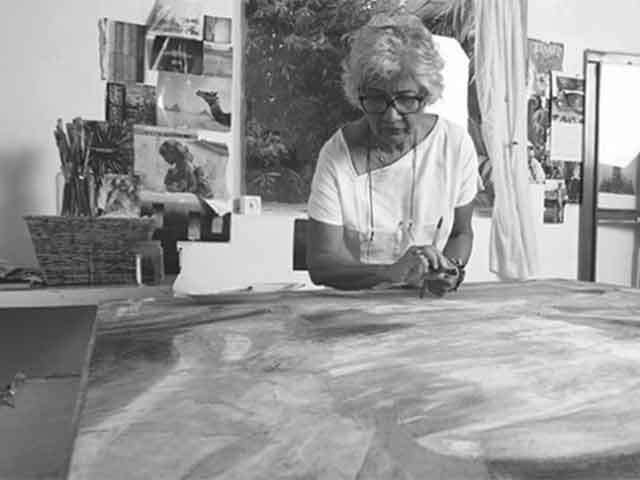
In Conversation with Kamani Jinadasa, Founder, Shanthi Maargam:
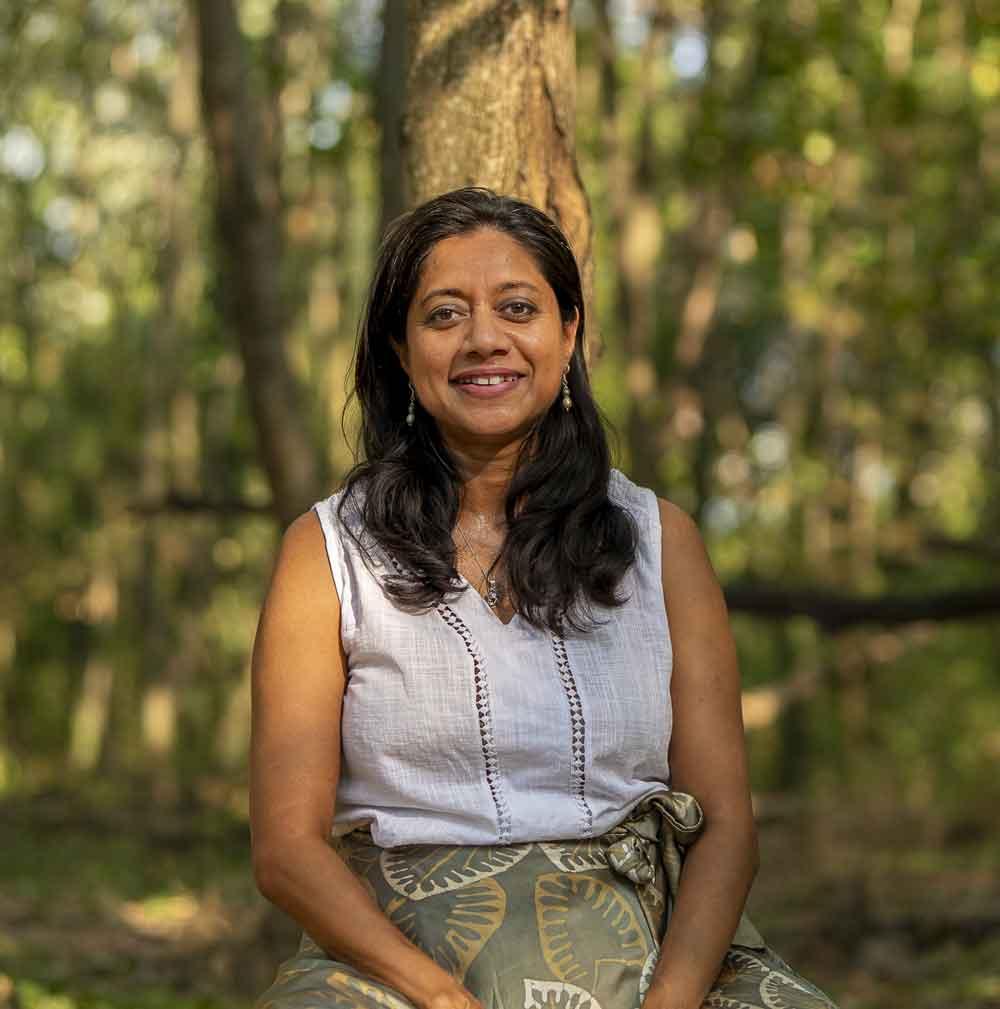
By Yashmitha Sritheran
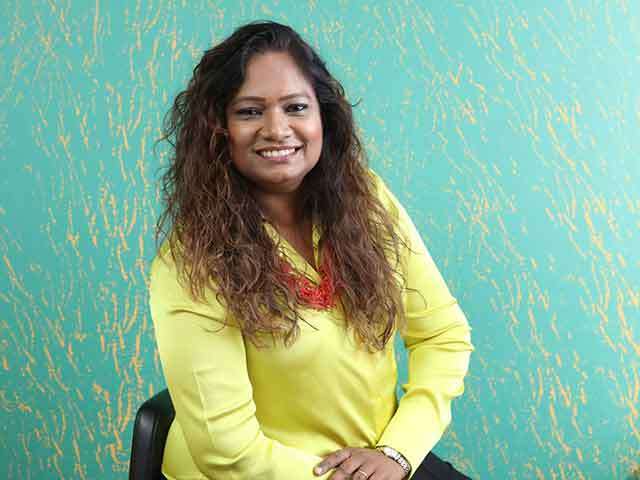
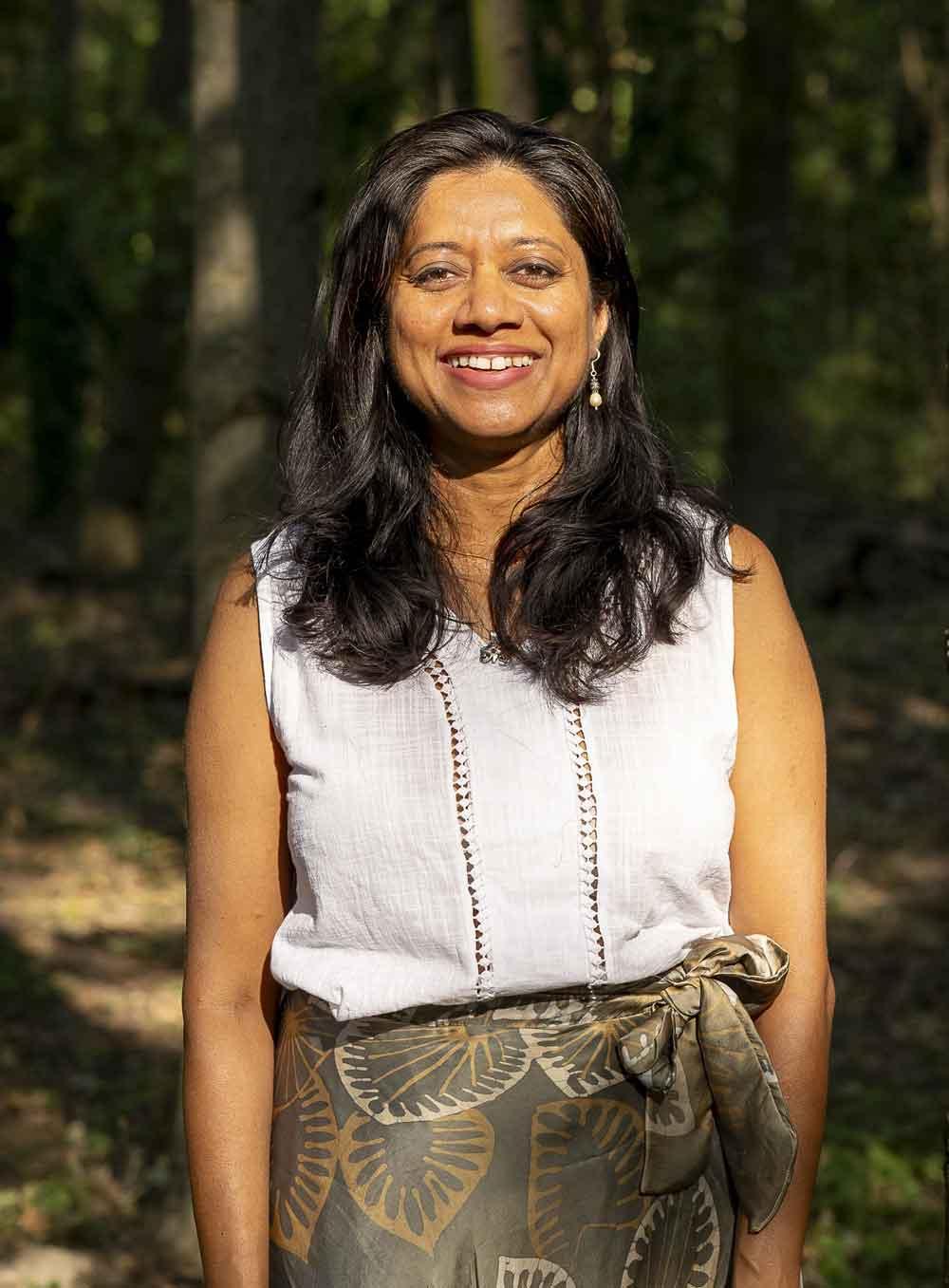
Mental health among children and young people remains one of Sri Lanka’s most pressing yet under-discussed challenges. From childhood trauma and violence to anxiety, depression, substance abuse and suicidal thoughts, young people are navigating complex emotional realities while access to appropriate support remains limited. For Kamani Jinadasa, Founder and Executive Director of Shanthi Maargam, supporting children and young people through emotional and mental health challenges has become an important part of her voluntary work over the past decade. Her primary area of professional work remains gender and gender-based violence, an area in which she has worked for more than two decades. Her experience in understanding violence, gender and masculinities led her to recognize the importance of addressing childhood trauma and creating safe spaces for young people. In this conversation, Jinadasa reflects on childhood trauma and violence, the mental-health needs of Sri Lankan youth, the challenges facing boys and young men, and why mental health must become a collective responsibility.
What was the experience that led you to establish Shanthi Maargam, and what gap did you feel was missing in Sri Lanka’s support system for young people?
The decision to establish Shanthi Maargam 10 years ago came from wanting to create a space for emotional healing and wellbeing for children and youth through a youth centre. The motivation was initially connected to reducing violence in communities, particularly gender-based violence. Research was increasingly showing a connection between childhood trauma among boys and a higher likelihood of violence perpetration later in life. That made me realize there was a need to intervene much earlier and provide young people with emotional support.
You have spent more than two decades working around gender, violence and masculinities. How did that shape your understanding of the connection between childhood trauma and violence later in life?
I was always curious about why men perpetrated violence because understanding that would also help us find ways to prevent it. It was frustrating to see women and girls constantly being taught to protect themselves and make adjustments to their lives to “avoid” gender-based violence when it is not their fault. At CARE International Sri Lanka, I led a pilot project in 2010 that focused on working with men and boys to reduce gender-based violence. Together with my team and Partners for Prevention, we conducted one of the largest quantitative studies among men in Sri Lanka to understand attitudes and perceptions linked to gender-based violence. One finding that particularly stayed with me was that at least one-third of the male participants had experienced childhood sexual abuse, and these men were twice as likely to perpetrate gender-based violence as those who had not experienced it. Another shocking finding was that almost 30% of men had been between 15 and 19 when they perpetrated their first rape, including sexual violence. These findings strongly motivated me to focus on working with male youth.
What does a genuinely safe space look like for a young person dealing with trauma, abuse or emotional distress?
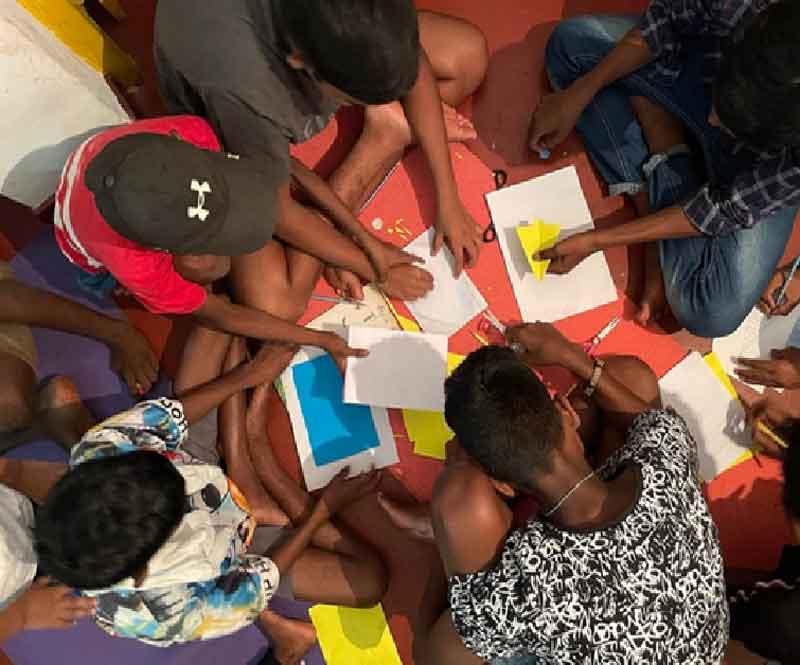
For us, it meant creating a place where children and youth could feel safe accessing mental health services despite the strong stigma surrounding mental health in Sri Lanka. Our experience has shown that these spaces need to be affordable, which is why our services were free. They also need to be easily accessible to the community and connected by public transport. Most importantly, young people need to know that the people supporting them are nonjudgmental, inclusive and respectful of different ethnicities, religions, genders and sexual orientations. They need to know that what they share is confidential. A safe space is not simply a physical location. It is somewhere a young person can feel heard, respected and accepted without fear of being judged.
What are the biggest gaps in the way Sri Lanka currently responds to the mental-health needs of children and adolescents?
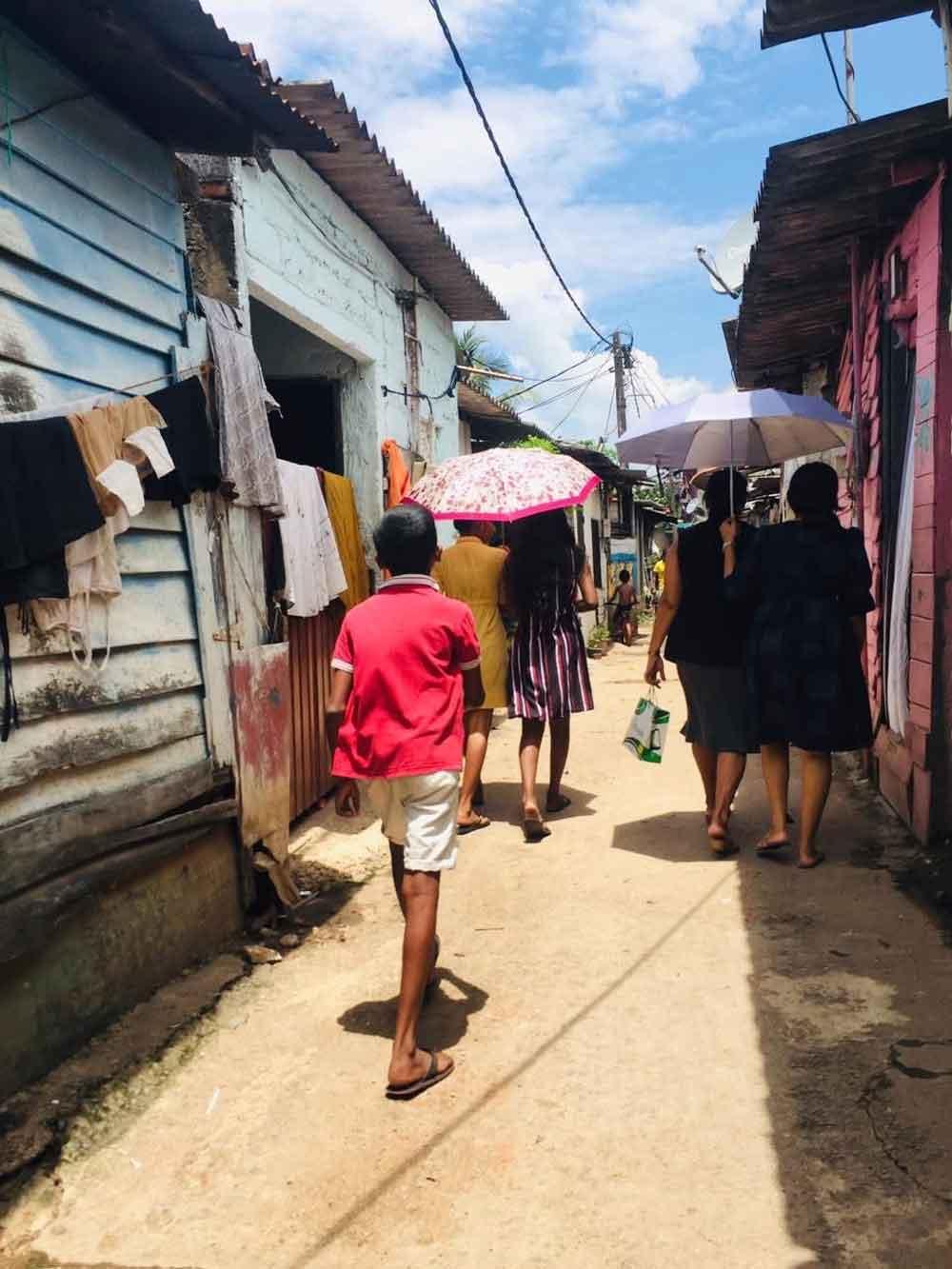
Recent studies have shown that the overall prevalence of mental-health problems among adolescents in Sri Lanka is higher than global average estimates. We are seeing loneliness, anxiety and thoughts of suicide among young people, and our experience at Shanthi Maargam reflects this. Stigma remains a major barrier. But even when children, young people or their parents want professional help, there is a huge gap in available services. Sri Lanka has only a small number of child psychiatrists and well-qualified, experienced psychologists, and many professionals left the country during the economic and political crisis. Services are also concentrated in urban areas such as Colombo, leaving very little support in remote communities. Government schools have counsellors, but their capacity and the number of students they are expected to support make it extremely difficult for them to provide adequate care.
Shanthi Maargam had to suspend its free counselling services because of funding difficulties. What does that reveal about the sustainability of mental-health services in Sri Lanka?
Stopping our free counselling service in 2025 was an extremely difficult decision. We had operated the only free mental-health hotline available in all three languages and supported children and youth across the country. The heartbreaking part is that young people still reach out to us, including those who are suicidal or who have previously accessed our services, but we have to refer them elsewhere. Sri Lanka is an incredibly altruistic country, and people respond generously to emergencies by providing food, clothing and other essentials. But psychosocial support is also an emergency need. Because our work is confidential, we cannot publicly share the stories of the children and young people we support. Donors also often want to see immediate results, while behavioural change takes time. Funding is another challenge. Mental health receives support from only a small number of donors, and funding is often available for only a year, while meaningful behavioural change requires much longer investments. Through a recent grant, we are recommencing free services in some urban-poor communities in Colombo. We hope to raise enough funding to eventually provide countrywide services again.
How difficult is it to convince donors, institutions and the wider public that investing in children’s mental health is as important as addressing physical or educational needs?
It is very difficult, particularly because of the challenges I mentioned. I also think there is a personal element to this. If someone has never sought mental-health support themselves or overcome their own stigma around it, it can be difficult for them to openly understand or support this work. We also need to recognise that mental health is not something separate from education, physical health or development. A child cannot reach their full potential if they are struggling emotionally and have nowhere to turn.
Sri Lankan young people have grown up through COVID-19, the economic crisis and social uncertainty. What changes have you observed in their emotional needs?
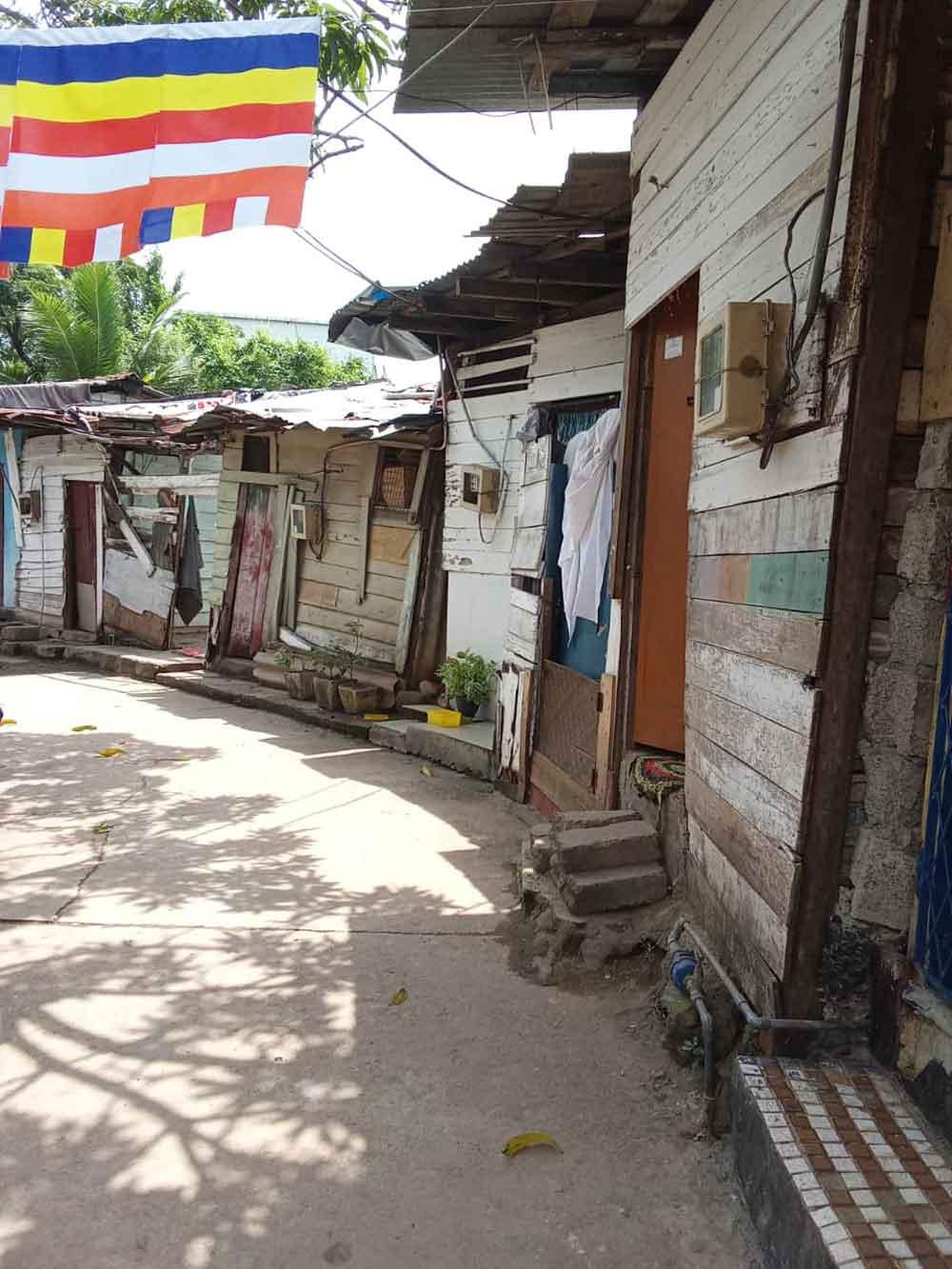
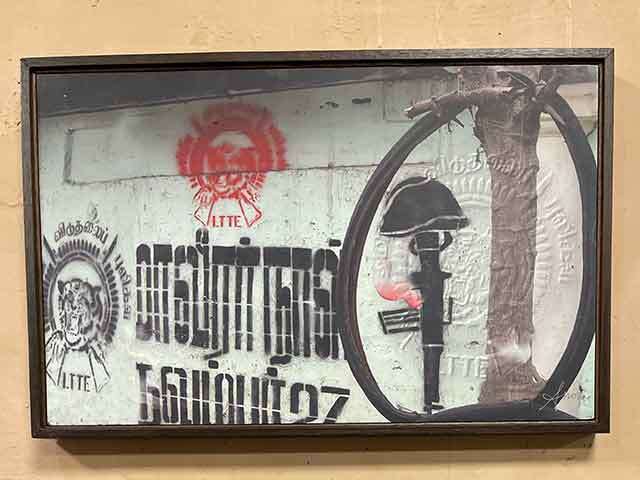
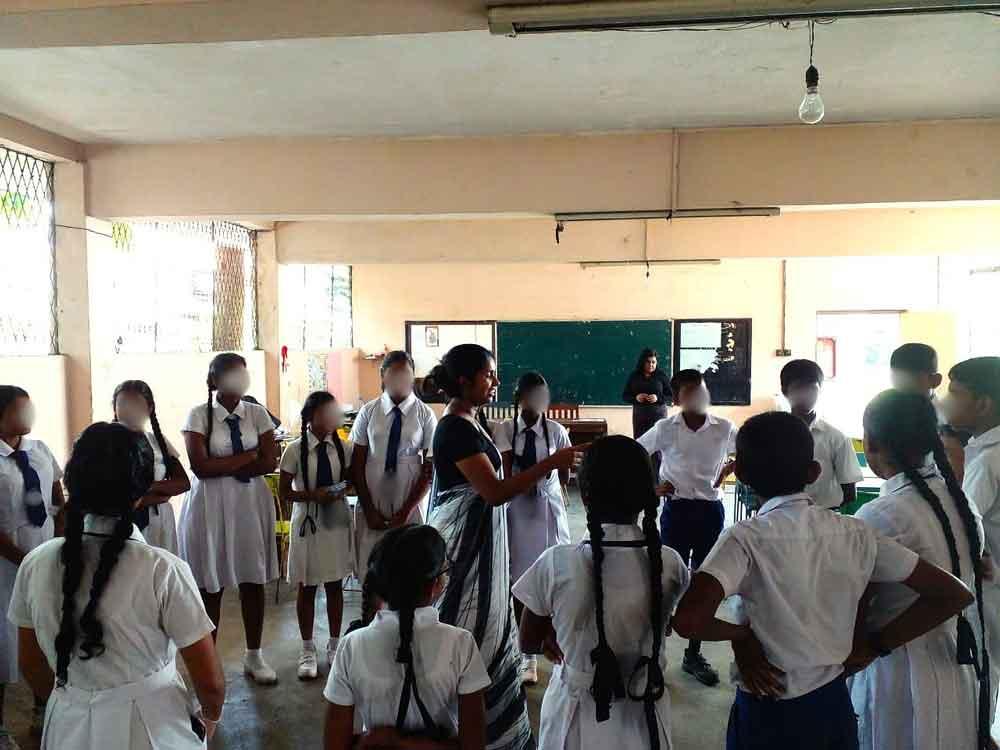
Over the past six or seven years, we have seen a significant sense of loss of hope among children and youth. They see their parents struggling financially and families struggling to afford basic necessities such as food and medicine. Naturally, they begin questioning what their own future will look like. We are seeing increased loneliness, depression, anxiety and thoughts of suicide. But there is another issue Sri Lanka does not speak about enough: the impact of racial riots and the war. So many families, whether Sinhalese, Tamil, Muslim or Burgher, have experienced profound loss. There is also an intergenerational transmission of trauma. Children can be affected not only by what they personally experience but also by the experiences carried by their parents. If we want healthy young people who can move our country forward, we need to acknowledge and heal from our own trauma as adults instead of passing cycles of violence to the next generation.
Why do you think conversations around boys’ emotional wellbeing and experiences of abuse remain so limited?
One major reason is toxic masculinity. Boys and men are often expected to be tough, strong and brave, even when they are experiencing emotional or physical pain. They are taught that asking for help is a weakness. This limits many boys and men from seeking emotional support, and it is one reason we see higher rates of suicide among men. Mental-health services also need to become more responsive to men and boys. Telling someone to “man up” instead of providing support only reinforces the problem. We also now have the influence of the “manosphere” in digital spaces, which can encourage young men to adopt toxic ideas about masculinity and view women negatively. There is a huge need to work with boys and men. In the communities where Shanthi Maargam works, we see substance abuse, domestic violence and other challenges affecting entire families.
Looking back at Shanthi Maargam’s decade of work, what achievement makes you most proud?
When we started, we never intended to become one of the key mental-health service providers for children and youth in Sri Lanka. But because the unmet need was so enormous, that is what happened. We have supported so many children and young people and provided opportunities for hope. There was one incident where we helped save an entire family because a father, overwhelmed by despair, wanted to take the lives of his family and himself. He continued calling us every month to thank us for being there and helping prevent that tragedy. Those impacts cannot always be measured. We are also proud of adapting interventions such as PATHS to Adulthood and Parivarthan to the Sri Lankan context, which focus on positive youth development and addressing harmful masculine norms. We also developed the Paravi digital app as a pilot project, which introduced gamified content for children to do activities and access counselling services, and conducted groundbreaking research on menstrual health and hygiene. Our dream has always been to establish more youth centers across Sri Lanka.
If you could change one thing about how Sri Lanka approaches the mental wellbeing of young people, what would it be?
I would want good mental health to be normalized in the same way we talk about physical wellbeing. Mental health should not only become a topic when someone reaches a crisis point. Children and young people should grow up understanding emotions, knowing how to seek help and feeling comfortable discussing their mental wellbeing. Making that change is everyone’s responsibility.
Sri Lanka often describes itself as a child-friendly society, yet organizations providing free mental-health support struggle to survive. Is our commitment to children’s wellbeing more rhetoric than reality?
The government has introduced school counsellors, which is a positive step, but many are not dedicated or fully trained counsellors, and the ratio of counsellors to students is still far too high. The last national budget allocated Rs. 250 million towards youth and adolescent mental health, which was an important step. Those funds now need to be operationalized immediately, preferably in collaboration with organizations that already have experience working in this field.
If organizations providing free mental-health services have to close because of funding shortages, who should be held accountable, government, private sector, donors or society?
As a socialist state, I believe the government should ultimately be responsible for ensuring these services are available, particularly so they can reach remote areas. There also needs to be regulation and clear standards for mental-health services. When we started Shanthi Maargam, we had to develop our counselling protocols from scratch because they did not exist within the government system. The private sector and donors should support and strengthen this work, but the government should be the convenor.
There are countries such as Canada, the United States, the UK, India, Nepal and Bhutan that have made stronger financial and policy commitments to this area. Sri Lanka needs to recognize that investing in children’s mental health is an investment in the country’s future.
Are we treating the root causes of violence, or simply reacting after young people reach a crisis point?
I believe we are still largely reacting, and we need to become much more proactive. We need evidence-based curricula in schools that recognize children and youth as holistic human beings. Education should not only focus on academic achievement. It should include emotional wellbeing; positive youth development and the skills young people need to understand themselves and build healthy relationships. If we want to break the cycle of violence and trauma, we have to start much earlier. Ultimately, the wellbeing of Sri Lanka’s young people cannot be left to a handful of organizations or professionals. It requires families, schools, communities, government, donors and the private sector to recognize that emotional wellbeing is fundamental to a healthy society.
---------------
For Jinadasa, creating that change begins with something simple but transformative: giving young people the space to speak, be heard and heal. For more information about Shanthi Maargam and its work supporting children and youth, visit www.shanthimaargam.org or follow @shanthimaargam on Instagram. For free mental-health support, reach out to Sumithrayo.