Diana: The Princess Who Made the World Look Again
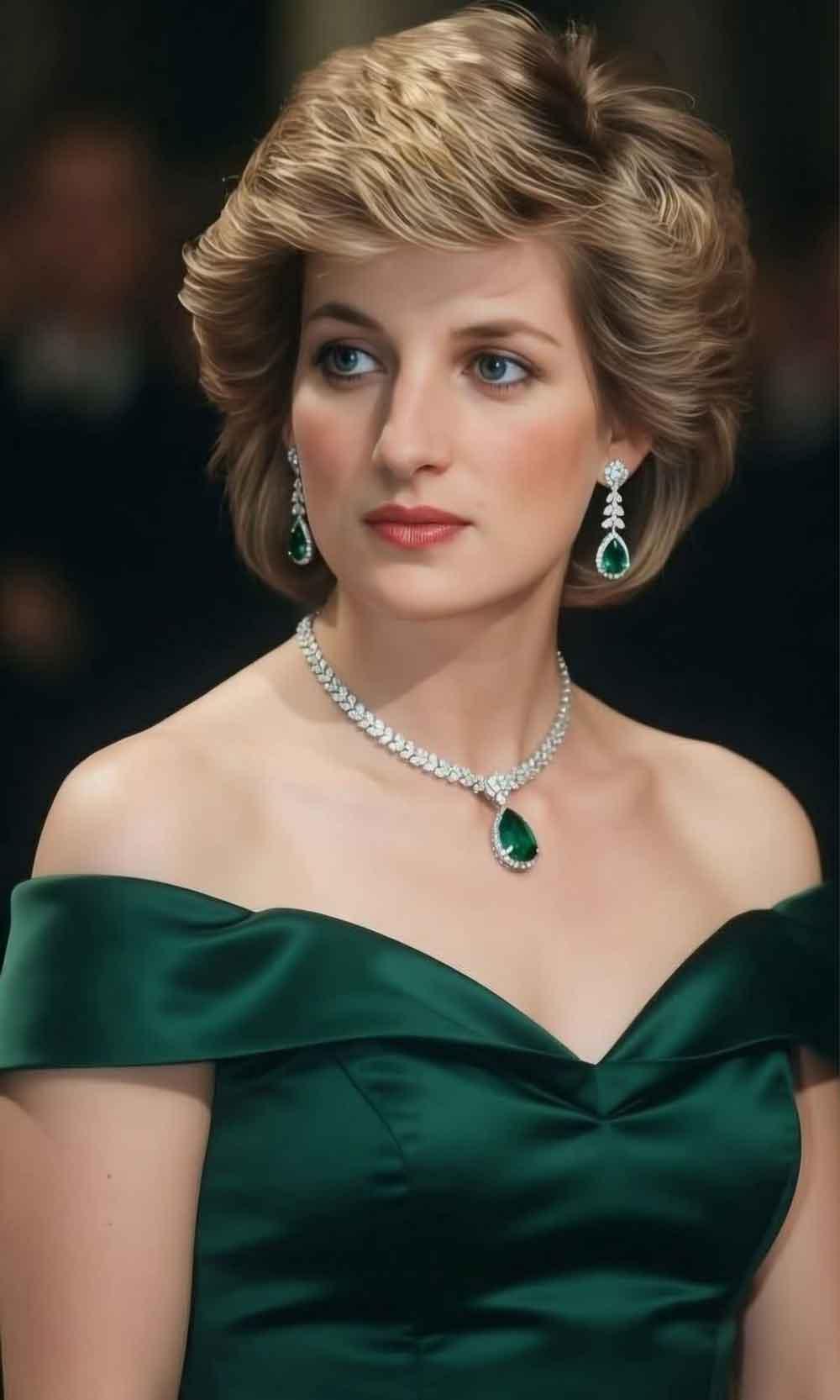
Twenty-nine years after her death, Diana remains more than a royal icon. Behind the glamour, heartbreak and extraordinary fame was a woman who discovered how to turn the world's attention towards those who were too often unseen.
By: Thasmina Sookoor
There are famous lives, and then there are lives that become part of the emotional memory of an entire generation. Diana, Princess of Wales, belonged to the latter.
On the 31st of August 1997, the world awoke to news that seemed almost impossible to absorb. Diana had died following a car crash in Paris. She was just 36 years old. Twenty-nine years later, the fascination has not disappeared. Her wedding dress remains instantly recognisable, her photographs continue to appear on magazine covers, and her fashion still inspires new generations. Her marriage, divorce and final years have been revisited through books, documentaries and television dramas. Yet Diana's enduring place in history is about far more than celebrity. Behind the palace gates, glamorous gowns and relentless camera flashes was a woman whose public identity changed dramatically during her short life. She entered the royal world as a shy young woman and eventually emerged as an independent humanitarian figure who understood something remarkably powerful. If the world was determined to look at her, she could decide where to make it look.
From Lady Diana to Global Icon
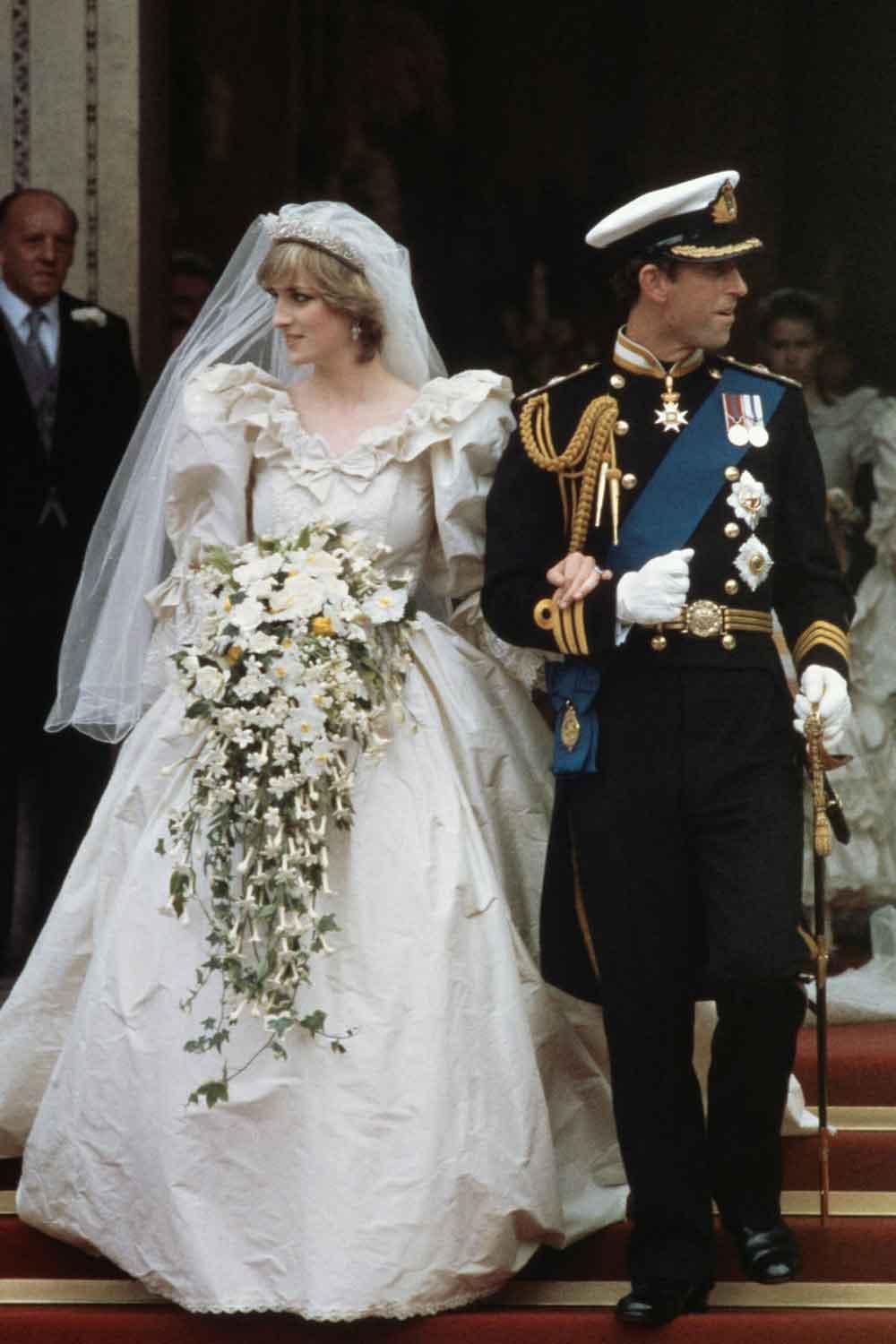
Diana Frances Spencer was born on the 1st of July 1961, at Park House near Sandringham in Norfolk. She came from an aristocratic family, but the life awaiting her was beyond anything her upbringing could have prepared her for. When her father inherited the title of Earl Spencer in 1975, she became Lady Diana Spencer. Before palace balconies and international tours entered her life, Diana lived and worked in London, including as a nanny and at the Young England School in Pimlico. Then came Prince Charles. Their engagement was announced in February 1981, when Diana was only 19. Five months later, on the 29th of July, millions watched as she walked through St Paul's Cathedral in an enormous ivory wedding gown and married the heir to the British throne. The images seemed to belong to a fairy tale, but Diana was about to discover that royal life was far more complicated than the spectacle suggested. At 20, she had become Princess of Wales and one of the most photographed women in the world. Every expression could become a headline. Every dress could become news. Every public appearance was examined and interpreted. The attention that made Diana extraordinary would also become one of the greatest pressures of her life.
A Princess and a Mother
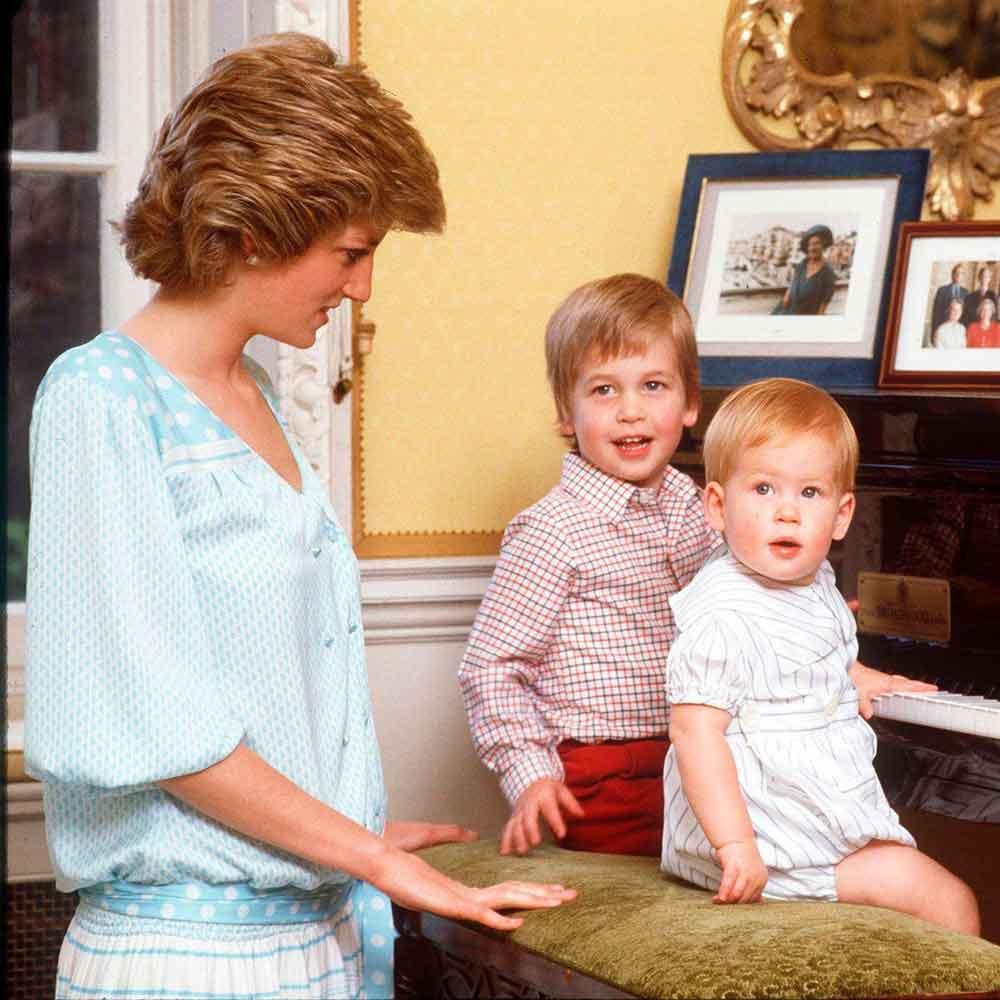
Diana and Charles welcomed Prince William in 1982 and Prince Harry in 1984. Motherhood quickly became central to Diana's identity, both privately and publicly. She wanted her sons to experience something beyond royal ceremony and protocol, and her approach to parenting was often described as unusually hands on for a senior member of the royal family. She also introduced William and Harry to charitable causes and to people whose circumstances were vastly different from their own privileged lives. For the public, these moments revealed another side of Diana. She could appear glamorous at a state occasion one evening and deeply informal during an encounter with children or families the next.
But while the cameras captured smiles, life behind the royal image was becoming increasingly difficult. Diana's marriage to Charles deteriorated under enormous public scrutiny. The couple separated in 1992 and divorced in August 1996. Diana relinquished the style of Her Royal Highness and stepped away from many of her charitable patronages, but losing part of her formal royal identity did not make her disappear. In some ways, it allowed another version of Diana to emerge. She retained connections with several causes close to her, including Centrepoint, the National AIDS Trust, Great Ormond Street Hospital and the Royal Marsden. Increasingly, Diana was choosing where she wanted the world's attention to go.
The Handshake That Spoke to Millions
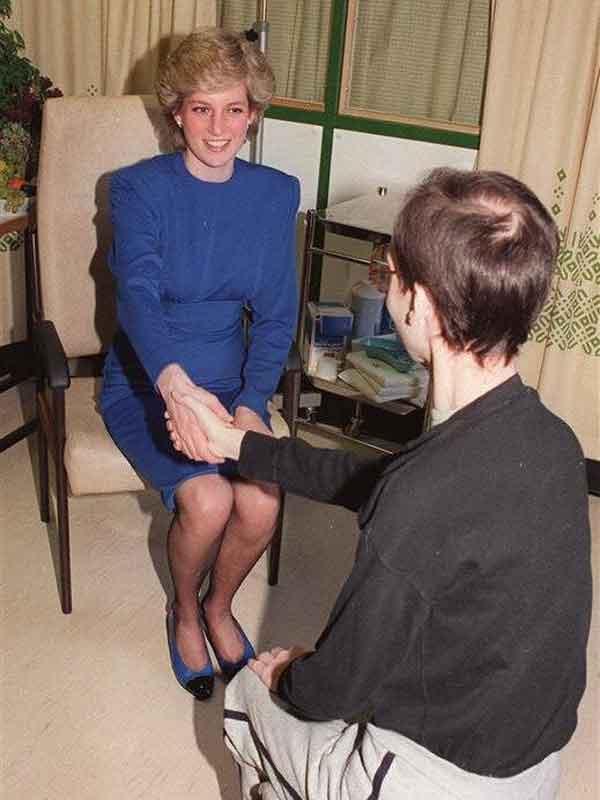
One of the most powerful moments of Diana's public life involved an extraordinarily simple gesture. A handshake. During the 1980s, HIV and AIDS were surrounded by fear, stigma and dangerous misinformation. Misunderstandings about transmission contributed to people living with HIV being isolated and treated with suspicion. In April 1987, Diana opened the United Kingdom's first dedicated HIV and AIDS ward at Middlesex Hospital in London. During the visit, she shook hands with a man living with HIV without wearing gloves. Today, such an action might appear completely ordinary. At the time, it carried enormous symbolic weight. The photograph travelled around the world and helped communicate something medical professionals and campaigners had been trying to explain. HIV could not be transmitted through ordinary physical contact. Diana later became patron of the National AIDS Trust and continued supporting people affected by HIV and AIDS. Her importance was not that she had discovered the medical facts or begun the fight against stigma. Doctors, charities, campaigners and communities were already doing that work. What Diana possessed was visibility on an extraordinary scale. When she reached out her hand, millions of people watched.
When Diana Walked Into a Minefield
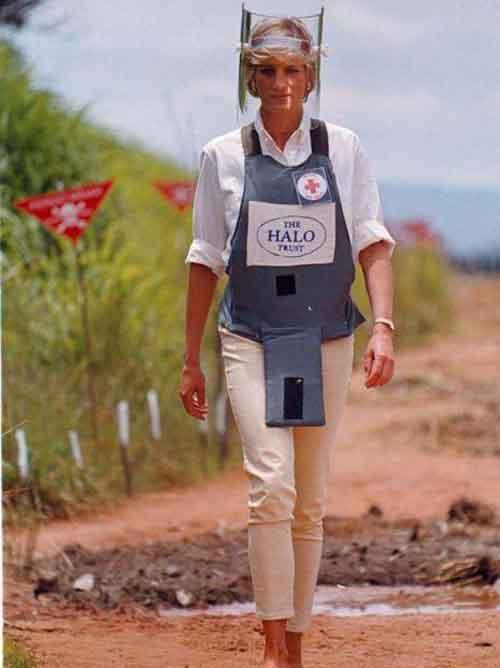
A decade later, Diana created another unforgettable image. In January 1997, with The HALO Trust, she travelled to Angola and visited communities devastated by landmines. Wearing protective equipment, she walked through a mine affected area while cameras followed. The photographs became some of the defining images of her final year. Landmines could remain buried long after wars had ended, continuing to kill and injure civilians. Children could encounter weapons planted before they were born. Families could lose access to farmland, and entire communities could continue living with the consequences of conflicts supposedly over. Diana did not create the international campaign against landmines. Humanitarian organisations and activists had been working on the issue long before her involvement. What she did was make millions of people pay attention. Suddenly, an issue that could appear remote or technical had a recognisable human dimension. In August 1997, Diana travelled to Bosnia and Herzegovina, where she met people affected by landmines and visited related projects. It became one of her final humanitarian missions. Within weeks, she would be dead.
Fame Was Her Power and Her Prison
Diana understood the extraordinary power of publicity, but she also knew its cost. The photographers who helped broadcast her humanitarian work around the world were part of the same media environment that pursued almost every detail of her private life. Her marriage became public entertainment. Her friendships became headlines. Her relationships were analysed endlessly.
There was a painful contradiction at the heart of Diana's fame. She needed visibility to amplify the causes she cared about, yet that same visibility could make an ordinary private life almost impossible. Perhaps that is one reason her story remains so compelling. Diana was not simply a princess trapped inside an institution, nor was she merely a celebrity who understood the cameras. Her relationship with public attention was far more complicated. Over time, she learned how to use it. Her ability to connect with people became central to that transformation. She held hands with patients. She sat beside children. She listened to people experiencing homelessness. She met those whose bodies and families had been changed by conflict. In a royal world built partly around ceremony and distance, Diana made closeness part of her public language.
The Night the World Lost Diana
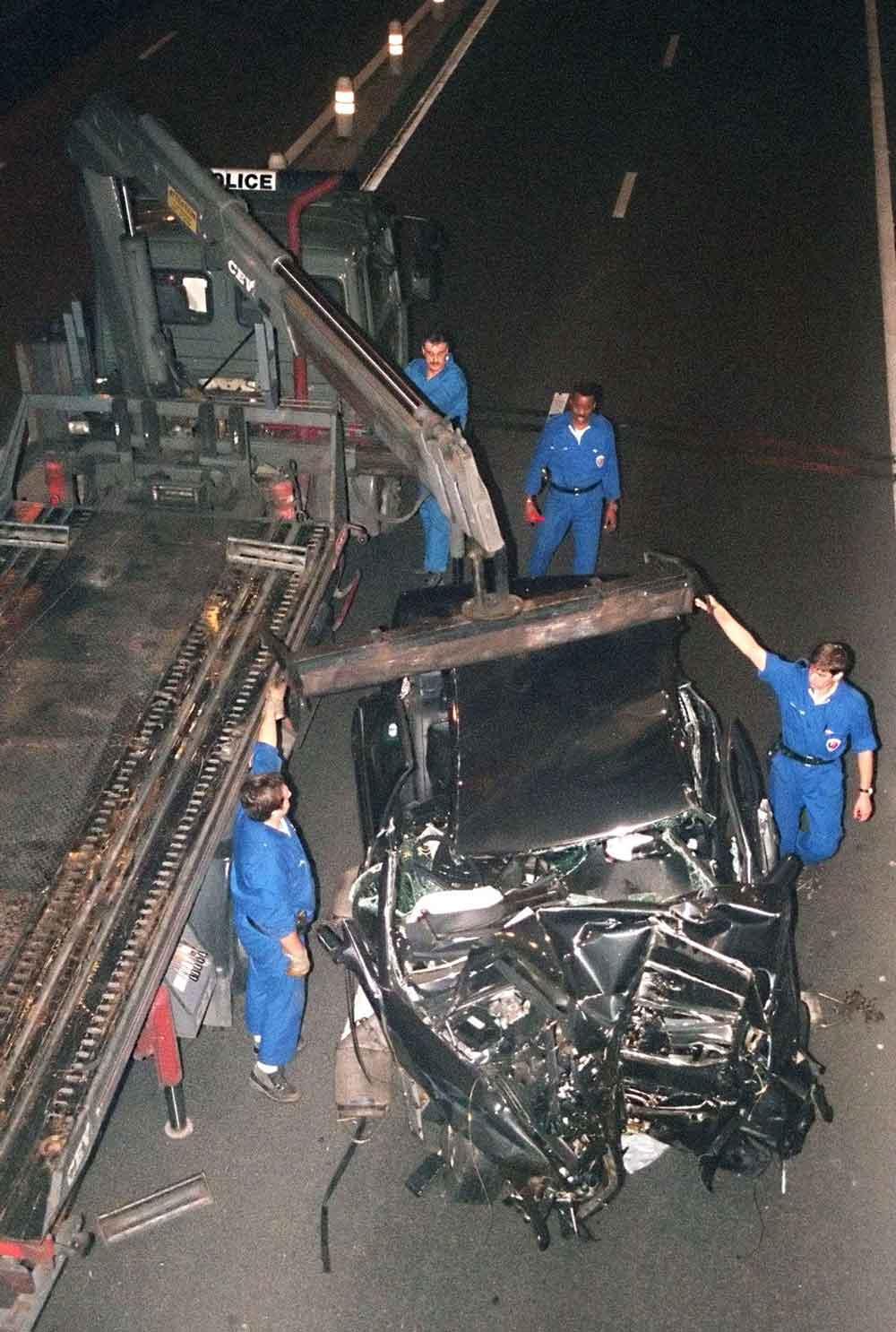
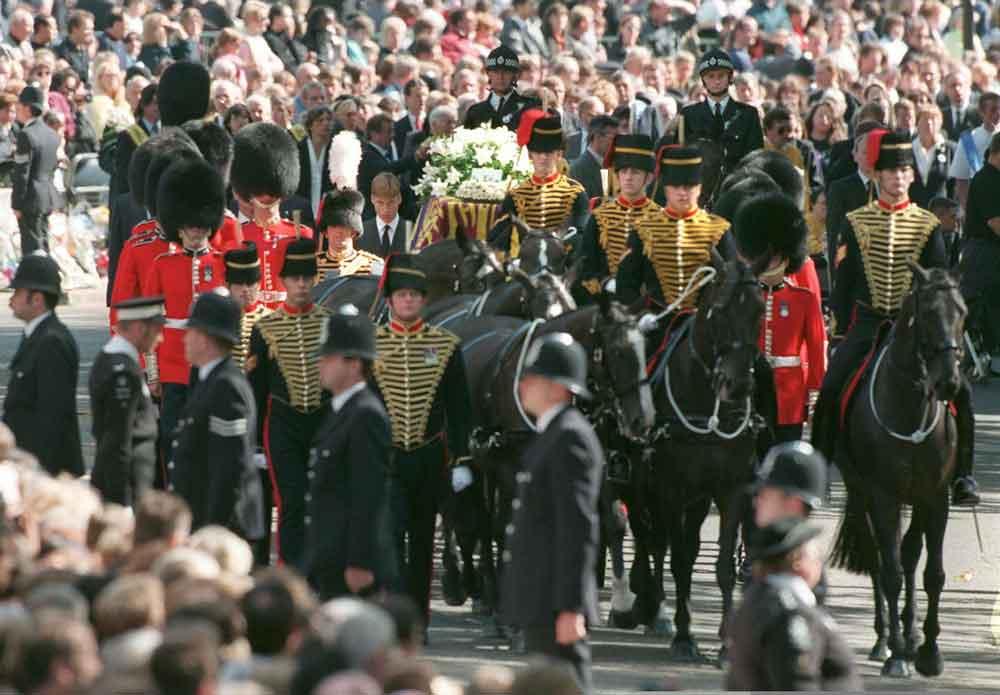
On the night of August 30th, 1997, Diana was in Paris with Dodi Al’Fayed. Shortly after midnight, the Mercedes carrying them crashed in the Pont de l'Alma tunnel. Dodi Al’Fayed and driver Henri Paul died at the scene. Diana was taken to Pitié Salpêtrière Hospital, where she died from her injuries in the early hours of August 31st. Her bodyguard, Trevor Rees Jones, survived. Diana's death generated years of speculation and conspiracy theories, but the formal findings of the British inquest were clear. In 2008, the jury concluded that Diana and Dodi were unlawfully killed as a result of the grossly negligent driving of Henri Paul and the following vehicles. The jury also found that their failure to wear seat belts contributed to their deaths. Diana was 36 years old. The reaction was extraordinary. Outside Kensington Palace, flowers accumulated in enormous numbers. Messages, cards and tributes appeared as people struggled to express grief for a woman most had never personally met. Her funeral took place at Westminster Abbey on the 6th of September 1997, and millions watched around the world. The scale of the mourning revealed that Diana had become something unusual. She was royal, certainly, but public affection for her had moved far beyond fascination with monarchy. People felt they knew her. Perhaps more importantly, many felt that she had noticed people whom society itself did not always see.
The Legacy Behind the Legend
Twenty-nine years after her death, Diana remains an enduring global icon. Yet beyond the royal spectacle, famous photographs and tragedy lies a more powerful legacy. She learned to turn extraordinary public attention towards people too often overlooked. From challenging the stigma surrounding HIV and AIDS to highlighting the devastating consequences of landmines, Diana brought compassion into the spotlight. She listened, touched and connected where convention often created distance. She was neither flawless nor without controversy, but her influence was undeniable. The world began by watching Diana. In time, she used that attention to make the world look at others.