Who Decided What Beautiful Looks Like?
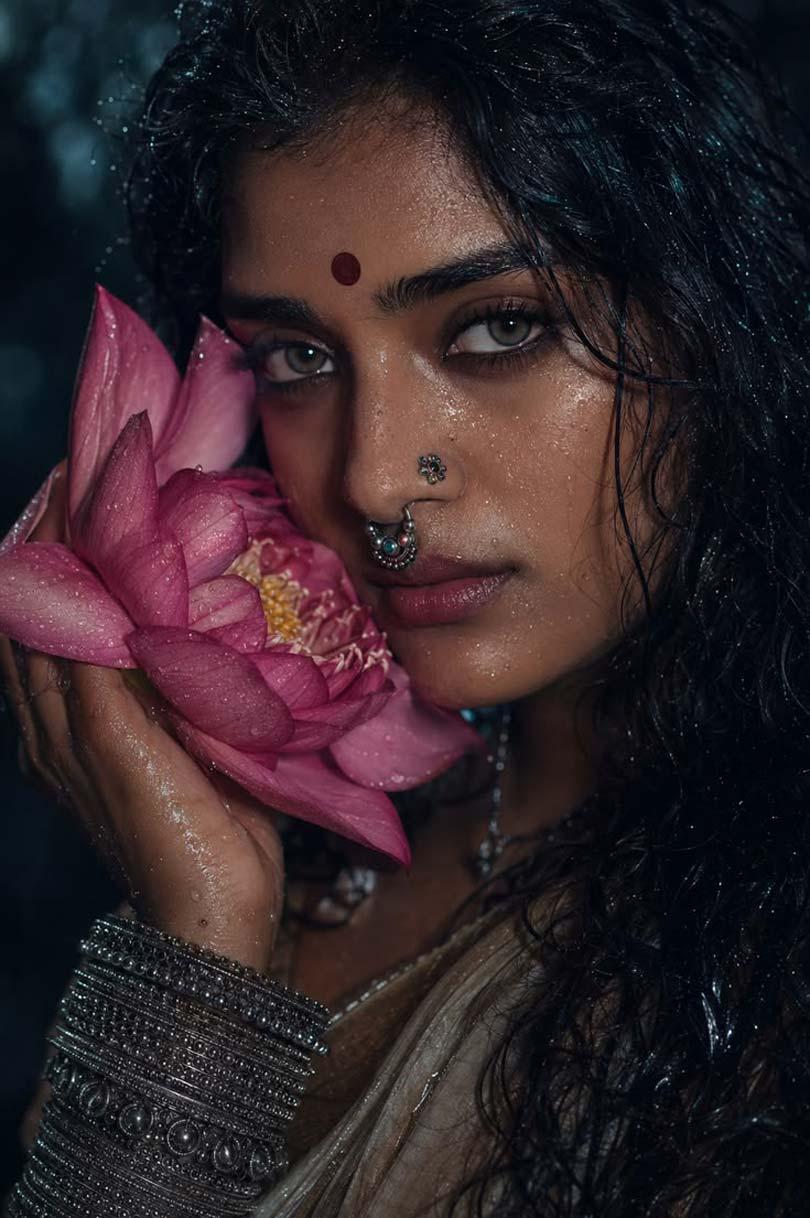
For generations, beauty has been presented as though it were a simple formula. Clear skin, a particular body shape, certain facial features, lighter skin, long hair, a small waist, the list keeps changing, but the pressure to fit the list remains. In today's digital world, however, the question is becoming harder to ignore: who actually decided what beautiful is supposed to look like?
In Sri Lanka, conversations around beauty have long been influenced by cultural expectations, advertising, celebrity culture and the beauty industry. Fairness products, hair treatments, skincare routines and changing fashion trends have all contributed to ideas about what is considered attractive. Today, social media has added another powerful influence. Instagram, TikTok and other platforms have created a world where beauty can be filtered, edited, reshaped and presented in almost unlimited ways.
For younger generations, especially Gen Z, this has created a complicated relationship with appearance. On one hand, social media has opened the door to more diverse ideas of beauty. On the other, it has created new pressures to look perfect. One of the most familiar aspects of Sri Lankan beauty culture is the long-standing preference for lighter skin.
For years, advertisements and beauty campaigns across South Asia have often associated fairer skin with attractiveness, confidence, success and even opportunity. The message was not always delivered directly, but it was repeated often enough to become part of everyday culture. Fairness creams and skin-lightening products were marketed as solutions to an insecurity that many people had been taught to have. A darker complexion could be described as something to improve, while lighter skin was presented as something desirable. Although attitudes are changing, these ideas have not disappeared completely.
Today, the conversation around skin tone is increasingly being challenged by younger people who are questioning why complexion should determine beauty in the first place. Social media has also given people a platform to speak openly about colourism and share experiences that may previously have remained private. The change is gradual, but significant. Beauty is increasingly being discussed as something personal rather than a standard that everyone is expected to meet. Social media filters began as harmless entertainment, adding animal ears, changing colours or placing virtual effects over a face. But beauty filters gradually became more sophisticated.
Today, a filter can smooth skin, reshape facial features, enlarge eyes, alter the jawline, slim the nose and change the overall appearance of a person within seconds. The problem is not necessarily that people use filters. The bigger issue is what happens when filtered images become the standard against which real faces are judged.
Someone may look at their reflection after spending hours scrolling through edited photographs and wonder why their skin does not look as smooth, their nose does not look as defined or their face does not have the same shape.
The comparison is unfair because one side of it may not even be real. Yet, the emotional impact can be very real. A person can understand intellectually that an image has been edited and still feel insecure when comparing themselves with it. Social media has also contributed to the emergence of what many people describe as a “perfect” or “Instagram” face. The features can vary, but the general idea is familiar: smooth skin, defined cheekbones, full lips, shaped eyebrows, a slim nose and a carefully sculpted jawline. What makes this interesting is that these features are not necessarily individual beauty preferences anymore. They can become trends.
When enough influencers, celebrities and creators present similar features, they can begin to feel like a universal standard. Young people are exposed to hundreds of faces every day. They may follow beauty creators from Sri Lanka, India, Korea, the United States or Europe, each introducing different ideas about makeup, skincare and appearance. The result is a constantly changing beauty landscape where trends can travel across borders almost instantly. A facial feature that becomes popular online can suddenly become something people want to recreate offline.
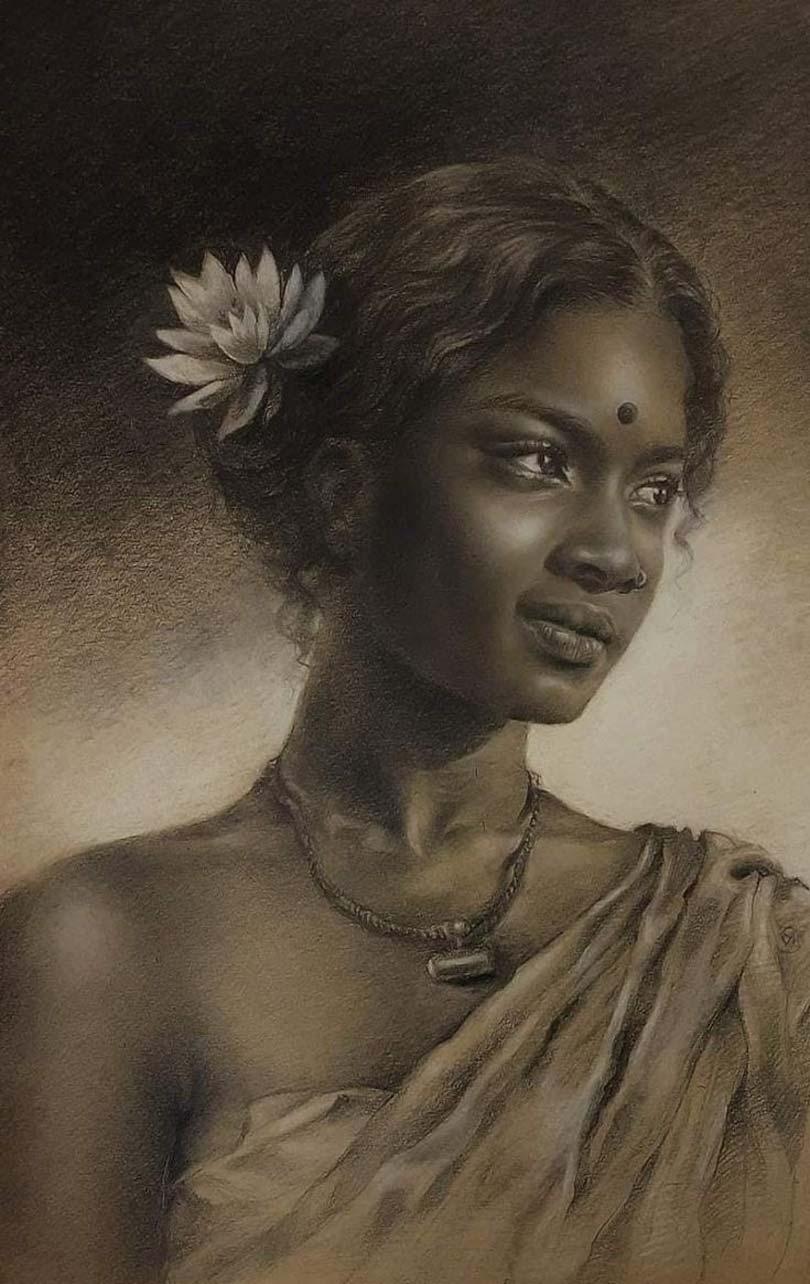
Beauty standards do not stop at makeup and filters. Cosmetic procedures have also become increasingly visible in popular culture. Treatments that were once discussed privately are now openly talked about online, from fillers and Botox to cosmetic dentistry and more invasive procedures.
There is nothing inherently wrong with someone choosing a cosmetic procedure for themselves. People have always made personal choices about their appearance. The concern arises when personal choice becomes influenced by the belief that there is something objectively wrong with the way someone naturally looks. If a person wants to change a feature because they genuinely prefer another appearance, that is one thing. But if they feel pressured to change because social media repeatedly tells them that their natural features are unattractive, the conversation becomes more complicated. The line between choice and pressure can sometimes be difficult to see. Perhaps one of the most interesting developments is that younger people are not simply accepting traditional beauty standards. Gen Z has become increasingly vocal about body positivity, individuality, natural skin, diverse body types and rejecting unrealistic expectations.
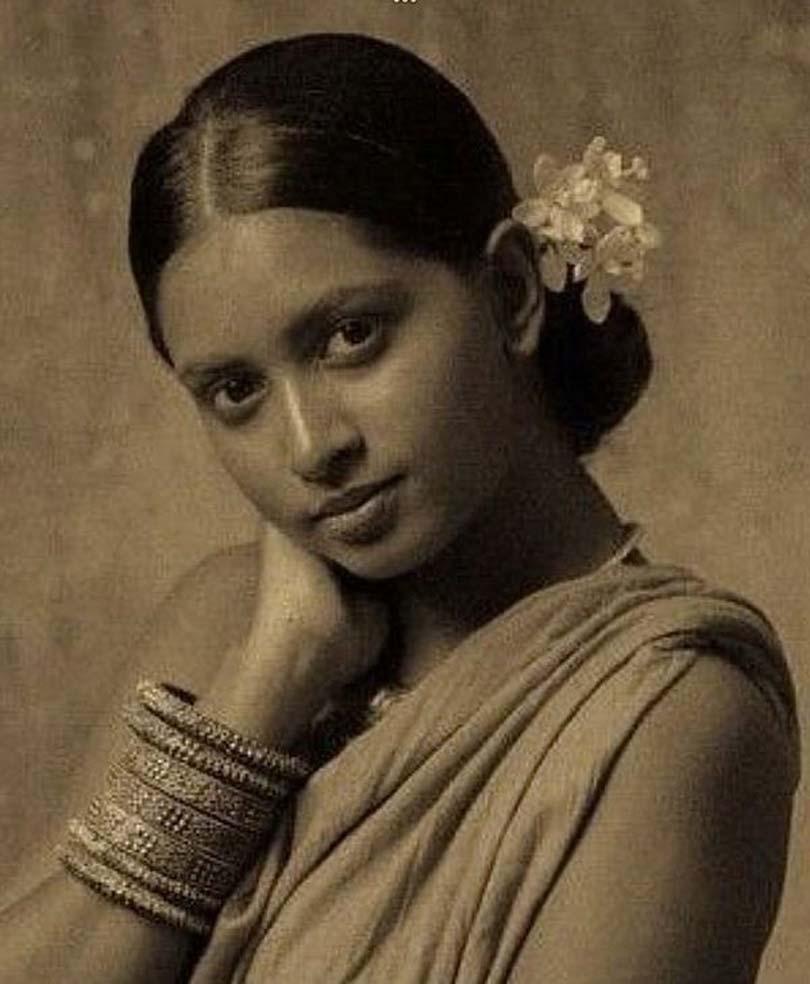
The movement is visible across social media, where creators share photographs without filters, talk openly about acne and skin texture, challenge colourism and show themselves without makeup. There is a growing desire to make beauty feel more realistic. At the same time, Gen Z is not immune to beauty pressure. In fact, younger users may experience it more intensely because they have grown up surrounded by visual media. They are exposed to trends almost constantly.
One week, a particular body shape may be considered desirable. The next week, a completely different aesthetic becomes popular. Hair colours, eyebrows, makeup styles, skincare routines and facial features can all move in and out of fashion. This creates an exhausting contradiction: young people are being told to be themselves while simultaneously being presented with thousands of images showing them how they are supposed to look.
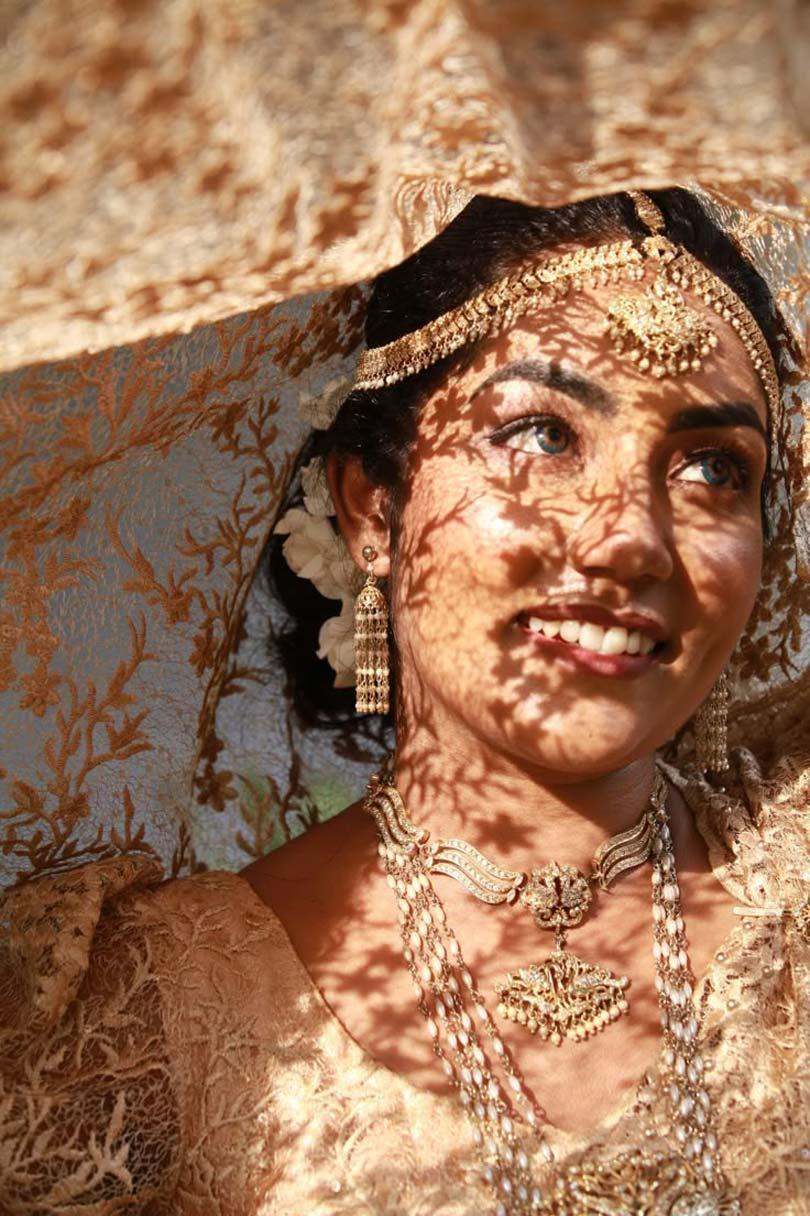
Behind many beauty standards is a large and profitable industry. Skincare companies, cosmetics brands, salons, fitness businesses and aesthetic clinics all benefit when consumers believe there is something they need to improve. This does not mean every beauty product or treatment is designed to create insecurity. Many products exist simply because people enjoy skincare, makeup, fashion and self-care. But advertising has historically been very effective at identifying insecurities and turning them into purchasing decisions. A wrinkle becomes a problem that requires a cream. Uneven skin becomes something that needs correcting. Dark spots become imperfections. Grey hair becomes something to hide. The language surrounding beauty can quietly influence how people view themselves. Instead of asking, “What do I like about my appearance?” we are often encouraged to ask, “What do I need to fix?”
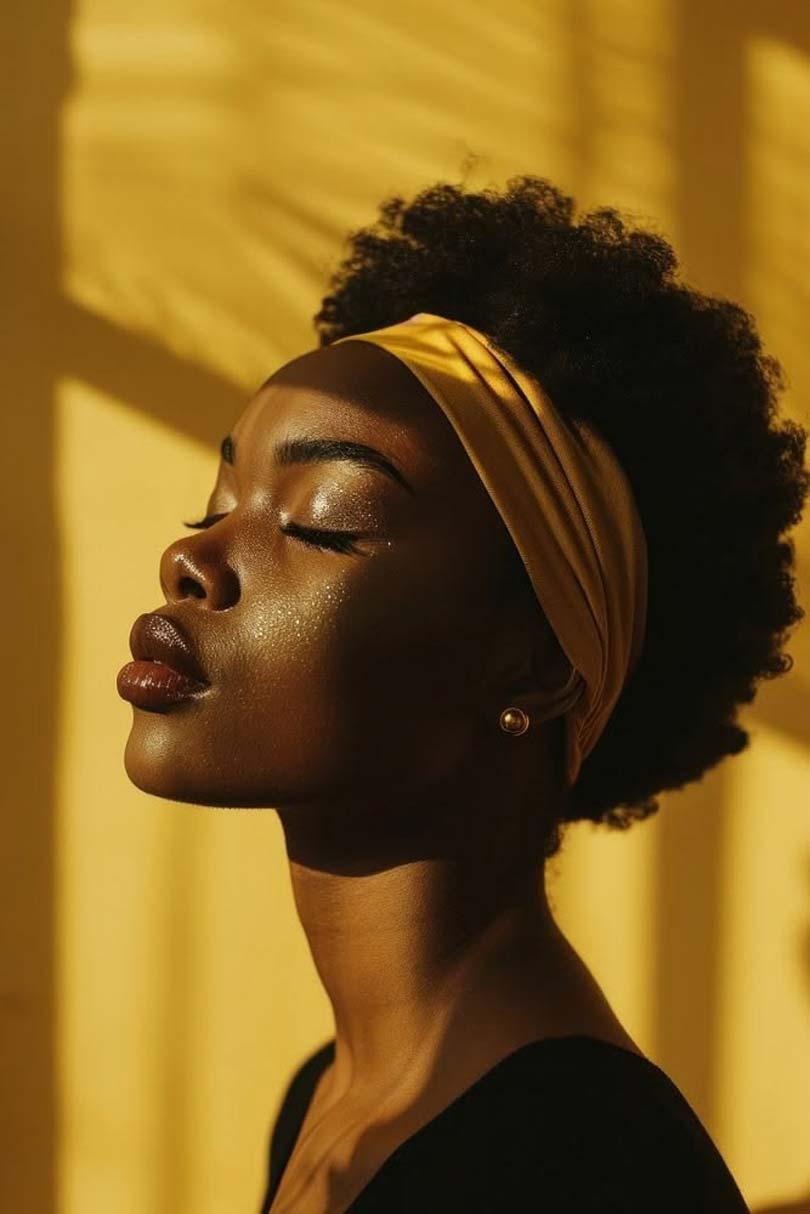
That is where the beauty conversation becomes more than just fashion or cosmetics. It becomes a question of self-worth. Probably not completely. Every society will have ideas about what it considers attractive. Fashion will change. Hairstyles will change. Makeup trends will change. New aesthetics will appear. The goal may not be to eliminate beauty standards entirely, but to stop treating them as rules. A person should be able to have dark skin without feeling that it needs to be lighter. They should be able to have acne, scars, wrinkles, curly hair or a different body shape without believing that these things make them less attractive. And perhaps most importantly, beauty should not be reduced to a checklist of physical features. Social media has made it easier than ever to compare ourselves with other people. But it has also made it easier to challenge the standards that created those comparisons.
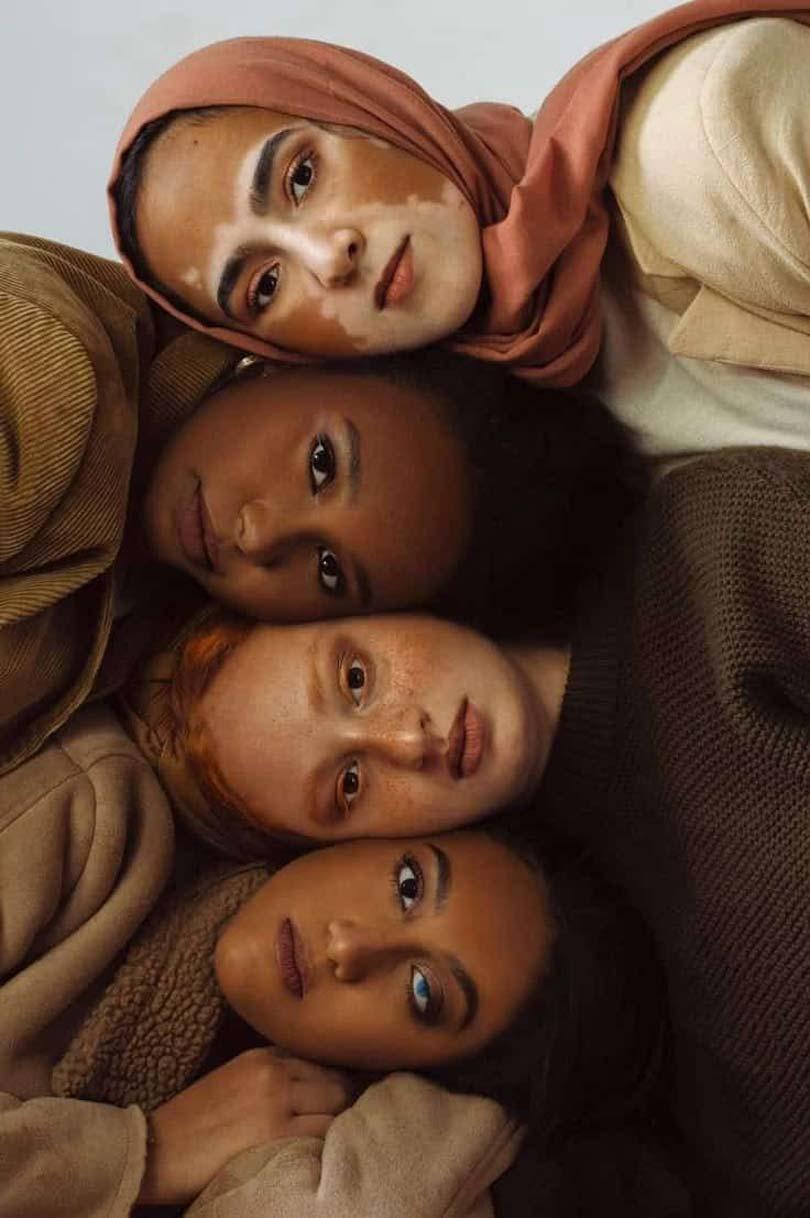
That is where the current beauty conversation becomes interesting. The question is no longer simply, “Am I beautiful?” It is, “Who taught me what beautiful was supposed to look like?” For Sri Lanka, that question carries particular weight. As older ideas about complexion and appearance meet global social media trends, a new generation has an opportunity to redefine what beauty means. Perhaps beauty does not need a single definition. Perhaps it never did. And maybe the most important trend of all is learning to look at ourselves without immediately searching for something to change.