What Time Chooses To Keep: The Lindy Effect
Nichol Fernando
There are objects in our lives that seem to have outlived the reasons we first kept them.
A book with a cracked spine. A recipe written in a grandmother’s handwriting. A wooden chair repaired so many times that little of the original wood appears to remain. We keep them not because they are flawless, but because they have survived long enough to become part of the room, the family, the language of our lives.
New things arrive with promises. Old things arrive with evidence.
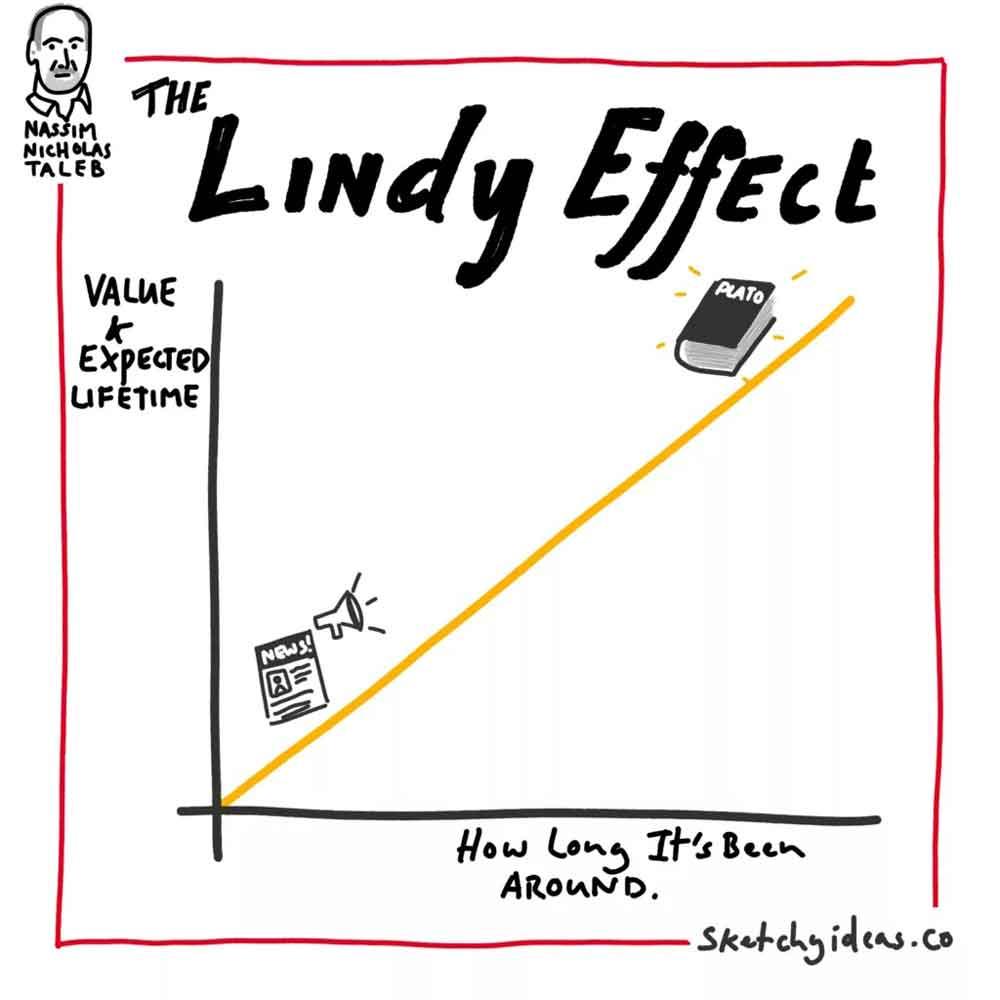
This is, in its simplest form, the quiet logic behind the Lindy Effect: for certain things, the longer they have already survived, the longer they are likely to continue surviving. A book that has remained in print for three hundred years is generally more likely to be read in the future than one published three years ago. An idea repeated across centuries has already endured wars, changing languages, shifting values and generations of people who could have forgotten it, but did not.
Its age does not make its future certain. It simply makes its survival more meaningful.
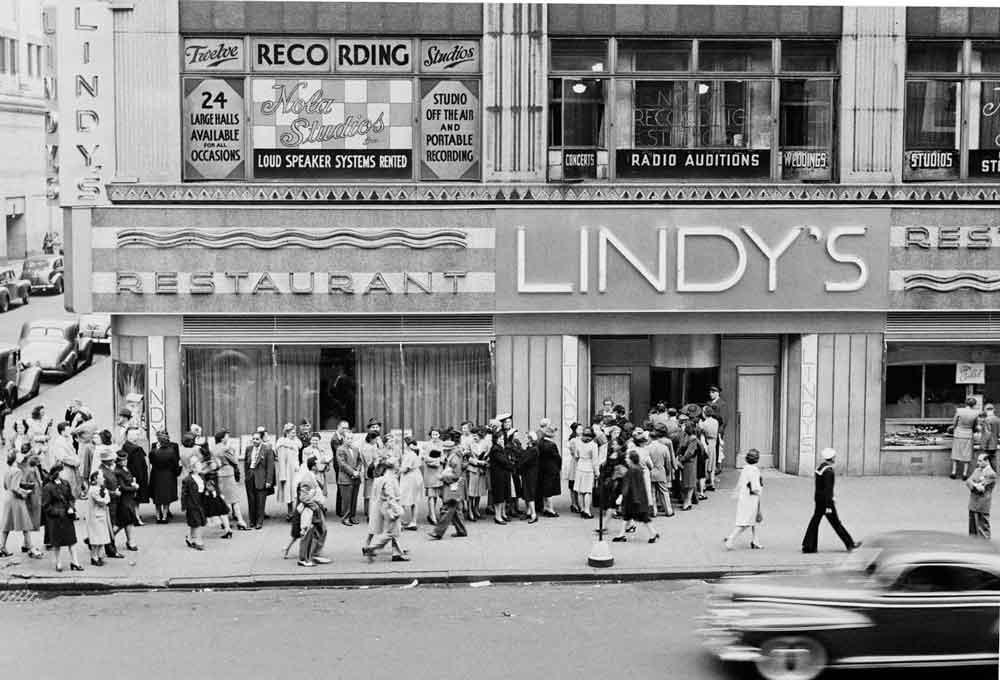
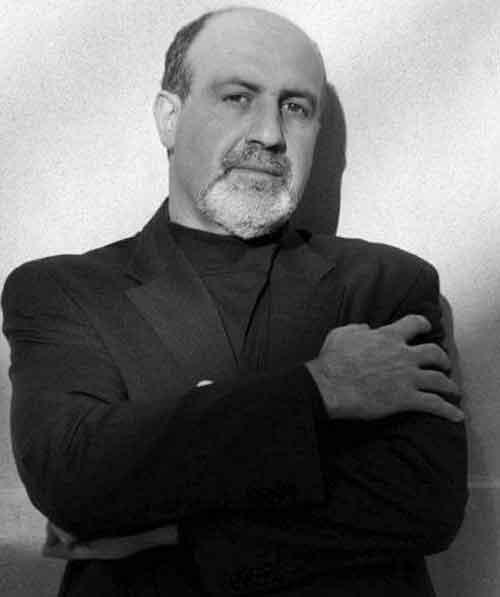
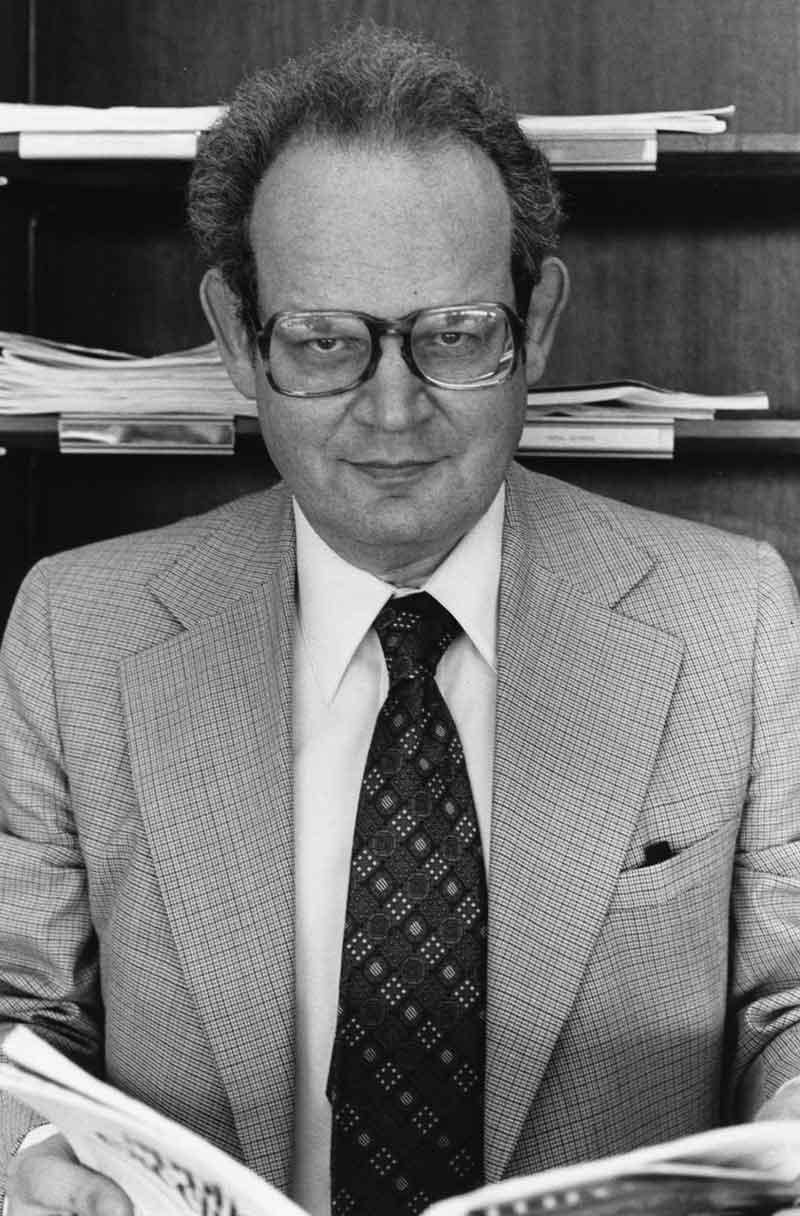
The idea carries the name of Lindy’s, a New York deli once frequented by comedians and Broadway performers. In 1964, journalist Albert Goldman described an observation about the careers of comedians: the longer a performer had already remained visible, the longer their career could be expected to continue. Mathematician Benoît Mandelbrot later developed the concept in The Fractal Geometry of Nature, calling it “Lindy’s Law.” Decades later, Nassim Nicholas Taleb popularized it in Antifragile, applying it to books, technologies, ideas and other things without a naturally fixed lifespan.
The strange part is that the Lindy Effect reverses the way we usually understand age.
For living bodies, every year survived is also a year used. We grow older because time leaves something behind: weaker bones, slower cells, evidence of wear but an idea does not age biologically. A poem may be written on paper that yellows, yet the poem itself does not wrinkle. The wheel does not become elderly. Geometry does not wake one morning unable to remember its own theorems.
For the non-perishable, time can work less like erosion and more like proof.
Consider The Odyssey. It has crossed thousands of years without knowing the people who would carry it. Empires rose around it and disappeared. Its earliest listeners died, as did the languages, customs and cities familiar to them. Still, the story travelled. It was spoken, copied, translated, taught, criticized and retold. Its survival does not guarantee another thousand years, but every century it endures becomes evidence that something within it can survive a changing world.
The same is true of simpler things. Bread has outlasted kingdoms. The knife and the hammer remain recognizable despite centuries of invention. Chess continues to occupy minds that now carry computers in their pockets. Religious texts, ancient philosophies and mathematical principles survive not because history protected them from difficulty, but because they passed through difficulty and remained useful, meaningful or loved.
Time did not preserve them untouched.
People did.
This is an important distinction. When we say something has “stood the test of time,” time is not really the one doing the testing. People are. Each generation receives an inheritance and quietly decides what to carry forward. A recipe survives because someone teaches it. A song survives because someone sings it again. A book survives because one reader places it into the hands of another and says, in one form or another, this still matters.
The Lindy Effect can therefore feel almost tender. Beneath its mathematics is a history of repeated human attention. Survival is not always a dramatic victory. Sometimes it is simply the refusal to let something disappear.
There is also a statistical explanation. Toby Ord describes the Lindy Effect as a tendency for things with longer pasts to have longer expected futures. One reason is a process of winnowing. Imagine many books entering the world, each with an unknown chance of being forgotten. The books with little lasting appeal may vanish quickly. Those still being read a century later have survived countless opportunities to disappear. Their survival gives us information: perhaps they were more resilient all along.
In other words, the object does not necessarily grow stronger with age. Our evidence about its strength grows stronger.
That difference matters because the Lindy Effect is not magic, and age is not a certificate of goodness. Some practices survive because they are protected by power, habit or fear. Some ideas are ancient and still harmful. Some traditions continue not because every generation freely chose them, but because questioning them carried a cost. Longevity can reveal resilience, but resilience and virtue are not the same thing.
The theory also carries survivorship bias. We admire the ancient texts that reached us, while forgetting that countless others were burned, buried, censored or simply lost. We see what survived; we cannot easily measure the graveyard of what did not. Nor can Lindy predict every disruption. Certain technology may dominate for decades and then be displaced by a single invention. Landlines endured, until the world around them changed. Time can provide evidence, but it cannot promise immunity.
Perhaps, then, the Lindy Effect should not teach us to worship the old. It should teach us to look at it more carefully.
In a culture obsessed with what is next, age is often treated like a defect. We are encouraged to replace before repairing, upgrade before understanding and abandon before asking whether the new thing is actually better. Trends arrive already announcing their own importance. Everything is urgent. Everything is revolutionary. Everything is briefly impossible to ignore.
Then most of it disappears.
The old book remains on the shelf.
There is wisdom in allowing time to make some decisions for us. Read what generations have continued to read. Learn skills that remain useful when platforms change. Buy things that can be repaired. Pay attention to practices that have helped people remain human long before productivity apps attempted to organize the soul: walking, writing, cooking, gathering, praying, making music, sitting beside someone in grief.
This does not mean refusing the future. Every ancient thing was once new. Every classic was once unread; every tradition once performed for the first time. The point is not to close the door on invention, but to stop mistaking novelty for value. New things deserve possibility. Old things deserve attention.
Maybe that is the most beautiful lesson hidden inside the Lindy Effect. Survival is not only about duration. It is about being chosen repeatedly.
The chair remains because someone repairs it. The recipe remains because someone remembers the measurements. The story remains because, after centuries of endings, another person opens to the first page.
Time does not keep everything, but when something has crossed a great distance to reach us, perhaps we should pause before setting it down.
It may have learned how to continue.