WHEN THE GODS WERE WATCHING
 There was a time when education did not begin with a textbook. It began with a story. Before children were taught to memorise definitions, formulae and examination answers, they were introduced to stories that asked much more difficult questions: What is right? What is wrong? What happens when we abuse power? Can revenge ever be justice? And perhaps most importantly, do our actions matter beyond the moment in which we commit them?
The ancient Greeks had an extraordinary way of asking these questions. They did not simply write stories about heroes and gods. They placed human beings in situations where there were no easy answers and then left audiences to wrestle with the consequences. Few works demonstrate this better than Aeschylus' Oresteia, the great trilogy of Greek tragedy consisting of Agamemnon, The Libation Bearers and The Eumenides, first performed in Athens in 458 BCE.
Consider Agamemnon. The play begins with news that Troy has fallen. After ten years away, Agamemnon, commander of the Greek forces, returns home victorious. He arrives expecting to resume his position as king, while his wife Clytemnestra, who has ruled in his absence, is presumably expected to step aside and return quietly to the role of a subservient wife. But there is a rather significant problem. Clytemnestra has not spent those ten years simply waiting for her husband to come home. She has spent them grieving the daughter he sacrificed before sailing for Troy. Agamemnon had allowed their daughter Iphigenia to be sacrificed so that the Greek fleet could sail. The decision may have secured favourable winds for the expedition, but it also created a wound that ten years could not heal. When Agamemnon finally returns, he brings with him Cassandra, a Trojan princess and his captive concubine. He walks back into the palace as though victory has erased everything that happened before it.
And so one of the oldest questions in literature presents itself: did Agamemnon sign his own death warrant? It would be far too simple to say that Clytemnestra was therefore right to murder him. She was not. But it would be equally simplistic to dismiss her as merely a jealous or vengeful wife. Aeschylus deliberately makes us uncomfortable. We understand why she is angry. We understand why Agamemnon believes his sacrifice was necessary. We understand the demands of war. We understand grief. We understand revenge. And yet none of these understandings provides an easy moral answer.
That is precisely what makes the classics so valuable to students. They teach children to live with complexity. The story does not end with Agamemnon's death. His son Orestes must then avenge his father by killing his own mother, creating another moral catastrophe. If murder demands revenge, and revenge creates another murder, where does justice end? In The Eumenides, Aeschylus takes this question to its extraordinary conclusion: Orestes is finally brought before a court in Athens, where the cycle of private vengeance is transformed into a system of public justice. This is not merely ancient theatre. It is an education in ethics, law, politics, psychology, leadership and human responsibility disguised as a story. And perhaps this is why the current revival of interest in The Odyssey matters.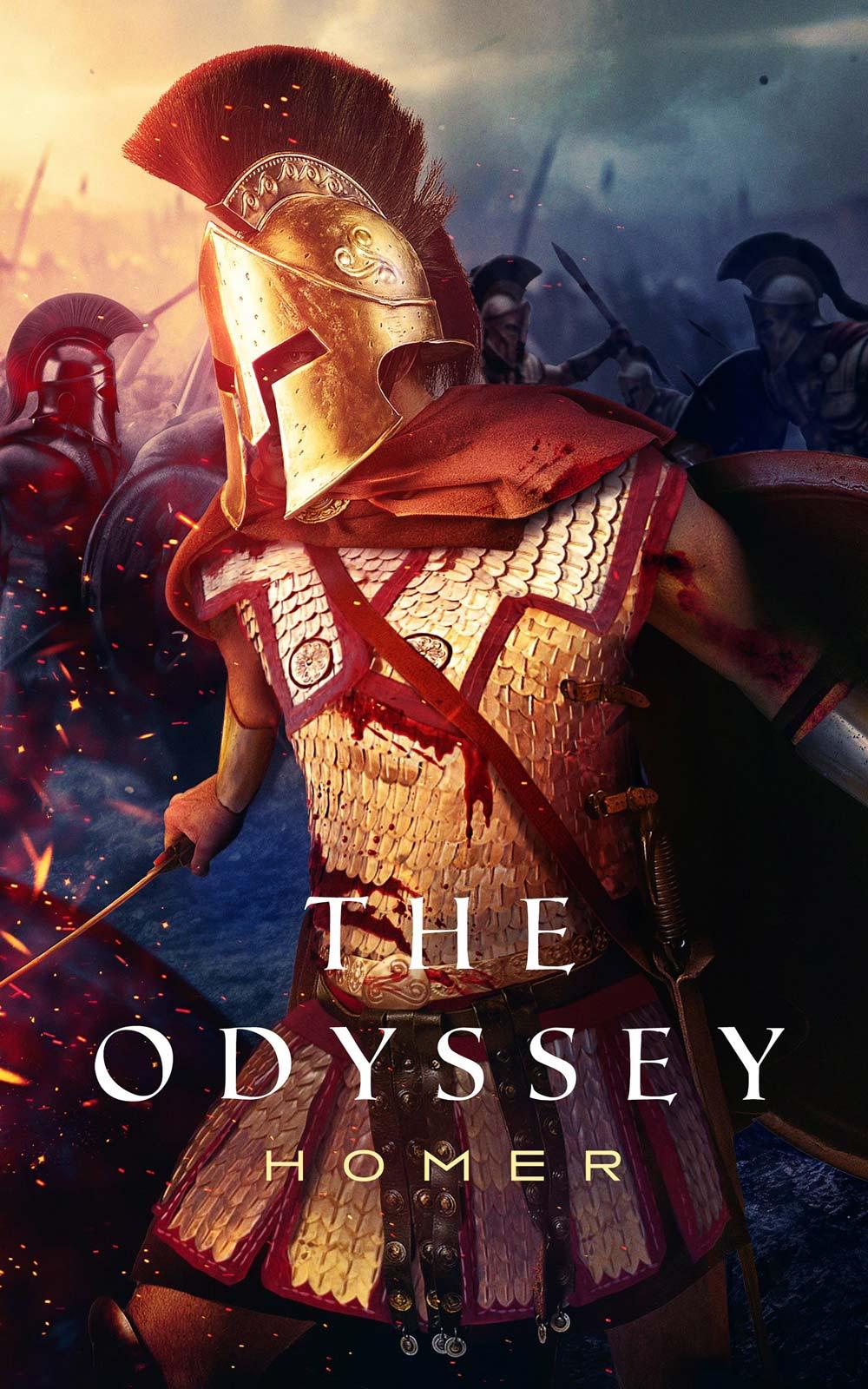
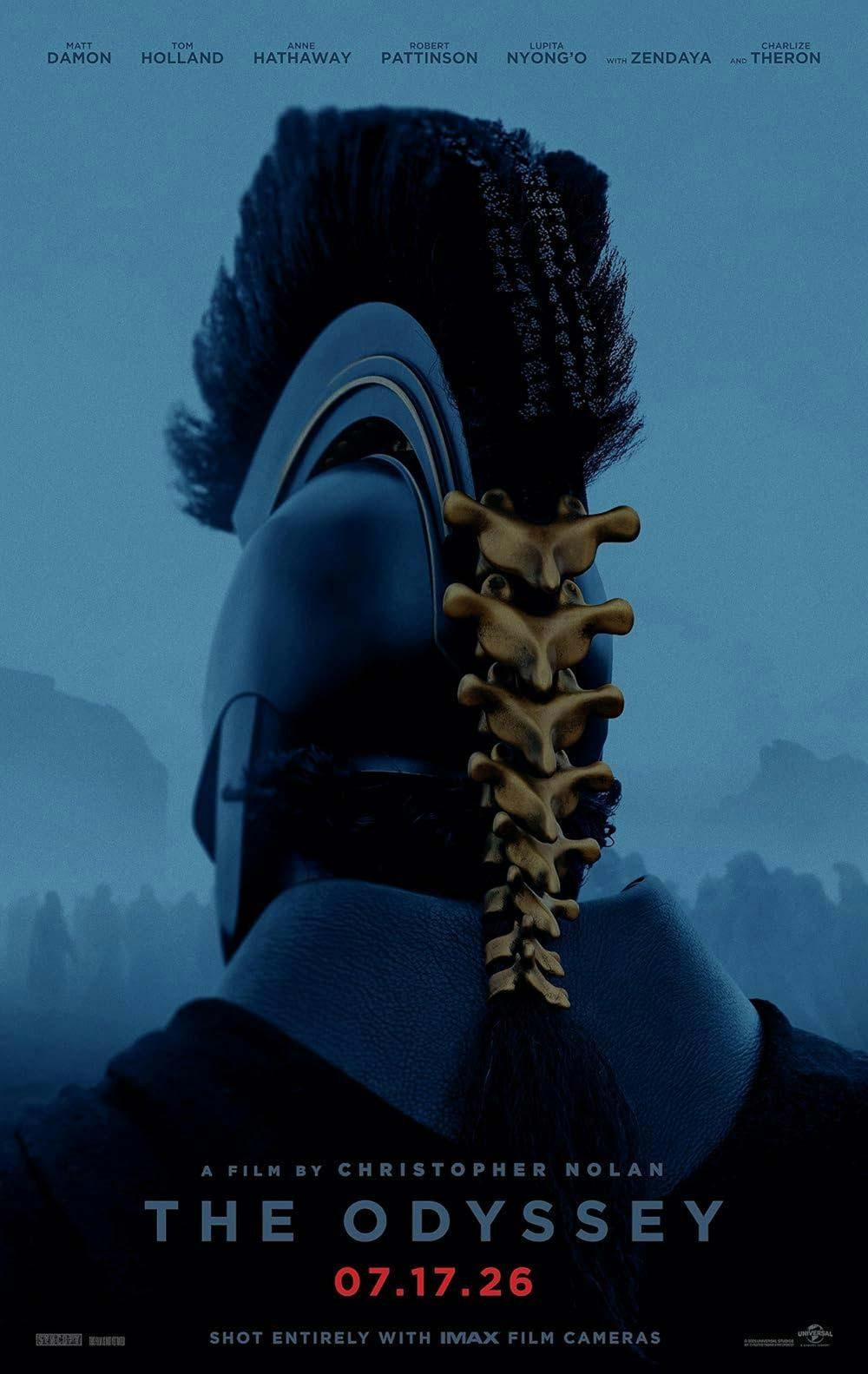
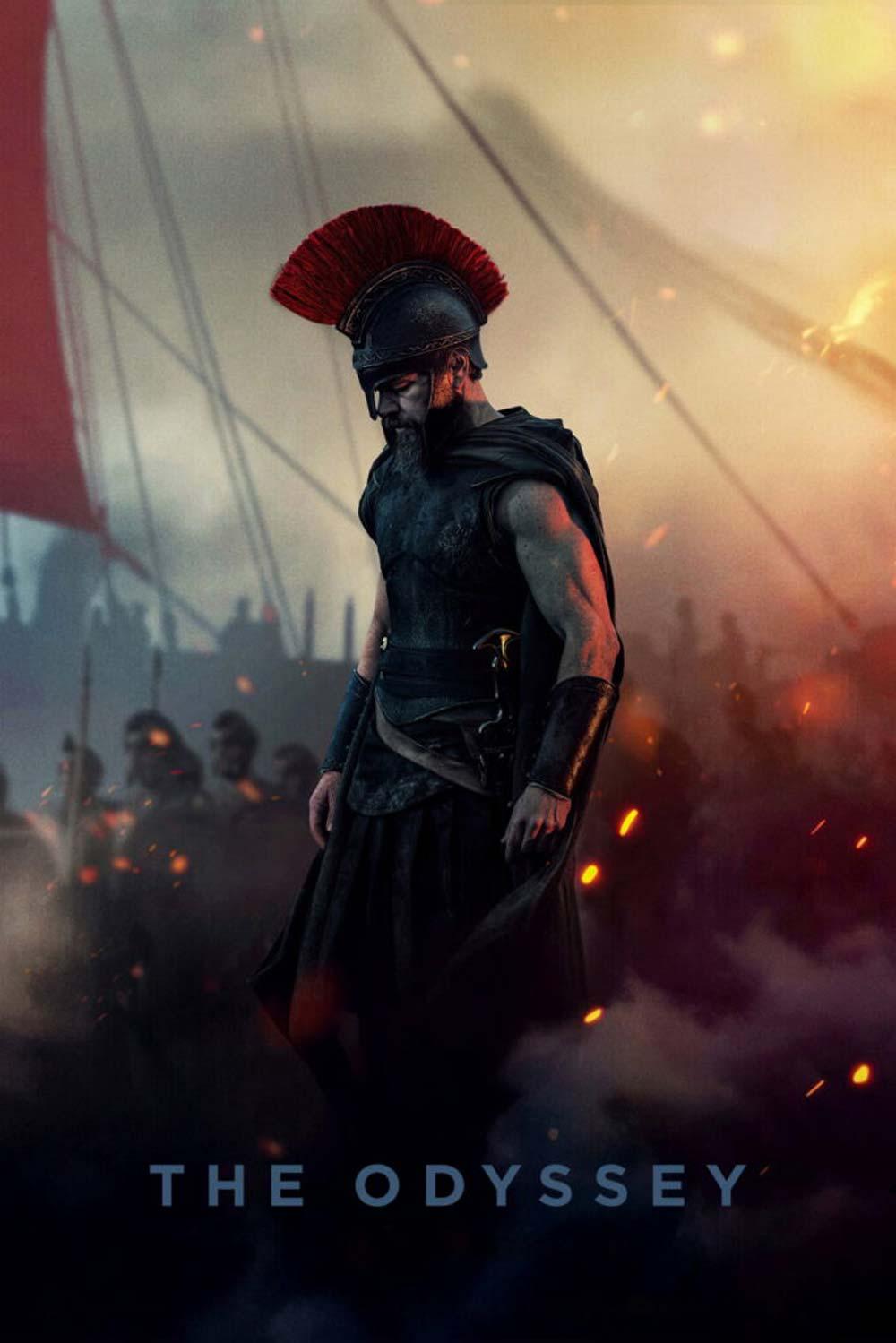
Christopher Nolan's The Odyssey, starring Matt Damon as Odysseus, has brought one of the world's oldest stories back into cinemas. The film's very existence is something of a victory for the classics. The fact that thousands of young people may now encounter names such as Odysseus, Penelope, Athena, Poseidon and the Trojan War through cinema is surely better than never encountering them at all. Of course, one hopes that some will go further. Perhaps a student will leave the cinema and wonder what Homer actually wrote. Perhaps someone will discover that the book is different from the film. Perhaps another will ask why the Greeks cared so deeply about the relationship between gods and human beings.
One of the most striking ideas in The Odyssey is xenia, the sacred obligation governing the relationship between host and guest. Hospitality was not merely good manners. It was a moral and religious duty under divine protection. A guest was to be treated with respect and a host was expected to honour those who entered his home. In Nolan's adaptation, this ancient principle has evidently been given considerable prominence, reminding modern audiences that the Greeks understood hospitality as something larger than etiquette.
And this brings us to the uncomfortable question of religion. We often dismiss Greek religion as paganism, something belonging safely to a distant and primitive past. Yet what if we looked at it differently? The Greeks created stories in which the gods represented forces larger than human beings and in which human actions carried consequences. Their tragedies were filled with mystery, fate, justice, hubris and the awareness that human beings did not control everything.
Has religion really changed in essence? The names and rituals may have changed, but the fundamental human questions remain remarkably familiar. How should we behave when nobody is watching? What do we owe another human being? Is power accompanied by responsibility? Can we escape the consequences of what we do?
Perhaps the Greeks understood something that modern education has forgotten: children do not only need information. They need wonder. They need stories that make them uncomfortable. They need encounters with ideas that cannot be reduced to a multiple-choice question. We have become remarkably good at teaching children what to think. The classics challenge us to teach them how to think.
And perhaps that is why we should not be too dismissive when a three-hour Christopher Nolan film sends a student searching for Homer. If the cinema becomes the doorway to the classics, let us open the door rather than complain that the child did not enter through the library. Because somewhere inside Agamemnon, The Odyssey and the stories of gods who watched, judged and sometimes punished human beings lies a lesson that our children may need more than ever: that actions have consequences, that power does not absolve responsibility, that justice is rarely simple, and that a life lived without wonder can very easily become a life lived without accountability.
The classics survived for thousands of years for a reason. Perhaps it is time we allowed them to teach again.