Towards a More Sustainable Future for Sri Lanka.
By: Thasmina Sookoor
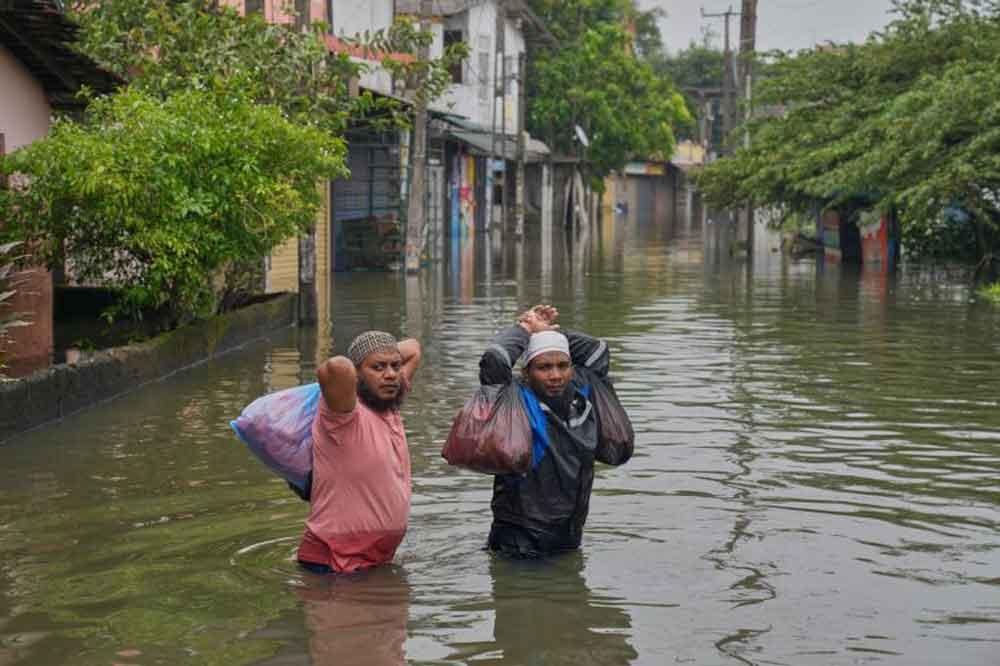
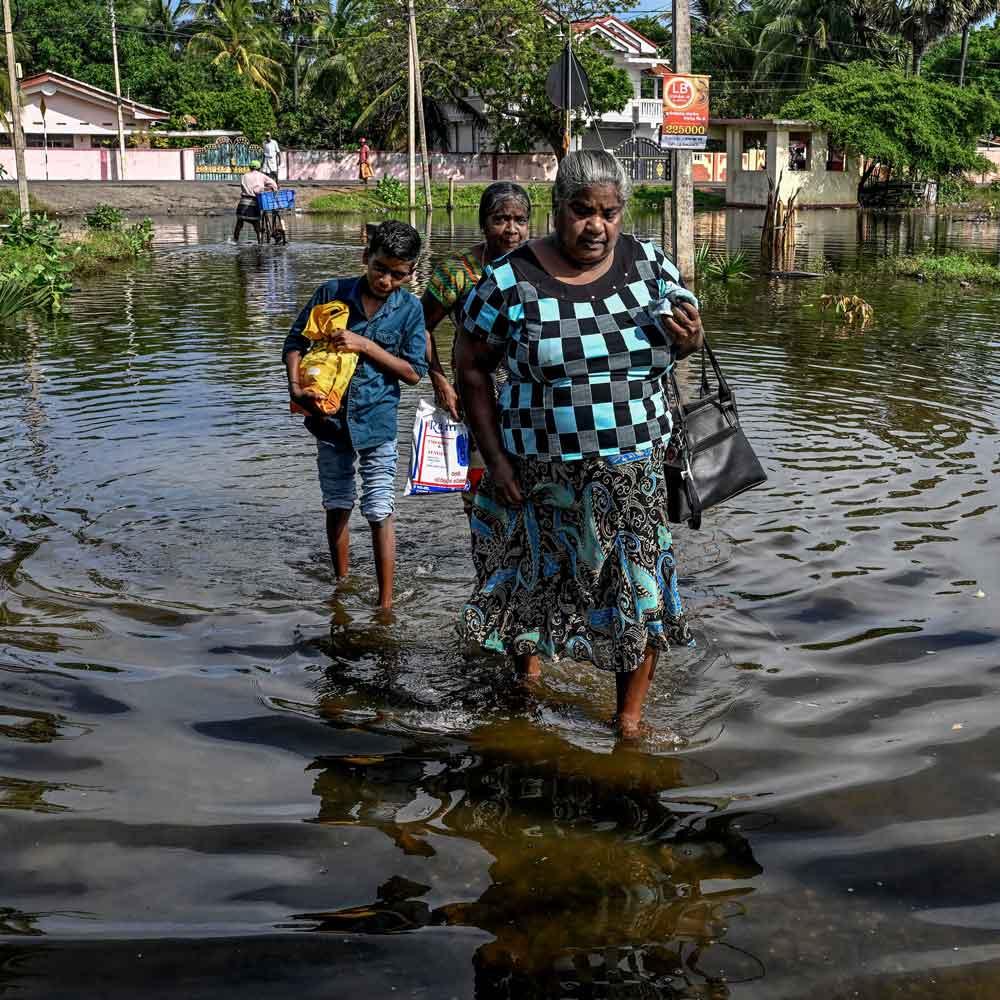
The muddy floodwaters had barely receded after Cyclone Ditwah swept across Sri Lanka, leaving a trail of destruction in its wake, yet our collective memory appears to have faded remarkably quickly. Homes were damaged, livelihoods disrupted, infrastructure affected, and communities left struggling to recover. While the immediate impacts were visible to all, the deeper questions raised by this disaster have received far less attention.
How many of us paused to connect the dots between this severe weather event, the broader realities of climate change, and our own actions as citizens and custodians of this island nation? How many reflected on the role that environmental degradation, unsustainable practices, and global warming may have played in intensifying such events?
Scientists around the world continue to warn that climate change is increasing both the frequency and severity of extreme weather events. Rising global temperatures are contributing to stronger storms, heavier rainfall, prolonged droughts, and unpredictable weather patterns. Yet climate change is often perceived as a distant problem, something inevitable, or an issue for governments and international organisations to solve rather than a challenge that requires action from every individual.
In Sri Lanka, climate change can no longer be viewed as a future concern. It is already affecting agriculture, water resources, public health, biodiversity, and the economy. Farmers face increasingly unpredictable weather conditions, coastal communities confront rising sea levels, and urban areas experience worsening flooding and heat. These realities demand a more urgent and comprehensive response.
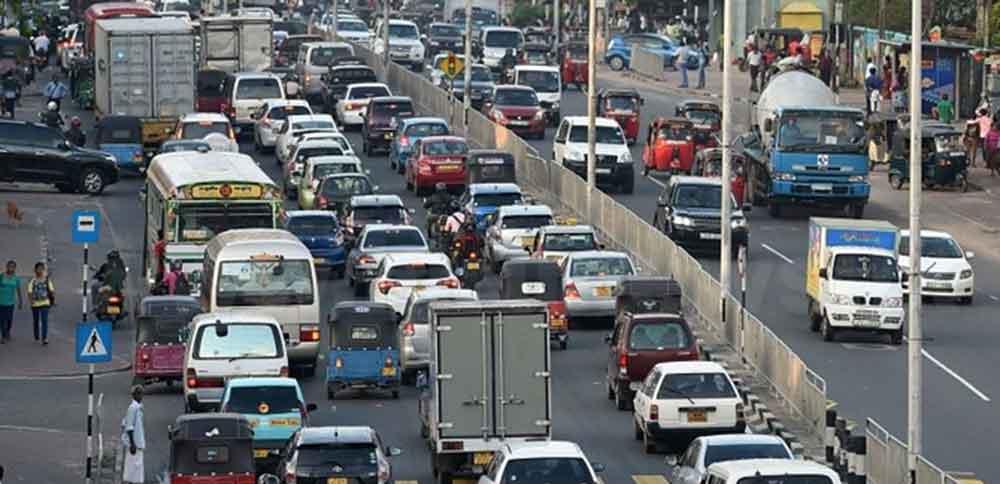
Many Sri Lankans attribute the heavy blanket of smog that often hangs over Colombo and other urban centres to pollution drifting from larger industrial economies such as India or China. While transboundary pollution may contribute to air quality issues, it is important that we also acknowledge the environmental impact of our own actions. Across the country, ageing petrol and diesel vehicles continue to dominate the roads, emitting significant volumes of harmful exhaust fumes every day. These emissions contribute not only to climate change but also to respiratory illnesses and other serious health conditions.
Similarly, in many rural areas where waste collection services remain inadequate or irregular, household rubbish is frequently burned in backyards. Plastics and other non-biodegradable materials release toxic chemicals when burned, polluting the air and contaminating the environment. Such practices may appear insignificant at the individual level, but collectively they have profound consequences for public health and environmental sustainability.
These challenges are not unique to Sri Lanka. Many developing nations face similar obstacles as they seek to balance economic growth with environmental protection. Rapid urbanisation, limited infrastructure, growing energy demands, and resource constraints often make sustainability goals difficult to achieve. However, recognising that these are shared challenges should not diminish our responsibility to act. Instead, it should encourage us to learn from successful initiatives around the world and adapt them to our own circumstances.
Sri Lanka has already made important commitments to sustainable development and environmental stewardship. The country is a signatory to the United Nations Sustainable Development Goals (SDGs) and has pledged support for global climate initiatives. These commitments provide a valuable framework, but commitments alone are insufficient. What is required now is a more proactive and determined pursuit of the 2030 Agenda for Sustainable Development and the longer-term goal of achieving Net Zero emissions by 2050.
One area where urgent action is needed is energy security. Recent geopolitical developments in the Middle East have once again highlighted the vulnerability of nations that depend heavily on imported fossil fuels. For Sri Lanka, a country that has experienced repeated energy and fuel crises, energy independence is not merely an environmental aspiration—it is an economic and national security imperative.
The fuel queues that stretched across the country during the economic crisis of 2022 remain vivid in the minds of many Sri Lankans. Families waited for hours, sometimes days, to obtain essential fuel supplies. Businesses struggled to operate, public transport services were disrupted, and economic productivity suffered. These experiences demonstrated the risks associated with excessive dependence on imported fuel.
The recent fuel shortages serve as a further reminder that Sri Lanka must accelerate its transition towards renewable energy sources. The country is blessed with abundant sunlight, considerable wind resources, and significant potential for renewable energy generation. Expanding investment in solar, wind, and other clean energy technologies could reduce dependence on imported fuels, strengthen economic resilience, and contribute significantly to climate goals.
The transition to cleaner transportation should also form part of this strategy. Encouraging the adoption of electric vehicles, improving public transport systems, and investing in supporting infrastructure can help reduce emissions while creating new economic opportunities. Such measures would not only improve environmental outcomes but also enhance energy security and reduce exposure to volatile global fuel markets.
However, sustainability extends beyond environmental protection and energy policy. It must also encompass inclusive economic development. A truly sustainable society is one in which prosperity is shared, and opportunities are accessible to all. Greater participation of women in the workforce represents one of the most significant opportunities for economic growth in Sri Lanka. Increasing female employment can boost household incomes, strengthen communities, and contribute substantially to national productivity and economic output. Removing barriers to employment, promoting equal opportunities, and supporting women entrepreneurs should therefore be central components of any sustainable development strategy.
Investment in education, skills development, healthcare, and digital inclusion is equally important. Sustainable development is not solely about protecting natural resources; it is about creating conditions in which all citizens can thrive while ensuring that future generations inherit a healthy and prosperous nation. At its core, sustainability means meeting the needs of the present without compromising the ability of future generations to meet their own needs. It requires thoughtful stewardship of our natural resources, responsible economic planning, and a commitment to social inclusion. Sri Lanka possesses the talent, resources, and potential necessary to build a more sustainable and prosperous future. What is needed now is collective determination, visionary leadership, and sustained action.
To explore these important issues of sustainability, clean energy, and inclusive development in the Sri Lankan context, the Friends of Sri Lanka Association has convened a special meeting at the Sri Lankan High Commission in London on Wednesday, 17 June 2026. The event will bring together individuals interested in discussing practical solutions and opportunities for sustainable development in Sri Lanka.
The keynote discourse will be delivered by Nilmini Roelens, LLM, Solicitor, who will examine key United Nations Sustainable Development Goals and their application to the Sri Lankan context. As Co-Founder and CEO of Solar Village SDG, a UK-based Community Interest Company, Ms Roelens is actively involved in promoting the Solar Village concept pioneered by Professor I. M. Dharmadasa. The initiative seeks to expand access to solar energy and support sustainable development in remote and rural communities across Sri Lanka.
The event offers a valuable opportunity for those interested in Sri Lanka's future to engage in meaningful discussion, exchange ideas, and build connections with like-minded individuals committed to positive change. Attendees will also have the opportunity to meet fellow participants during the post-conference reception. Those residing in the United Kingdom who wish to participate are warmly invited to attend and contribute to the conversation about building a more sustainable, resilient, and inclusive future for Sri Lanka.
Tickets can be purchased in advance via the Eventbrite link: https://srilankasustainabledevelopment.eventbrite.co.uk