Fame Game: Featuring Thaji Dias
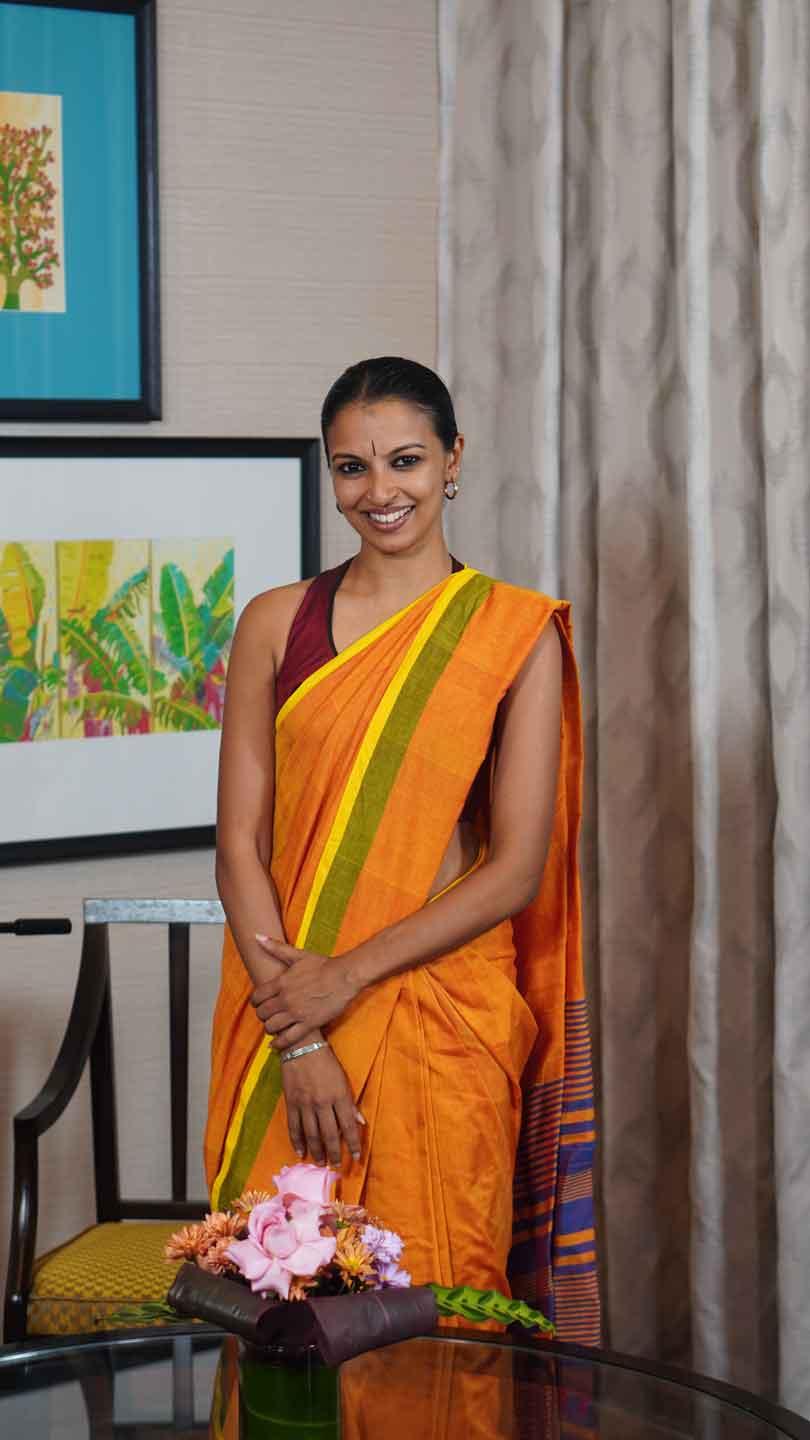
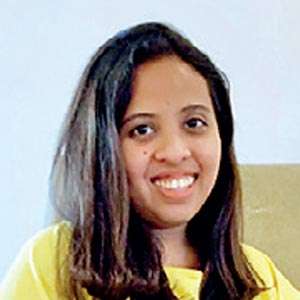
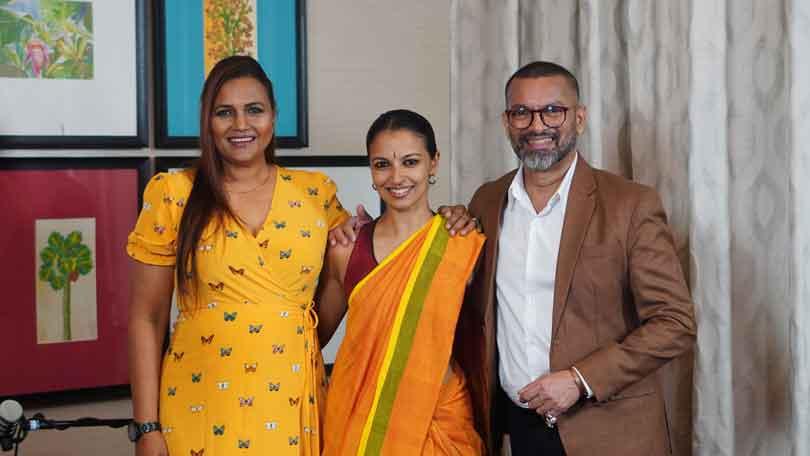
Born into one of Sri Lanka's most celebrated families of traditional dancers, Thaji Dias has grown up surrounded by a legacy that has shaped the country's cultural landscape for generations. As the granddaughter of Chitrasena and Vajira, and the niece of Upeka Chitrasena, she continues to honour that heritage while steadily building her own identity. Speaking on Fame Game with Kumar de Silva and Rozanne Diasz, Thaji reflected on family, discipline, preserving tradition, and the future of Sri Lankan dance.
Q: Have you managed to establish your own identity despite constantly being compared to your grandmother Vajira and your aunt Upeka?
A: Comparisons are natural when you come from a family like mine. I actually see them as a blessing. I learned from my aunt for many years, and I still study my grandmother's performances through recordings. As I have matured, I have gradually started finding my own movement language and my own way of expressing myself. That journey is still continuing.
Q: Did you always consider those comparisons an advantage?
A: Yes. When people tell me I dance like my grandmother or my aunt, I take it as a compliment because they are artists I deeply admire. At the same time, I know I still have much to learn before reaching the standard I aspire to.
Q: Is there a performance that remains especially meaningful to you?
A: Performing the lead swan in Nala Damayanthi during my grandmother's memorial performance, Namo Vajraya, was unforgettable. My grandmother had guided me through that role years earlier, so performing it after her passing was deeply emotional. Although she was no longer physically present, I felt her with me throughout the performance.
Q: Which performances have had the greatest impact on your career?
A: Every production teaches me something new. I particularly enjoy character roles, such as the mosquito in Kumbi Kathawa. Beyond individual performances, events such as the Gurugedara Festival and our collaboration with the Indian dance company Nrityagram were significant learning experiences. That collaboration inspired me to leave teaching and dedicate myself to dance full time.
Q: If you were not a dancer, what career would you have chosen?
A: I love animals, so I would probably become an animal caregiver. It is something I have always been passionate about.
Q: Is it financially possible to survive as a full time traditional dancer in Sri Lanka?
A: It is not easy. Many of our students travel long distances while supporting their families. At the Chitrasena Dance Company, we do not perform at weddings or commercial events because preserving the integrity of the art has always been our philosophy. Instead, we focus on stage productions, workshops, and educational programmes. Financial stability can be challenging, which is why we encourage dancers to pursue another profession alongside their dance careers.
Q: Why do you advise students to pursue another profession?
A: Having another qualification allows dancers to remain financially secure without compromising the standards of traditional dance. One of our company members is a lawyer while continuing to perform professionally. That balance is becoming increasingly important.
Q: Has social media changed the way younger generations approach traditional dance?
A: Definitely. Everything today is fast paced. People expect to learn something within minutes, but traditional dance requires years of discipline and patience. I have been dancing for three decades, and I am still learning. Many young people begin enthusiastically, but maintaining that long term commitment is difficult.
Q: Do you believe traditional dance is becoming a dying art?
A: In some ways, yes. My grandfather faced similar challenges when traditional dance began disappearing decades ago. He brought these rituals to the stage to preserve them. Today we face different challenges, but our responsibility remains the same, which is to find ways to pass this tradition on while maintaining its authenticity.
Q: What steps are being taken to preserve the Chitrasena legacy?
A: We hope to establish a museum at the Chitrasena Kalayathanaya to preserve costumes, photographs, and historical material for future generations. At the same time, we will continue performing whenever we have the right artists to maintain the quality and spirit of these productions.
Q: What is going through your mind before you step onto the stage?
A: I try to block out the audience so I can focus completely on the performance. I do not want people to simply watch me as an individual. I want them to experience the dance itself. The performer and the dance become one.
Q: Is it too late for adults to begin learning traditional dance?
A: Not at all. Starting young certainly helps, but anyone can learn. We even have adult classes with participants in their sixties. Their enthusiasm is incredibly inspiring and proves that dance has no age limit.
Q: Is traditional dance still considered a female dominated art today?
A: Interestingly, Kandyan dance was originally performed only by men. Today, our dance company actually has more male dancers than female dancers. It is a powerful and physically demanding art form that welcomes everyone.
Q: Who is Thaji Dias away from the stage?
A: I am much quieter than people expect. I express myself more easily through dance than through conversation. On stage, I can communicate emotions openly, but in everyday life I am more reserved and prefer taking life one day at a time.
Despite carrying one of Sri Lanka's most distinguished artistic legacies, Thaji Dias remains focused on growth rather than recognition. Her dedication to preserving traditional dance while adapting to the realities of the modern world reflects both respect for the past and hope for the future. For her, dance is not merely a performance but a lifelong responsibility that she continues to embrace with humility and passion.