Requiem for British Theatre
By: Chandri Peris
Last Friday, I rushed out of the National Theatre in despair. I was literally screaming with disgust at the appallingly low standard of the much-hyped production of Molière's 'The Misanthrope' with no less than the international superstar Sandra Oh in the lead! The production was dire. The acting fell way below the expected standards of amateur dramatics displayed by any provincial school in Sri Lanka, and to say that the direction by Indhu Rubasingham was beyond the pale would be a compliment. The mere fact that some are compelled to buy seats at £120 each for this type of mediocrity should be the subject of a parliamentary inquiry.

To my mind, the National Theatre was the jewel in the crown of British culture and was considered to be a mecca for theatre lovers from all over the world. I came to London in the late 80s, when the great Sir Peter Hall was leading this unparalleled hub of creativity with great passion and zeal. He handed it to Sir Richard Eyre who catapulted this establishment to what I think of as the golden age of British Theatre launching some productions that are so vividly etched in my memory that they are unmatchable. When he retired the stewardship of the NT was taken over by Sir Trevor Nunn who after six years handed the flaming torch to Sir Nicholas Hytner whose brilliance as its artistic director was undeniable. He raised the standards of theatre by leaps and bounds and had an eye for selecting the most remarkable plays that have ever been produced in the UK. In 2015 Rufus Norris took over at the helm and things began to feel distinctly shaky as political correctness had begun to assert its authority over many organisations in the UK. Now that we live in a world that is completely overrun and manipulated by so called, 'Equity, Diversity and Inclusion,' we are lumped with the likes of Indhu Rubasingham who seems to be steering this beloved institution to its destruction with the same fervour and grim determination as the captain of the Titanic.
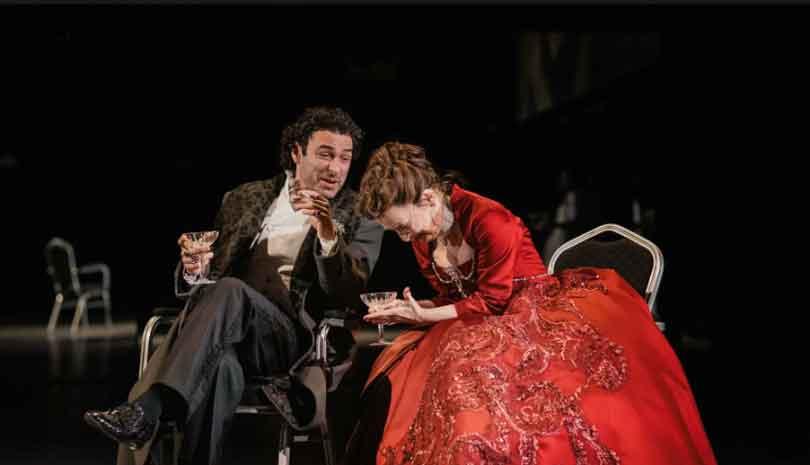
As the former artistic director on the Kiln Theatre, she ran a remarkably tight ship and produced some great works which were superb. The Kiln too is exhibiting signs of rapid deterioration. Their current production of Driftwood, co-presented with the Royal Shakespeare Company, misses its mark so completely that the audience erupted into hysterics at the close of what was intended to be a tragedy. Set in Trinidad, the play was clearly designed to attract the sizeable Caribbean communities of Brent and Camden. Instead, it proved a textbook case of leading horses to water, they simply refused to drink.
Many years ago, I watched the Steppenwolf theatre company from Chicago perform 'One Flew over the Cuckoo's Nest' with Gary Sinise in the lead, it was good but yet it did nothing to erase the memory of the fantastic film that all of us are familiar with. In April this year the Old Vic produced a new version on 'One Flew over the Cuckoo's Nest'. I have selected a quote from their publicity material which will give you a gist of what I am trying to say 'Clint Dyer's revival reframes Kesey's story through a lens of power, prejudice, and institutional control, highlighting racial and colonial dynamics. The predominantly Black cast of patients and the use of Congo Square, New Orleans, as a conceptual backdrop, emphasize historical resilience and systemic oppression'. "Oh really? But why? Oh, why? Oh, why?" I kept asking myself as I endured this dreadful production - a joyless procession of unremarkable performances that unfolded like an endless nightmare.
Needless to say, the local papers lavished it with praise. Had anyone dared to tell the truth, riots and looting might well have followed. In my humble opinion, the inevitable lobotomy should have taken place before the curtain rose on Act One.
The Almeida seems to have lost its mojo too. This theatre which presents plays of a consistently high standard had sunk to the lower depths with their production of 'Under the Shadows'. This play which is set during the Iran-Iraq war which took place in the 1980s had a cast of predominantly middle eastern actors. Was it about war, was it about trauma or was it about evil spirits? Much of the audience, including me, didn't bother thinking about it after the curtain fell.
It is blatantly evident that the British Theatre establishment is bending over backwards to appease each and every migrant community that has set foot in this country. There seems to be an invisible edict put in place by left leaning politicians who are wracked with colonial guilt, that every theatre has to produce a piece that ticks the boxes with the communities that have overwhelmingly taken over the areas these theatres are situated in. It is fast proving to be the straw that will soon break the camel's back!
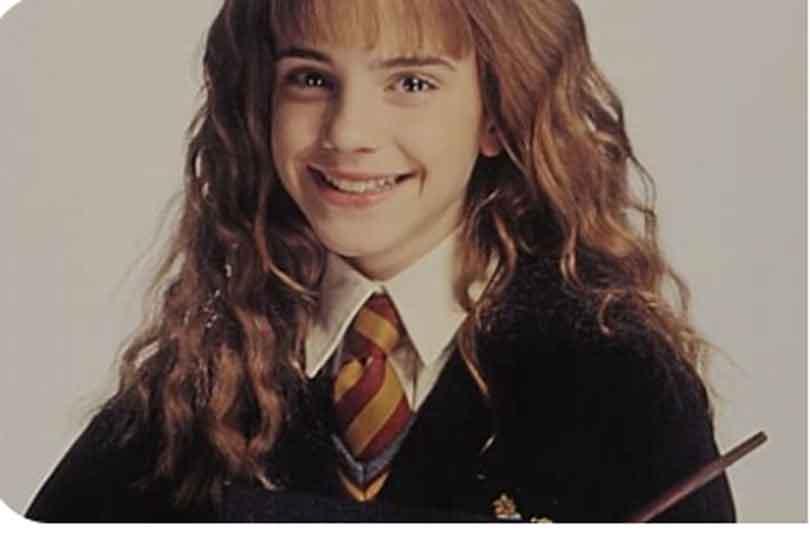
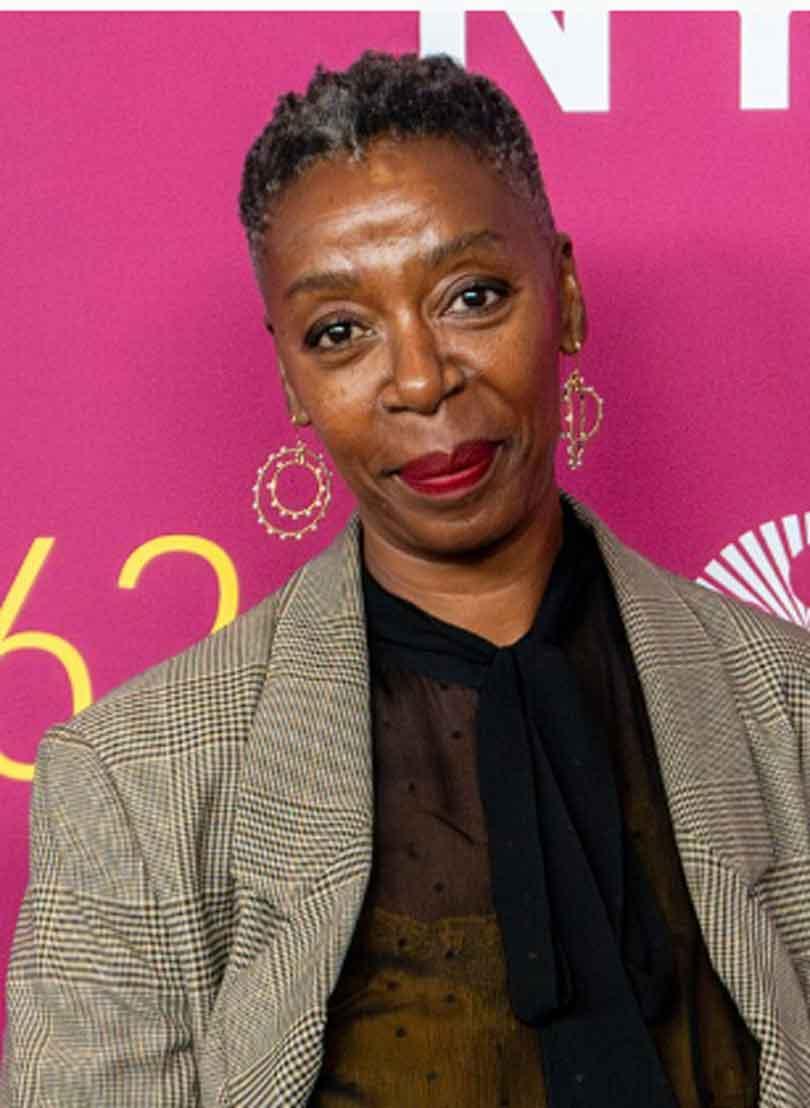
For example, we are all aware of the character of Hermoine Grainger in the much-loved Harry Potter books. In 2015 a stage version of 'Harry Potter and the Cursed Child' was produced in the West End with Norma Dumezweni (see photograph) as Hermoine Grainger. A brilliant actress she may be, but to cast a 46-year-old black woman with a face that has a deeply defined bone structure and a deep sonorous voice in the role of this cheeky teenage was suspending disbelief to another dimension. Even though many children who saw the show were left traumatised and badly let down, she was awarded the Olivier Award for Best Supporting actress that year! This says a lot about the Olivier Awards themselves.
The Olivier Awards (and the BAFTAs) have become a celebration of EDI in a manner that they are made to showcase the possibilities and achievements of the underprivileged. These awards have nothing to do with the quality of the acting, the direction, or the productions concerned, instead they are political tool that makes visible what the 'left' refers to as the disproportionate advantages of the white majority and therefore stands as a testament of appeasement. Laurence Olivier himself wouldn't have a chance of a snowball in hell of getting nominated in the times we are living in. He was white, privileged, perfectly abled and never had the appeal of a refugee who crossed the channel in a dingy. Such political correctness has tainted the industry and dumbed down the standards of theatre in the UK. It also has influenced many of us to look elsewhere for pieces of great theatre that stand the test of time. At times it does feel as if we are dredging the ocean for a lost coin.
Just look at the results of the BBC's 'Strictly Come Dancing' and the manner in which the winners are selected. Now that a blind person and a deaf person has managed to win this coveted prize, it won't be too long before a person with no legs wins this dance competition! It beggars belief!
However, all hope is not lost as yet. There have been some brief and shining moments in the theatre landscape this year. Among them were the Young Vic's production of Arthur Miller's 'Broken Glass' which was absolutely brilliant ( this piece will obviously be ignored by the powers-that-be as it is about the trauma suffered by the Jewish Community).
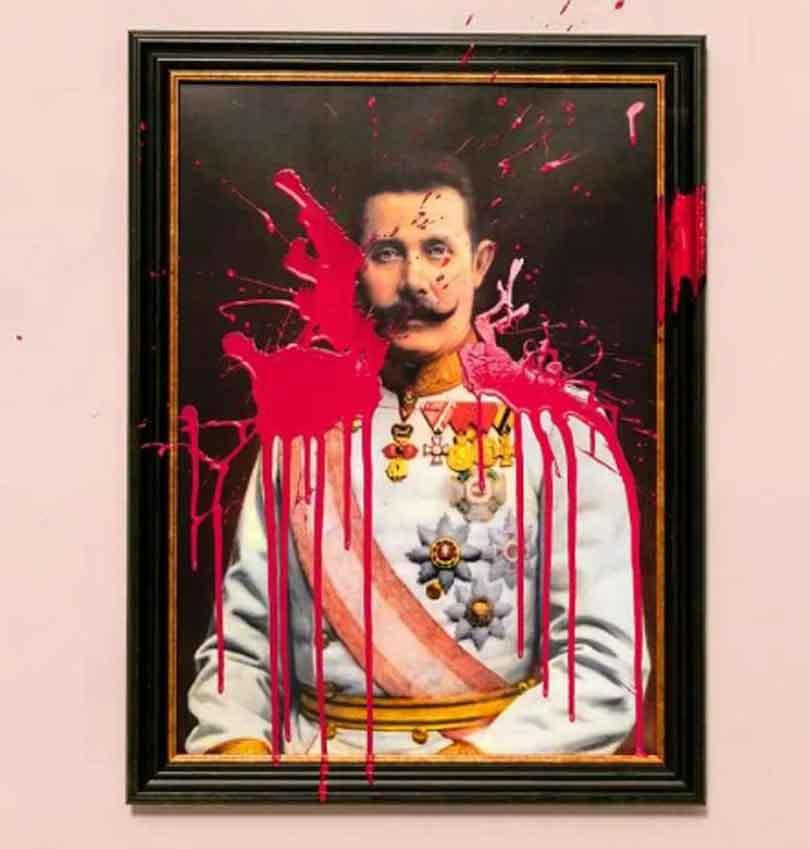
'The Guilty' a monologue performed by the magnetic Russell Tovey at the Donmar Warehouse is riveting and timely. The National Theatre staged a glorious revival of 'Les Liaisons Dangereuses' with Leslie Manville and Aidan Turner, directed by Marianne Elliott. This play was made all the more sensational with its mesmerising choreography by Tom Jackson Greaves. It also had a cast that drew from every nationality imaginable making a great example of how the collective can work. 'The P Word' at the Bush Theatre was a superbly realised piece of how difficult issues within a particular community can be addressed and confronted. This play, based on the developing love affair between two Pakistani men, absolutely nailed it. The Donmar also produced 'Mass' an explosive play about restorative justice. It was quiet, elegant and simply sublime. And currently running at the Royal Court Theatre is a riveting production of 'The Archduke' by Rajiv Joseph directed by Lyndsey Turner and Mayaan Haputanthri. Mayaan is an aspiring young Sri Lankan theatre director who is going through a highly prestigious apprenticeship at the RCT. I do hope that this young man gets a few more chances of working with esteemed directors such as those he has already encountered at the Royal Court. This will assure his ongoing success in the UK which is far more assuring than the bleak challenges he will face with the cut-throat theatre scene back at home.
A panel discussion on BBC Radio 2 asked why younger audiences now seem to give standing ovations at almost every performance. This trend became particularly noticeable after the pandemic. In the past, standing ovations in Britain were rare, reserved for truly exceptional performances, and even then, they had to be earned from famously discerning audiences. The panel concluded that this reflected Gen Z's strong sense of camaraderie and commitment to inclusivity. However, another interpretation remains largely unspoken. A generation that is being shaped by social media are far less willing to engage with ideas or experiences that challenge their own beliefs. Confronting uncomfortable truths can be difficult, and the constant pursuit of affirmation may leave emotions increasingly influenced by digital habits rather than critical reflection.
This is similar to that Colombo set who read online theatre reviews and rave about shows that they themselves have never seen but have already decided are 'fantastic'. The conversations about the National Theatre's recent production of 'Hamlet' is a case in point. Those who have actually seen it prefer to say 'no comment' rather than be stabbed to death by woke sycophants.
Before the pandemic and the rise of Black Lives Matter activism, I went to the theatre at least ten times a month because there was always something worth seeing. Today, I'd struggle to find two productions that justify the price of a ticket. The obsession with political correctness has hollowed out the stage, replacing artistic risk with ideological box-ticking. The result isn't progress, it's the slow suffocation of great theatre.
Some elements of Gertrude's haunting speech in Hamlet seem to encapsulate the slow, tragic decline of what was once a quintessentially British art. Shakespeare's words resonate far beyond the play itself, speaking just as poignantly to a tradition that has been allowed to wither through the need to 'reflect' diversity and inclusion rather than necessity:
"One woe doth tread upon another's heel. So, fast they follow... As one incapable of her own distress, or like a creature native and indued unto the element…. pulled the poor wretch to muddy death."